Transform Your Space: Free Online Interior Design Courses for Beginners
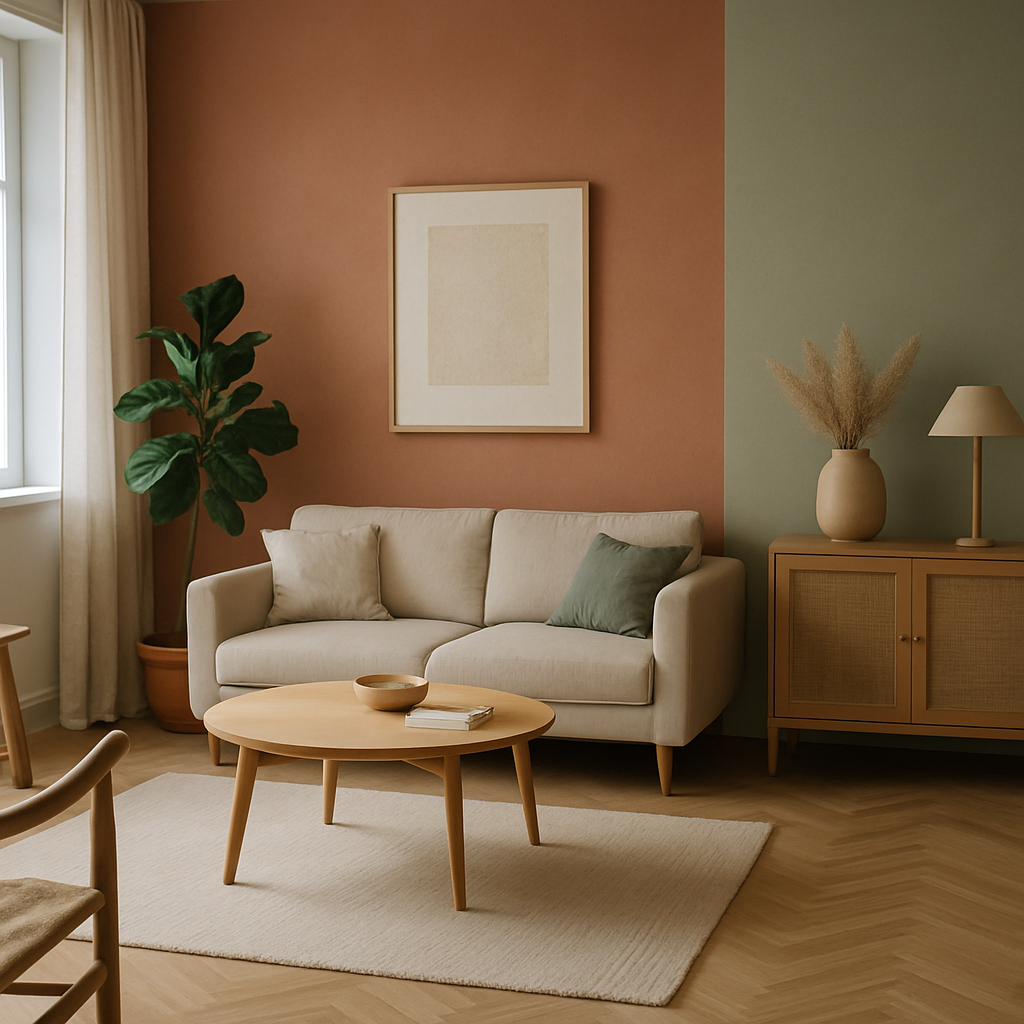
Imagine walking into a room that perfectly reflects your style, one where every piece of furniture and decor item is meticulously chosen to create harmony and balance. According to Houzz's annual survey, 85% of homeowners believe a well-designed space improves their quality of life. If you're eager to achieve such transformation but are held back by budget constraints or lack of experience, free online interior design courses might be your perfect gateway. These courses offer a comprehensive introduction to design principles and practical applications, allowing you to explore your creativity without a financial commitment. In this article, we'll delve into foundational concepts, analyze the impact of design education, and provide actionable strategies to kick-start your journey. We'll also explore expert-level insights and additional resources to ensure your success.
The Basics of Interior Design: Laying a Strong Foundation
Before diving into the complexities of design, it's crucial to understand the foundational concepts. Interior design is more than just arranging furniture; it's about creating a space that enhances functionality and aesthetics. The core elements include color theory, spatial arrangement, and material selection. These elements work together to create a cohesive look that aligns with the intended function of the space. For instance, selecting the right colors can influence the mood and perceived size of a room, while thoughtful spatial arrangement can improve flow and usability.
Free online courses provide an excellent introduction to these concepts. Platforms like Coursera and edX offer courses from reputable institutions such as the University of California and Harvard University. These courses cover essential topics such as principles of design, lighting techniques, and furniture styles. By enrolling in these courses, you gain access to video lectures, interactive assignments, and peer discussions that help solidify your understanding.
As you progress through these courses, you'll start to see your home in a new light. You'll learn to evaluate your current space critically and identify areas for improvement. This foundational knowledge is crucial for anyone looking to transform their living environment and can also serve as a stepping stone for further education.
The Value of Design Education: Data and Analysis
Investing time in learning interior design can have tangible benefits. According to a study by the American Society of Interior Designers (ASID), well-designed interiors can increase a property's resale value by 5-15%. This statistic highlights the financial advantages of understanding design principles, even at a basic level. Additionally, a Houzz survey found that 79% of homeowners who completed a design project reported a significant increase in overall happiness at home.
Free online courses provide a flexible way to gain this valuable knowledge. Websites like Udemy and Skillshare offer classes that cater to various interests and skill levels. Whether you're interested in sustainable design practices or mastering the art of minimalist decor, there's a course for you. These platforms often feature industry experts who bring years of professional experience to the table, providing you with insights that are both practical and inspiring.
Moreover, these courses often include case studies and real-world examples, helping you see how theoretical concepts apply in practice. This approach not only enriches your learning experience but also equips you with the skills needed to tackle design challenges in your own home. As you continue learning, you may find yourself drawn to specific design styles or methodologies, which can further guide your educational pursuits.
Actionable Strategies: Applying What You Learn
Once you've grasped the basics, the next step is to apply your newfound knowledge. Start by assessing your current living space. What aspects do you love, and what would you like to change? Experienced professionals often note the importance of starting with a clear vision. Create a mood board using platforms like Pinterest or Houzz to gather inspiration and visualize your ideas.
Next, consider the practicalities of your space. Map out how you actually use each room - where you drop your keys, where the kids do homework, and where you relax at the end of the day. This exercise will help you identify areas that require functional improvements. For example, if you find that your living room lacks storage, explore DIY shelving solutions or multifunctional furniture that can enhance both style and utility.
As you implement changes, remember to be patient and flexible. Design is an iterative process, and your initial ideas may evolve as you experiment. Take advantage of free online design tools such as SketchUp or Roomstyler to create digital layouts before committing to physical changes. These tools allow you to experiment with different configurations and see the impact of your decisions in a virtual space.
Expert Insights: Learning from the Pros
Gaining insights from industry experts can significantly accelerate your learning curve. The National Council for Interior Design Qualification (NCIDQ) is a gold-standard credential for professional designers, and its website offers resources and insights into the skills and knowledge required for certification. While you may not be pursuing certification, understanding the competencies outlined by NCIDQ can guide your learning process.
Platforms like Architectural Digest's AD PRO provide access to a wealth of professional content, including interviews with top designers, trend analyses, and step-by-step guides. Subscribing to such resources can keep you informed about the latest industry developments and inspire you to push the boundaries of your design projects.
For those interested in sustainable and innovative design, exploring biophilic design and smart home integration can be particularly rewarding. These trends emphasize the use of natural materials, living walls, and cutting-edge technology to create environments that are both functional and eco-friendly. Free online courses in these areas can provide you with the skills needed to incorporate these advanced concepts into your designs.
Exploring Further: Additional Resources and Opportunities
As you delve deeper into the world of interior design, you'll find that continuous learning is key. Joining online communities such as the International Interior Design Association (IIDA) can provide networking opportunities and access to additional resources. These communities often host webinars, workshops, and events that can enhance your learning experience and connect you with like-minded individuals.
Consider participating in local workshops or design expos to gain hands-on experience and insights from industry professionals. These events offer a tangible way to apply what you've learned online and can be a valuable addition to your educational journey. Additionally, following design influencers on Instagram can expose you to diverse styles and techniques, keeping your creativity flowing.
Another valuable resource is Houzz, which offers a platform to explore designer portfolios and project photos. By browsing through these examples, you can gain a better understanding of different design styles and identify elements that resonate with your personal aesthetic. This exploration can further refine your ability to articulate and execute your design vision.
Final Perspectives: Embracing the Journey
The path to mastering interior design is filled with exploration, creativity, and continuous learning. By taking advantage of free online courses, you can build a strong foundation and gradually develop your skills. Remember, the key to success in any creative endeavor is to stay curious and open to new ideas.
As you continue to learn and experiment, don't be afraid to make mistakes. Each challenge you encounter is an opportunity to refine your techniques and deepen your understanding. The journey may be long, but the transformation you'll achieve in your space will be worth the effort.
Conclusion: Your Next Steps in Interior Design
In conclusion, free online interior design courses offer a valuable opportunity to transform your space and elevate your skills without breaking the bank. By exploring foundational concepts, applying your knowledge, and learning from industry experts, you can create a home that truly reflects your style and meets your needs. Are you ready to take the first step? Start by browsing portfolios on Houzz or enrolling in a free course this week. Even 20 minutes of research can sharpen your eye for what you want. Happy designing!



Comments
Post a Comment