Transform Your Space: Discover the Best Free Online Interior Design Courses
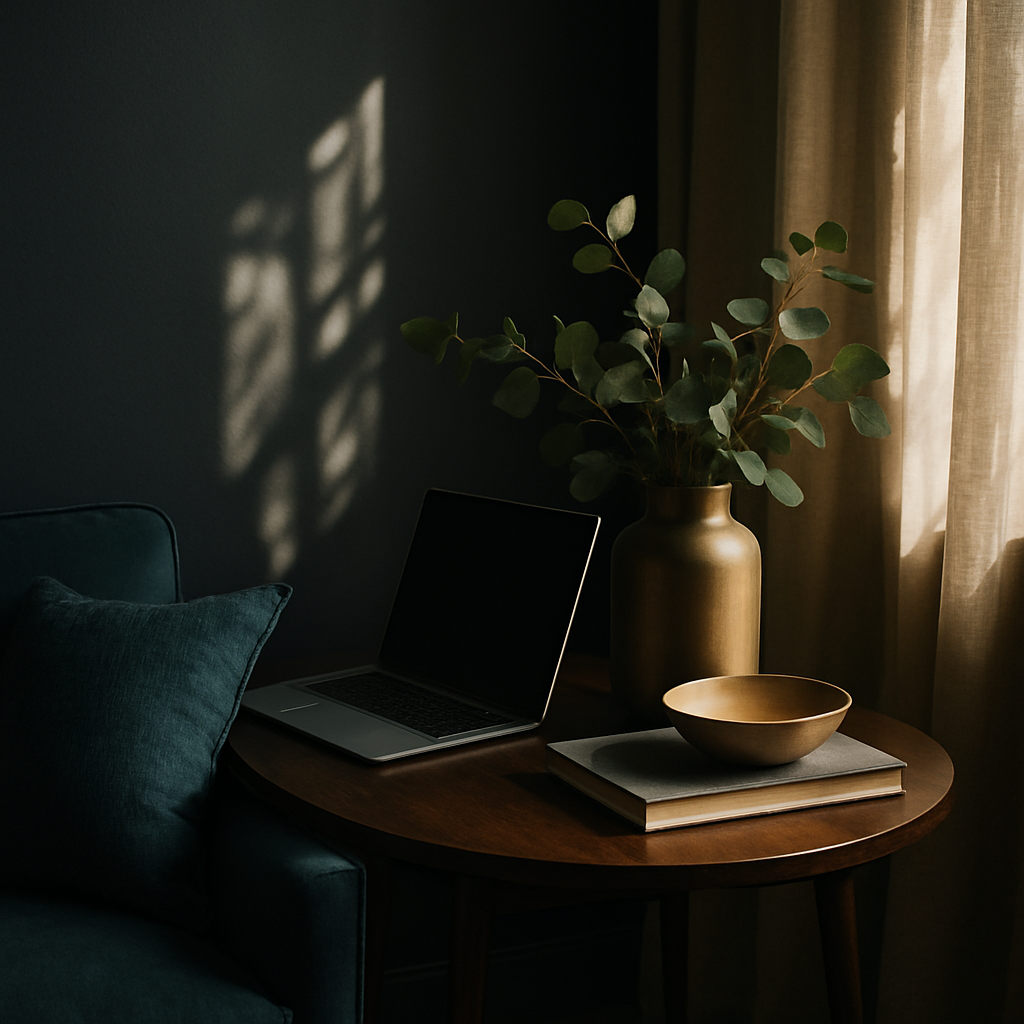
Imagine walking into your living room, where the vibrant colors, artfully arranged furniture, and ambient lighting create a harmonious space that feels just right. This transformation might seem like magic, but it often starts with education. According to a survey by Houzz, 85% of homeowners reported feeling more satisfied with their homes after redesigning their interiors. This article explores how you can achieve similar results by leveraging the best free online interior design courses. We will delve into foundational concepts, analyze available data, and provide actionable strategies to help you choose the right course. We'll also share expert-level insights and additional details to deepen your understanding, ultimately empowering you to transform your space effectively.
Understanding Foundational Concepts in Interior Design
Interior design is more than just aesthetics; it's about creating functional spaces that enhance your lifestyle. The first step in transforming your space is to grasp essential design principles such as balance, contrast, and harmony. These concepts serve as the foundation for any successful design project, whether it's a single room or an entire home. Balance ensures that elements within a space are evenly distributed, creating a sense of equilibrium. Contrast, on the other hand, involves using different shapes, colors, and textures to create visual interest, while harmony brings all elements together for a cohesive look.
One valuable resource for learning these principles is the American Society of Interior Designers (ASID). By exploring their educational materials, you can gain insights into how professionals approach design challenges. ASID emphasizes the importance of understanding client needs and the spatial dynamics of a room. Are you aware of how these foundational concepts can influence your design decisions? Without a solid grasp of these basics, your space might lack the coherence necessary to be both beautiful and functional.
Additionally, mastering these concepts is crucial for effectively communicating with designers or decorators. Certified interior designers, such as those holding NCIDQ (National Council for Interior Design Qualification) credentials, use these principles as a common language to articulate their visions. If you're considering a redesign, understanding these basics will equip you to collaborate more effectively with professionals, ensuring that your project's outcome aligns with your vision.
Exploring the Data: What Do Homeowners Want?
According to the latest Houzz survey, homeowners spent an average of $6,000 on a single-room redesign last year. This investment reflects a growing trend toward personalized, functional spaces that cater to individual lifestyles. Interestingly, the survey also noted that 72% of respondents prioritized improving the layout and functionality of their spaces over purely aesthetic changes. This data underscores the importance of courses that not only teach design principles but also focus on practical applications.
Platforms like Coursera and edX offer free online courses that are perfect for exploring these practical aspects. Coursera's "Designing Your Home: A Beginner's Guide" provides an excellent overview of how to assess your space needs and implement design strategies that enhance functionality. Do you know how to identify which course aligns with your specific goals? By examining course outlines, you can determine whether they focus on the areas you wish to improve, such as spatial planning or aesthetic enhancement.
Moreover, the desire for personalized spaces that reflect individual tastes has driven the demand for courses that offer flexible learning. EdX's "Introduction to Interior Design" includes modules on color theory and furniture selection, allowing learners to tailor their education to their interests. This flexibility is crucial in a field where trends such as biophilic design and quiet luxury are constantly evolving, requiring designers and homeowners alike to stay informed and adaptable.
Actionable Strategies for Selecting the Right Course
Selecting the right interior design course online can be daunting, given the plethora of options available. Start by identifying your primary goal: Are you looking to redesign a specific room, or do you want to gain a broader understanding of design? This clarity will help narrow your choices. Next, consider the course format. Platforms like Skillshare offer video-based tutorials, which are ideal if you prefer visual learning. Alternatively, if you enjoy structured assignments, consider courses from academic institutions on platforms like edX.
It's also important to evaluate the credentials of the instructors. Experienced professionals often note that learning from certified designers can offer insights that go beyond textbook knowledge. Look for courses taught by members of the International Interior Design Association (IIDA) or professionals with NCIDQ certification. These instructors bring industry-specific expertise and real-world experience to their teaching, ensuring that the content is both practical and current.
Finally, take advantage of course reviews and ratings. Platforms like Coursera and Udemy provide feedback from previous learners, which can be invaluable in assessing a course's effectiveness. Don't underestimate the power of community engagement either. Many courses offer forums or social media groups where you can connect with fellow learners, share insights, and gain support throughout your learning journey. By following these strategies, you can confidently choose a course that aligns with your goals and sets you on the path to transforming your space.
Expert-Level Insights into Course Content
While free online courses provide a broad overview of interior design, some delve deeper into specialized topics. For instance, understanding sustainable design practices is increasingly important as the industry shifts towards eco-friendly solutions. Courses that cover topics like sustainable materials and energy-efficient lighting can give you a competitive edge, whether you're redesigning your home or considering a career in design.
Experienced professionals often emphasize the value of courses that include real-world projects. For example, Architectural Digest's AD PRO network highlights the growing use of AR/VR room visualization tools in client presentations. Courses that incorporate these technologies not only enhance your technical skills but also prepare you for the modern demands of interior design. Have you explored how these tools might transform your design process?
Moreover, gaining expertise in emerging design trends, such as Japandi-an elegant fusion of Japanese minimalism and Scandinavian warmth-can set your projects apart. By enrolling in courses that address these trends, you position yourself to create spaces that are not only stylish but also timeless. Keep an eye out for courses that regularly update their content to reflect the latest industry shifts, ensuring your knowledge remains relevant and valuable.
Diving Deeper: The Role of Certifications and Credentials
While free online courses are a fantastic starting point, some learners may wish to pursue formal certification to enhance their credibility. Credentials such as the NCIDQ certification are highly regarded in the industry and signify a deep understanding of interior design principles. If you're serious about a career in interior design, consider complementing your online learning with formal education from accredited institutions.
The American Institute of Architects (AIA) offers resources for those interested in the architectural aspects of interior design. Engaging with such organizations can provide networking opportunities and access to exclusive industry events. Are you prepared to take your passion for design to the next level? By integrating online coursework with professional development opportunities, you can build a robust portfolio that showcases your skills and commitment to the field.
Additionally, understanding the fee structures and project phases in professional interior design can be advantageous. Typical fees include flat rates, hourly charges, or a percentage of the total project cost, often ranging from 10-25%. Familiarity with these aspects prepares you for realistic budgeting and planning, whether you're managing a personal project or working with clients.
Final Perspectives on Free Online Interior Design Courses
Free online interior design courses provide an accessible entry point into the world of design, offering flexibility and a wealth of knowledge. However, the true value of these courses lies in how you apply what you learn. Are you ready to experiment with color palettes, layout changes, and design trends in your own space? By actively engaging with course content and experimenting at home, you can develop a keen eye for design.
Remember, the journey to transforming your space is iterative, often requiring refinement and adaptation. As you gain confidence, consider sharing your projects on platforms like Instagram or Pinterest. Engaging with the broader design community can inspire new ideas and provide constructive feedback, further enhancing your skills.
Ultimately, the best interior design course is one that aligns with your goals and fuels your passion for creating beautiful, functional spaces. By taking advantage of the resources available, you can embark on a transformative journey that enriches both your home and your life.
Conclusion: Take the First Step Towards Transformation
In conclusion, free online interior design courses offer an invaluable opportunity to explore the art and science of creating beautiful spaces. By understanding foundational concepts, utilizing data-driven insights, and applying actionable strategies, you can confidently select a course that meets your needs. As you delve into expert-level insights and professional certifications, you'll be well-equipped to transform your space into a reflection of your personal style.
Ready to start your interior design journey? Begin by exploring courses on platforms like Coursera or edX this week. Even dedicating just 20 minutes to browsing can sharpen your eye for design and set you on the path to creating a space you'll love. Embrace the power of education to transform not just your space, but also your perspective on what's possible in interior design.



Comments
Post a Comment