How to Infuse Your Home with Trending Interior Design Styles
Have you ever walked into a room and felt an immediate sense of peace, or conversely, a subtle discomfort you couldn't quite place? The magic-or mystery-lies in interior design. According to the American Society of Interior Designers (ASID), a well-executed design can increase your home's resale value by up to 15%. As we look to 2026, several trends are reshaping the interiors landscape, from biophilic design to smart home integration. This article will guide you through foundational principles, provide deeper insights with data, equip you with actionable strategies, and offer expert-level detail to help you transform your space with the latest styles.
Understanding the Foundation of Trending Styles
Before diving into specifics, it's crucial to understand the core principles that underpin today's trending interior design styles. At the heart of many 2026 trends is the concept of biophilic design. This approach emphasizes the integration of natural elements-think indoor plants, natural light, and organic materials-to create spaces that are not only aesthetically pleasing but also promote well-being. The International Interior Design Association (IIDA) suggests that biophilic elements can enhance creativity and reduce stress, making them a popular choice for home offices and living spaces alike.
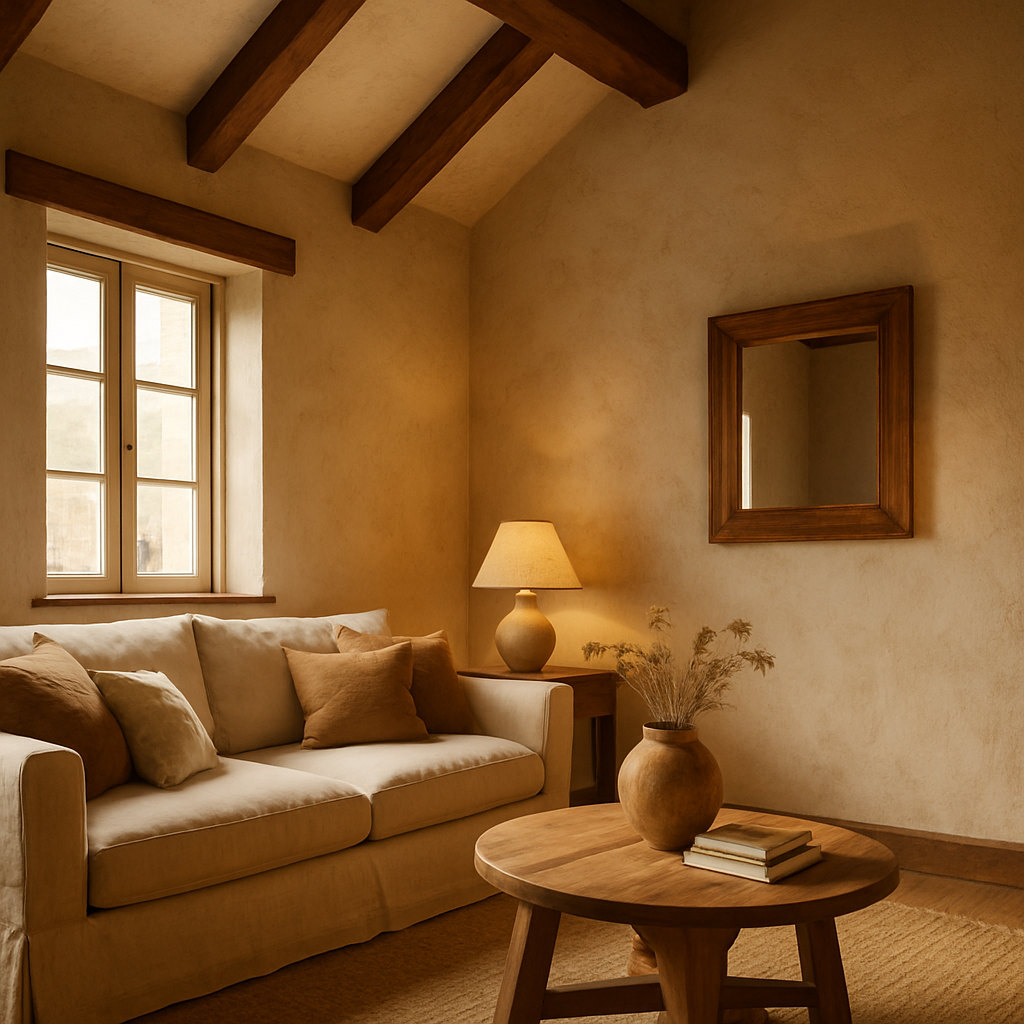
Another foundational trend is the idea of "quiet luxury," which focuses on understated elegance and quality over ostentation. This style often features neutral color palettes, high-quality materials, and carefully curated furnishings. Experienced professionals often note that quiet luxury is about creating a serene, clutter-free environment that speaks to sophistication without shouting it.
Lastly, smart home integration is becoming not just a convenience but a necessity. Automated lighting, climate control, and window treatments are just the beginning. As NCIDQ (National Council for Interior Design Qualification) certified designers often suggest, the key is to integrate these technologies seamlessly into the design, so they enhance rather than distract from the overall aesthetic. Understanding these foundational concepts sets the stage for exploring deeper trends and strategies.
Deeper Analysis: Data-Driven Design Choices
When it comes to interior design, data plays a surprisingly pivotal role in shaping trends. For instance, Houzz's annual surveys reveal that 75% of homeowners who invest in redesigns prioritize functionality and aesthetics equally. This statistic underscores the trend towards practical yet beautiful spaces. Homeowners are increasingly seeking designs that accommodate their daily activities while maintaining visual appeal.
Another intriguing data point from the ASID indicates that sustainable materials are more than a fleeting trend; they're becoming a staple in modern design. Approximately 60% of surveyed interior designers report an uptick in demand for reclaimed wood, recycled metals, and other eco-friendly materials. This shift not only reflects growing environmental consciousness but also offers unique textures and stories that enrich a home's narrative.
Moreover, industry surveys suggest that the integration of technology, particularly AR/VR tools, is revolutionizing the design process. These tools allow clients to visualize their spaces in 3D before any physical changes occur, leading to higher satisfaction rates and fewer costly adjustments. As you consider your next project, how might these data-driven insights inform your design decisions? The next section will offer actionable strategies to apply these insights to your home.
Actionable Strategies for Infusing Trending Styles
Now that you understand the trends and underlying data, how can you apply these insights to your own home? Start by assessing your space for opportunities to integrate biophilic elements. Could a living wall or strategically placed indoor plants enhance your environment? According to IIDA, even small touches of greenery can significantly improve air quality and mood.
For those interested in quiet luxury, consider decluttering your space. Begin by identifying items that don't serve a functional or aesthetic purpose and remove them. Invest in high-quality pieces that offer comfort and style-think plush area rugs, soft textiles, and elegant lighting fixtures. Remember, the goal is to create a space that feels effortlessly luxurious.
Finally, explore smart home solutions that align with your lifestyle. If you're tech-savvy, consider integrating a smart hub that controls lighting, security, and climate with a single app. Platforms like Alexa or Google Home offer user-friendly interfaces that make it easy to manage your home's systems. As you implement these strategies, maintain a balance between trendiness and personal style to ensure your home remains uniquely yours.
Expert Insights: Beyond the Basics
To truly master the art of infusing trending styles, it's essential to delve into expert-level insights. Certified interior designers, such as those with NCIDQ credentials, emphasize the importance of a cohesive design narrative. This involves ensuring that each room tells a part of a larger story, whether through a consistent color scheme, recurring textures, or thematic elements.
Another professional tip is to focus on lighting, which can dramatically alter the ambiance of a room. Layered lighting-combining ambient, task, and accent lights-offers flexibility and depth. According to Architectural Digest's AD PRO network, lighting is one of the most cost-effective ways to transform a space, offering both functional and aesthetic benefits.
Furthermore, consider the strategic use of mirrors to enhance natural light and create the illusion of space. Experienced professionals often suggest placing mirrors opposite windows or light sources to maximize their effect. By incorporating these expert insights, you can elevate your home's design from simply following trends to setting them.
Additional Depth: Exploring Design Phases
Designing a home that aligns with 2026 trends involves more than simply choosing the right elements; it's about understanding the phases of a design project. The process typically begins with concept development, where the overall vision and style are established. This phase is crucial, as it sets the tone for the entire project and ensures that all subsequent decisions support the desired aesthetic.
Next comes the design presentation, where ideas are translated into visual plans. This stage often involves mood boards, sketches, and digital renderings, allowing you to see how various elements will come together. Platforms like Pinterest and Houzz are invaluable at this stage for gathering inspiration and refining your vision.
The final phases-procurement, installation, and styling-bring the project to life. Procurement involves sourcing materials and furniture, often through a mix of retail and custom orders. Installation is where the physical transformation happens, followed by styling, which adds the finishing touches through art, accessories, and personal items. Understanding these phases helps streamline the process and ensures a cohesive end result.
Final Perspectives: Embracing the Future of Design
As you embark on your design journey, remember that trends are not prescriptions; they are inspirations. Use them as a framework to explore what resonates with you and reflects your personal style. Consider how elements like biophilic design, quiet luxury, and smart home technology can enhance your lifestyle and well-being.
It's also important to remain flexible and open to change. The best designs are those that evolve over time, adapting to new trends and personal growth. By staying informed and curious, you can continue to infuse your home with fresh ideas and styles. How will you embrace the future of interior design in your space? Let your creativity guide you.
Conclusion: Bringing It All Together
Incorporating trending interior design styles into your home is more than an aesthetic endeavor-it's an opportunity to enhance your quality of life. From understanding foundational concepts to exploring expert insights and actionable strategies, you now have a comprehensive roadmap to transform your space. As you consider your next steps, start by browsing designer portfolios on platforms like Houzz or engaging with professionals through ASID. Even dedicating 20 minutes a week to research can sharpen your eye for what you want.
Ultimately, the goal is to create a home that not only looks beautiful but feels like a true reflection of you. Embrace the trends that speak to you, adapt them to your needs, and watch as your home becomes a haven of style and comfort. Ready to take the first step? Start exploring today and let your design journey begin.


Comments
Post a Comment