Transform Your Space: 10 Must-Have Elements for Stunning House Interior Design
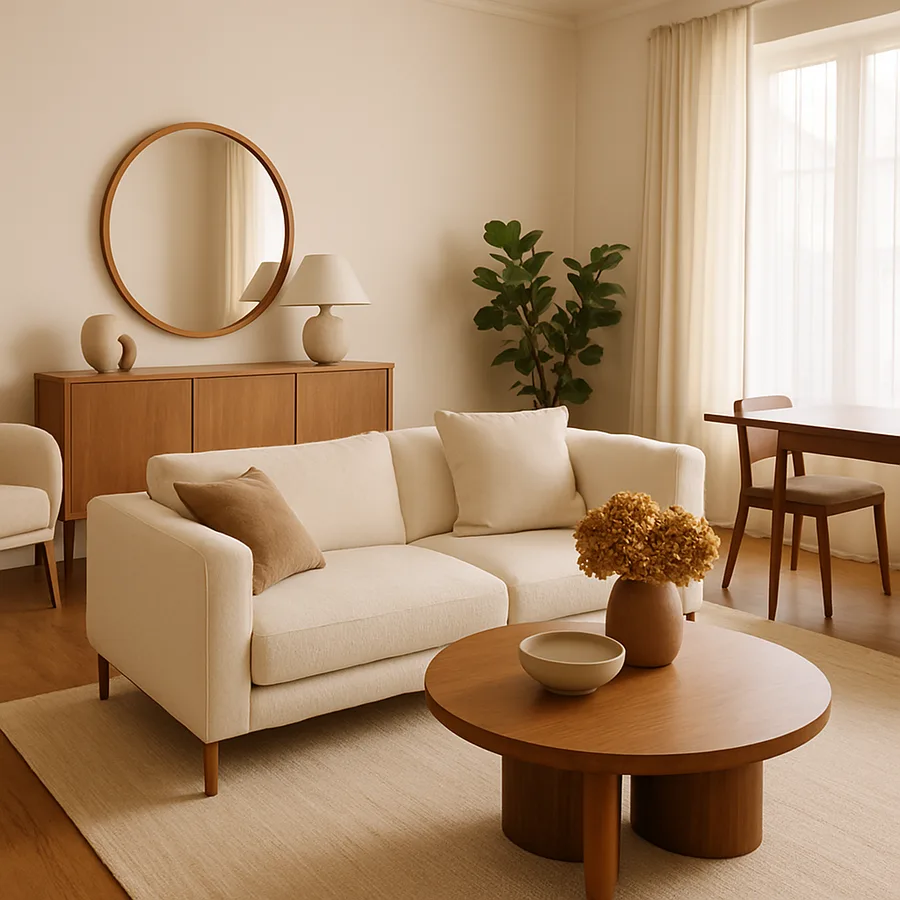
Have you ever walked into a room and felt instantly at peace, enveloped by beauty and functionality that seem effortlessly intertwined? Achieving this level of stunning house interior design is no coincidence. It's the result of carefully curated elements that work together to create harmony and aesthetic appeal. According to a survey by Houzz, a well-designed interior can boost home resale value by 5-15%. In this article, we will explore 10 must-have elements that can transform your space into a visual masterpiece. From foundational principles to expert-level details, you'll gain insight into creating a home that not only looks good but feels right.
The Foundation of Stunning Design: Balance and Proportion
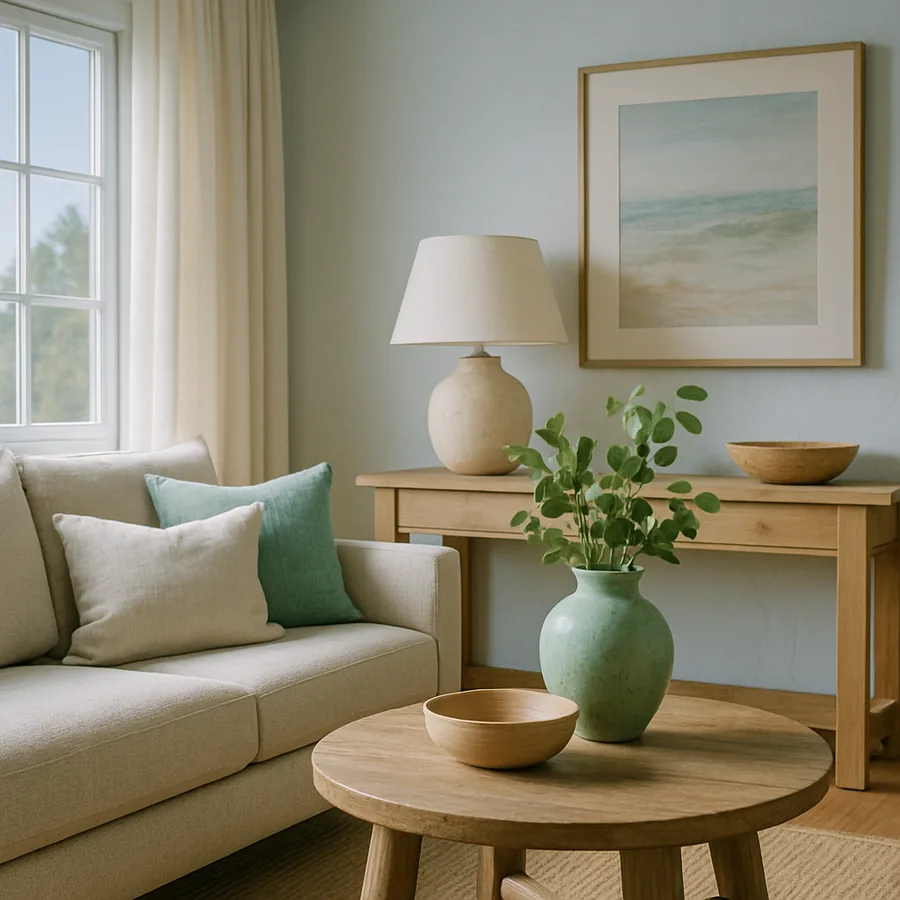
The first step towards achieving stunning house interior design lies in understanding the foundational concepts of balance and proportion. Balance in interior design refers to the even distribution of visual weight in a room, which can be symmetrical, asymmetrical, or radial. Symmetrical balance is often seen in traditional interiors where the space is evenly split into two matching halves. Asymmetrical balance, meanwhile, offers a more dynamic and interesting visual appeal, achieved through the careful arrangement of varied elements. Radial balance radiates out from a central point, often seen in round dining tables or circular seating arrangements.
Proportion refers to the relationship between the size of different elements within a space. It's crucial to ensure that furniture and decor items are in proportion to the size of the room. For instance, an oversized sectional can overwhelm a small living room, whereas a petite loveseat might look lost in a grand space. According to design experts at the International Interior Design Association (IIDA), maintaining proper proportion helps to create a cohesive and visually pleasing environment. When balance and proportion are achieved, the room will feel just right, neither too crowded nor too sparse.
But why do balance and proportion matter to you? They are essential in creating a space that feels harmonious and comfortable. Imagine entering a room where everything seems to fit perfectly; there's a sense of calm and order that immediately puts you at ease. By mastering these foundational concepts, you'll set the stage for a stunning design that invites both admiration and relaxation.
Color and Texture: Crafting a Rich Palette
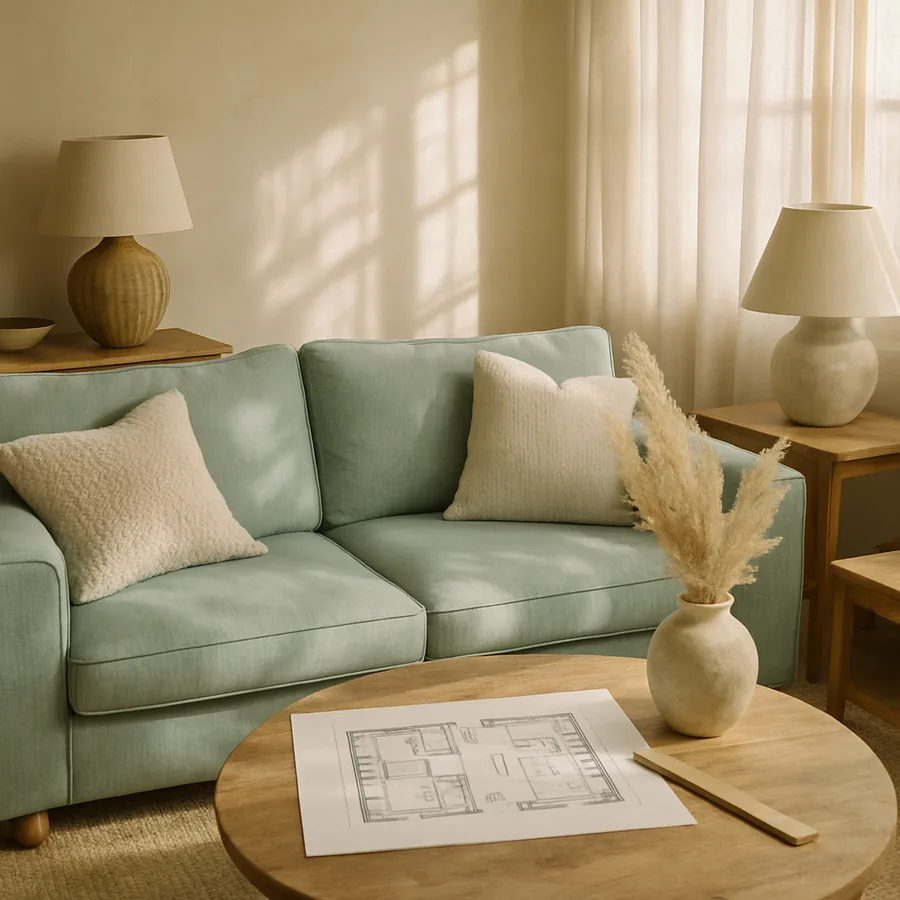
Color and texture are powerful tools in the designer's arsenal, capable of transforming any space with depth and character. When used strategically, they can highlight architectural features, evoke specific moods, and even alter perceptions of size and light. According to the American Society of Interior Designers (ASID), color can impact emotions and behavior, making it a critical component in creating a stunning interior.
Consider how a bold accent wall can draw attention and energize a room, while soft, neutral hues create a serene backdrop. Experienced professionals often note that textures add another layer of interest. For example, a velvet sofa adds luxury, while a sisal rug introduces an organic touch. The interplay of smooth, hard surfaces with soft, tactile fabrics can transform a flat space into a dynamic one.
But how do you choose the right colors and textures for your home? Start by considering the function of each room and the emotions you want to evoke. Is it a cozy reading nook or a vibrant entertaining space? Layering textures and carefully selecting colors can help you achieve the desired atmosphere. Ultimately, a well-crafted palette of color and texture will ensure your space feels both cohesive and inviting.
Lighting: The Unsung Hero of Interior Design
Lighting is often overlooked, yet it is a crucial element in achieving stunning house interior design. It not only illuminates the space but also highlights design features, creates ambiance, and influences mood. The right lighting plan incorporates natural light, ambient lighting, task lighting, and accent lighting to create a balanced and functional environment.
Natural light is your best friend and should be maximized wherever possible. Consider the placement of windows, the use of mirrors to reflect light, and the selection of window treatments that allow light to filter in. On the other hand, ambient lighting provides overall illumination, while task lighting focuses on specific areas for activities such as reading or cooking. Accent lighting adds drama by highlighting architectural details or artwork.
How can you ensure your lighting plan enhances your interior design? Start by assessing the natural light available in each room and decide how you want to supplement it with artificial lighting. Experiment with different types of fixtures, such as chandeliers, pendant lights, or recessed lighting, to achieve the desired effect. Remember, a well-lit room not only looks better but also feels more comfortable and welcoming.
Furniture: Form Meets Function
Furniture plays a pivotal role in interior design, serving both practical and aesthetic purposes. The right pieces can define a space, provide comfort, and reflect personal style. However, selecting furniture involves more than just choosing what looks good. It requires careful consideration of scale, function, and cohesion with the overall design theme.
Begin by mapping out how you actually use each room - where you drop your keys, where the kids do homework, where you collapse at the end of the day. This practical approach ensures that your furniture not only fits well but also enhances the functionality of the space. The National Council for Interior Design Qualification (NCIDQ) suggests considering the flow of movement and ensuring that furniture arrangements facilitate easy navigation and access.
Once you have identified your needs, consider investing in quality pieces that offer longevity and versatility. Look for furniture that can adapt to different styles and settings over time. Remember, a well-furnished room is not just about aesthetics; it's about creating a space that works for you and your lifestyle.
Personal Touches: Infusing Character and Style
No interior design is complete without personal touches that reflect the personality and interests of the occupants. These elements add character and make a house feel like a home. From family photographs to travel souvenirs, these items can tell a story and create a unique, inviting environment.
Consider displaying a curated collection of books or art that resonates with you. These elements not only enhance the visual appeal but also serve as conversation starters. According to Houzz, personalized design elements significantly increase homeowner satisfaction, as they create a deeper connection with the space.
However, it's important to strike a balance between personalization and clutter. Select a few meaningful pieces and arrange them thoughtfully to maintain a clean and polished look. By intentionally incorporating personal touches, you ensure that your home is a true reflection of who you are, exuding warmth and authenticity.
Final Perspectives: Bringing It All Together
As you embark on your journey to transform your space, remember that stunning house interior design is a harmonious blend of various elements. From balance and proportion to personal touches, each component plays a vital role in creating a cohesive and inviting environment.
Consider engaging with professionals or utilizing platforms like Houzz for inspiration and guidance. Collaborating with certified designers, such as those credentialed by the ASID or NCIDQ, can provide additional expertise and assurance in achieving your design goals.
Ultimately, the key to a successful interior design is to create a space that not only looks beautiful but also feels right for you. By thoughtfully incorporating each of these elements, you'll be well on your way to transforming your home into a stunning sanctuary.
Conclusion: Take the First Step to Transform Your Space
In summary, achieving stunning house interior design involves a careful balance of foundational concepts, strategic use of color and texture, effective lighting, functional furniture, and personalized touches. Each element plays a crucial role in crafting a space that is both visually and emotionally satisfying.
Are you ready to start your design journey? Begin by assessing your current space and identifying areas for improvement. Consider seeking inspiration from online platforms or consulting with a professional to refine your vision. Start by browsing portfolios on Houzz this week - even 20 minutes of research will sharpen your eye for what you want. Taking these initial steps will set you on the path to creating a home that truly reflects your style and enhances your everyday living experience.
More Articles You May Like



Comments
Post a Comment