10 Must-Have Elements for a Stunning House Interior Design in 2023
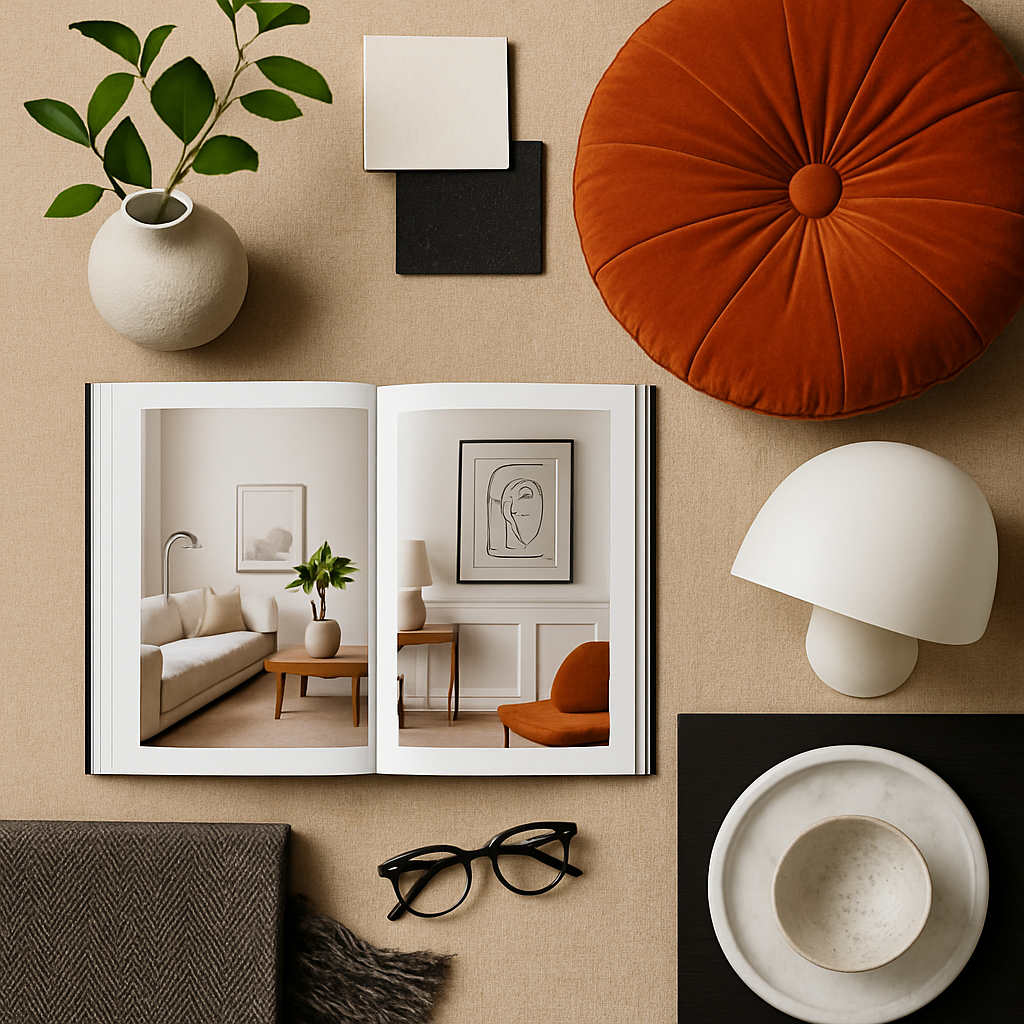
Imagine walking into a home that not only takes your breath away with its beauty but also cleverly enhances daily living through thoughtful design. According to a recent survey by Houzz, 34% of homeowners plan to redecorate within the next two years, seeking both aesthetic appeal and functional improvements. With 2023 ushering in a fresh wave of interior design trends, understanding the essential elements that create a stunning house interior is crucial. This article explores ten must-have elements, from foundational concepts to expert-level details, ensuring your home not only looks beautiful but also feels uniquely yours. We begin by laying the groundwork with key design principles, delve into deeper analyses with supporting data, and then provide actionable strategies to bring these elements to life.
Foundational Design Concepts
At the heart of any stunning interior design lies a strong foundation. This begins with a clear understanding of your space's purpose and flow. Mapping out how you actually use each room can reveal invaluable insights-consider where you drop your keys, where the kids do their homework, and where you unwind. This clarity helps establish the room's functionality, ensuring that the design supports your lifestyle rather than complicates it.
Incorporating the principle of balance is another critical foundational concept. Balance can be achieved through symmetrical arrangements or by using contrasting elements to create visual interest. Experienced professionals often note that balance in design leads to a sense of harmony, making spaces feel inviting and comfortable. For instance, a room with a large sofa on one side might be balanced by a cluster of chairs or a striking piece of art on the opposite wall.
Finally, consider the importance of scale and proportion in your design. These principles ensure that furniture and decor elements are appropriately sized for the room, avoiding the common pitfall of overcrowding. According to the American Society of Interior Designers (ASID), achieving the right scale and proportion can significantly enhance the perception of space, making even smaller rooms feel expansive. Understanding these foundational concepts paves the way for more detailed design elements.
Analyzing Trends with Supporting Data
With foundational concepts in place, it's time to explore the current trends shaping interior design in 2023. Biophilic design, which emphasizes natural materials and a seamless indoor-outdoor flow, has gained significant traction. Houzz reports a 25% increase in searches for biophilic design elements, highlighting a growing desire to bring nature into our homes. This trend not only enhances aesthetic appeal but also promotes well-being, with studies suggesting that natural elements can reduce stress and improve mood.
Another prominent trend is the integration of smart home technology. Automated lighting, climate control, and window treatments are becoming standard features in modern interiors. According to a survey by Architectural Digest's AD PRO network, 45% of designers now incorporate smart technology into their projects. This integration offers convenience and efficiency, allowing homeowners to control various aspects of their environment with ease.
Sustainability remains a key focus, with a notable increase in the use of reclaimed and eco-friendly materials. The International Interior Design Association (IIDA) emphasizes that sustainable design is not just a trend but a necessity. Homeowners are increasingly choosing materials that minimize environmental impact, such as reclaimed wood and recycled metal, which also add unique character to the design. As we move forward, these data-backed trends provide a blueprint for incorporating modern elements into your home.
Actionable Strategies for Implementation
Translating design concepts and trends into tangible action is where the magic happens. Start by creating a vision board, utilizing platforms like Pinterest and Instagram for inspiration. Curate images that resonate with your personal style and the trends you wish to incorporate. This visual roadmap will guide your design decisions, ensuring a cohesive and intentional outcome.
Next, consider engaging a certified interior designer, especially for complex projects. Designers with NCIDQ (National Council for Interior Design Qualification) certification bring an authoritative level of expertise, ensuring both aesthetic and functional excellence. Their insights into space planning, color theory, and material selection can be invaluable, particularly when dealing with challenging spaces or specialized installations.
Finally, allocate your budget wisely. A single room redesign can range from $5,000 to $15,000, while full-home projects may require an investment of $50,000 to $150,000 or more. Prioritize elements that offer the greatest impact, such as quality furniture and bespoke fittings. Remember, well-designed interiors can yield a 5-15% increase in resale value, making your investment worthwhile. With these strategies, you can effectively transform your design vision into reality.
Expert-Level Considerations
For those seeking to elevate their interiors to an expert level, understanding the nuances of design is essential. Lighting, often overlooked, is a powerful element that can dramatically alter the mood and functionality of a space. Layered lighting, combining ambient, task, and accent lighting, allows for flexibility and ambiance control. Consider incorporating dimmers and smart bulbs to easily adjust the lighting to suit different occasions.
Additionally, the art of mixing and matching textures plays a critical role in creating depth and interest. Combining materials such as wood, metal, glass, and textiles can add a tactile richness to a room. For instance, pairing a sleek leather sofa with a soft wool throw, or a polished marble countertop with rustic wooden cabinets, can create a harmonious balance between different textures.
Moreover, color theory is a powerful tool in the designer's arsenal. Color can influence mood and perception significantly, making it crucial to choose a palette that aligns with the desired atmosphere of each room. Consider the psychological effects of colors-blues for calmness, greens for relaxation, and yellows for energy. By thoughtfully integrating these expert-level considerations, you can create a space that is both visually stunning and emotionally resonant.
Additional Depth: Personalizing Your Space
Personalization is the final layer that transforms a house into a home. Incorporating personal artifacts, such as family photos, travel souvenirs, or cherished artwork, infuses character and warmth into the design. These personal touches not only tell a story but also create a unique and inviting environment that reflects your personality.
In addition to decor, consider how custom elements can enhance the functionality of your space. Built-in shelving, bespoke cabinetry, or a custom-designed reading nook can cater to your specific needs, providing both practicality and style. Such elements often become focal points that add interest and elevate the overall design.
Finally, remember that a home is an evolving space. As your lifestyle and tastes change, so too should your interiors. Regularly reassess your design choices, swapping out decor or reconfiguring layouts to keep the space fresh and aligned with your current preferences. By consistently personalizing and updating your space, you maintain a home that is not only beautiful but also deeply meaningful.
Final Perspectives on Stunning House Interiors
As we conclude, let's revisit the core components that contribute to a stunning house interior in 2023. It involves a blend of foundational design principles, current trends, and personal touches. Each element plays a vital role in crafting a space that is both aesthetically pleasing and functionally sound. The journey of interior design is as much about the process as it is about the end result.
Have you considered how these elements could transform your own home? Whether you're starting from scratch or simply refreshing your current space, these insights provide a comprehensive roadmap for creating interiors that resonate with modern sensibilities while remaining timeless. As you embark on this journey, remember that successful design is about creating spaces that feel uniquely yours.
Ready to take the next step in your interior design journey? Start by browsing portfolios on platforms like Houzz and Pinterest this week-even 20 minutes of research will sharpen your eye for what you want. With the right foundation and inspiration, your dream home is closer than you think.



Comments
Post a Comment