Top Benefits of Earning an Online Interior Design Degree for Future Success
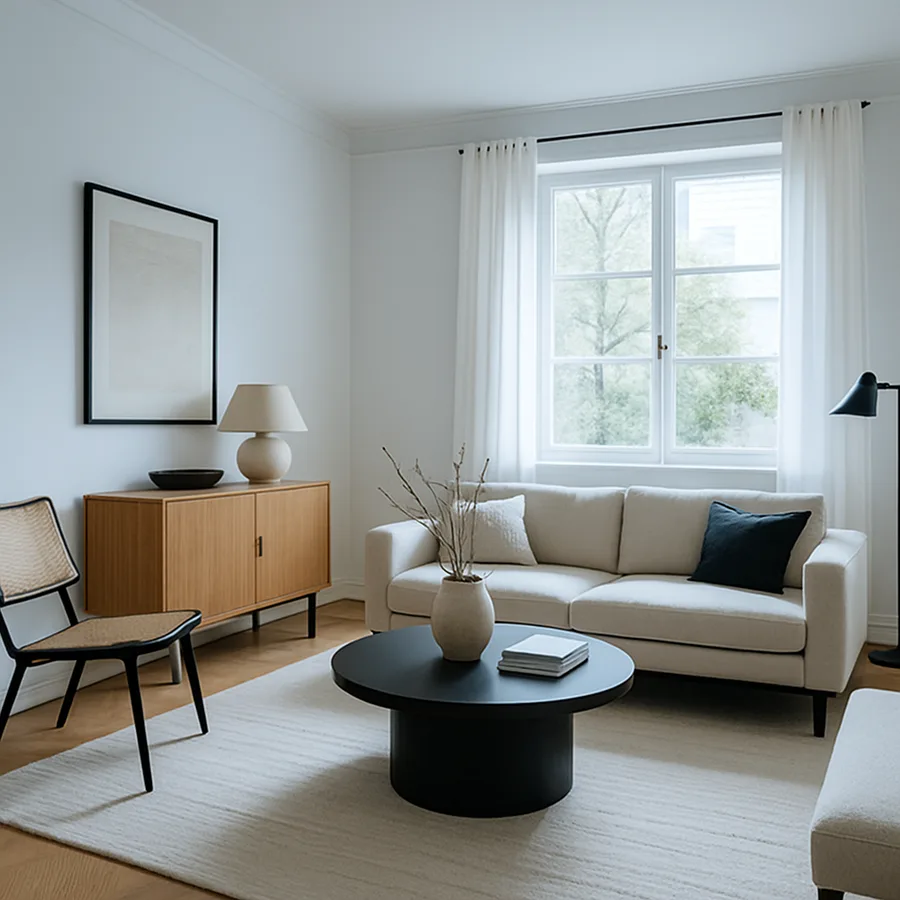
Are you passionate about transforming spaces and creating aesthetically pleasing environments? Imagine being able to channel that passion into a professional career without uprooting your current lifestyle. The world of interior design is vast, and the demand for skilled designers continues to grow. According to the U.S. Bureau of Labor Statistics, employment in the interior design field is projected to grow by 4% over the next decade. This demand is fueled by the increasing importance of creating functional and beautiful spaces in both residential and commercial settings. But how do you get the necessary qualifications without sacrificing your time and current commitments? The solution lies in earning an online interior design degree, a pathway that offers flexibility, convenience, and a host of other benefits that can set you up for long-term success.

Why This Problem Matters
The traditional route to becoming an interior designer often involves enrolling in a brick-and-mortar institution, which requires significant time, financial investment, and geographical flexibility. However, not everyone has the luxury to relocate or pause their current life commitments to pursue an education. This limitation creates a barrier for many aspiring designers who might otherwise excel in the field. Furthermore, the financial burden associated with attending a physical institution can be daunting. According to College Board data, the average cost for a private college is over $35,000 per year, a significant investment that can deter many from pursuing their dreams.
Moreover, the interior design industry is constantly evolving, with new trends and technologies emerging regularly. This dynamic nature requires designers to stay updated with the latest skills and knowledge. An online degree program can offer ongoing access to current trends and tools, enabling students to stay ahead in the industry. For instance, contemporary design software and AR/VR visualization tools are becoming essential in the design process, and online programs often provide up-to-date training on these technologies.
Ultimately, the problem of accessing quality education in interior design is significant because it limits the pool of potential designers who can contribute fresh ideas and perspectives to the industry. By understanding and addressing this issue, we can open doors to a more diverse and innovative future in interior design. This sets the stage for exploring the root causes of the problem and potential solutions.
Understanding the Root Causes
The first major barrier is financial. Traditional degree programs often come with hefty tuition fees, coupled with additional costs for commuting, accommodation, and materials. This financial strain can be prohibitive for those who are already managing personal or familial responsibilities. Additionally, scholarships and financial aid can be limited, leaving many students to rely on loans that add to future debt burdens.
Geographic limitations also play a crucial role. Not every aspiring designer lives near a reputable design school, and relocating to a city with such a school may not be feasible due to personal or professional commitments. This lack of access can prevent many talented individuals from pursuing a degree in interior design, stifling potential creativity and innovation in the field.
Finally, time constraints are a significant factor. Many individuals interested in interior design are working professionals or have family obligations that make attending scheduled classes challenging. Traditional programs often require a fixed schedule that doesn't accommodate the varying needs of adult learners. This inflexibility can deter potential students from enrolling, as they struggle to balance their existing responsibilities with their educational aspirations.
Understanding these root causes highlights why alternative education pathways, such as online degrees, are gaining traction and how they can effectively address these barriers.
Solution #1: Flexibility and Accessibility of Online Programs
Online interior design degree programs offer unparalleled flexibility and accessibility. Unlike traditional programs, online courses allow students to learn at their own pace and on their own schedule. This flexibility means that you can continue working or manage family responsibilities while pursuing your education. Additionally, online programs often have lower tuition costs, and you can save on commuting and housing expenses, making them a more economical choice.
Many reputable institutions now offer accredited online interior design degrees. For instance, the Accrediting Council for Interior Design Accreditation (CIDA) ensures that programs meet high standards of quality and rigor. This accreditation provides assurance to potential employers that graduates have received a comprehensive education. Furthermore, platforms like Houzz offer access to a wide range of design resources and communities, allowing students to engage with real-world projects and professional networks.
Importantly, online programs also provide access to the latest design tools and software. For example, many courses incorporate training in industry-standard software like AutoCAD and SketchUp, which are crucial for modern design work. By gaining proficiency in these tools, you can enhance your skill set and increase your employability. The flexibility and accessibility of online programs, therefore, present a compelling solution to the educational barriers faced by aspiring interior designers.
Solution #2: Advanced Learning Technologies and Resources
Beyond flexibility, online interior design programs leverage advanced learning technologies that enhance the educational experience. Many programs use virtual reality (VR) and augmented reality (AR) tools to simulate real-world design scenarios. These technologies allow students to visualize and manipulate design elements in a virtual space, providing a hands-on learning experience that is both engaging and practical.
Moreover, online platforms often provide extensive digital libraries and databases, giving students access to a wealth of design resources. For example, students can explore a vast array of design styles, historical references, and case studies through platforms like Architectural Digest. These resources support a comprehensive understanding of both contemporary and traditional design principles, broadening the educational scope beyond what might be available in a single physical location.
Online programs also foster community and collaboration through discussion forums, group projects, and networking opportunities. These interactions are crucial for developing the soft skills necessary for a successful career in interior design, such as communication, teamwork, and problem-solving. By utilizing advanced technologies and resources, online programs provide a rich and interactive learning environment that can rival traditional classroom settings.
Comparing Your Options
When contemplating an online interior design degree, it's essential to weigh the pros and cons of different educational pathways. Traditional programs offer face-to-face interaction and access to physical resources, which can be beneficial for hands-on learning. However, they often come with higher costs and less flexibility, making them less accessible for many prospective students.
In contrast, online programs provide the flexibility to learn at your own pace and often at a reduced cost. According to a survey by the American Society of Interior Designers (ASID), nearly 60% of designers believe that online education can adequately prepare students for professional practice. This confidence in online education underscores its growing acceptance and effectiveness in the industry.
However, the decision ultimately depends on your personal circumstances and career goals. Consider factors such as your current obligations, financial situation, and learning preferences. Would the structure and potential networking opportunities of a traditional program outweigh the flexibility and cost savings of an online degree for you? By carefully evaluating these options, you can make an informed decision that aligns with your aspirations and lifestyle.
Implementation Guide
Embarking on the journey to earn an online interior design degree requires thoughtful planning and commitment. Start by researching accredited programs that align with your career goals. Look for programs that offer comprehensive curricula covering essential design principles, software training, and trend analysis. A resource like the NCIDQ website can help you identify reputable programs that meet industry standards.
Once you've shortlisted potential programs, reach out to admissions advisors to discuss your options and ask specific questions about course content, program structure, and career support. Take advantage of any trial classes or open days offered online to get a feel for the teaching style and community. This proactive approach will ensure that you select a program that fits your learning style and professional needs.
Finally, create a study schedule that accommodates your current responsibilities while allowing for consistent progress. Set realistic goals and milestones, and engage actively with online communities and resources. This engagement will enhance your learning experience and help you build a professional network that can support your career development. By following these steps, you can successfully integrate an online interior design degree into your life and set the foundation for future success.
Conclusion
In conclusion, earning an online interior design degree offers numerous benefits, from flexibility and cost savings to access to advanced technologies and networking opportunities. This educational pathway provides a viable solution for overcoming the traditional barriers of time, cost, and location, making it an appealing choice for many aspiring designers. Whether you are balancing work, family, or other commitments, an online degree can pave the way for a successful career in interior design.
Are you ready to take the next step in your interior design journey? Start by browsing accredited programs and exploring your options. Even dedicating just an hour a week to research can make a significant difference in your decision-making process. Embrace this opportunity to transform your passion for design into a fulfilling career by leveraging the flexibility and resources available through online education.

More Articles You May Like


Comments
Post a Comment