How an Online Interior Design Degree Can Elevate Your Career Prospects
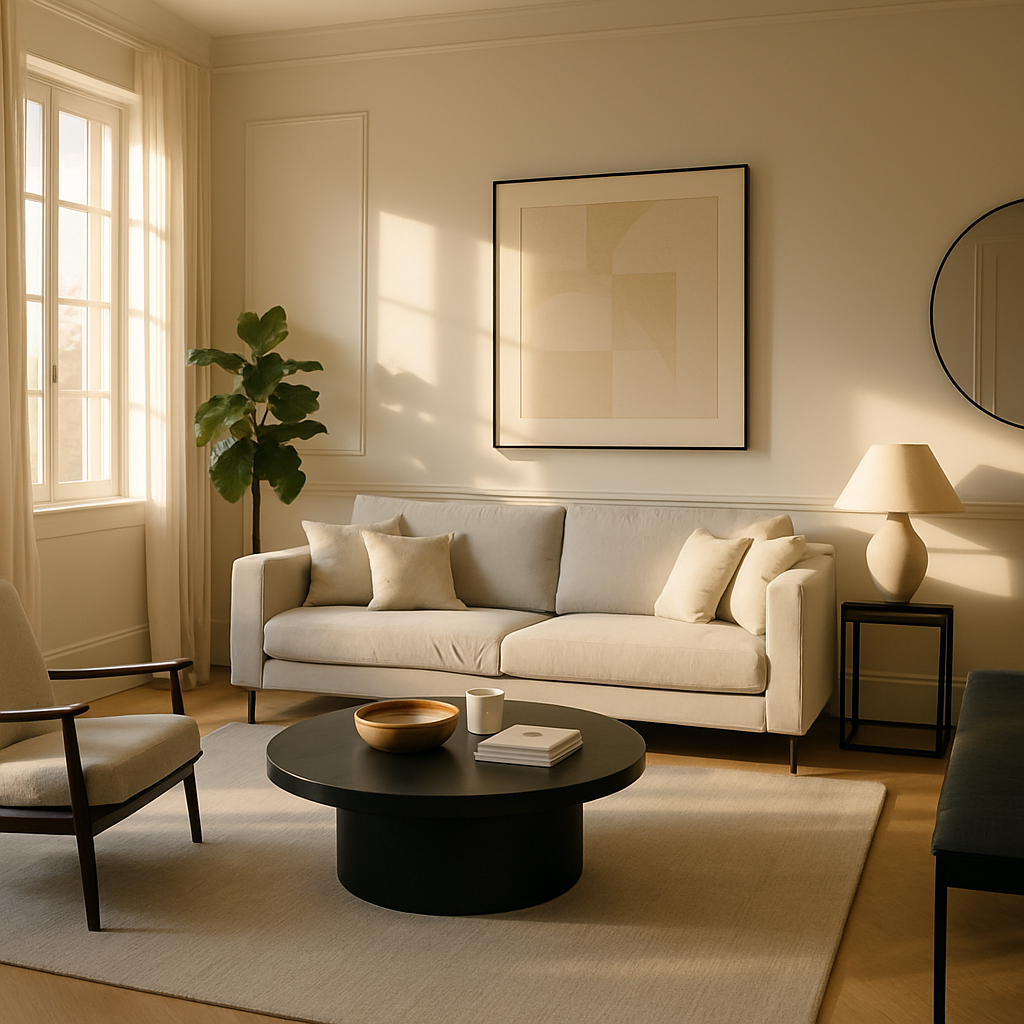
Imagine being able to transform a mundane space into a stunning sanctuary, all while advancing your career from the comfort of your home. According to industry surveys, interior designers with formal education can earn up to 20% more than those without. Obtaining an online interior design degree not only enhances your skills but also significantly boosts your career prospects. This article will explore the foundational benefits of an online degree, delve into the data supporting its value, outline actionable strategies for success, offer expert-level insights, and provide additional depth on how to maximize your education.
The Foundations of an Online Interior Design Degree
Online interior design degrees offer a flexible way to gain formal education, which is crucial in a field where credentials can significantly impact career growth. The NCIDQ (National Council for Interior Design Qualification) is considered the gold standard in the industry, and obtaining such a credential often requires a formal education. Online programs provide the foundational knowledge necessary to pursue such certifications, including critical topics like color theory, spatial planning, and sustainable design.
One of the primary benefits of online education is its flexibility. You can study at your own pace, making it easier to balance other commitments such as work or family. This flexibility is particularly appealing to those who are already working in the industry but want to formalize their skills to open up new opportunities or transition into more specialized roles. Furthermore, many online programs offer the same curriculum and resources as traditional in-person programs, ensuring that you receive a comprehensive education.
Cost is another significant advantage of pursuing an online degree. Traditional university courses often come with hefty tuition fees, housing costs, and commuting expenses. In contrast, online programs tend to be more affordable, allowing you to invest in further educational resources or start building your portfolio. With the right program, you can gain a competitive edge without breaking the bank. As we move to a deeper analysis, it's essential to understand how these programs stack up in terms of career impact.
Analyzing the Value: Data and Insights
According to a study published by the American Society of Interior Designers (ASID), professionals with formal education report higher job satisfaction and more career advancement opportunities. This is especially true for those who hold credentials like the NCIDQ, which is often a requirement for senior roles. An online interior design degree can be a crucial stepping stone towards achieving these credentials, thus enhancing career prospects.
Data from Houzz's annual survey indicates that over 70% of homeowners are willing to pay a premium for designers with formal qualifications. This statistic underscores the growing consumer preference for certified professionals, which in turn elevates the demand for those with an academic background. Having an online degree allows you to meet this demand efficiently and effectively.
Another key data point is the financial return on investment. A well-designed interior is reported to increase property values by 5-15%, making skilled designers a valuable asset in real estate. By obtaining a degree, you not only enhance your design skills but also position yourself as a more attractive candidate for lucrative projects. These statistics highlight the tangible benefits of education, setting the stage for actionable strategies to pursue an online degree.
Actionable Strategies for Success
Are you ready to take your interior design career to the next level? Start by researching accredited online programs that align with your career goals. Platforms like Pinterest and Instagram can be invaluable for portfolio building, offering inspiration and showcasing your creativity to potential clients or employers. Many successful designers recommend maintaining an active presence on these platforms to gain visibility and connect with industry professionals.
Another strategy is to leverage technology to your advantage. Many online programs offer access to cutting-edge tools such as AR/VR room visualization, which can enhance your design presentations and improve client interactions. Familiarizing yourself with these tools can set you apart from the competition, demonstrating your ability to incorporate modern technology into your work.
Networking is also crucial. Join professional organizations like the International Interior Design Association (IIDA) to expand your connections. These networks often provide access to exclusive job boards, professional development resources, and industry events. By actively participating in such communities, you can stay informed about the latest trends and opportunities, further enhancing your career prospects. With these strategies in mind, let's explore expert-level insights that can further elevate your educational journey.
Expert Insights: What Professionals Say
Experienced professionals often note that the most successful designers are those who continuously seek out learning opportunities. This mindset is particularly important in an industry that is constantly evolving with new trends and technologies. The rise of biophilic design and smart home integration are prime examples of trends that require ongoing education to master.
Many experts emphasize the importance of understanding the business side of design. Online programs often include courses on project management, marketing, and client relations, equipping you with the skills needed to run a successful practice. Understanding these elements is crucial for those who aspire to establish their own design firms.
Another insight from seasoned designers is the value of mentorship. While online programs provide comprehensive academic instruction, having a mentor can offer practical, real-world insights that are invaluable. Consider reaching out to alumni networks or professional organizations to find a mentor who can guide you through the nuances of the industry. As we move into additional depth, these expert insights will provide a solid foundation for further exploration.
Additional Depth: Maximizing Your Educational Journey
To truly maximize the benefits of an online interior design degree, it's important to actively apply what you learn. Consider taking on freelance projects or internships to gain practical experience. This not only solidifies your learning but also enhances your portfolio, making you more attractive to potential employers or clients.
Another way to deepen your education is by staying current with industry publications such as Architectural Digest's AD PRO. These resources offer insights into the latest design trends, case studies, and interviews with leading designers. By regularly engaging with such content, you can stay ahead of the curve and continuously refine your skills.
Finally, consider specializing in a niche area of design to further elevate your career prospects. Whether it's sustainable design, luxury interiors, or commercial spaces, specializing allows you to hone your skills and cater to a specific market segment. This focus can lead to higher-paying opportunities and a stronger professional reputation. As we conclude, consider how these additional strategies can complement your educational journey.
Final Perspectives: Looking Forward
Pursuing an online interior design degree offers numerous advantages, from flexibility and affordability to enhanced career prospects. However, the true value lies in how you leverage this education to further your career. The strategies and insights provided in this article are designed to help you maximize your investment and achieve your professional goals.
As you consider your next steps, ask yourself: How will you apply the knowledge gained from your degree to stand out in a competitive market? What unique perspective can you bring to your projects that will resonate with clients and peers alike? By reflecting on these questions, you can chart a clear path forward.
In summary, an online interior design degree can be a powerful catalyst for career advancement, offering the tools and knowledge necessary to thrive in a dynamic industry. Start by browsing portfolios on platforms like Houzz this week-even 20 minutes of research will sharpen your eye for what you want.
More Articles You May Like



Comments
Post a Comment