Top 5 Benefits of Earning Your Interior Design Degree Online
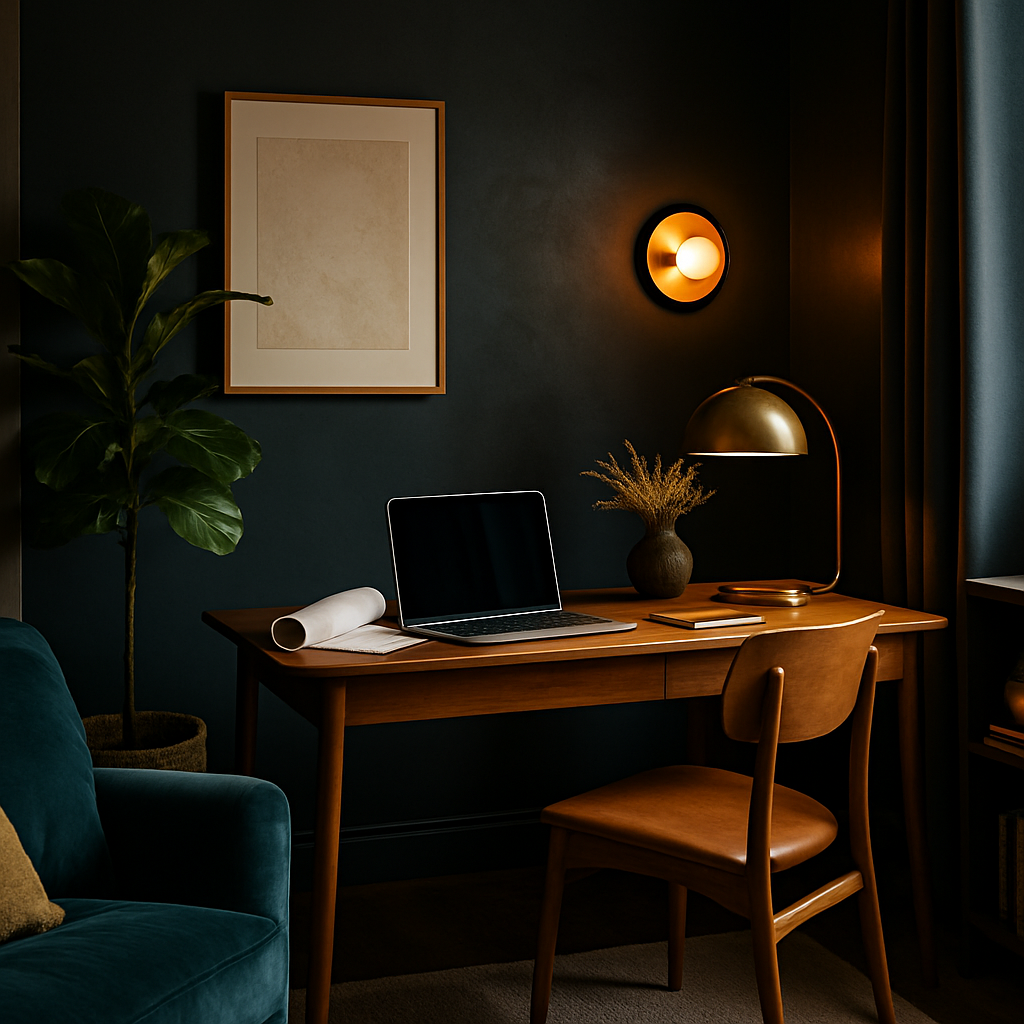
Did you know that the demand for interior designers is projected to grow by 4% over the next decade, according to the Bureau of Labor Statistics? As the industry evolves with technological advancements and design trends, earning an interior design degree has never been more appealing - or more accessible. The rise of online education platforms has made it possible to earn your degree from the comfort of your home, offering flexibility and access to top-tier programs without the need for geographical relocation. This article explores the top five benefits of pursuing your interior design degree online, a pathway increasingly favored by aspiring designers seeking to balance education with personal and professional commitments.
Flexible Learning Environment
One of the most significant advantages of earning your interior design degree online is the flexibility it offers. Unlike traditional on-campus programs, online degrees allow you to learn at your own pace and on your schedule. This is particularly beneficial for those who are balancing work, family, or other commitments. You can decide when to attend lectures, complete assignments, and engage in discussions, all from the comfort of your home or any location with internet access.
In addition to the flexibility in scheduling, online learning platforms often provide a variety of resources to support different learning styles. For instance, many programs offer recorded lectures, interactive design software, and virtual simulations that replicate real-world design challenges. This adaptability ensures that whether you are an auditory, visual, or kinesthetic learner, you can find a method that suits your educational needs.
The flexibility of online programs also extends to their accessibility. With a reliable internet connection, you can access your coursework and resources anytime. This means you are not limited by geographical constraints and can attend a school that may be located in another state or even country, expanding your options for top-quality education. As we move into the next section, consider how this flexibility impacts your ability to pursue advanced specializations in interior design.
Access to Expert Faculty and Industry Leaders
Online interior design programs often boast faculty who are not only educators but also actively engaged in the industry. This ensures that you are learning from professionals who understand current trends and the practical applications of design principles. Programs affiliated with respected organizations like the American Society of Interior Designers (ASID) or that have instructors with NCIDQ credentials (National Council for Interior Design Qualification) can provide a rich, industry-aligned education.
Moreover, many online programs facilitate virtual networking opportunities, connecting students with industry leaders and peers globally. These connections can be invaluable for mentorship, collaboration, and career opportunities post-graduation. According to the International Interior Design Association (IIDA), networking is a critical component of career advancement in the design field, making these opportunities a significant benefit of online education.
Access to expert faculty also means exposure to cutting-edge tools and technologies used in the industry. For example, many programs integrate AR/VR design tools, which are increasingly used in client presentations and project visualizations. As you progress in your studies, the knowledge gained from industry veterans can provide a competitive edge in the job market. Up next, we'll delve into how these programs can offer significant cost savings, another compelling reason to consider an online degree.
Cost-Effective Education
Choosing to earn your interior design degree online can be a financially savvy decision. Traditional on-campus programs often come with additional expenses such as commuting, housing, and campus fees, which can significantly increase the overall cost of education. Online programs, in contrast, often offer lower tuition rates and eliminate many of these extra costs, making higher education more accessible to a broader range of students.
Furthermore, many online programs offer flexible payment options and financial aid, enabling students to manage their educational expenses more effectively. According to a survey conducted by Eduventures, a significant percentage of students reported that the affordability of online programs was a key factor in their decision to enroll. This cost-effectiveness does not mean a compromise on quality; many online programs are accredited and meet the rigorous standards set by organizations such as the Council for Interior Design Accreditation (CIDA).
The financial savings of online education can allow you to invest in other aspects of your education and career, such as attending industry conferences or purchasing design software and tools. As we transition to the next section, think about how these financial considerations could impact your educational and career choices in the interior design field.
Specialization and Advanced Skills Development
Online interior design programs often offer a wide range of specialization options, allowing you to tailor your education to your specific career goals. Whether you are interested in sustainable design, smart home technologies, or biophilic design, online programs provide the flexibility to focus on these areas in depth. This specialized knowledge can make you more attractive to potential employers and clients who are looking for expertise in these niche areas.
In addition to specialization, online programs frequently incorporate advanced technology training as part of their curriculum. Skills in using design software, such as AutoCAD or SketchUp, are essential in today's design industry. Online programs often provide access to the latest versions of these tools, along with tutorials and support, ensuring you are well-prepared for the technical demands of the profession.
Experienced professionals often note that the ability to specialize and develop advanced skills can lead to better job prospects and higher earning potential. According to Houzz's annual survey, homeowners increasingly seek designers with expertise in specific areas, such as eco-friendly materials or smart home integration. As we look towards the final benefit of online education, consider how gaining specialized skills could open new career avenues for you.
Career Flexibility and Advancement Opportunities
One of the most compelling benefits of earning your interior design degree online is the career flexibility it offers. The skills and knowledge gained from an online program can open doors to a wide range of career paths, from residential to commercial design, and even niche areas such as healthcare or hospitality design. This flexibility allows you to explore different sectors within the industry and find the one that best aligns with your passion and career aspirations.
Furthermore, the convenience of online education enables you to work while you study, allowing you to gain practical experience and apply what you learn in real-time. Many students find that this combination of work and study enhances their learning and makes them more competitive in the job market. According to a study by the National Center for Education Statistics, students who balance work and study often have better employment outcomes compared to those who study exclusively.
As you consider the possibilities that come with an online interior design degree, ask yourself how this education pathway might fit into your long-term career goals. The ability to adapt and grow your skills in a dynamic industry is a powerful advantage. In the final section, we'll explore how all these benefits culminate in a comprehensive and enriching educational experience.
Broadening Horizons: The Future of Interior Design Education
As the interior design industry continues to evolve, so too does the landscape of interior design education. Online programs are increasingly incorporating innovative technologies and teaching methods that reflect industry changes, such as the integration of sustainable practices and smart home technologies. This approach not only prepares students for current industry demands but also equips them with the skills needed to adapt to future trends.
The ability to learn from anywhere in the world while accessing high-quality education is a game-changer for many aspiring designers. This global perspective can inspire new ideas and approaches, fostering creativity and innovation. As you reflect on the benefits of pursuing your interior design degree online, consider how this approach can provide a comprehensive educational experience that broadens your professional horizons.
Ultimately, the decision to pursue an online degree should be aligned with your personal and career goals. Whether you are seeking flexibility, cost savings, access to expert faculty, or the opportunity to specialize, online programs offer a viable pathway to achieving your aspirations in the interior design field. As we conclude, consider the next steps you can take to embark on this educational journey.
Conclusion
Earning your interior design degree online offers a host of benefits, from flexible learning environments and access to expert faculty to cost-effective education and specialization opportunities. As the industry continues to grow and evolve, the skills and knowledge gained through an online program can provide a competitive edge, opening doors to diverse career paths and advancement opportunities. Are you ready to take the next step in your design career?
Start by exploring accredited online programs that align with your interests and career goals. Consider reaching out to current students or alumni to gain insights into their experiences. Begin your journey by researching platforms like Houzz for design inspiration and networking opportunities, or consult the ASID directory for program recommendations. Even dedicating a small amount of time each week to this research can significantly impact your future in interior design.



Comments
Post a Comment