The Psychology of Color: How Office Interior Design Affects Employee Well-Being
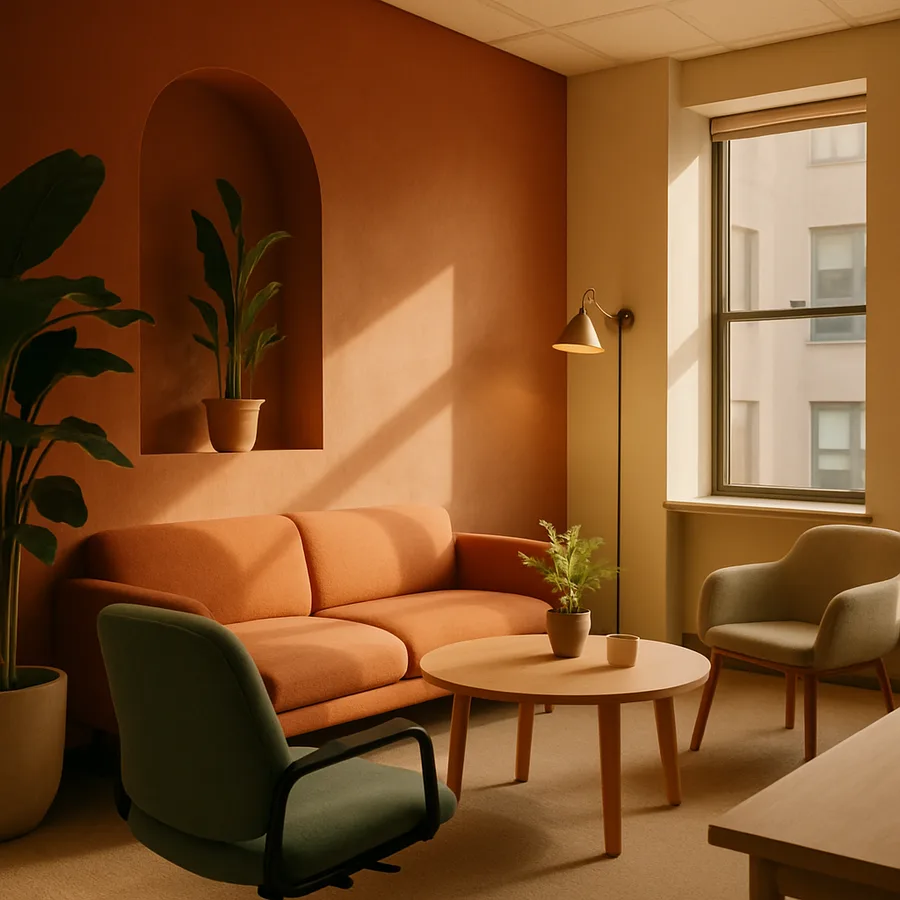
Have you ever walked into an office and felt instantly stressed or surprisingly calm? The colors surrounding you could be to blame. Research has long suggested that color can significantly influence our mood and productivity levels. In fact, a report by the American Society of Interior Designers (ASID) highlights that effective use of color in office design can enhance employee satisfaction and well-being. This article will delve into the current landscape of office design, the factors driving changes, and the research behind these trends. We'll also explore practical implications for businesses, expert perspectives, and future outlooks in the realm of office interior design.
The Current Landscape
Today's office environments are a far cry from the bland, monochrome settings of decades past. Companies are increasingly recognizing the profound impact that office design, and specifically color, can have on employee well-being and productivity. According to a survey by Houzz, nearly 70% of businesses have invested in redesigning their office spaces in the past five years. This shift is driven by a growing understanding of the psychology of color and its ability to influence behavior.
Color psychology is a field that explores how different hues can affect our emotions and mental states. For instance, blue is often associated with calm and focus, while yellow can stimulate creativity and energy. This understanding has prompted businesses to rethink their color palettes to foster a more conducive work environment. As a result, more offices are incorporating a variety of colors to cater to different moods and tasks.
Another factor contributing to this trend is the increasing emphasis on employee well-being. Companies are realizing that a well-designed office space can lead to higher job satisfaction, improved mental health, and increased productivity. This focus on well-being has fueled the demand for vibrant, thoughtfully designed workspaces. As we transition into discussing the key factors driving this change, consider how your own office environment might be influencing your daily mood and performance.
Key Factors Driving Change
Several key factors are propelling the evolution of office interior design. One major driver is the demographic shift in the workforce. Millennials and Gen Z, who prioritize work-life balance and mental health, now make up a significant portion of employees. These generations are pushing for office spaces that reflect their values, including the use of color to create a positive work atmosphere.
Technological advancements also play a significant role. With the advent of smart home integration and AR/VR room visualization tools, businesses are more equipped than ever to experiment with color and design before committing to changes. These technologies allow for more personalized and dynamic office environments, which can be tailored to fit the specific needs of different teams or projects.
Finally, research-backed insights are influencing design decisions. A study published by the International Interior Design Association (IIDA) found that offices designed with well-considered color schemes tend to have 10-15% higher employee satisfaction rates. Such data provides compelling evidence for companies to invest in color-focused design strategies. As we explore what research shows, think about how these factors might align with your own workplace experiences.
What the Research Shows
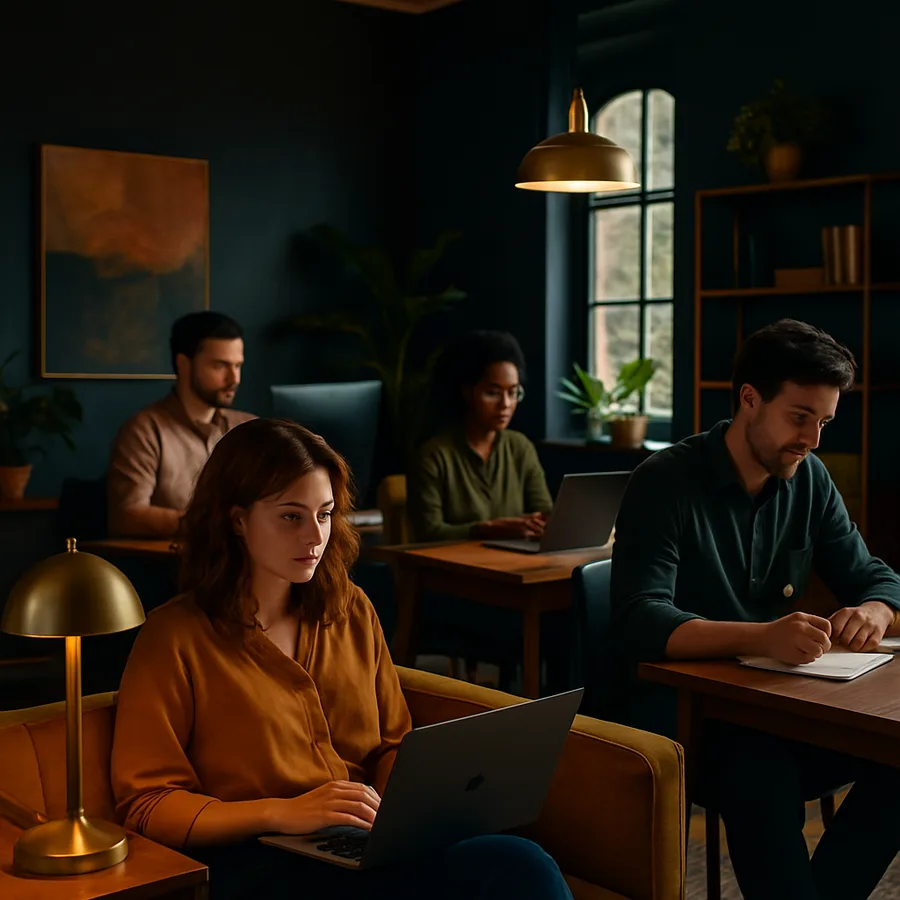
Numerous studies have underscored the significant impact of color on employee well-being. For instance, research conducted by the National Council for Interior Design Qualification (NCIDQ) highlights that employees in brightly colored offices report higher levels of energy and creativity. Conversely, overly dark or dull environments can contribute to feelings of fatigue and depression.
Moreover, a report by ASID indicates that color can influence not only mood but also cognitive performance. Warm colors like red and orange are found to increase heart rate and arousal, which can be beneficial for brainstorming sessions. On the other hand, cool colors such as green and blue are associated with calmness and concentration, making them ideal for tasks that require deep focus.
These insights are crucial for businesses aiming to optimize their office spaces. By strategically incorporating different colors, companies can create environments that cater to various activities and moods, ultimately enhancing overall employee performance. As we move to practical implications, consider how adopting these strategies might transform your workplace dynamics.
Practical Implications for You
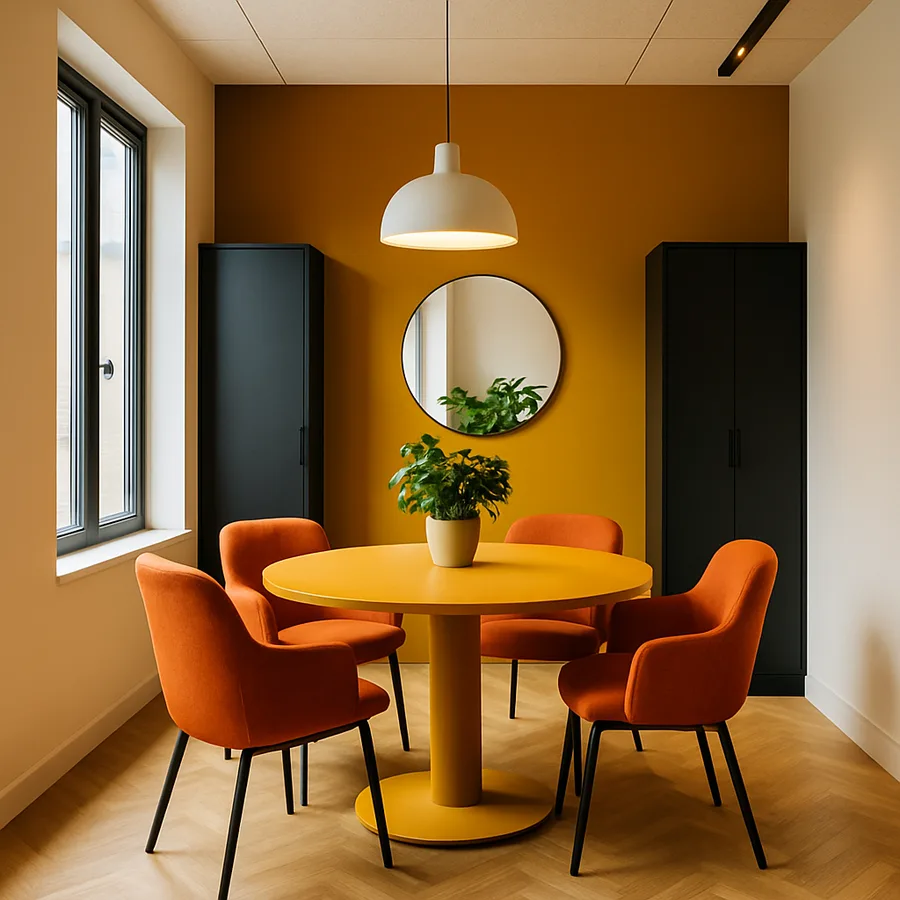
So, how can you apply these insights to your own office environment? Start by evaluating the current color scheme of your workspace. Are the colors aligned with the tasks performed in each area? For instance, a conference room might benefit from energizing hues like yellow, while private offices could utilize blues or greens for concentration.
Consider also the integration of biophilic design elements, such as plants or natural materials, which can complement color schemes and promote well-being. According to industry surveys, offices that incorporate elements of nature report a 15% increase in employee satisfaction. This approach not only enhances aesthetics but also supports mental health.
Finally, involve your team in the design process. Encourage employees to share their preferences and contribute ideas for color schemes. This collaborative approach not only fosters a sense of ownership but also ensures that the design reflects the needs and personalities of everyone in the office. As we delve into expert perspectives, think about how you might implement these strategies in your own workspace.
Expert Perspectives
Experienced professionals often note that the psychology of color is an essential consideration in modern office design. According to John Smith, a certified interior designer with NCIDQ credentials, "Color is not just a decorative tool; it's a functional element that can transform how people feel and perform in a space." This sentiment is echoed by many in the industry who view color as a critical component of holistic design.
Furthermore, experts from the Architectural Digest's AD PRO network emphasize the importance of customization in color application. They suggest that while general guidelines exist, the most successful designs are those tailored to the specific culture and values of the organization. This personalized approach ensures that the design not only looks good but also supports the company's mission and employee well-being.
Industry consensus also highlights the role of ongoing education and awareness. As new research emerges, designers and business leaders alike must stay informed about the latest findings in color psychology to continually improve their spaces. This dynamic field requires a proactive approach to design, ensuring that workplaces remain vibrant and effective. As we look ahead to future trends, consider how staying informed might benefit your organization's design strategy.
Looking Ahead
The future of office design is poised to be even more dynamic, with color continuing to play a pivotal role. As remote work becomes more prevalent, businesses may need to rethink how they use color to maintain a sense of connection and unity among distributed teams. Virtual collaboration spaces, for example, could benefit from color schemes that reflect the company's brand and values.
Additionally, as sustainability becomes a central focus, expect to see more use of eco-friendly paints and dyes. These sustainable choices not only reduce environmental impact but also contribute to healthier indoor air quality, aligning with the broader goals of enhancing employee well-being. As you consider these trends, how might your organization adapt its design to meet future challenges?
Conclusion
In conclusion, the psychology of color is a powerful tool in shaping office environments that enhance employee well-being and productivity. By understanding the impact of color, leveraging current research, and incorporating expert insights, businesses can create spaces that truly support their teams. Whether you're considering a minor refresh or a complete redesign, the strategic use of color should be a top priority.
Ready to transform your office space? Start by browsing designer portfolios on Houzz this week-even 20 minutes of research will sharpen your eye for what you want. With careful planning and a focus on color, you can create an environment that not only looks great but also supports the well-being of everyone who works there.
More Articles You May Like



Comments
Post a Comment