The Psychology of Color: How Office Interior Design Affects Employee Productivity
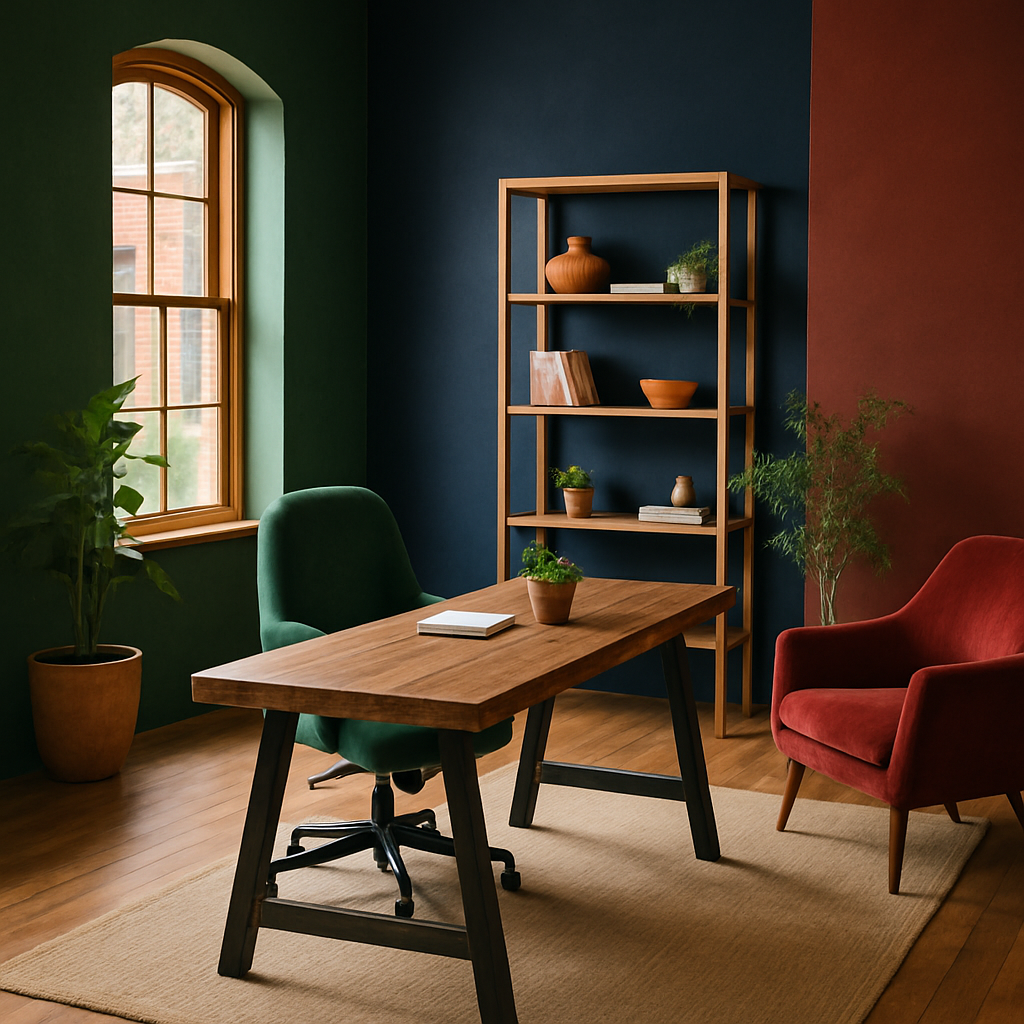
Imagine walking into an office that immediately feels invigorating, yet calming. The walls are a soothing blue, the furniture a warm wood tone. You might not realize it, but the colors around you are subtly influencing your mood and productivity. According to research by the University of Texas, color can impact mood and productivity by up to 25%. In this article, we explore the psychology of color in office interior design and how it can significantly affect employee productivity. You'll learn foundational color theories, delve into data-driven insights, discover actionable strategies, and gain expert-level details to enhance your workspace effectively.
Understanding the Basics: Color Theory in Interior Design
Color theory is the science and art of using color. It explains how colors interact, the visual effects of color combinations, and how colors can influence emotions and perceptions. In the context of office interior design, understanding color theory is essential. For instance, warm colors like red, orange, and yellow can evoke feelings of warmth or arousal. In contrast, cool colors like blue and green are often associated with calmness and can help reduce stress.
In an office setting, these color cues can be strategically used to enhance employee performance. For example, blue is commonly associated with productivity and focus, making it an ideal choice for spaces where concentration is key. On the other hand, a splash of yellow can stimulate creativity and innovation in brainstorming areas. The goal is to find a balance that aligns with the desired outcomes for each specific office zone.
The concept of chromotherapy, or color therapy, also plays a role in understanding how different hues affect psychological and physiological conditions. It posits that colors can be used to heal and balance energy levels. While not universally accepted as a scientific method, the principles of chromotherapy have influenced many designers in creating environments conducive to both mental and physical well-being. As we transition to the next section, consider how different colors in your workspace impact your own productivity and mood.
The Impact of Color on Mood and Productivity: Data Insights
Research consistently supports the idea that color influences mood and productivity. A study by the American Society of Interior Designers (ASID) found that nearly 70% of employees felt more productive in a well-designed office with thoughtful color choices. The data suggests that integrating color psychology into office design can lead to measurable improvements in employee performance and satisfaction.
Blue, a popular choice in corporate settings, is known to boost efficiency and focus. According to a survey by the International Interior Design Association (IIDA), offices incorporating blue tones reported a 15% increase in productivity. Similarly, green, which is associated with nature and tranquility, can reduce anxiety and promote a balanced work environment, making it a favored choice for collaborative spaces.
While colors like red can increase heart rate and stimulate energy, they should be used sparingly in areas requiring deep concentration. Instead, red may be more suitable for dynamic spaces such as meeting rooms or break areas where energy and interaction are encouraged. As we explore actionable strategies in the next section, think about how these data points can guide your own office design choices.
Implementing Color Psychology in Your Office Design
Ready to harness the power of color in your office? Start by assessing the current use of space and the activities that take place in each area. Identify zones where focus, creativity, or collaboration is most needed. For instance, in areas dedicated to focused work, consider using shades of blue to enhance concentration. In spaces meant for innovation and brainstorming, a vibrant yellow accent wall can stimulate creativity.
Next, consider the use of accent colors. Accent colors can create visual interest and help define different areas within an open-plan office. A splash of green in a communal kitchen area can promote relaxation and encourage social interactions. Meanwhile, red accents in a common area may energize and inspire team discussions. By strategically placing these accents, you can subtly influence employee behavior and productivity.
Also, remember to balance color with lighting. Natural light can significantly enhance the effect of colors, whereas artificial lighting might alter their appearance. Experienced professionals often note that the interplay between color and light can make or break the atmosphere of a room. As we delve into expert insights in the following section, consider how you can test different color schemes with your team to find the perfect balance.
Expert Insights: Designing for Productivity
According to experts at the National Council for Interior Design Qualification (NCIDQ), the integration of thoughtful color schemes in office design is crucial for creating environments that foster productivity. Experienced professionals emphasize the importance of aligning color choices with the company's brand and culture. For example, a tech startup might opt for bold, dynamic colors to reflect innovation, whereas a law firm may prefer more subdued tones to convey professionalism.
Furthermore, the use of biophilic design, which incorporates natural elements into the workspace, can enhance the effects of color psychology. Incorporating natural materials such as wood and stone alongside greens and blues can create a calming environment that supports mental clarity and reduces stress. This approach aligns with the growing trend towards sustainable and holistic office designs.
One practical tip from industry veterans is to use AR/VR room visualization tools to experiment with color schemes before committing to a final design. These tools allow you to visualize how different colors will look under various lighting conditions, enabling more informed decisions. As we move into additional details on creating a harmonious workspace, think about how these expert insights can be applied to your office design project.
Creating a Harmonious Office Environment
To create a truly harmonious office environment, it's essential to consider the broader context of design, including furniture, layout, and textures. The American Institute of Architects (AIA) often highlights the importance of integrating color with other design elements to achieve a cohesive look. For example, pairing cool blues with sleek, modern furniture can create a sophisticated and calming atmosphere.
When selecting materials and finishes, opt for those that complement the chosen color palette. Natural materials like wood and stone not only enhance biophilic design but also add warmth and texture to the space. This balance of elements can create a welcoming environment that encourages productivity and well-being.
Finally, engage your team in the design process. Soliciting feedback from employees can provide valuable insights into their preferences and needs. This collaborative approach not only ensures that the final design meets practical requirements but also fosters a sense of ownership and satisfaction among team members. As we conclude this exploration, consider how you can apply these principles to achieve a well-designed, productive office space.
Final Thoughts on Color and Productivity
As we've explored, the psychology of color plays a significant role in shaping office environments that boost productivity. By understanding the impact of different hues and strategically applying them in your design, you can create spaces that not only look appealing but also enhance employee performance. The integration of color psychology with other design elements, such as lighting and furniture, can lead to a cohesive and efficient workspace.
Remember that the design process is iterative. What works for one office may not suit another, so it's important to experiment and adapt. By staying informed about current trends and leveraging tools like AR/VR visualization, you can stay ahead in creating a space that meets evolving needs.
Are you ready to transform your office with the power of color? Begin by observing your current workspace and considering how different colors make you and your team feel throughout the day.
Conclusion: Transform Your Workspace Today
In conclusion, harnessing the psychology of color in office interior design can significantly enhance employee productivity. By applying the principles discussed, you can create an environment that promotes focus, creativity, and collaboration. Start by browsing designer portfolios on Houzz to gather inspiration and ideas. Even dedicating a short amount of time to this research can refine your vision for a productive workspace.
What steps will you take today to incorporate color psychology into your office design? Whether it's a small accent wall or a complete overhaul, the impact on productivity could be substantial. Begin your transformation journey now, and watch as your workspace evolves into a hub of productivity and satisfaction.
More Articles You May Like



Comments
Post a Comment