Maximizing Productivity: How Office Interior Design Impacts Employee Well-Being
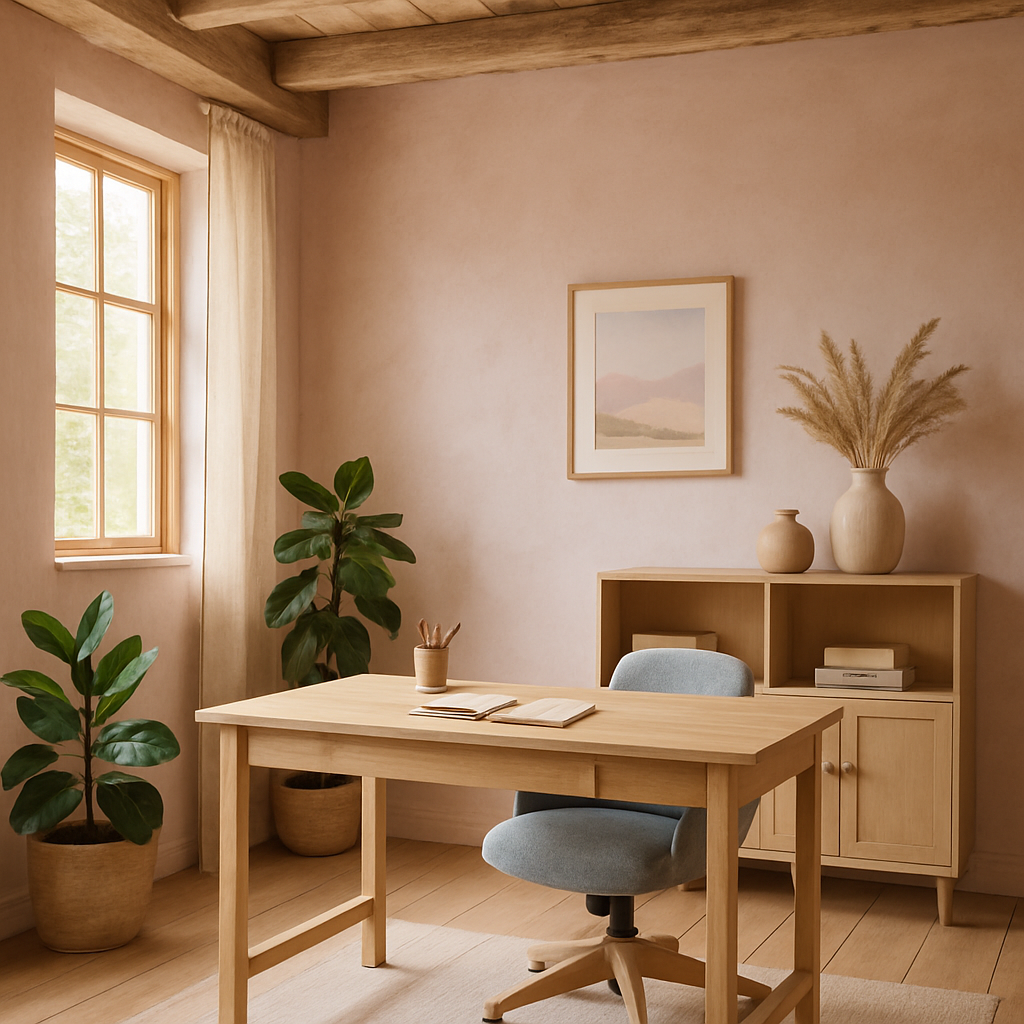
Did you know that 87% of employees would like their employer to offer healthier workspace benefits, like ergonomic seating and sit-stand desks? According to a survey conducted by the American Society of Interior Designers (ASID), the design of an office space plays a critical role in employee satisfaction and productivity. This highlights a growing awareness of how the environment can influence work output and mental health. In this article, we will explore the foundational concepts of office interior design, delve into data-backed analyses, provide actionable strategies for improvement, and offer expert insights into creating a workspace that not only boosts productivity but also enhances employee well-being.
Understanding the Basics of Office Interior Design
Office interior design is not merely about aesthetics; it's about creating a functional environment that fosters productivity and well-being. The design of a workspace can significantly impact how employees feel and perform. Elements such as lighting, furniture layout, and color schemes are foundational to creating an atmosphere that supports mental and physical health. For instance, natural lighting has been shown to improve mood and energy levels, which can lead to a more productive workforce.
Moreover, the choice of furniture can influence worker efficiency and comfort. Ergonomic furniture, which is designed to minimize discomfort and prevent injury, is essential in modern office design. According to the Occupational Safety and Health Administration (OSHA), ergonomic improvements can reduce workplace injuries by 75%. This makes it clear that thoughtful furniture choice is not a luxury but a necessity for the well-being of employees.
Beyond physical elements, the psychological impact of an office's design cannot be overstated. Colors, for example, can affect mood and concentration. While blue can enhance focus and calmness, yellow can stimulate creativity. Understanding these basics is crucial for any organization aiming to create a productive and healthy work environment. The next section will explore more detailed data and insights to deepen our understanding of this topic.
The Impact of Office Design on Employee Well-Being
Research consistently shows a strong correlation between office design and employee well-being. A study by the International Interior Design Association (IIDA) revealed that employees who work in well-designed spaces report higher levels of job satisfaction and lower levels of stress. This correlation emphasizes the importance of investing in a thoughtfully designed office layout. The data indicates that employees in such environments are 33% more likely to feel engaged and inspired at work.
Furthermore, the integration of biophilic design elements-such as natural materials, plant life, and views of nature-has been shown to reduce stress and improve cognitive function. According to a study published by the Journal of Environmental Psychology, biophilic elements can decrease anxiety levels by up to 37%. This suggests that incorporating nature into office design is not just a trend but a valuable strategy for enhancing employee well-being.
Lighting also plays a critical role in how employees perform and feel. Natural light exposure is associated with better sleep and mood, directly impacting productivity. The American Institute of Architects (AIA) has highlighted the importance of daylighting in office spaces, suggesting that strategic window placement and the use of skylights can greatly benefit workers. As we delve into actionable strategies, consider how these elements can be practically applied in your workspace.
Actionable Strategies for Designing a Productive Workspace
Creating a productive office begins with understanding how space is used. Start by mapping out how each area functions-where meetings are held, where quiet work takes place, and where collaboration happens. Experienced professionals often note that clearly defined zones can prevent distractions and improve workflow efficiency. Office layout should support both individual and team tasks, ensuring that there is a balance between private and collaborative spaces.
Incorporating technology is another crucial strategy. Smart office solutions, such as automated lighting and climate control systems, can enhance comfort and efficiency. These technologies allow for personalized settings that adapt to the users' needs, which can significantly boost productivity. According to industry surveys, offices that have integrated smart technologies report a 20% increase in productivity levels.
Another effective strategy involves the use of versatile furniture. Adjustable desks and modular seating arrangements can cater to different working styles and preferences, promoting a more inclusive environment. Not only does this accommodate diverse needs, but it also empowers employees by giving them control over their workspace. As we proceed, we will examine expert-level details that can further refine these strategies.
Expert Insights on Maximizing Office Design
Certified interior designers, such as those holding an NCIDQ (National Council for Interior Design Qualification), emphasize the importance of harmonizing aesthetics with functionality. The NCIDQ is a credential that signifies a designer's proficiency in creating safe and efficient environments. These professionals often recommend a design approach that considers the sensory experiences of employees-sight, sound, and touch all play roles in how a space is perceived.
For example, acoustics are a critical yet often overlooked element of office design. Poor sound management can lead to distractions and decreased productivity. Implementing sound-absorbing materials, such as acoustic panels and carpets, can create a quieter, more focused atmosphere. According to ASID research, improving acoustics can enhance productivity by up to 15%, underscoring the value of addressing this aspect.
Design experts also highlight the trend of "quiet luxury," which focuses on understated elegance and high-quality materials. This approach not only elevates the aesthetic appeal but also fosters a calming environment conducive to productivity. As we explore additional depth in the following section, consider how these expert insights can be applied to your office design.
Incorporating Advanced Design Techniques
One advanced technique gaining traction is the use of augmented reality (AR) and virtual reality (VR) in office design. These tools allow for virtual walkthroughs and space planning before any physical changes are made, providing a clear vision of the outcome. Platforms like Houzz offer AR/VR capabilities that help visualize design changes in real-time, reducing the risk of costly mistakes.
Sustainability is another key consideration in modern office design. The use of reclaimed materials and eco-friendly products not only reduces environmental impact but also aligns with corporate social responsibility goals. According to a report by Architectural Digest's AD PRO, sustainable design can enhance brand reputation and attract top talent who value environmental stewardship.
Finally, the integration of flexible workspaces that adapt to changing needs is crucial. This includes movable walls and retractable partitions, which can be adjusted to suit different team sizes and activities. These elements not only maximize space usage but also foster a dynamic work environment. As we conclude, reflect on how these advanced techniques can elevate your office design strategy.
Final Perspectives on Office Design and Productivity
Office interior design is an evolving field that requires a balance between aesthetic appeal and functional utility. As organizations continue to recognize the impact of design on employee well-being, the demand for innovative solutions grows. The integration of biophilic elements, smart technology, and sustainable materials are just a few ways design can enhance the workplace experience.
It is essential to remember that each organization is unique, and what works for one may not work for another. The key is to tailor design strategies to fit the specific needs and culture of your team. This personalized approach not only improves productivity but also promotes a sense of belonging and motivation among employees. As you consider these perspectives, think about how your current office design aligns with these principles.
Conclusion: Taking the Next Step in Office Design
In summary, effective office interior design is a powerful tool for maximizing productivity and enhancing employee well-being. By understanding foundational concepts, analyzing data, applying actionable strategies, and incorporating expert insights, you can create a workspace that truly supports your team's success. Are you ready to transform your office environment? Start by browsing portfolios on platforms like Houzz this week-even 20 minutes of research will sharpen your eye for what you want. Embrace the potential of innovative design to foster a thriving workplace.



Comments
Post a Comment