The Art of Minimalism: Embracing Simplicity in Modern Interior Design
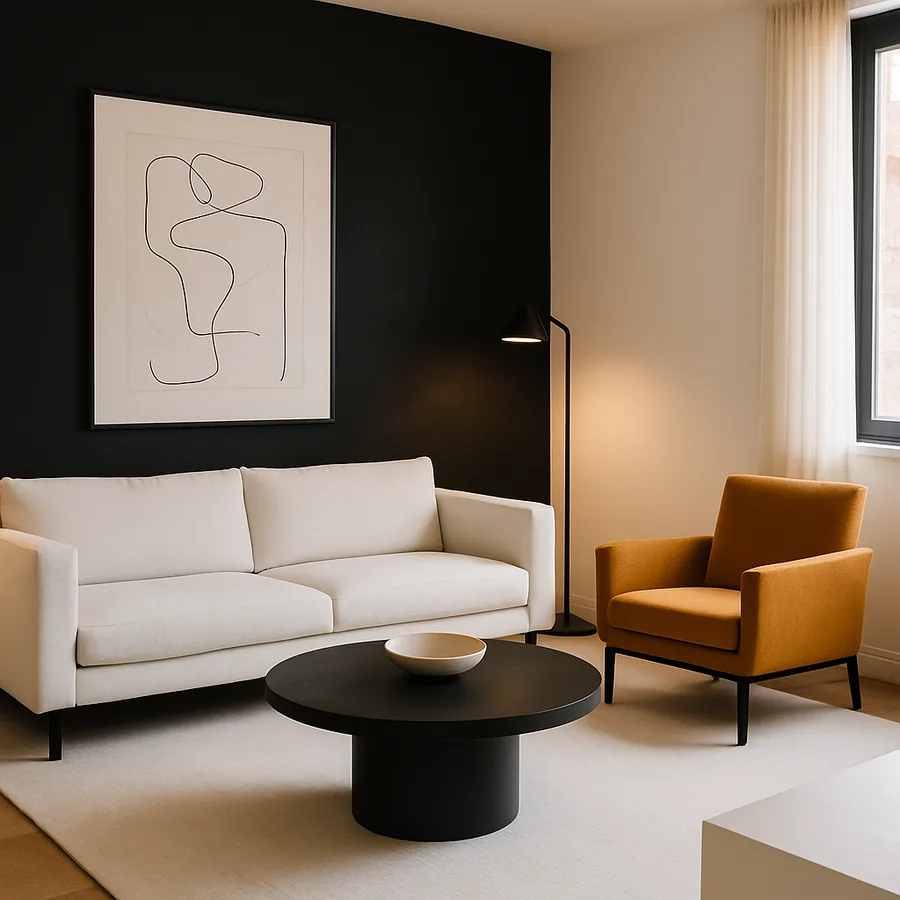
Imagine walking into a room where every element has a purpose, and the clutter of everyday life melts away. This is the promise of minimalism, a design philosophy that has captured the attention of homeowners and designers alike. With roots in the mid-20th century, minimalism has evolved into a contemporary movement that emphasizes simplicity, functionality, and tranquility. But how do you truly embrace this art in modern interior design? In this article, we'll explore the foundational concepts of minimalism, delve into data-driven insights, and offer actionable strategies to help you transform your space. From expert advice to practical tips, you'll learn how to cultivate a home that truly reflects the minimalist ethos.
Understanding the Foundations of Minimalism
Minimalism is more than just a design trend; it's a lifestyle choice that prioritizes clarity and purpose. At its core, minimalist design seeks to eliminate unnecessary elements, focusing instead on the beauty of simplicity. This philosophy is rooted in the belief that less is more, encouraging homeowners to strip away excess and create spaces that are both functional and serene. The minimalist aesthetic often features clean lines, neutral colors, and open spaces, which together foster an environment of calm and order.
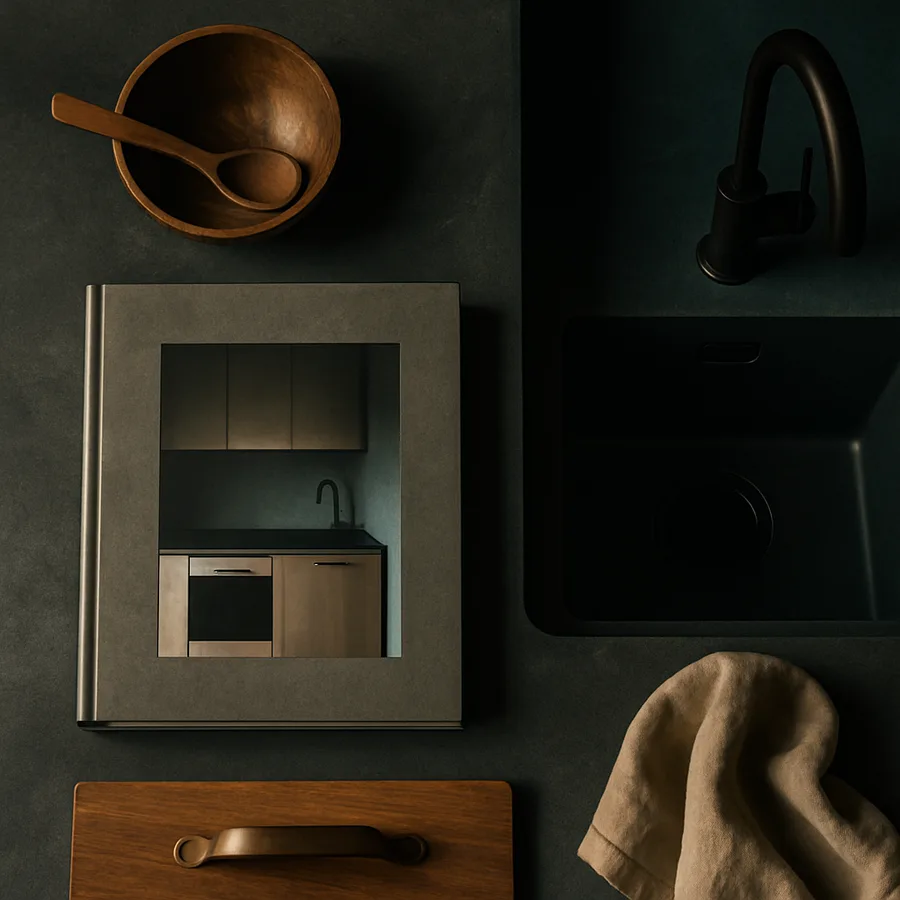
One of the key tenets of minimalism is functionality. Each piece of furniture and decor is selected for its utility and contribution to the overall harmony of the space. Rather than overwhelming a room with decorative items, minimalists prioritize quality over quantity. This approach not only enhances the visual appeal of a home but also improves its functionality. For instance, a minimalist kitchen might feature sleek, handle-less cabinets and integrated appliances, creating a seamless and efficient cooking area.
Moreover, minimalism embraces the concept of intentional living. This means making conscious decisions about what to include in your space based on its usefulness and emotional value. By reducing clutter, you can create a home that supports your lifestyle and promotes mindfulness. As a result, minimalism can lead to reduced stress and increased productivity, making it an attractive choice for many homeowners. Understanding these foundational concepts is crucial as we explore how minimalism can be applied practically in the next section.
Minimalism by the Numbers: Analyzing the Impact
The rise in popularity of minimalism is not just anecdotal; it is supported by data that highlights its benefits. According to a survey by Houzz, a leading platform for home remodeling and design, 75% of homeowners reported feeling more relaxed in a decluttered space. This aligns with findings from the Environmental Psychology journal, which suggest that tidy environments can significantly reduce stress levels and improve mental clarity.
In terms of financial impact, minimalism can also offer long-term savings. By investing in fewer, higher-quality items, homeowners often find that they spend less over time. This is echoed by industry professionals who note that well-designed minimalist interiors tend to require less maintenance and fewer replacements. Furthermore, spaces designed with a minimalist approach often see a higher resale value, with potential increases of 5-15%, according to the American Society of Interior Designers (ASID).
But what about the environmental benefits? Minimalism often goes hand-in-hand with sustainable living. By choosing timeless pieces and sustainable materials, such as reclaimed wood and recycled metals, you can reduce your environmental footprint. The International Interior Design Association (IIDA) highlights that sustainable design principles are integral to the minimalist movement. As we dive into actionable strategies, consider how these insights can guide your design decisions.
Actionable Strategies for a Minimalist Home
Ready to embrace minimalism in your home? Start by assessing each room with a critical eye. Ask yourself: Do I use this space effectively? Are there items here that serve no purpose? By identifying and removing unnecessary objects, you can begin to create a more streamlined environment. This process may feel daunting, but it's an essential first step towards achieving a minimalist aesthetic.
Next, consider the color palette of your home. Minimalist designs often utilize a neutral color scheme, which can create a sense of calm and cohesion. Whites, grays, and beiges are commonly used to highlight the architectural features of a space without distraction. However, accents of color can be introduced through artwork or textiles to add warmth and interest. When selecting these elements, choose pieces that resonate with you personally and enhance the room's functionality.
Lighting also plays a crucial role in minimalist design. Natural light is highly valued, so take advantage of windows and skylights where possible. For artificial lighting, opt for fixtures with simple designs that provide ample illumination without overwhelming the space. Smart lighting solutions, such as automated dimmers and motion sensors, can also enhance the functionality and energy efficiency of your home. With these strategies in mind, let's explore how expert designers implement minimalist principles.
Expert Insights on Minimalist Design
Experienced professionals often note that the secret to successful minimalist design lies in the details. While the overall aesthetic is simple and uncluttered, attention to detail ensures that every element contributes to the space's harmony. Certified interior designers, such as those holding the NCIDQ (National Council for Interior Design Qualification), emphasize the importance of texture. Incorporating a variety of textures-such as a plush wool rug, a sleek leather sofa, or matte-finish cabinetry-adds depth and interest without cluttering the space.
Another key aspect is the use of multifunctional furniture. Pieces that serve dual purposes, like a bench with storage or a sofa bed, are ideal for minimalist homes. They maximize functionality while occupying less space, a principle that aligns well with the minimalist ethos. As noted by industry leaders, such as those featured in Architectural Digest, these innovations are crucial for small spaces where every square foot counts.
Furthermore, technology integration is becoming increasingly important in minimalist designs. Smart home systems that control lighting, climate, and security can be seamlessly incorporated into the home's design. These systems not only enhance convenience but also contribute to a clean, uncluttered aesthetic by reducing the need for visible controls. These expert insights highlight the sophistication behind minimalist design, setting the stage for further exploration of its nuances.
Exploring Additional Nuances of Minimalism
As you continue your minimalist journey, consider how the principle of "less is more" can extend beyond the physical environment. Minimalism is also about cultivating a mindset that values simplicity and mindfulness. This can be reflected in how you approach daily routines and decision-making processes. By prioritizing what truly matters, you can align your living space with your personal values and lifestyle goals.
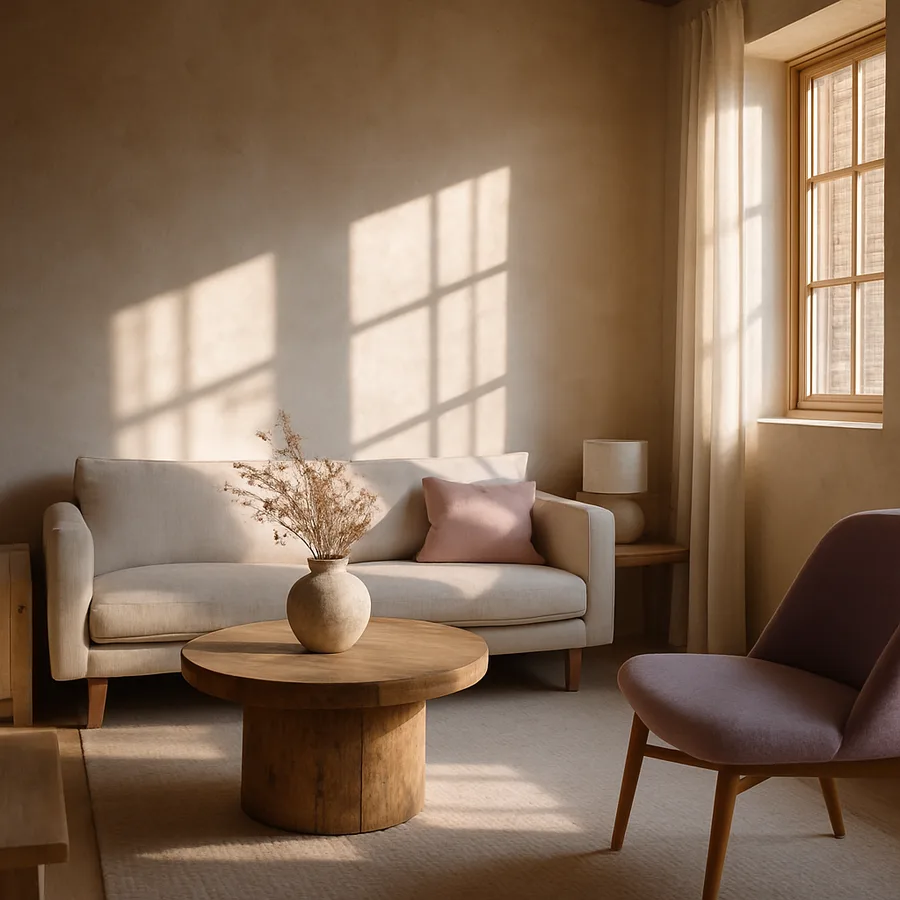
It's also essential to recognize that minimalism does not mean sacrificing comfort or personal expression. The Japandi style-a fusion of Japanese minimalism and Scandinavian warmth-is an excellent example of how minimalism can be both cozy and expressive. This style emphasizes natural materials, soft textures, and a muted color palette, creating a tranquil yet inviting atmosphere that encourages relaxation and reflection.
Finally, consider the role of art and decor in a minimalist home. While minimalists avoid excess, they do appreciate the impact of a well-placed piece of art or sculpture. These elements can serve as focal points that add character and sophistication to a room. As you experiment with minimalist design, keep these nuances in mind to create a space that is uniquely yours. This exploration naturally leads us to consider how minimalism fits into broader interior design trends.
Minimalism in the Context of Modern Design Trends
Minimalism continues to influence and be influenced by various modern design trends. One such trend is biophilic design, which incorporates natural elements to enhance the connection between indoor and outdoor environments. By using natural materials and incorporating plants, you can create a space that feels both minimalist and vibrant, promoting well-being and productivity.
Another trend is the rise of "quiet luxury," which focuses on understated elegance and quality craftsmanship. This approach complements minimalist principles by emphasizing timelessness and durability over fleeting trends. As the demand for smart home integration grows, minimalism's clean lines and uncluttered surfaces provide the perfect backdrop for sophisticated technology.
As you consider these trends, reflect on how they align with your vision for your home. Do you seek a space that embodies the tranquility of nature, the sophistication of quiet luxury, or the convenience of smart technology? By understanding how minimalism interacts with these trends, you can make informed decisions that enhance both the aesthetic and functional aspects of your home. This consideration naturally leads us to a summary and call to action.
Conclusion: Embrace Minimalism Today
Embracing the art of minimalism in modern interior design is about more than creating a visually appealing space; it's about fostering a lifestyle of simplicity, functionality, and mindfulness. By understanding minimalism's foundational concepts, analyzing its impacts, and applying actionable strategies, you can transform your home into a sanctuary that supports your well-being and personal growth.
Are you ready to take the first step towards a minimalist home? Start by browsing portfolios on platforms like Houzz or consulting with certified designers to gain inspiration and guidance. Even dedicating 20 minutes a day to decluttering and reimagining your space can lead to significant changes. Embrace the minimalist journey today and discover the peace and clarity that comes with living simply.
More Articles You May Like



Comments
Post a Comment