Exploring Minimalism: The Key Principles of Modern Interior Design
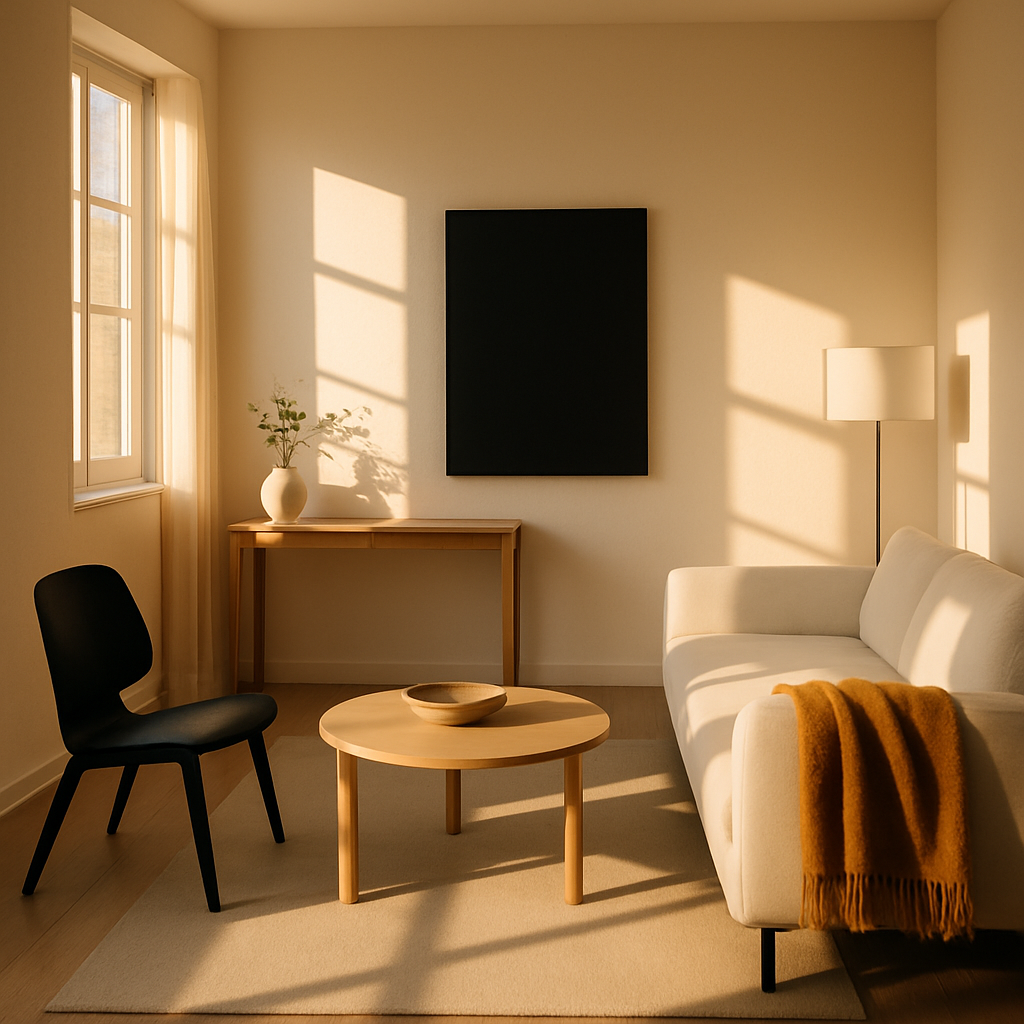
Imagine walking into a room where every element feels deliberate, where space itself becomes a canvas for tranquility. Minimalism in modern interior design offers just that-a break from clutter and chaos. According to Houzz's annual survey, 75% of homeowners are now leaning towards minimalist aesthetics. Why? Because minimalism is more than a style; it's a philosophy that prioritizes clarity and purpose. This article will delve into the foundational concepts of minimalism, analyze its impact through real data, provide actionable strategies for implementation, and offer expert-level insights. Are you ready to transform your living space into a serene haven?
Understanding the Foundations of Minimalism
At its core, minimalism is about reduction and focus. The philosophy encourages the deliberate choice of what enters your space, stripping away the excess to emphasize what truly matters. Experienced professionals often note that minimalism isn't about owning the least amount of stuff but about owning only what adds value. This approach leads to spaces that are not only visually appealing but also functionally efficient.
Minimalism relies heavily on the use of neutral color palettes. Whites, grays, and earth tones are staple colors that help to create a calming environment. The absence of vibrant colors allows the architecture and textures to stand out, highlighting the beauty of simplicity. According to ASID (American Society of Interior Designers), a neutral palette is preferred by 65% of clients seeking minimalist designs.
Another crucial element is the use of natural materials. Wood, stone, and metal often feature prominently in minimalist interiors. These materials not only add warmth and texture but also promote sustainability, aligning with current design trends focused on eco-friendly choices. As we move into more environmentally conscious times, integrating these materials can enhance both aesthetic appeal and ecological responsibility. The next section will dive deeper into how these concepts translate into tangible benefits backed by data.
The Impact of Minimalism: Data and Analysis
Minimalism's influence extends beyond aesthetics; it has significant practical benefits backed by data. One compelling statistic from Houzz shows that homes with minimalist interiors can achieve a 5-15% higher resale value. This increase is attributed to the broad appeal of clean, uncluttered spaces which offer a blank canvas for potential buyers.
Studies have also shown that minimalist environments can reduce stress and increase productivity. A survey by the University of California found that individuals working in minimalist spaces reported a 20% decrease in stress levels compared to those in cluttered environments. By reducing visual noise, minimalism allows the mind to focus, enhancing both mental clarity and emotional well-being.
Moreover, minimalism supports the growing trend of sustainability. By choosing fewer but higher-quality items, homeowners contribute to less waste and longer-lasting furnishings. This focus on sustainability is corroborated by IIDA's (International Interior Design Association) recent report, which highlights an increasing demand for sustainable materials and practices in interior design. How can you effectively implement these principles in your own home? Let's explore actionable strategies in the next section.
Implementing Minimalist Strategies in Your Home
To successfully incorporate minimalism into your home, start with a thorough decluttering. This initial step is crucial and can be transformative. Ask yourself: What items do you genuinely use and love? By reducing possessions to essentials, you can create a space that breathes.
Focus on furniture with clean lines and multi-functional capabilities. For instance, a sofa with built-in storage can serve as both seating and a space saver. This approach is not only practical but also aligns with the minimalist ethos of functionality and simplicity. Consider brands like IKEA and West Elm, known for their sleek, minimalist designs that emphasize utility.
Lighting plays a significant role in minimalist design. Natural light should be maximized whenever possible, but when artificial lighting is necessary, opt for fixtures that are simple yet elegant. Smart home integration, such as automated blinds and adjustable LED lights, can further enhance the minimalist aesthetic. In the next section, we'll delve into expert insights on maintaining a minimalist lifestyle.
Expert Insights on Maintaining Minimalism
Experienced designers often emphasize the importance of intentionality in minimalism. It's not just about the initial design-it's a lifestyle choice that requires ongoing commitment. Regularly reassess your space to ensure it remains clutter-free. This habit not only preserves the aesthetic but also the psychological benefits of minimalism.
Another key insight is the importance of quality over quantity. Invest in high-quality pieces that will stand the test of time. According to the NCIDQ (National Council for Interior Design Qualification), furniture and decor that are well-crafted can last for decades, making them a more sustainable choice in the long run.
Lastly, consider the role of digital tools in maintaining minimalism. Platforms like Pinterest and Instagram offer endless inspiration and can help you visualize different minimalist approaches. Additionally, AR/VR room visualization tools are becoming popular among designers, allowing for precise planning and simulation before making any purchases. Now, let's explore additional aspects that can deepen your understanding of minimalism.
Diving Deeper into Minimalism
Minimalism is not a one-size-fits-all approach. It can be tailored to suit personal tastes while maintaining its core principles. For example, the Japandi style, which combines Japanese minimalism with Scandinavian warmth, offers a unique take on minimalist design that focuses on comfort and functionality.
Biophilic design is another trend that complements minimalism perfectly. By integrating natural elements like living walls and indoor plants, you can bring the outdoor tranquility inside. This approach not only enhances aesthetics but also improves air quality and promotes well-being, according to Architectural Digest's AD PRO network.
Finally, consider the role of technology in minimalism. Smart home systems can streamline your living environment, reducing the need for multiple devices and controls. Automated climate control, lighting, and security systems can simplify daily life, allowing for a seamless and uncluttered experience. As we conclude, let's reflect on the broader implications of embracing minimalism in modern interior design.
The Broader Implications of Embracing Minimalism
Embracing minimalism in interior design is not just about creating a visually appealing space; it's about fostering a lifestyle that promotes peace and functionality. By reducing clutter and focusing on essentials, you create a home that supports your well-being and enhances daily living.
The minimalist approach aligns with current design trends that prioritize sustainability and smart technology. As the industry continues to evolve, these principles will likely become even more integral to modern interior design. Are you ready to make minimalism a cornerstone of your home?
Conclusion: Your Path to a Minimalist Home
In summary, minimalism offers a framework for creating spaces that are both beautiful and purposeful. By understanding its foundational principles and applying them with intention, you can transform your home into a sanctuary of simplicity and function. Whether you're starting with a single room or a full-home redesign, remember that minimalism is a journey of continuous refinement.
Start by browsing designer portfolios on Houzz this week-spending even 20 minutes can sharpen your vision for what you truly want. As you explore, think critically about how each element in your space contributes to your overall lifestyle. Are you ready to take the first step towards a minimalist home?



Comments
Post a Comment