Exploring Minimalism: The Heart of Modern Interior Design Trends
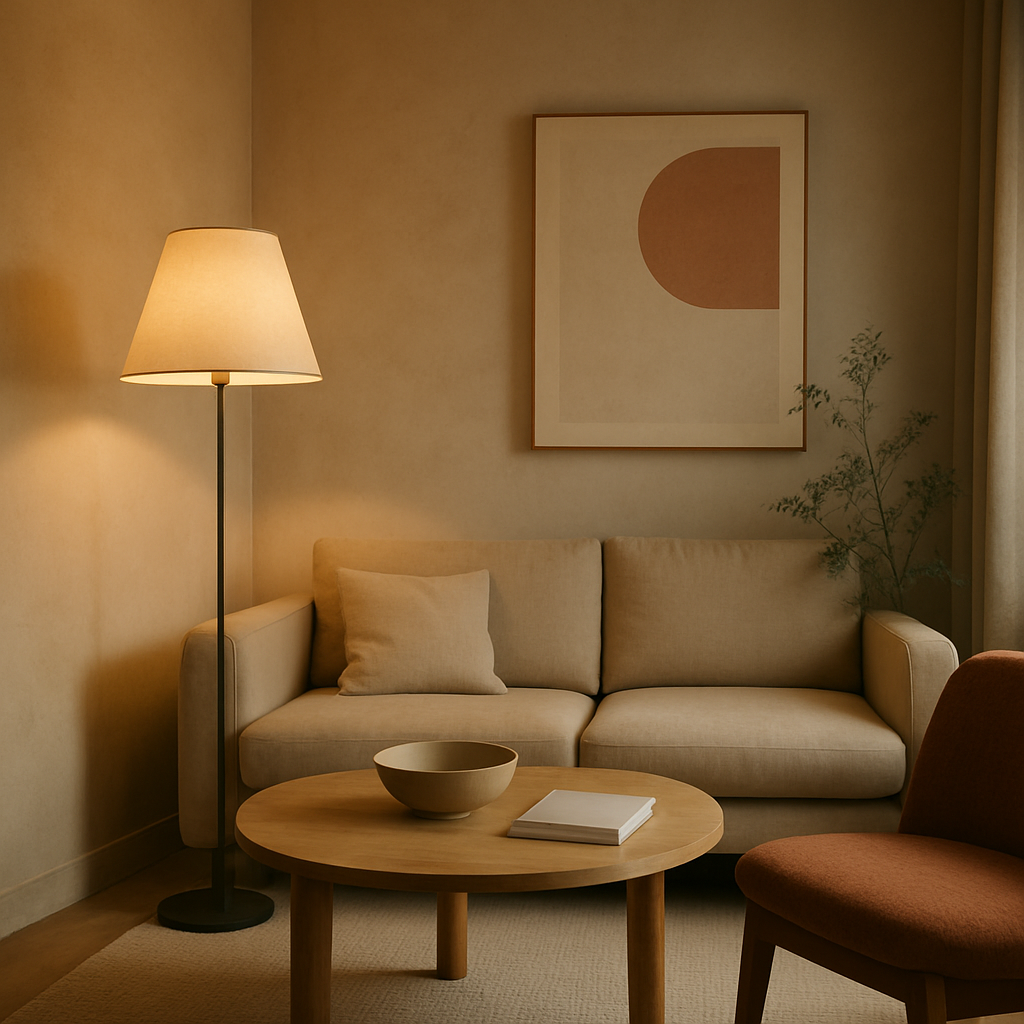
Have you ever walked into a room and felt an overwhelming sense of calm wash over you? This is the power of minimalism in interior design-an approach that strips away the unnecessary to allow for simplicity and serenity. According to the American Society of Interior Designers (ASID), minimalist design has been gaining traction, with many homeowners seeking to declutter and simplify their spaces. This article will delve into the foundational concepts of minimalism, analyze current data, provide actionable strategies for your home, and share expert-level insights into this transformative trend.
Understanding the Foundations of Minimalism
Minimalism in interior design is rooted in the principle of "less is more," a concept popularized by architect Ludwig Mies van der Rohe. The focus is on creating spaces that are functional yet uncluttered, allowing for a seamless flow of light and air. At its core, minimalism champions functionality without sacrificing aesthetic appeal, often using clean lines, neutral color palettes, and open spaces.
While the aesthetic might seem straightforward, achieving true minimalism requires a thoughtful approach to both design and lifestyle. It demands a careful selection of elements that serve a purpose, either practical or emotional. This method often involves a rigorous editing process, where only the most essential furniture and decor items are retained. The result is a space that feels both expansive and tranquil.
Minimalist design is not just about removing clutter; it's about creating a space that reflects the inhabitants' values and lifestyle. This requires introspection and a keen understanding of one's daily habits. Ask yourself: which items in your home truly enhance your life, and which merely occupy space? This self-reflective process is crucial to embracing minimalism effectively.
The Rise of Minimalism: Data and Trends
Minimalism is not merely a fleeting trend; it reflects a broader cultural shift towards sustainability and conscious consumption. According to Houzz's annual survey, homeowners are increasingly prioritizing sustainability in their design choices, with 58% opting for durable materials and 45% seeking out eco-friendly products. This aligns with the minimalist ethos of valuing quality over quantity.
Furthermore, the rise of smart home technologies has complemented minimalist design by integrating functionality with sleek, unobtrusive aesthetics. Systems like automated lighting and climate control can be seamlessly integrated into minimalist homes, maintaining the clean lines and uncluttered spaces that define the style. According to industry surveys, homes with smart integration report a 20% increase in homeowner satisfaction.
The trend towards biophilic design, which incorporates natural elements into the home, also dovetails with minimalism. By using natural materials and maximizing natural light, designers create spaces that not only look minimalist but also feel connected to the natural world. This holistic approach enhances well-being, a core tenet of minimalist philosophy.
Implementing Minimalism: Strategies for Your Home
So, how can you infuse minimalism into your living space? Start by evaluating the functionality of each room. Consider how you use the space daily and what elements are essential for those activities. This might mean removing a bulky coffee table that only serves as a clutter magnet or streamlining your kitchen to include only the appliances you use regularly.
Next, focus on a neutral color palette. Whites, grays, and soft earth tones can create a calming backdrop that enhances the minimalist aesthetic. These colors not only make spaces feel larger but also allow the few decorative items you choose to stand out. Experienced professionals often note that a well-curated color palette is key to achieving a cohesive minimalist design.
Finally, embrace multifunctional furniture. Pieces that serve multiple purposes, such as a sofa bed or a dining table with hidden storage, are invaluable in minimalist spaces. They allow you to maintain the clean lines and open space that define minimalist interiors without sacrificing functionality. Have you considered how multifunctional furniture could transform your space?
Expert Insights into Minimalist Design
According to professionals from the International Interior Design Association (IIDA), minimalism is not just a design choice but a lifestyle commitment. It encourages intentional living, where each item in a space is chosen for a specific reason. This approach often leads to a deeper appreciation of the items one does possess, as they are not lost in a sea of clutter.
Experts also emphasize the importance of texture in minimalist design. While the color palette may be subdued, varying textures can add depth and interest to a space. Consider incorporating natural materials like wood, stone, and woven textiles, which can enhance the sensory experience and prevent minimalist spaces from feeling sterile.
Another key insight is the role of lighting in minimalism. Natural light is a staple in minimalist design, often highlighted through large windows and open spaces. However, artificial lighting also plays a crucial role. Adjustable LED lights can provide both task and ambient lighting, adapting to different needs throughout the day. How might improved lighting transform your minimalist space?
Incorporating Minimalism into Larger Projects
When scaling minimalism to larger projects, such as a full-home redesign, the process involves several phases: concept development, design presentation, procurement, installation, and styling. Each stage must uphold the minimalist principles of function and simplicity. According to the National Council for Interior Design Qualification (NCIDQ), certified interior designers are adept at navigating these complex projects, ensuring a cohesive and streamlined result.
Budgeting for a minimalist redesign often involves a strategic allocation of funds. While minimalist spaces may use fewer items, the emphasis is on quality, which can come at a premium. For instance, a single room redesign might range from $5,000 to $15,000, while a complete home can cost upwards of $150,000, depending on the materials and furnishings chosen. The investment, however, can yield a 5-15% increase in resale value, according to industry reports.
For those considering a minimalist overhaul, collaborating with a designer who holds NCIDQ credentials can be invaluable. These professionals bring a wealth of knowledge and experience, ensuring that your minimalist vision is executed with precision and creativity. Transitioning to our final perspectives, let's explore the broader implications of minimalism beyond aesthetics.
Final Perspectives on Minimalism
Minimalism in interior design is more than a trend; it's a reflection of a broader movement towards intentional living. By focusing on what truly matters, both in terms of design and lifestyle, individuals can create spaces that nurture and inspire. This approach not only enhances the physical environment but also promotes mental clarity and well-being.
As you consider incorporating minimalism into your home, remember that the journey is personal. Each individual's interpretation of minimalism will vary, shaped by their unique lifestyle and preferences. The key is to remain true to the core principles of simplicity and purpose, allowing your space to evolve naturally over time.
Conclusion
In embracing minimalism, you are not just redesigning a space; you are redefining how you interact with your environment. This modern approach to interior design encourages us to prioritize what truly matters, both in our physical surroundings and in our lives. Ready to start your minimalist journey? Begin by evaluating your current space and identifying areas for simplification. Start by browsing designer portfolios on Houzz-spending even 20 minutes can provide valuable insights and inspiration for your minimalist transformation.



Comments
Post a Comment