She-Shed Interior Design Ideas for Backyard Retreats
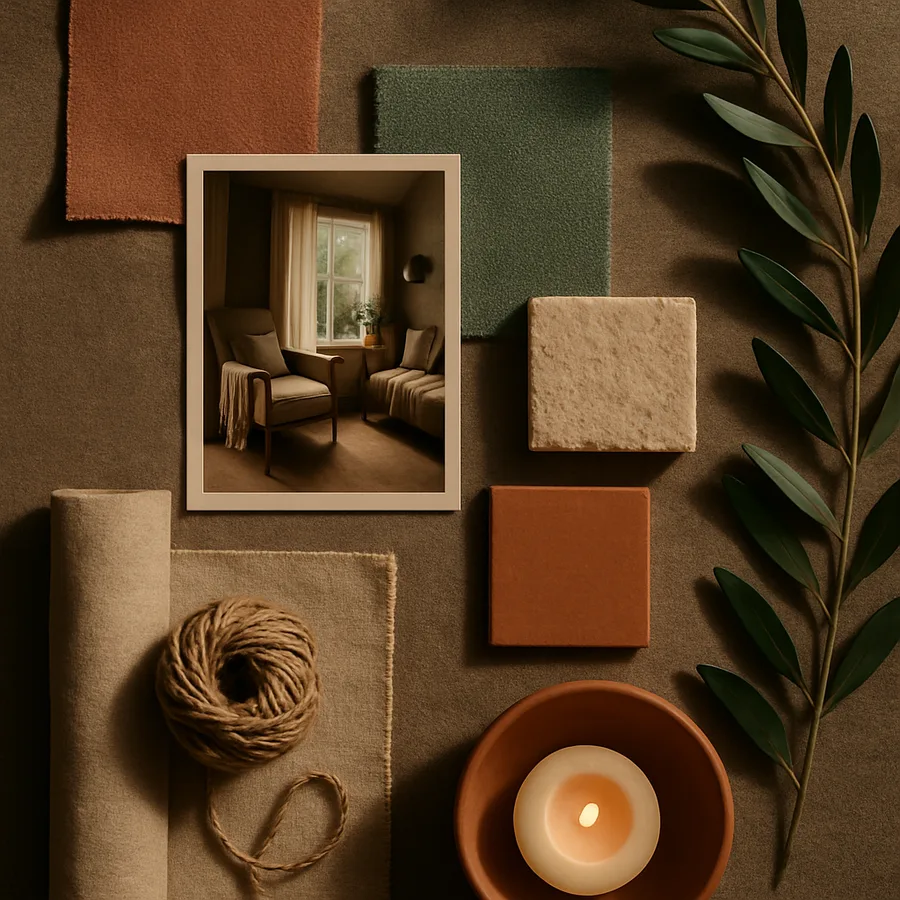
The she-shed has matured well past the cottagecore moment that first put it on the map. What started as a Pinterest aesthetic has become a serious category of residential design, with detailed budgets, layered material palettes, and floor plans drawn by architects who used to specialize in primary residences. The American Society of Interior Designers noted in its most recent residential trends survey that more than 27% of designers reported being asked to scope a backyard retreat or detached personal studio in the prior twelve months, a figure that has nearly doubled since 2020. The reason is straightforward. A small, considered building offers a level of design freedom that a busy family home rarely allows, and the constraints of a 100 to 200 square foot footprint sharpen every decision.
This guide walks through the interior design choices that turn a generic outbuilding into a retreat that earns its name. The focus is on the moves that pay off in daily use, not the photogenic details that look good on social media but fall apart after one rainy season.
Choosing A Programmatic Identity Before You Pick A Paint Color
The most common mistake in a she-shed project is treating the building as a single open volume that will somehow serve every purpose at once. Reading nook, painting studio, yoga space, guest room, and craft workshop are five different programs, and each one wants a different ceiling height, lighting plan, and material palette. Pick a primary identity first and a secondary use only if the primary one truly leaves room.
A reading and writing retreat needs glare-free natural light, a comfortable seat, a small surface for a cup of tea, and storage for books that does not crowd the floor. A craft or art studio needs a generous worktop, durable flooring, washable wall surfaces, and far more outlets than seems reasonable. A yoga or meditation room needs an open floor, calm sightlines, and acoustically soft surfaces. Trying to combine all three usually produces a space that feels like a furniture showroom rather than a sanctuary.
One useful exercise is to draft a one-page brief that names the program, the three to five activities you plan to do in the space, and the mood you want to feel within ten seconds of opening the door. The American Society of Interior Designers publishes residential briefing templates that adapt easily to small projects. With that brief in hand, paint colors, fabrics, and lighting choices stop feeling arbitrary and start serving a purpose.
Lighting As The First Material You Specify
In a small building, light is more important than any finish. A she-shed that gets light right will feel restorative even with modest furnishings, and one that gets light wrong will feel oppressive no matter how much you spend on art and rugs.
Daylighting starts with window placement, not window size. A single south-facing window flanked by two smaller east and west openings delivers more usable light over the course of a day than one oversized picture window on a single wall. If you can specify a skylight or a high transom, the ceiling effectively becomes a fifth wall of brightness, and the room feels noticeably taller. According to research summarized by the U.S. Green Building Council, well-daylit interiors can reduce reliance on electric lighting by more than 40% during occupied hours, with measurable benefits for circadian regulation and mood.
For electric lighting, layer at least three sources. A central pendant or flush mount provides ambient light. A wall-mounted reading sconce or floor lamp delivers task light at the seating area. A pair of small accent fixtures, such as picture lights or LED strips tucked behind shelving, give the room dimension after dark. Choose 2700K to 3000K bulbs for a warm, residential feel, and put as much of the lighting as possible on dimmers. The most relaxing she-sheds in the field have lighting that can drop below ten percent without flicker, which lets the space transition from afternoon tea to evening journaling without ever feeling clinical.
A Material Palette That Calms The Nervous System
The materials inside a she-shed should do more than look good. They should soften acoustics, regulate humidity, and feel inviting under bare feet. The buildings that succeed almost always lean on three categories of natural material: wood, woven fiber, and lime or clay-based wall finishes.
For floors, a wide-plank engineered oak in a matte oil finish is hard to beat. It absorbs minor moisture swings without warping, and it pairs with both modern and cottage aesthetics. If you prefer something softer, a natural wool rug over a cork or sisal underlayment adds warmth without the off-gassing of synthetic carpet. For walls, lime plaster or a clay-based paint finish gives a slightly textured surface that catches light beautifully and quietly buffers indoor humidity. These finishes have been used in residential interiors for centuries, and they age more gracefully than flat latex paint.
Textiles are where personality lives. A linen daybed cover, a heavy wool throw, two or three small handmade ceramics, and a single oversized piece of art will furnish a 120 square foot retreat more convincingly than a roomful of catalog purchases. Aim for a limited palette of three to five colors across the entire space, with one accent color used sparingly. The discipline of restraint is what makes small rooms feel curated rather than cluttered.
Storage That Disappears Into The Architecture
Storage is the discipline that separates a beautiful she-shed from a useful one. Visible clutter destroys the calm a small retreat is meant to provide, but inadequate storage forces you to leave half of your tools and books in the main house, which defeats the purpose of having a dedicated space.
The most reliable approach is built-in millwork that traces the perimeter of the room. A continuous bench seat with lift-up storage along one wall, a ceiling-height bookcase recessed between two studs, and a small wardrobe behind a sliding door can absorb almost everything you need to store without consuming usable floor area. Built-ins are more expensive per linear foot than freestanding furniture, but they pay for themselves in spatial efficiency. A small project budget of $2,500 to $4,500 for built-ins is typical for a 150 square foot retreat.
If a custom carpenter is out of reach, lean into modular systems that can be reconfigured. Adjustable shelving rails, stacking baskets in natural fibers, and a single deep drawer under a bench will handle most needs. Whatever path you choose, follow one rule: every visible storage element should also work as a piece of decor. A basket of yarn next to a chair reads as styling. A stack of plastic bins in a corner reads as failure. Two reader questions to test your design: can you walk into the space and immediately find every tool you use weekly, and can a guest sit down without first moving a pile of something?
Acoustic Comfort And The Quiet You Came Outside To Find
Many she-sheds are built within earshot of HVAC equipment, neighbors' outdoor speakers, and the steady hum of suburban traffic. Acoustic design is the unsung hero of a successful retreat. A small building with hard interior surfaces will amplify exterior noise and reflect every cough and creak inside the room.
Three interventions handle most of the problem. First, soft surfaces on the floor and at least two walls, ideally including window treatments in heavy linen or wool. Second, a ceiling material with some absorption value, such as tongue-and-groove wood with felt backing, or a coffered ceiling with acoustic tiles inside the recesses. Third, dense exterior wall insulation, which the National Association of Home Builders notes can drop perceived exterior noise by 10 to 15 decibels compared to a standard fiberglass-only wall when paired with a properly air-sealed envelope.
If you plan to use the space for music, audio recording, or quiet meditation, consider fabric-wrapped acoustic panels disguised as wall art. Modern acoustic panels come in printed natural-image patterns that look intentional rather than industrial. Two or three panels on the wall opposite a window can take a room from echoey to softly resonant in an afternoon of installation.
Connection To The Garden And The Threshold Moment
A backyard retreat earns its category by feeling tied to the landscape around it. The threshold between the garden and the interior is the most important square foot of the entire project, and it deserves more attention than most builds give it.
Start with the door itself. A full-glass French door or a wide single-leaf door with a sidelight invites the outside in and lets the interior glow in the evening when seen from the main house. A small covered porch, even just a 3 by 5 foot landing, doubles as a transitional zone where you can leave wet boots, sit with a coffee, or open the door wide on a mild afternoon. The porch surface should be a different material from the interior floor, which signals to your body that you are arriving somewhere new.
Plantings around the building matter too. A pair of small trees framing the entry, a low hedge softening the foundation line, and a meandering path of stepping stones from the back of the house all turn the walk to your shed into a small daily ritual. According to design research cited by the American Institute of Architects, even short transitional walks through landscape can produce measurable reductions in stress markers, which is why the journey to the building is part of the program, not separate from it.
Conclusion
The best she-sheds are not the ones with the most expensive finishes or the largest footprints. They are the ones where every choice ladders up to a single clear identity and where the design supports the daily ritual the owner actually wants to practice. A small building used with intention can do more for quality of life than a far larger renovation that lacks a clear program.
The cost-to-value math is also genuinely favorable. A well-considered backyard retreat with quality finishes typically lands in the $18,000 to $40,000 range when built from a quality kit or modest custom shell, and many appraisers will give partial credit for permitted, conditioned outbuildings on resale. More importantly, the daily use rate of a she-shed tends to be far higher than the average home gym or guest bedroom, simply because the space was designed around an activity its owner already loves.
If you are at the beginning of the process, resist the urge to start with finishes. Begin with the brief, settle the program, lay out the lighting, and then let materials follow. The retreats that age best are the ones designed in that order. The ones that disappoint are almost always the ones where someone fell in love with a wallpaper sample before they decided what the room was for.
It is also worth thinking about how the building will evolve across the seasons. A retreat that delights in summer can feel uninviting in February if no one designed for the cold months. Specify a small radiant panel or a low-wattage electric heater, choose textiles that read as warm in winter and cool in summer, and consider a swap-in lighting plan that shifts color temperature as the daylight hours shorten. The retreats that get the most use over a calendar year are the ones whose owners thought about January in May, and about July in November, before any construction began.
Ready to begin? Spend an evening writing the one-page brief described in this article, walk your backyard at three different times of day to find the right footprint, and book a one-hour consultation with a residential designer in your area. The clarity those three steps will give you is worth more than any product purchase you could make this week. The conversations you have with a designer who has built dozens of small retreats are also a fast way to surface the questions you would not have thought to ask, and those questions often reshape the project for the better.
More Articles You May Like



Comments
Post a Comment