Maximizing Small Spaces: Innovative Room Interior Design Ideas You Need
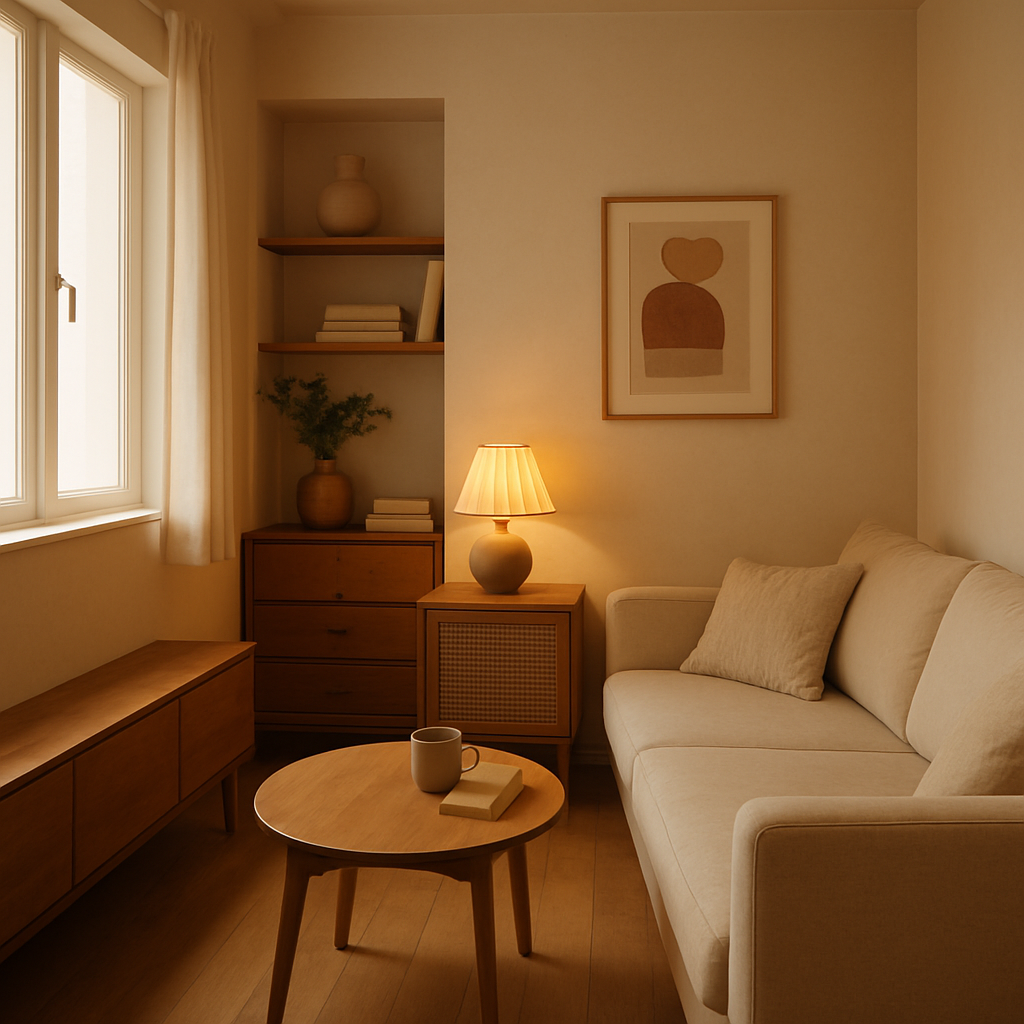
Have you ever felt overwhelmed by the clutter in a small room? You're not alone. According to a study by the American Society of Interior Designers (ASID), nearly 60% of homeowners with limited space feel their interiors are not optimized. Maximizing small spaces isn't just about fitting more into a room; it's about creating environments that enhance how you live. This article will guide you through foundational concepts, delve into data-driven insights, and provide actionable strategies for transforming your compact spaces. We'll explore expert-level details, additional depth with innovative ideas, and conclude with final perspectives that tie it all together.
Understanding the Basics of Small Space Design
When it comes to maximizing small spaces, the first step is understanding the foundational principles of interior design. Space planning is crucial. It involves mapping out how each area in a room will be used. For instance, where do you typically relax, work, or entertain guests? By identifying these zones, you can better allocate resources and design elements to maximize functionality.
Additionally, choosing a cohesive color palette can help make a small room feel larger. Lighter colors reflect more light, which can open up the space visually. According to Architectural Digest, using a monochromatic scheme can create a seamless flow that minimizes visual clutter. This technique is particularly effective in spaces that receive limited natural light.
Furniture selection is another key component. Opt for pieces that offer multiple functions, such as a sofa bed or a dining table with expandable leaves. Experienced professionals often note that furniture with exposed legs gives the illusion of more space by allowing the floor to extend further. With these foundational concepts in mind, you're ready to explore deeper strategies that leverage data and design principles.
Data-Driven Insights on Space Utilization
Recent data from Houzz's annual survey highlights that homeowners who invest in thoughtful space planning report a 20% increase in satisfaction with their home's functionality. This underscores the importance of a strategic approach to design. For example, built-in storage solutions can significantly enhance a room's capacity without infringing on living space.
According to the National Council for Interior Design Qualification (NCIDQ), maximizing vertical space is one of the most effective strategies. This involves using tall bookcases, hanging shelves, and even ceiling-mounted storage units. By elevating your storage, you free up valuable floor space, making the room feel more open.
Integrating technology is another avenue where data supports its effectiveness. Smart home systems that control lighting, climate, and even window treatments can adapt spaces to feel larger and brighter. The International Interior Design Association (IIDA) emphasizes that smart home integration not only adds convenience but also enhances the overall aesthetic by reducing the need for multiple remote controls and cords cluttering the room. With these insights, we can now move to practical strategies you can implement today.
Practical Strategies for Small Space Transformation
To truly transform a small space, actionable strategies are essential. One effective technique is to use mirrors strategically. Mirrors can create the illusion of depth and reflect light, making any room feel larger. Consider placing a large mirror opposite a window to reflect natural light throughout the space. This approach not only brightens the room but also adds a decorative element.
Another strategy involves employing sliding doors or pocket doors instead of traditional swinging ones. These doors save space by eliminating the need for clearance to open and close, allowing you to utilize that area more effectively. This is particularly beneficial in small bathrooms or closets where every inch counts.
Focusing on furniture that can be easily moved or reconfigured is also vital. Consider modular sofas or stackable chairs that can be rearranged based on your needs. This flexibility is invaluable in a small space, where the function of a room may change throughout the day. With these strategies, you can begin to see your small spaces transform into highly functional and aesthetically pleasing areas. Next, we'll explore expert-level insights that take these ideas even further.
Expert Insights for Advanced Small Space Design
Experienced designers often use advanced techniques to enhance small spaces. One such method is the use of biophilic design principles, which integrate natural elements into interior spaces. This can be as simple as incorporating plants or using natural materials like wood and stone. Studies show that biophilic design not only maximizes space aesthetically but also improves well-being by reducing stress.
Japandi style, a blend of Japanese minimalism and Scandinavian functionality, is another expert-recommended approach. This style prioritizes simplicity and clutter-free environments, making it ideal for small spaces. By focusing on quality over quantity, Japandi design encourages the selection of fewer, more impactful pieces that serve multiple purposes.
Finally, using augmented reality (AR) and virtual reality (VR) tools allows you to visualize and plan your space before making any physical changes. These tools provide a digital mockup of your room, enabling you to experiment with different layouts and furnishings virtually. This technology, as noted by the American Institute of Architects (AIA), can save time and resources by helping you make informed decisions about space utilization. With these expert insights, we can delve into additional innovative ideas to further enhance your design.
Additional Innovative Ideas for Space Maximization
One innovative idea to consider is the use of multifunctional walls. These can include pull-down desks, foldable beds, or hidden storage compartments. Multifunctional walls can transform a single space to suit various needs throughout the day, from a home office to a guest room.
Another cutting-edge concept is the integration of sustainable materials. Using reclaimed wood, recycled metal, or eco-friendly textiles not only supports the environment but also adds unique character to your space. The trend toward sustainability is not just a passing fad; it's a growing movement that's becoming a staple in modern design.
Finally, consider the role of lighting. Layered lighting, which combines ambient, task, and accent lighting, can dramatically change the perception of space. By using dimmers and strategically placed lighting fixtures, you can alter the mood and function of a room at different times of the day. These additional ideas will ensure your small spaces are as dynamic and efficient as possible. Now, let's wrap up with some final perspectives.
Final Perspectives on Space Efficiency
Maximizing small spaces is as much an art as it is a science. It's about understanding the interplay between form, function, and aesthetics. By applying the strategies and insights discussed, you can create not just functional but also inspiring interiors that reflect your lifestyle and values.
Have you considered how your current space layout aligns with your daily habits? Taking the time to observe and adjust can yield significant improvements in space efficiency. Remember, the goal is to create harmony between your environment and your needs.
As we conclude, consider setting aside some time to review your space with fresh eyes. What changes will have the most immediate impact? With these final thoughts, you're prepared to embark on your journey of maximizing small spaces with confidence and creativity.
Conclusion: Your Next Steps Toward Space Maximization
In summary, maximizing small spaces requires a blend of foundational principles, data-driven insights, and innovative strategies. From understanding the basics of space planning to applying expert-level techniques, there's a wealth of approaches to explore. Why not start by browsing designer portfolios on Houzz or Architectural Digest's AD PRO to gather inspiration and see how professionals tackle similar challenges?
Your next step is clear: identify one area in your home that could benefit from these strategies and apply what you've learned. Whether it's adding a mirror, rethinking your furniture layout, or experimenting with lighting, even small changes can have a big impact. Start today by dedicating 20 minutes to research or rearrangement-this simple act can spark inspiration for larger transformations. Your journey to maximizing small spaces begins now.



Comments
Post a Comment