Transform Your Space: How an Interior Design Company Elevates Your Home's Aesthetic
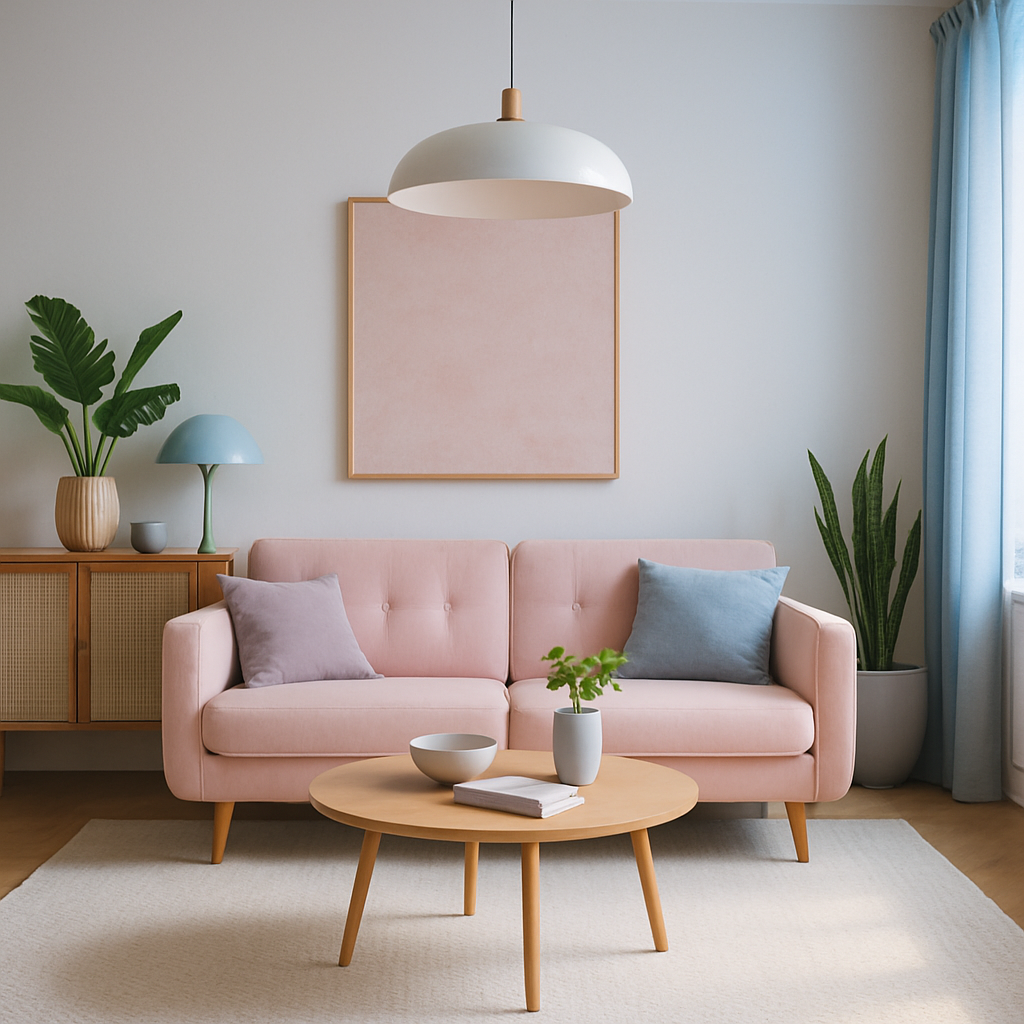
Imagine walking into your home and feeling an immediate sense of calm and delight, the kind that comes from a space that is both beautiful and functional. According to a survey by Houzz, over 75% of homeowners report increased satisfaction with their living spaces after a professional redesign. This statistic underscores the transformative power of professional interior design. An interior design company doesn't just change how a space looks; it can elevate how you feel in your home. In this article, we'll explore the foundational concepts of interior design, delve into data-backed strategies, and provide expert insights on how to work with a design company to transform your home.
The Foundation of Interior Design
To truly transform your space, it's crucial to understand the foundational concepts of interior design. At its core, interior design is about creating a harmonious and functional environment tailored to the inhabitants' lifestyle. Professional interior designers, often certified through organizations like the NCIDQ (National Council for Interior Design Qualification), possess the expertise to balance aesthetics with practicality. They consider elements like spatial planning, color theory, and material selection to ensure a cohesive design that aligns with your personal preferences.
One of the key principles in interior design is spatial planning. This involves mapping out how you actually use each room - where you drop your keys, where the kids do homework, and where you unwind after a long day. Understanding these patterns allows designers to create spaces that are not only visually appealing but also highly functional. This thoughtful approach can make a significant difference in everyday life, enhancing comfort and convenience.
Color theory is another foundational element that professional designers expertly navigate. By understanding how colors interact and the psychological effects they have, designers can craft moods and atmospheres that resonate with your desired aesthetic. Whether it's the calming effect of blues and greens or the energizing impact of reds and oranges, the right color palette can transform a space from drab to dynamic. With these foundational concepts at play, the journey into deeper design decisions becomes more structured and purposeful.
Harnessing Data for Design Decisions
Interior design is not just an art; it's a science backed by data and research. According to the American Society of Interior Designers (ASID), well-designed interiors can increase a home's resale value by 5-15%. This data point highlights the tangible benefits of investing in professional design services. Designers utilize tools like Houzz and Architectural Digest's AD PRO network to stay informed about current trends and consumer preferences, ensuring that your home reflects both modern aesthetics and timeless appeal.
A significant trend in interior design is the integration of biophilic design, which emphasizes natural elements like living walls and natural light. Data from recent surveys suggest that homeowners are increasingly drawn to designs that incorporate sustainable and eco-friendly materials. By using reclaimed wood or recycled metals, designers not only create beautiful spaces but also contribute to a more sustainable environment. This approach aligns with the growing consumer demand for eco-conscious living spaces.
Experienced professionals often note that smart home integration is becoming a staple in modern interior design. Automated lighting, climate control, and window treatments are not only convenient but also enhance the overall energy efficiency of a home. When you work with an interior design company, they can advise on the best technology solutions that complement your lifestyle and design goals. Transitioning from data to actionable strategies, the next section will provide practical steps to engage with a design company effectively.
Actionable Strategies for Engaging a Design Company
When considering hiring an interior design company, it's essential to approach the process with clear goals and a realistic budget in mind. Industry surveys suggest that the cost for a single room redesign can range from $5,000 to $15,000, while full-home projects may exceed $50,000. These figures underscore the importance of establishing a budget early on. Begin by prioritizing which areas of your home need the most attention and consider the potential return on investment, both in terms of daily enjoyment and resale value.
Once you've determined your budget, selecting the right design firm becomes the next crucial step. Look for designers with credentials such as ASID (American Society of Interior Designers) or IIDA (International Interior Design Association). These affiliations indicate a level of professionalism and expertise that can significantly impact your project's success. Browse portfolios on platforms like Houzz to find designers whose previous work resonates with your vision. When reviewing portfolios, focus on the details: how they use light, the textures they favor, and their approach to space utilization.
Before committing to a design firm, schedule consultations with a few top contenders. Use this time to discuss your vision, ask about their process, and get a sense of their communication style. Pay attention to how they listen to your ideas and their willingness to incorporate your personal style into their designs. Remember, a successful collaboration requires open communication and a shared vision. With these strategies in place, you'll be well-prepared to dive into the design process, which we'll explore further in the next section.
Expert Insights on the Design Process
Engaging with a design company involves multiple phases, each critical to the overall success of your project. The first phase is concept development, where designers present initial ideas and sketches based on your preferences and lifestyle. This is a collaborative stage, and your feedback is crucial in shaping the direction of the project. During this phase, designers may use AR/VR visualization tools to give you a realistic preview of your redesigned space, enabling you to make informed decisions early on.
The next phase is the design presentation, where your designer shares detailed plans and mood boards. This is where you see the culmination of your discussions and the designer's expertise come to life. Here, you'll review everything from floor plans to fabric swatches. Experienced designers often suggest using this opportunity to fine-tune details, ensuring that the final design exceeds your expectations. This stage sets the foundation for the subsequent phases of procurement and installation.
Procurement and installation are where the tangible transformation begins. Your designer will manage the sourcing of materials and furnishings, leveraging their industry connections to secure the best pieces at competitive prices. Installation is orchestrated to minimize disruption to your daily life, with the designer overseeing every detail to ensure a seamless execution. This meticulous attention to detail is what transforms a space from ordinary to extraordinary. As we delve into additional expert insights, you'll gain a deeper understanding of how a design company can elevate your home.
Additional Depth: Navigating Challenges and Expectations
Even with expert guidance, challenges can arise during any design project. Understanding potential hurdles upfront can help manage expectations and ensure a smoother process. One common challenge is balancing personal style with current trends. While it's essential to create a space that feels uniquely yours, incorporating trends like Japandi - a blend of Japanese minimalism and Scandinavian warmth - can keep your home feeling current and fresh. Designers will guide you in selecting trends that complement your personal aesthetic without overwhelming it.
Another challenge is managing timelines. Delays can occur due to sourcing issues or unexpected construction hurdles. Professional designers are adept at navigating these challenges, often having contingency plans in place to keep the project on track. Their experience and industry connections are invaluable in troubleshooting such issues. Communication is key during these times; regular updates from your designer can alleviate concerns and maintain momentum.
Lastly, it's crucial to consider the emotional aspect of transforming your space. Change can be both exciting and daunting. A skilled interior designer understands this and will support you throughout the process, ensuring that the final result is a reflection of your vision and lifestyle. As we wrap up this exploration, we'll touch on final perspectives that emphasize the enduring value of professional design services.
Final Perspectives on Interior Design
As you reflect on the journey of transforming your space with an interior design company, consider the long-term benefits beyond aesthetics. A well-designed home not only enhances everyday living but also contributes to a sense of well-being and harmony. According to industry surveys, homeowners who invest in professional design services often report higher levels of satisfaction and comfort in their homes, underscoring the lasting value of such an investment.
Moreover, as sustainability becomes increasingly important, choosing a design company that prioritizes eco-friendly practices can have a positive impact on both your home and the environment. From selecting sustainable materials to incorporating energy-efficient technologies, professional designers can guide you in making choices that align with your values and lifestyle. This holistic approach to design ensures that your home remains a sanctuary for years to come.
Ultimately, the decision to engage a design company is a commitment to elevating your home's aesthetic and functionality. With the insights and strategies outlined in this article, you're well-equipped to embark on this transformative journey. As we conclude, let's focus on actionable steps you can take to begin this process.
Conclusion: Next Steps in Your Design Journey
In summary, partnering with an interior design company offers a wealth of benefits, from expert guidance and trend insights to a beautifully cohesive home. As you consider this path, start by browsing portfolios on platforms like Houzz this week - even 20 minutes of research will sharpen your eye for what you want. Ask yourself what styles resonate with you, and which designers consistently deliver results that align with your vision. Begin reaching out to potential designers for consultations, and don't hesitate to inquire about their approach and past projects.
Your home is a reflection of your personality and lifestyle, and with the right design team, you can create a space that elevates both. Whether you're dreaming of a serene retreat or a vibrant family hub, professional designers have the tools and expertise to bring your vision to life. Take the first step today, and transform your space into a place you'll love coming home to.



Comments
Post a Comment