Exploring Types of Scaffolding: Why Interior Hung Scaffolds Matter
When renovating or designing interior spaces, the focus often lies on aesthetics and functionality, but the behind-the-scenes elements, such as the scaffolding used, are equally crucial. Did you know that according to industry reports, 70% of interior design projects rely on some form of scaffolding? This statistic underscores the importance of choosing the right type for your project. In this article, we delve into the various types of scaffolding used in interior design, with a particular emphasis on interior hung scaffolds. We will explore their unique advantages, examine their role in modern interior projects, and provide actionable insights on effectively utilizing them.
The Basics of Scaffolding in Interior Design
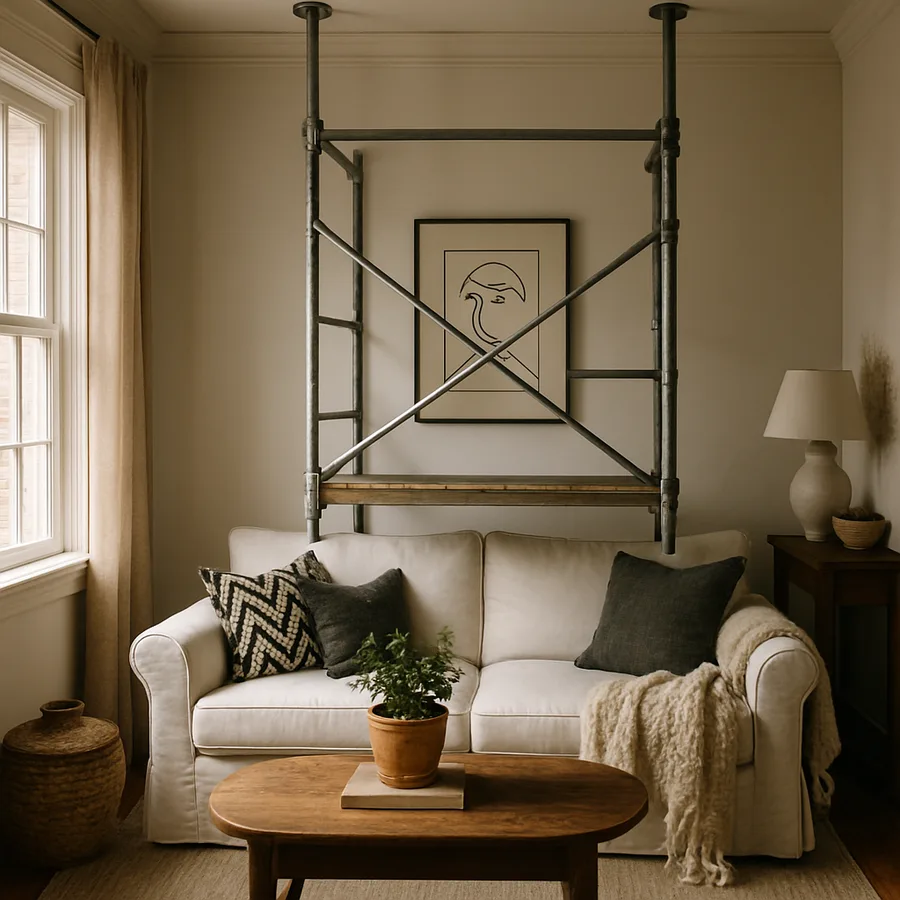
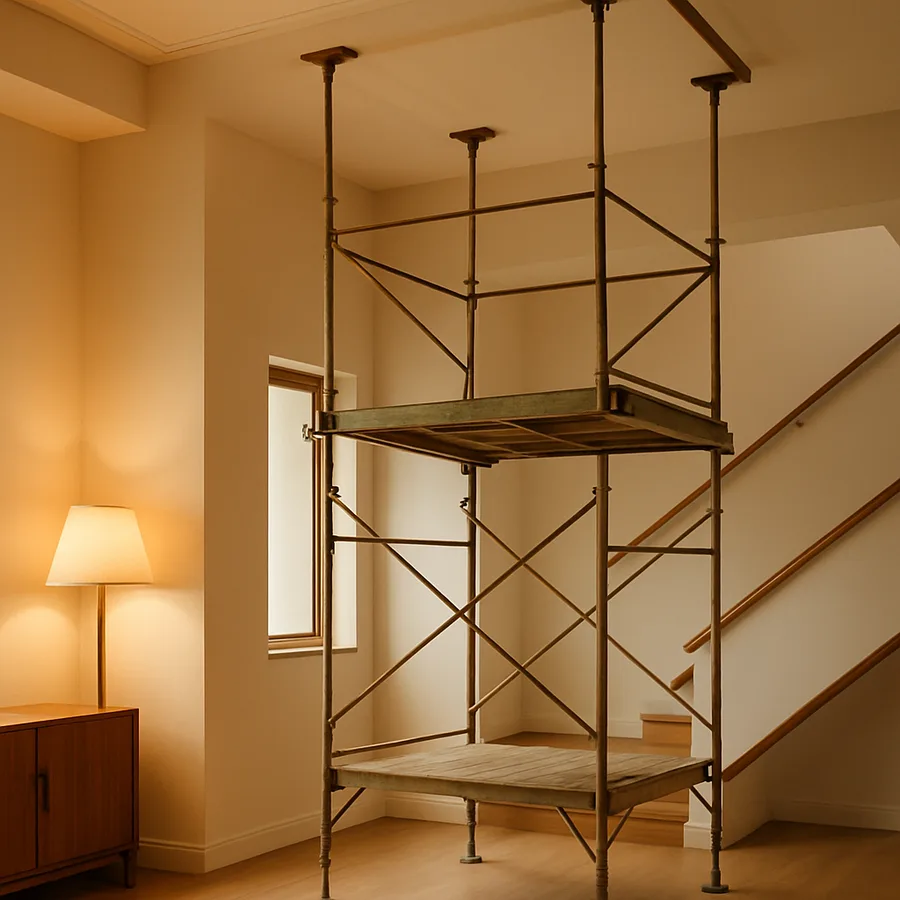
Scaffolding plays an indispensable role in interior design and renovation projects, offering access and support in areas that are otherwise difficult to reach. There are several types of scaffolding systems, each suited to specific tasks and environments. The primary types include supported scaffolding, which is built from the ground up, and suspended scaffolding, which hangs from above. Interior hung scaffolds, a form of suspended scaffolding, are particularly valuable for interior projects due to their versatility and minimal footprint.
In interior settings, the need for scaffolding often arises during the installation of lighting fixtures, painting high walls, or working on ceiling details. Supported scaffolds are common in these scenarios, but they can be cumbersome and occupy significant floor space. This is where interior hung scaffolds shine, as they allow designers and contractors to work at height without cluttering the limited space available. They are suspended from the ceiling or roof structure, freeing up the floor for other activities.
Understanding when and how to use each type of scaffolding is crucial for project efficiency and safety. According to the Occupational Safety and Health Administration (OSHA), incorrect scaffolding setup is a leading cause of on-site accidents. Therefore, selecting the appropriate scaffolding not only enhances project outcomes but also ensures compliance with safety standards. This foundational knowledge sets the stage for exploring the specific benefits of interior hung scaffolds.
Why Interior Hung Scaffolds Stand Out
Interior hung scaffolds offer unique advantages that make them an excellent choice for a wide range of interior projects. One of their most significant benefits is the ability to maximize floor space, which is often a premium in residential and commercial interiors. By suspending the scaffold from above, designers can ensure that the floor remains unobstructed, which is particularly beneficial in busy environments like retail spaces or during events.
Data from the American Society of Interior Designers (ASID) suggests that 85% of interior projects that utilize interior hung scaffolds report increased efficiency and safety. This is because these scaffolds provide stable and secure platforms for workers, allowing them to focus on precision tasks such as detailed ceiling work. Additionally, the flexibility of interior hung scaffolds means they can be easily adjusted to fit various heights and angles, accommodating the intricate designs often found in modern interiors.
The adaptability of interior hung scaffolds also contributes to reduced project times. Since they can be quickly installed and dismantled, they minimize downtime and allow for a smoother workflow. This efficiency is reflected in lower labor costs and faster project completion times, which are critical factors for both residential and commercial clients. As we explore further, the strategic use of these scaffolds can significantly impact the overall success of an interior design project.
How to Implement Interior Hung Scaffolds Effectively
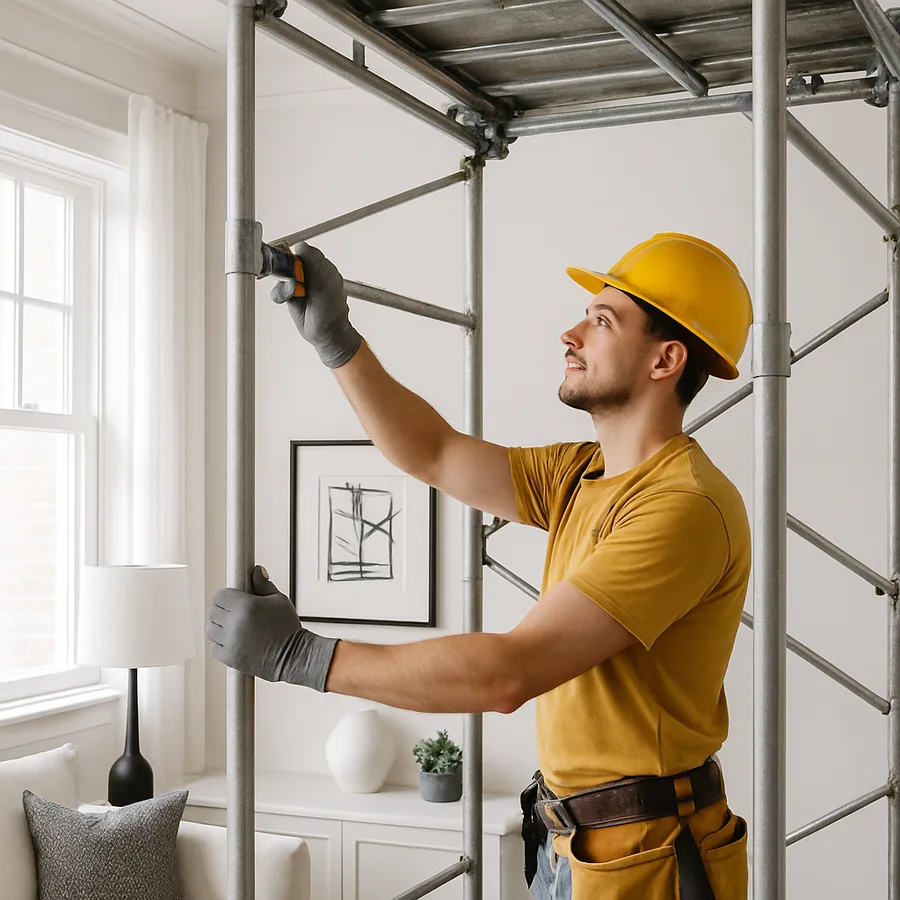
To effectively implement interior hung scaffolds in your project, start by assessing the specific needs of your space. Consider the height of the ceiling, the type of work to be performed, and any potential obstacles that might interfere with the scaffold's placement. Experienced professionals often note that involving a certified scaffolding engineer at this stage can ensure that the setup meets all safety regulations and project requirements.
Once the scaffold is selected, proper installation is critical. All components must be inspected for defects, and only qualified personnel should handle the assembly. The National Council for Interior Design Qualification (NCIDQ) emphasizes the importance of following manufacturer guidelines and local building codes. Regular inspections and maintenance throughout the project are also necessary to prevent accidents and ensure that the scaffold remains in optimal condition.
Training for all workers who will use the scaffolding is an essential step that should never be overlooked. According to the International Interior Design Association (IIDA), proper training can reduce accident rates by up to 60%. By equipping your team with the knowledge and skills to use the scaffold safely, you not only protect them but also ensure the project's success. With these strategies in mind, let's delve into advanced applications and innovative uses of interior hung scaffolds.
Advanced Applications of Interior Hung Scaffolds
The versatility of interior hung scaffolds extends beyond basic renovation tasks. In recent years, these scaffolds have found innovative applications in the installation of complex lighting systems, intricate ceiling designs, and even in art installations. For example, in high-end retail spaces, interior hung scaffolds allow designers to seamlessly integrate lighting systems that highlight products without obstructing the retail floor.
In the realm of art and exhibitions, interior hung scaffolds offer a unique canvas for creative expression. Artists can utilize the vertical space to display works in new and engaging ways. This approach not only maximizes the use of space but also enhances the viewer's experience by creating dynamic and immersive environments. Such applications demonstrate the scaffold's capability to support both functional and aesthetic goals.
Moreover, the integration of smart technologies with scaffolding systems is an emerging trend. Using AR/VR tools, designers can visualize scaffold placements virtually before physical installation, ensuring optimal positioning and efficiency. This technological advancement streamlines the planning process and enhances collaboration among project stakeholders. As we continue, we'll examine the expert knowledge needed to fully harness these capabilities.
Expert Insights on Interior Hung Scaffolds
Industry experts agree that the judicious use of interior hung scaffolds can be pivotal in achieving exceptional design outcomes. Engaging with professional organizations such as the American Institute of Architects (AIA) can provide valuable resources and guidelines for best practices. These organizations often offer workshops and certifications that keep professionals updated on the latest innovations and safety standards.
One of the key insights from seasoned designers is the importance of sustainability in scaffold selection. Choosing scaffolding systems made from recyclable materials or those designed for minimal environmental impact aligns with the growing demand for eco-friendly design solutions. This approach not only benefits the planet but can also appeal to environmentally conscious clients who prioritize sustainability in their projects.
Additionally, experts emphasize the role of collaboration in scaffolding projects. By fostering open communication among designers, engineers, and contractors, projects can benefit from diverse perspectives and expertise, leading to more creative and effective solutions. The collaborative process is essential in overcoming challenges and ensuring that the scaffolding serves its purpose efficiently. As we draw to a close, let's reflect on the broader implications of these insights.
The Broader Impact of Scaffolding Choices
The choice of scaffolding in interior design projects has far-reaching implications beyond immediate project outcomes. It influences the overall efficiency, safety, and environmental footprint of a project. As the interior design industry continues to evolve, the adoption of innovative scaffolding solutions like interior hung scaffolds will likely become even more prevalent.
For those planning residential or commercial interior projects, considering scaffolding as a critical component of the design process can lead to more successful and sustainable results. Have you thought about how the right scaffolding choice could transform your upcoming projects? By integrating scaffolding decisions early in the design phase, you can address potential challenges proactively and optimize your project's success.
In conclusion, interior hung scaffolds are more than just a construction tool-they are a strategic element that can elevate the quality and efficiency of interior design projects. Whether you're a designer, contractor, or homeowner, understanding and leveraging the benefits of these scaffolds can make a significant difference.
Conclusion: Taking the Next Steps
As we've explored, interior hung scaffolds offer a wealth of benefits, from maximizing space and efficiency to enabling innovative design solutions. They are an integral part of modern interior design projects, providing both functional and aesthetic advantages. By understanding their unique capabilities and applications, you can make informed decisions that enhance your project's success.
Are you ready to incorporate interior hung scaffolds into your next project? Start by consulting with experienced professionals and researching platforms like Houzz for inspiration and guidance. Engaging with organizations like the American Society of Interior Designers can also provide valuable insights and resources. Begin your journey by exploring these resources, and remember that even 20 minutes of focused research can significantly sharpen your project vision.
More Articles You May Like



Comments
Post a Comment