Exploring Innovative Design Techniques with a Master's in Interior Design Degree
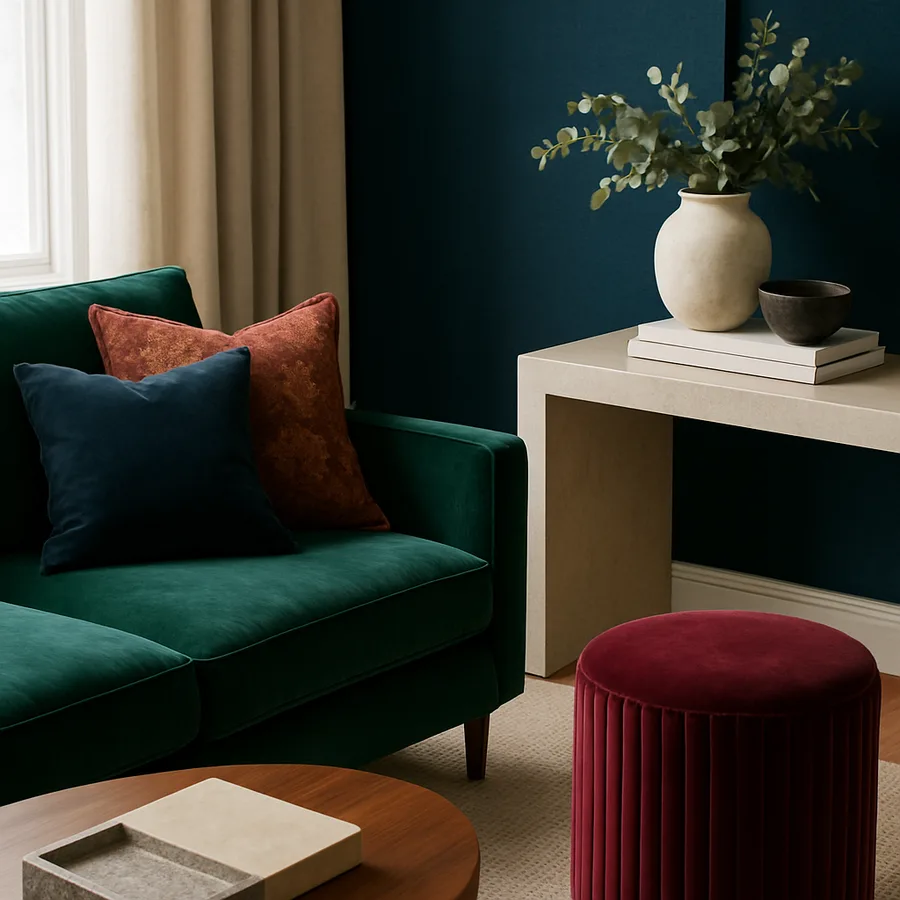
Imagine walking into a room that feels off, where the furniture clashes, the lighting is harsh, and the space feels more like a maze than a sanctuary. This is a common reality for many homeowners who struggle with creating cohesive and functional spaces. The need for innovative design techniques has never been more acute, especially as homeowners seek to blend aesthetics with functionality. A Master's in Interior Design degree offers the expertise needed to tackle these challenges head-on, equipping designers with the skills to transform any space into a harmonious environment. This article explores why these design challenges matter, the root causes, and how advanced education can provide effective solutions.
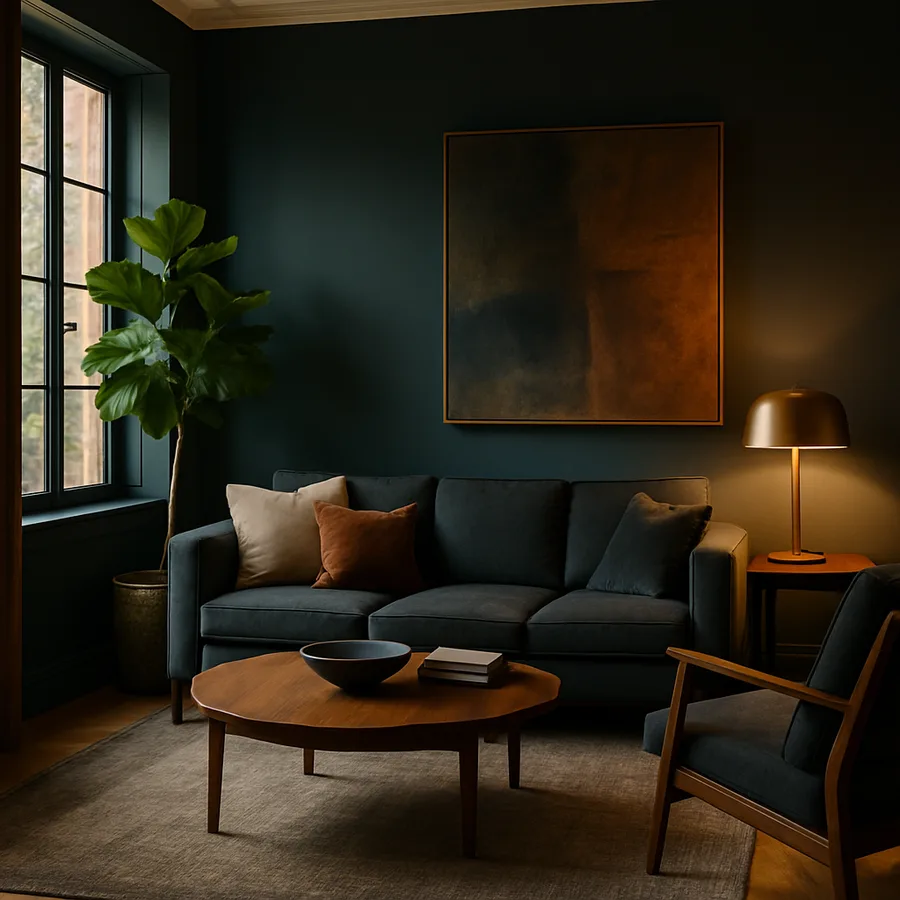
Why This Problem Matters
The significance of poor interior design goes beyond mere aesthetics. According to industry surveys, well-designed interiors can increase property resale value by 5-15%. This is a substantial margin that can translate into tens of thousands of dollars, especially in competitive real estate markets. Additionally, poorly designed spaces can negatively impact mental well-being and productivity. Imagine trying to relax in a cluttered living room or focus in a dimly lit office; these environments can hinder your daily life.
Moreover, as more people work from home, the demand for multifunctional spaces has surged. The American Society of Interior Designers (ASID) highlights that adaptable home environments are now crucial for maintaining work-life balance. Therefore, understanding and implementing innovative design techniques is not just about creating beautiful spaces but also about enhancing the quality of life. The role of a Master's in Interior Design becomes pivotal here, as it provides the knowledge to integrate these elements seamlessly.
Without addressing these issues, homeowners risk living in spaces that do not support their lifestyle or meet their emotional needs. Are you currently experiencing any frustrations with your living space? If so, it may be time to consider exploring advanced design solutions. As we delve into the reasons behind these design challenges, you'll see why a structured education is key to innovation.
Understanding the Root Causes
Several factors contribute to the challenges faced in interior design. First, there's the issue of overwhelming choices. With countless furniture, color palettes, and layout options available, even seasoned designers can find it difficult to make decisions that satisfy both practical and aesthetic demands. The rise of platforms like Houzz has democratized access to design ideas, yet it can also lead to choice paralysis without a clear vision.
Another root cause is the lack of understanding of spatial dynamics. Many people underestimate the importance of space planning, which involves analyzing how a space is used and how different elements interact within it. According to the International Interior Design Association (IIDA), effective space planning is critical for optimizing functionality and flow, yet it's often overlooked by amateur designers.
Lastly, technological advancements have changed the landscape of interior design. While tools like AR/VR room visualization can aid in conceptualizing spaces, they require a certain level of expertise to use effectively. Without formal training, these tools might go underutilized. By understanding these root causes, it becomes clear why a Master's in Interior Design is invaluable-it equips designers with the skills to navigate these complexities.
Solution #1: Advanced Educational Pathways
Pursuing a Master's in Interior Design is one of the most effective solutions to overcoming design challenges. This advanced degree not only deepens your understanding of aesthetics and functionality but also enhances your ability to apply innovative techniques within real-world contexts. Programs typically cover a wide range of subjects, including sustainable design practices, advanced materials, and the latest technology integration in design.
For example, many programs now include courses on biophilic design, which emphasizes the connection between humans and nature through natural materials and indoor-outdoor spaces. This approach is increasingly popular, as it has been shown to increase occupant well-being and productivity. Graduates with a Master's degree are therefore well-prepared to implement these cutting-edge techniques effectively.
Moreover, obtaining a Master's degree often involves building a professional network through internships and industry events. This network can be crucial for staying updated on industry trends and gaining insights from seasoned professionals. Have you considered how advancing your education could open doors to new design possibilities? If not, it might be time to explore the educational opportunities available in your area.
Solution #2: Leveraging Technology and Tools
Another solution lies in the strategic use of technology and design tools. Advanced technology such as AR/VR visualization tools allows designers to create accurate, immersive simulations of design plans. This not only helps in communicating ideas to clients but also enables designers to refine their concepts before implementation. Experienced professionals often note that these tools can reduce costly design errors by allowing for thorough pre-visualization.
Platforms like ASID and IIDA offer resources and tools that can aid in the design process, from planning to execution. These platforms provide access to a wealth of knowledge and best practices, enhancing a designer's ability to innovate. For instance, the use of 3D modeling software like SketchUp or AutoCAD is now a staple in design methodology, enabling intricate detail work that meets both client expectations and functional needs.
Additionally, incorporating smart home technology into designs is becoming increasingly important. From automated lighting to climate control, integrating these elements requires a nuanced understanding of both technology and design, which is often gained through formal education and hands-on experience. As we compare different solutions, the importance of combining educational depth with technological prowess becomes evident.
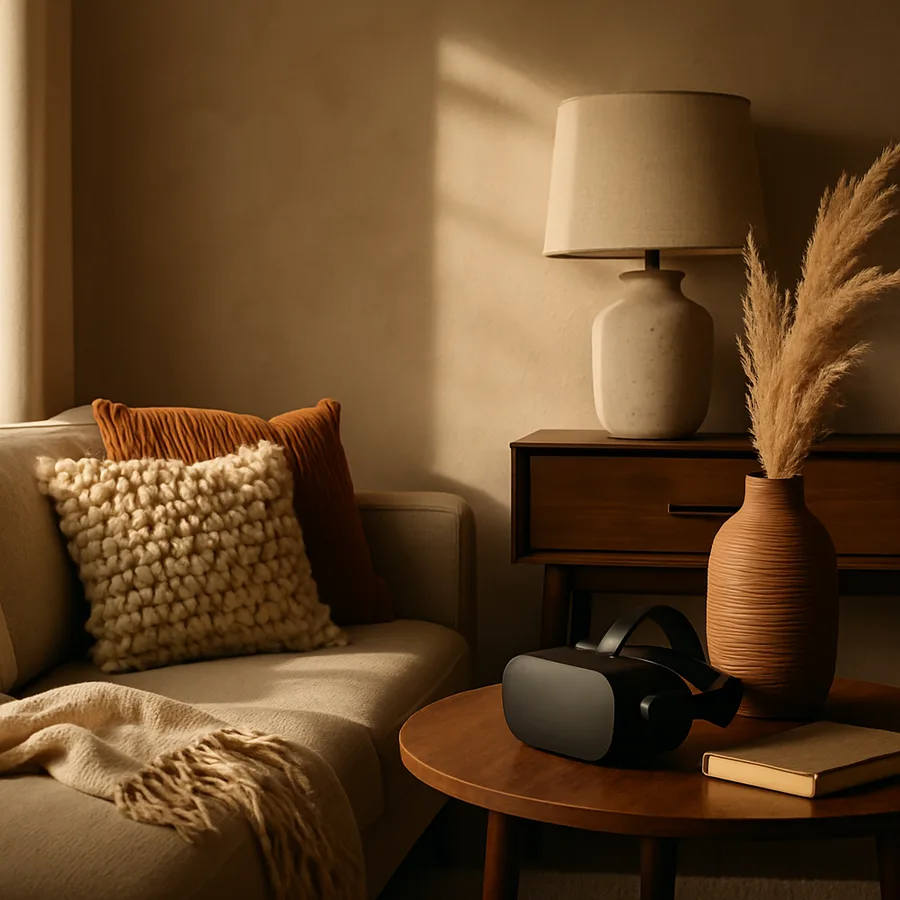
Comparing Your Options
When deciding between pursuing a Master's in Interior Design and leveraging technology independently, it's important to weigh the pros and cons of each approach. A Master's program provides structured learning, mentorship from experienced faculty, and networking opportunities, but it also requires a significant time and financial investment. On average, tuition costs can range from $20,000 to $50,000, depending on the institution. However, the return on investment can be substantial, as advanced credentials often lead to higher-paying job opportunities and greater client trust.
On the other hand, self-teaching technology tools is a more flexible and cost-effective approach. Many resources are available online for free or at a low cost, allowing for a tailored learning pace. Yet, without the guidance of a structured program, there's a risk of gaps in knowledge and inconsistent skill application. This can result in less polished design outputs and potential client dissatisfaction.
Ultimately, the best approach may be a combination of both-pursuing formal education while continually updating your skills with the latest technology. By doing so, you can achieve a balanced skill set that maximizes both creative potential and practical application. Are you ready to invest in your future as a top-tier interior designer?
Implementation Guide
If you're considering pursuing a Master's in Interior Design, the first step is to research programs that align with your career goals. Look for accredited programs that offer courses in innovative design techniques, sustainable practices, and technology integration. Platforms like Houzz can be a great resource for finding schools with strong reputations in the industry.
Once enrolled, immerse yourself in the program by taking advantage of every opportunity to learn and network. Attend industry events, participate in workshops, and seek internships that provide hands-on experience. This proactive approach will not only enhance your learning but also expand your professional network, opening doors to future collaborations and career advancements.
Simultaneously, familiarize yourself with the latest design tools and technology. Invest time in mastering software like SketchUp, AutoCAD, and VR modeling platforms. These skills will increase your marketability and effectiveness as a designer. With these steps, you'll be well-prepared to tackle any design challenge with confidence and creativity. As we conclude, consider how these strategies can transform your approach to interior design.
Conclusion
Exploring innovative design techniques through a Master's in Interior Design degree offers a comprehensive pathway to mastering the art and science of interior spaces. Whether it's through formal education or leveraging cutting-edge technology, each approach provides unique benefits that can significantly enhance your capabilities as a designer. By comparing these options and following a strategic implementation guide, you can effectively address the challenges of modern interior design.
Ready to take the next step in your interior design journey? Begin by researching Master's programs and exploring design tools that align with your vision. Start by browsing portfolios on Houzz this week-even 20 minutes of research will sharpen your eye for what you want. With the right education and tools, you can transform spaces into stunning, functional works of art.
More Articles You May Like



Comments
Post a Comment