The Future of Work: Exploring Remote Interior Design Careers
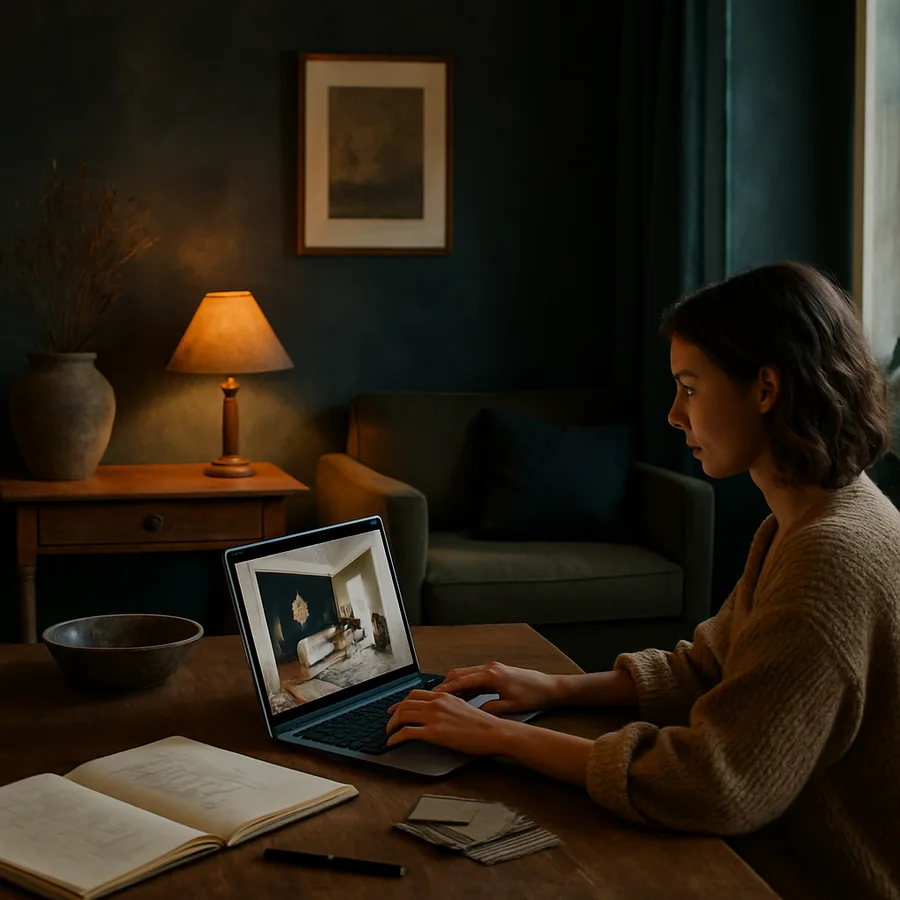
Picture this: You're a talented interior designer, but the daily commute, rigid work hours, and geographical limitations are stifling your creativity. Does this sound familiar? In today's digital era, many professionals in creative industries are feeling the squeeze of traditional work environments. This is especially true for interior designers who crave the flexibility to let their artistic visions flow. Enter the realm of remote interior design careers - a burgeoning field offering unprecedented freedom and opportunities. But how does one navigate this new landscape effectively? In this article, we will explore the challenges and potentials of remote work in interior design, offering insights and actionable steps for those ready to embrace this future.
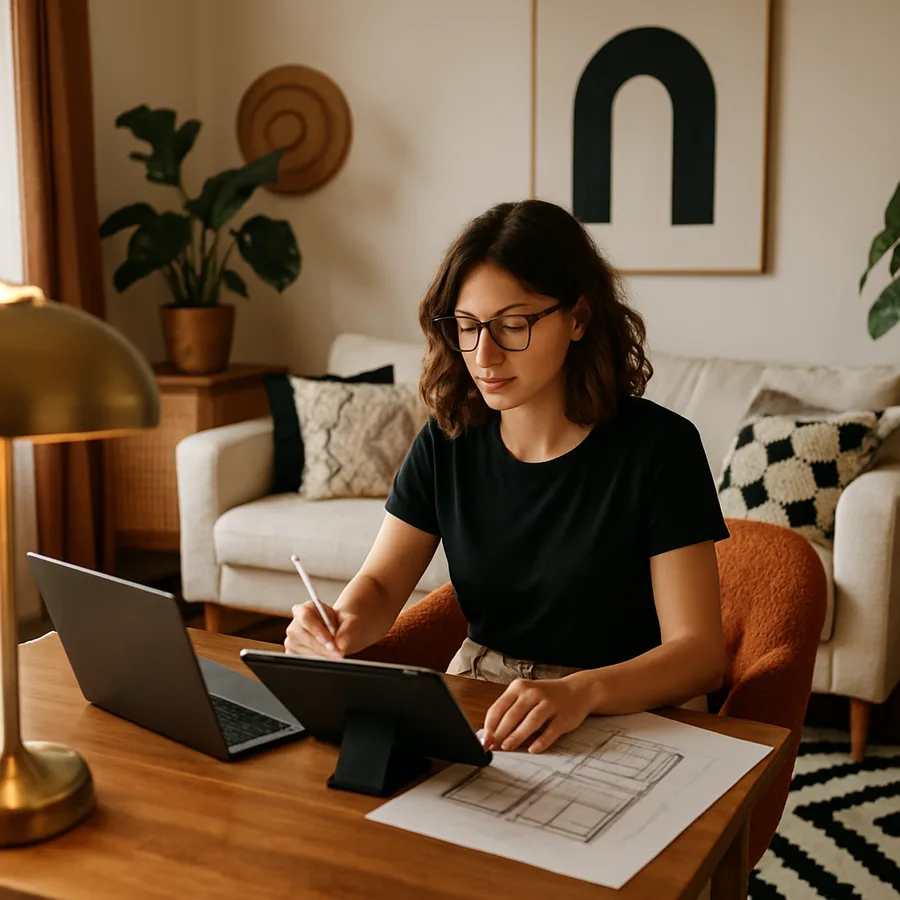
Why This Problem Matters
The shift towards remote work is reshaping numerous industries, and interior design is no exception. According to a survey by the American Society of Interior Designers (ASID), nearly 30% of designers expressed interest in full-time remote work options. This growing trend highlights a critical shift in work dynamics where flexibility is no longer a luxury but a necessity. As designers seek to balance work and personal life more effectively, the option to work remotely becomes increasingly appealing.
Moreover, the global reach of remote work allows designers to tap into new markets, expanding their client base beyond local boundaries. This is particularly important as the demand for personalized and culturally nuanced design grows. By working remotely, designers can collaborate with clients worldwide, offering unique insights and solutions molded by diverse cultural perspectives. Such opportunities not only enhance professional growth but also fuel creativity and innovation.
Yet, this shift is not without challenges. Many designers find it difficult to replicate the hands-on, tactile experience of traditional interior design in a virtual setting. Additionally, the absence of face-to-face interaction can hinder communication and rapport building with clients. These issues underscore the importance of adapting strategies to effectively function in a remote environment. As we delve deeper, understanding these root causes will provide clarity on how to tackle them.
Understanding the Root Causes
One significant challenge of remote interior design is the lack of physical presence, which has traditionally been a cornerstone of the industry. Designers often rely on physical walkthroughs to gauge a space's potential and understand client preferences. Remote work disrupts this process, necessitating a shift towards digital tools and virtual communication platforms. However, such tools can sometimes fall short in capturing the nuances of a designer's vision or a client's needs.
Another root cause is the technological barrier. While innovations like AR/VR room visualization tools offer exciting possibilities, they require both designers and clients to be tech-savvy. According to a report by Houzz, 45% of homeowners are hesitant to adopt advanced technology for home renovation projects, citing complexity and cost as primary concerns. This reluctance can impede the designer-client collaboration, affecting the overall project outcome.
Lastly, the freelance nature of remote work can be daunting for many interior designers used to the stability of agency or firm employment. The need to manage administrative duties, client acquisition, and project management independently can be overwhelming. Without proper support systems and resources, designers may struggle to maintain the quality of their work and client satisfaction. These challenges highlight the need for strategic solutions tailored to the remote work landscape.
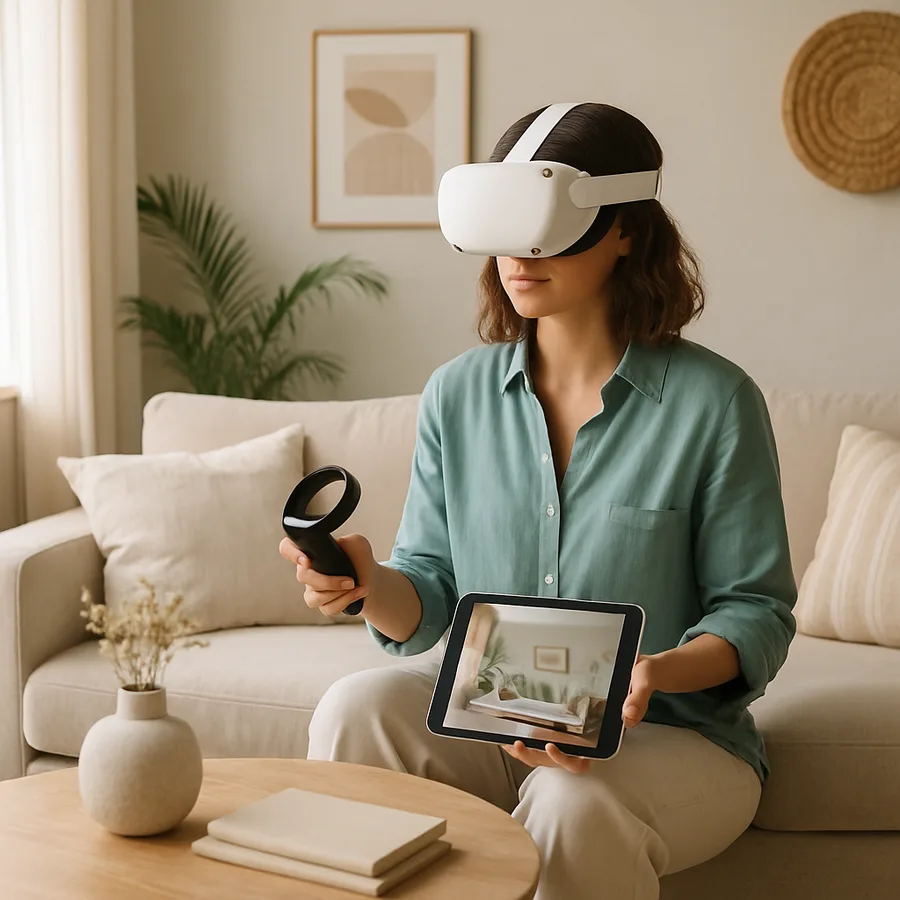
Solution #1: Leveraging Technology
To thrive in a remote interior design career, embracing technology is essential. Platforms like Houzz and SketchUp offer invaluable resources for virtual design and client interaction. These tools allow designers to create detailed 3D models, facilitating a clearer visualization of design concepts. By harnessing these technologies, designers can bridge the gap between virtual and physical spaces, ensuring that their ideas are communicated effectively.
Additionally, investing in AR/VR technologies can significantly enhance the remote design process. Tools like RoomSketcher and Planner 5D enable clients to experience design proposals in a virtual environment, providing a more immersive and interactive experience. This not only helps clients make informed decisions but also builds trust and confidence in the designer's vision. As experienced professionals often note, the ability to adapt to new technologies is a hallmark of successful designers in today's market.
However, technology alone is not enough. It must be complemented by effective communication skills. Regular virtual meetings and collaborative platforms like Zoom and Slack can facilitate seamless communication, ensuring that designers and clients are always on the same page. By prioritizing clear and consistent communication, designers can mitigate misunderstandings and foster stronger client relationships. This approach lays a solid foundation for successful remote design projects.
Solution #2: Building a Strong Online Presence
Another pivotal strategy for remote interior designers is cultivating a robust online presence. In an increasingly digital world, your online portfolio is often the first impression potential clients will have of your work. Utilizing platforms like Instagram and Pinterest can showcase your designs and attract a broader audience. By curating a visually appealing and cohesive portfolio, you can effectively communicate your design philosophy and capabilities to prospective clients.
Moreover, engaging with online design communities and professional networks such as the International Interior Design Association (IIDA) can open doors to new opportunities and collaborations. These platforms offer invaluable resources for professional development and client acquisition. Networking within these communities can also provide support and insights into industry trends, helping you stay ahead of the curve.
Additionally, consider leveraging content marketing to establish authority and attract clients. Regularly publishing blog posts, tutorials, or design tips on your website can position you as a thought leader in the industry. Are you actively engaging with your audience online? By sharing valuable content, you not only enhance your credibility but also increase your visibility in search engine results, driving more traffic to your portfolio.
Comparing Your Options
When considering remote interior design careers, it's crucial to weigh the pros and cons of different approaches. Leveraging technology can enhance client interaction and streamline the design process, but it requires a significant initial investment in learning and resources. On the other hand, building an online presence is cost-effective and organic, though it demands consistent effort and creativity to maintain engagement.
The cost implications of these strategies also vary. Investing in high-quality AR/VR tools and software can range from a few hundred to several thousand dollars annually, depending on the sophistication of the tools. In contrast, developing an online presence primarily requires time and effort, with minimal financial outlay for website hosting or premium social media tools. What budget are you prepared to allocate to these initiatives?
Ultimately, the choice between these approaches depends on your individual skills, resources, and career goals. Some designers may find a hybrid approach - combining technological tools with a strong online presence - to be the most effective. This allows them to capitalize on the strengths of both strategies, creating a comprehensive remote work model that supports their vision and client interactions.
Implementation Guide
Embarking on a remote interior design career requires a structured plan. Start by assessing your current skill set and identifying areas for improvement. Consider enrolling in online courses or workshops offered by institutions like the National Council for Interior Design Qualification (NCIDQ) to enhance your technical proficiency and industry knowledge.
Next, invest in essential tools that will facilitate your remote work. Prioritize software that aligns with your design process and client needs. Platforms like AutoCAD and Adobe Creative Suite are industry standards that can enhance your design capabilities. Additionally, familiarize yourself with project management tools like Trello or Asana to streamline your workflow and keep projects on track.
Finally, develop a comprehensive marketing strategy to promote your services. Utilize social media platforms to showcase your work and engage with potential clients. Consider collaborating with influencers or participating in industry webinars to expand your reach. Remember, the key to success in remote interior design is adaptability and continuous learning. Are you ready to take the plunge into this dynamic field?
Conclusion
The future of work in interior design is undoubtedly remote, offering exciting possibilities for creativity and growth. By understanding the challenges and implementing strategic solutions, you can successfully navigate this evolving landscape. Whether you choose to leverage technology, build a robust online presence, or combine both approaches, the path to success lies in your hands. Start by exploring online courses or updating your portfolio this week. Even a small step can lead to significant progress in your remote interior design career.
Take action now by browsing inspiring portfolios on Houzz or connecting with industry professionals through IIDA. Embrace the change and unlock the potential of remote work to redefine your interior design career. The future is remote, and it's calling for your unique creative touch.
More Articles You May Like



Comments
Post a Comment