Exploring the Innovative Techniques of Today's Leading Interior Design Masters
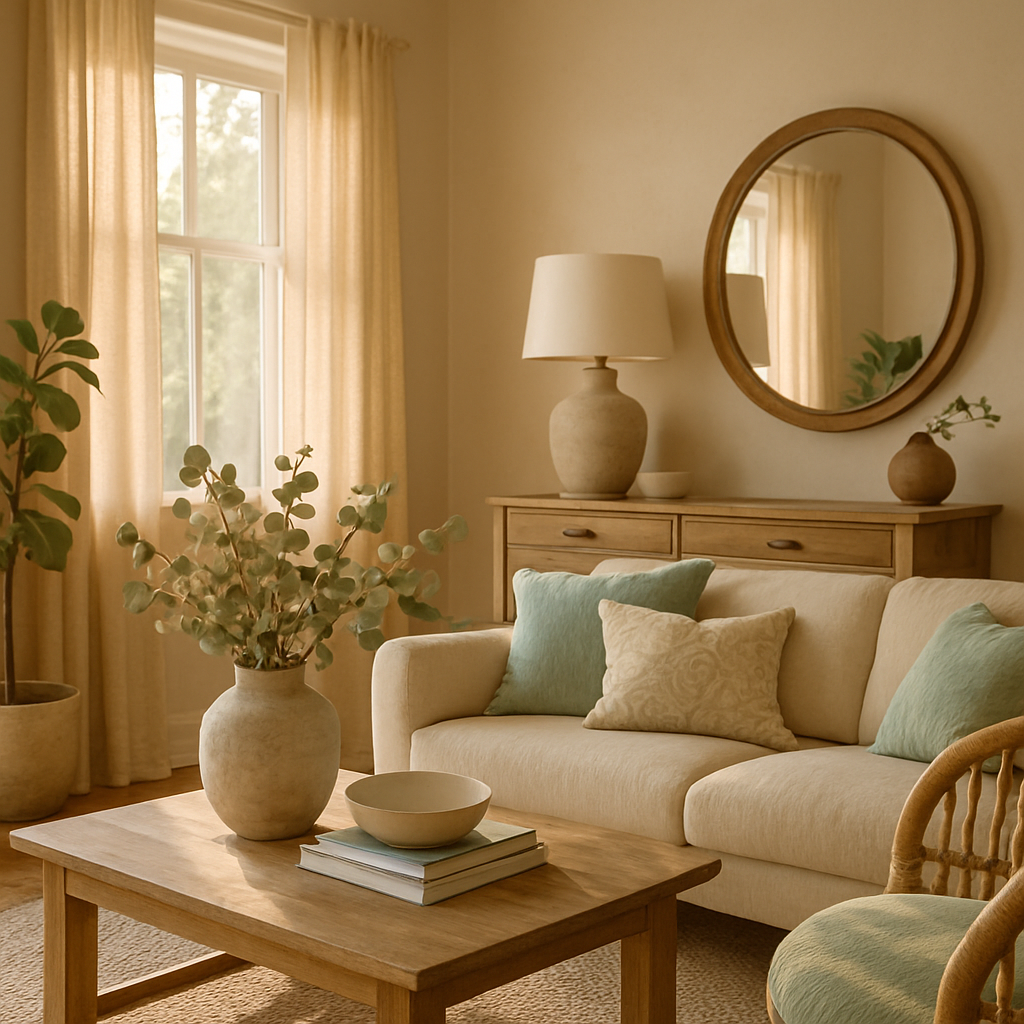
Have you ever walked into a room and felt an immediate sense of awe? That transformative power often lies in the hands of today's leading interior design masters. These experts are revolutionizing the field by blending traditional craftsmanship with cutting-edge technology, creating environments that are both stunning and functional. This article will delve into the innovative techniques these designers employ, from utilizing advanced tools like AR/VR for room visualization to embracing the growing trend of sustainable materials. We'll explore foundational concepts, dive into detailed analyses, and offer actionable strategies for those looking to elevate their own spaces. Let's take a closer look at how these designers are shaping the future of interior design.
Understanding the Core Principles of Modern Interior Design
At the heart of modern interior design lies a few foundational principles that every leading designer understands: function, aesthetics, and sustainability. Functionality is prioritized, ensuring that spaces not only look good but also serve the needs of those who inhabit them. This concept is especially important in urban areas where space is at a premium. Designers are tasked with maximizing utility without compromising on style. For example, modular furniture and multi-use spaces are becoming increasingly popular in city apartments.
Aesthetics, while subjective, are guided by current trends and timeless principles. According to a recent survey by Houzz, 76% of homeowners seek designs that reflect their personality. This personalization is achieved through color schemes, textures, and materials that resonate with the client's taste. The rise of biophilic design, which integrates natural elements into home interiors, underscores a movement towards creating serene and nature-inspired environments.
Sustainability is no longer just a buzzword; it's a necessity. With the growing awareness of environmental impacts, designers are turning to eco-friendly materials and methods. The use of reclaimed wood, recycled metal, and energy-efficient lighting is becoming commonplace. Industry leaders like ASID (American Society of Interior Designers) emphasize the importance of sustainable practices that not only reduce environmental footprints but also add unique character to the designs. As we transition to deeper analyses, it's crucial to recognize how these principles shape the innovative techniques employed by today's design masters.
Leveraging Technology to Revolutionize Design
Technology is a game-changer in the world of interior design. One of the most significant advancements is the use of AR (Augmented Reality) and VR (Virtual Reality) tools. These technologies allow designers to present clients with immersive visualizations of their projects before a single piece of furniture is moved. According to Architectural Digest's AD PRO network, the adoption of AR/VR has increased project approval rates by 40%, as clients can visualize the end result with precision.
Moreover, smart home integration is taking center stage. Designers are incorporating systems that control lighting, temperature, and even window treatments with the touch of a button. This not only enhances the user experience but also contributes to energy efficiency. The International Interior Design Association (IIDA) reports that homes with integrated smart technologies are 25% more energy-efficient, which is a significant draw for environmentally conscious homeowners.
Another tech-driven innovation is the use of digital mood boards and design software, which streamline the design process. Platforms like Pinterest and Houzz offer vast databases of ideas that help designers and clients collaborate more effectively. These tools enable designers to experiment with different styles and layouts, ensuring that every detail aligns with the client's vision. As we explore actionable strategies, consider how you can leverage these technologies to transform your own living spaces.
Implementing Innovative Techniques in Your Home
Are you ready to apply some of these innovative techniques to your own home? Start by assessing how technology can enhance your living environment. Consider installing a smart home system that allows you to control your lighting and heating remotely. This not only increases convenience but also helps reduce your energy bills. Evaluate which areas of your home could benefit from automation and plan your upgrades accordingly.
Next, explore the use of AR/VR technology to visualize potential redesigns. Many designers offer virtual consultations where they can provide a realistic preview of changes to your space. This can be particularly helpful if you're unsure about committing to a major renovation. By seeing a room's potential firsthand, you can confidently make decisions that reflect your style and needs.
Finally, embrace sustainability by incorporating eco-friendly materials and practices. Swap out traditional furnishings for those made from reclaimed or sustainable resources. Not only does this reduce environmental impact, but it also often introduces unique textures and aesthetics to your space. Experienced professionals often note that these sustainable choices can enhance the overall ambiance of a room, making it both stylish and conscientious. As we transition to discussing expert-level details, consider how these techniques might apply to your specific context.
Expert Insights on Advanced Design Techniques
To truly master the art of interior design, one must look beyond the basics and delve into advanced techniques. Leading designers often emphasize the importance of understanding spatial dynamics and the psychology of color. Spatial dynamics involve the strategic arrangement of furniture and decor to optimize flow and functionality. This is particularly crucial in open-concept living spaces, where the delineation of areas must be subtle yet effective.
The psychology of color is another powerful tool. Colors can influence mood and perception, which is why selecting the right palette is essential. For instance, cool tones like blues and greens can create a calming atmosphere, while warm tones like reds and yellows can invigorate a space. The NCIDQ (National Council for Interior Design Qualification), a gold-standard credential, stresses the importance of color theory in creating environments that resonate emotionally with inhabitants.
Additionally, texture plays a pivotal role in design. Combining different materials, such as metal, wood, and fabric, can add depth and interest to a room. Designers often use texture to break the monotony and create focal points. As we delve into further details, consider how these expert techniques might elevate your design projects.
Deep Dive into the Financial Aspects of Interior Design
Understanding the financial aspects of interior design is crucial for successful project execution. Budgeting is often a significant concern for homeowners. To manage costs effectively, it's essential to understand the various fee structures designers use. These can range from flat fees to hourly rates, which typically fall between $150 and $500 per hour, or a percentage of the total project cost, usually between 10% and 25%.
It's important to factor in potential procurement markups. Designers often have access to trade discounts, which they may pass on to clients, but it's common for them to add a markup to cover their sourcing efforts. Clear communication about these costs upfront can prevent misunderstandings later on.
Finally, consider the potential return on investment. Well-designed interiors can increase property values by 5-15%, according to industry surveys. This financial benefit, coupled with the enhanced living experience, makes investing in professional design worthwhile. As we move to our concluding perspective, think about how financial considerations impact your design decisions.
Final Perspectives on Embracing Design Innovation
As we wrap up our exploration of innovative techniques in interior design, it's clear that today's leading masters are redefining the field through a blend of technology, sustainability, and artistry. Their ability to incorporate advanced tools like AR/VR and smart home systems while maintaining a commitment to eco-friendly practices sets them apart in the industry.
For those embarking on a design journey, the key takeaway is the importance of staying informed and open to new ideas. Whether you're working with a designer or tackling a project yourself, understanding these advanced techniques can lead to more satisfying and impactful results. How might embracing these innovations transform your living space?
As we conclude, let's consider the specific steps you can take to bring these insights into your home.
Conclusion: Taking the Next Steps in Your Design Journey
In conclusion, exploring the innovative techniques of today's leading interior design masters provides a wealth of insights and inspiration for anyone looking to enhance their living spaces. By leveraging technology, focusing on sustainability, and understanding advanced design principles, you can create environments that are not only beautiful but also highly functional.
Are you ready to begin your design transformation? Start by browsing portfolios on Houzz or Instagram this week - even 20 minutes of research will sharpen your eye for what you want. Dive into the world of AR/VR visualizations to experiment with your space before committing to changes. Remember, the journey to a well-designed home is as rewarding as the destination.



Comments
Post a Comment