Creating a Cozy Atmosphere: Essential Elements of Home Interior Design
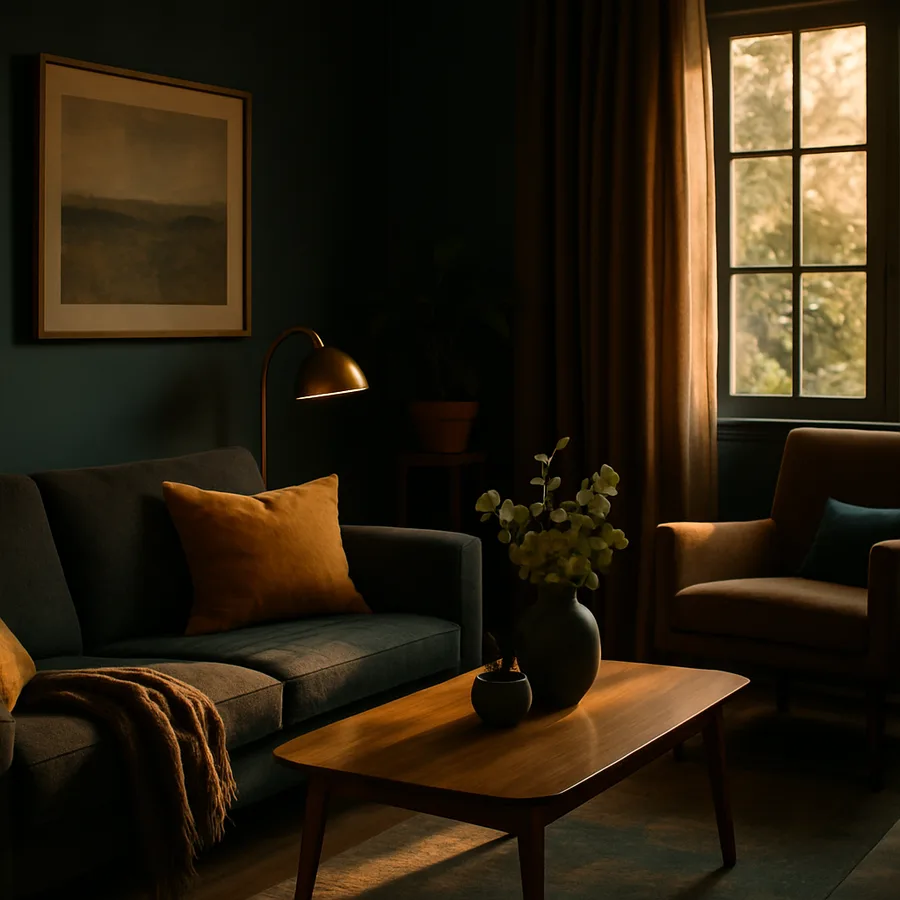
Imagine walking into your home after a long day, greeted by the warm embrace of a space that feels welcoming and serene. Creating a cozy atmosphere in your home isn't just about aesthetics; it's about crafting a sanctuary that nurtures your well-being. A well-designed interior can do wonders for your mood and even the resale value of your home, with studies suggesting a boost of 5-15%. In this guide, we'll explore the essential elements of home interior design that contribute to a cozy atmosphere, providing you with actionable steps and expert insights to transform your space into a haven of comfort and style.
What You Need to Know First
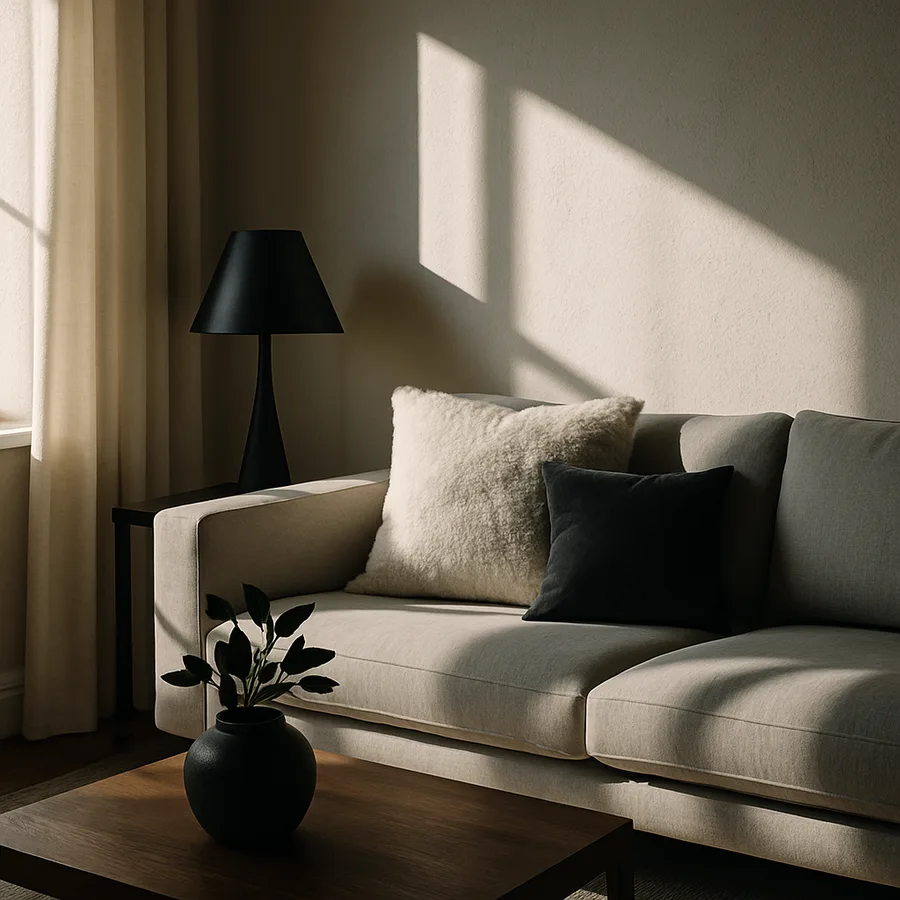
Before diving into the specifics of creating a cozy atmosphere, it's important to understand the foundational elements of interior design. These include color schemes, textures, lighting, and furniture placement. According to the American Society of Interior Designers (ASID), these elements work together to create a harmonious environment. For instance, a well-balanced color palette can evoke a sense of calm, while varied textures add depth and interest.
Lighting plays a pivotal role in setting the mood. Natural light is highly valued, with many designers using it as a primary tool for enhancing the coziness of a space. Consider how light enters your rooms and how it changes throughout the day. Strategically placed lamps and dimmers can mimic natural light patterns, providing a warm and inviting glow in the evenings.
Furniture placement is another crucial aspect. Experienced professionals often note that arranging furniture to encourage conversation and flow can make a room feel more inviting. This involves thoughtful consideration of traffic patterns and the functionality of each space. By keeping these foundational elements in mind, you can begin to create a space that feels both cohesive and comforting.
Understanding these basics sets the stage for a successful design process. Next, we'll walk through the step-by-step process to bring your cozy home vision to life.
Step-by-Step Process
To create a cozy atmosphere, start by assessing the existing elements in your space. Take note of what you love and what feels out of place. Begin with decluttering and organizing. A clutter-free environment is the first step towards achieving a sense of peace. Use baskets, shelves, and hidden storage to keep your space tidy and functional.
Next, focus on your color palette. Warm, neutral tones such as beige, taupe, and soft greys are ideal for creating a cozy vibe. You can complement these with earthy accent colors like rust or olive green. Paint is a powerful tool, and even a small accent wall can make a big difference. Consider using low-VOC paints, which are environmentally friendly and healthier for indoor air quality.
Textiles are your best friend when it comes to coziness. Layering rugs, throws, and cushions in different textures can instantly make a space feel more inviting. Opt for natural fabrics like wool, cotton, and linen that add warmth and tactile interest. Don't be afraid to mix patterns as long as they share a common color scheme.
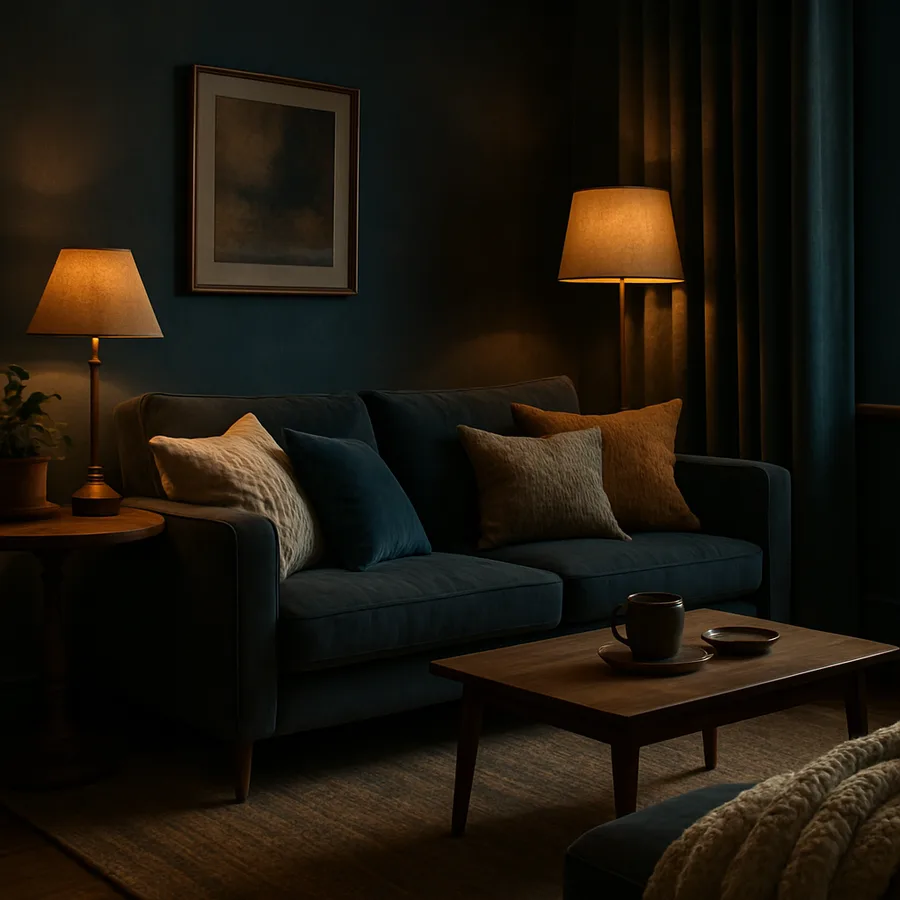
Finally, personalize your space with decor that reflects your personality. Incorporate personal mementos, artworks, and plants. Plants not only add beauty but also improve air quality, contributing to a healthier, more inviting home. This personalized touch is what truly transforms a house into a home.
With a clear process in mind, it's time to consider what not to do. Avoiding common mistakes can save you time, money, and frustration.
Common Mistakes to Avoid
One of the most common mistakes in creating a cozy atmosphere is overcrowding a room with furniture and decor. Less is often more when it comes to achieving a serene environment. Overcrowding can make a space feel cramped and chaotic, detracting from the coziness you aim to achieve.
Another pitfall is neglecting lighting. Poor lighting can make even the most beautifully designed space feel cold and unwelcoming. According to a survey by Houzz, 60% of homeowners regret not incorporating more lighting options during their redesign projects. Ensure you have a mix of overhead, task, and ambient lighting to create a well-lit, inviting space.
Finally, avoid the temptation to follow trends too closely without considering your personal style. While it's good to be aware of current trends, such as Japandi or biophilic design, your home should ultimately reflect your taste and lifestyle. Trends come and go, but a space that feels authentically yours will always be timeless.
Steering clear of these mistakes will help keep your project on track. Let's delve into some expert tips that can elevate your design even further.
Pro Tips from Industry Experts
Interior design experts often emphasize the importance of layering. This technique involves combining different textures, materials, and patterns to add depth to a room. For example, pairing a plush velvet sofa with a chunky knit throw can create a visually interesting and cozy setting. The International Interior Design Association (IIDA) suggests mixing textures to engage the senses and enhance comfort.
Another expert tip is to invest in quality over quantity. A few well-made pieces can anchor a room and elevate the overall design. Consider sourcing furniture from sustainable brands or vintage shops, which often provide unique and high-quality items. Focusing on durability ensures that your space remains cozy and stylish for years to come.
Utilizing technology can also enhance coziness. Smart home integration, such as automated lighting and climate control, allows you to easily adjust the ambiance to suit your mood. Platforms like Houzz offer tools that can help visualize these integrations in your design plans, ensuring seamless execution.
Armed with these professional insights, you're better prepared to plan your cozy home project. Next, we'll discuss how to manage your budget and timeline effectively.
Budget and Timeline Considerations
Creating a cozy atmosphere doesn't have to break the bank. Start by setting a realistic budget. For a single room redesign, consider allocating between $5,000 and $15,000, depending on the scope of your project. Remember to factor in costs for furniture, decor, and potential labor fees. Many designers charge hourly rates ranging from $150 to $500, or a percentage of the total project cost.
Understanding the timeline is equally important. A typical project can take anywhere from a few weeks to several months, depending on the complexity. Book consultations with professionals early, especially if you're considering hiring a certified interior designer who holds an NCIDQ (National Council for Interior Design Qualification) certification for expert advice.
Flexibility is key. Delays can occur, whether due to shipping issues or unexpected design changes. By building some buffer time into your schedule, you can accommodate these hiccups without undue stress. Planning your budget and timeline meticulously will lead to a smoother project execution.
With finances and timelines under control, let's look at some real-world examples to inspire your design journey.
Real-World Examples and Case Studies
Consider the case of a mid-century modern home in the suburbs of New York. The homeowners wanted to transform their cold, impersonal space into a cozy retreat. By incorporating warm wood tones and vintage pieces, they created a harmonious blend of comfort and style. Their use of biophilic design, with large windows and plenty of greenery, made the indoor space feel connected to nature.
Another example is a small apartment in San Francisco, where the challenge was to maximize coziness in a limited area. The designer used soft, layered textiles and clever lighting solutions to create distinct zones within the open-plan space. This approach not only enhanced coziness but also improved functionality, demonstrating that even small spaces can feel expansive and inviting.
Lastly, a historic townhouse in Boston underwent a transformation that respected its architectural heritage while introducing modern comforts. The designers opted for understated luxury with high-quality materials and smart home features. This careful balance of old and new resulted in a timeless, cozy atmosphere that met the homeowners' needs and aesthetic preferences.
These examples illustrate how different approaches can achieve a cozy atmosphere. As you consider your own space, what elements of these examples resonate with you?
Conclusion
Creating a cozy atmosphere is an art that blends personal taste with design principles. By understanding the foundational elements, following a structured process, avoiding common pitfalls, and incorporating expert strategies, you can transform your home into a sanctuary. Planning your budget and timeline effectively ensures a smooth execution, while real-world examples provide inspiration tailored to your unique space.
Ready to embark on your cozy home transformation? Start by browsing designer portfolios on Houzz this week. Even 20 minutes of research will sharpen your eye for what you want. Your dream haven is within reach.
More Articles You May Like
Comments
Post a Comment