Transform Your Space: Essential Tips for a Cozy Home Interior Design
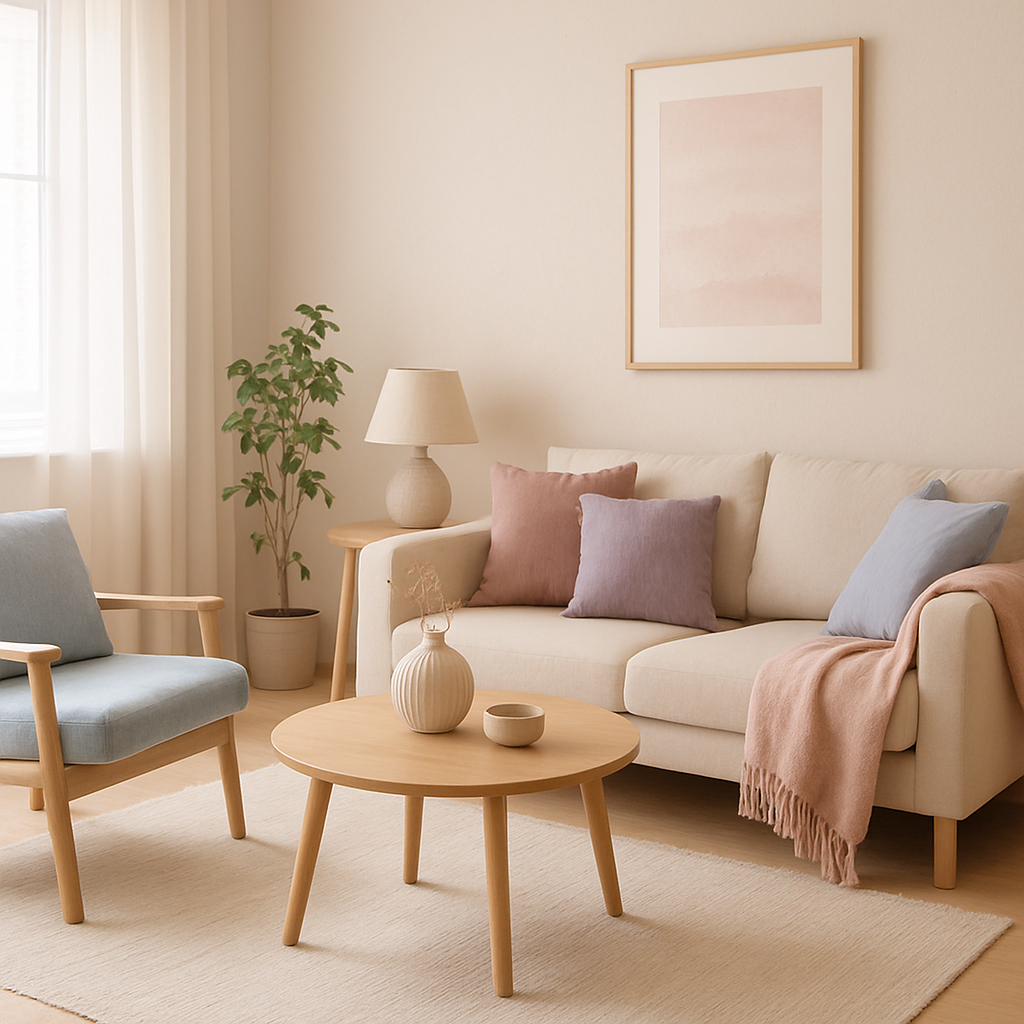
Have you ever walked into a room and immediately felt a wave of warmth wash over you, as though the space itself were offering a gentle embrace? That feeling of deep comfort and belonging is not accidental. It is the result of deliberate interior design choices that harmonize color, texture, lighting, and layout into a cohesive sanctuary. According to the American Society of Interior Designers (ASID), nearly 90 percent of homeowners who invest in professional interior design report significantly higher satisfaction with their living environments. Creating a cozy home is more than arranging furniture or picking paint colors. It is about crafting an atmosphere that nurtures well-being, encourages relaxation, and reflects the personality of the people who live there. Whether you are redesigning a single room or reimagining your entire home, the principles of cozy interior design remain consistent and accessible. In this comprehensive guide, you will learn actionable strategies for building warmth and character into every corner of your living space, from the fabrics you choose to the way natural light enters a room.
Understanding the Foundations of Cozy Interior Design
The concept of coziness in interior design extends far beyond simply adding blankets to a sofa or lighting a few candles. At its core, cozy design is rooted in the Danish philosophy of hygge, which emphasizes comfort, togetherness, and a sense of contentment within physical spaces. This philosophy has been embraced by leading organizations such as the International Interior Design Association (IIDA), which advocates for human-centered design principles that prioritize emotional well-being alongside aesthetic appeal. Understanding these foundations allows you to make intentional choices rather than relying on guesswork when transforming your home. The goal is to create environments that feel lived-in, inviting, and authentically personal rather than staged or overly curated.
A foundational element of cozy design is the concept of layering, which involves combining multiple textures, materials, and visual elements to create depth and richness within a space. Think of a well-designed bedroom that features a linen duvet over a cotton sheet, paired with a chunky knit throw and velvet accent pillows. Each layer contributes a different tactile experience, making the room feel more dynamic and welcoming. Professional designers, many of whom hold NCIDQ certification, often describe layering as the single most effective technique for adding warmth to any room. The practice goes beyond textiles to include layered lighting, layered artwork arrangements, and even layered scents that collectively build an immersive sensory environment.
Another crucial foundation is the relationship between scale and proportion in a cozy room. Oversized furniture in a small room can feel oppressive, while undersized pieces in a large room can make the space feel cold and empty. The key is selecting furnishings that complement the dimensions of your space while maintaining comfortable pathways for movement. Have you considered how the scale of your furniture affects the overall mood of your rooms? A well-proportioned room naturally feels more comfortable because it allows occupants to move freely while still feeling enclosed and protected. This balance between openness and enclosure is what separates a genuinely cozy space from one that simply looks nice in photographs.
Mastering Color Palettes That Evoke Warmth
Color is arguably the most powerful tool in the interior designer's arsenal when it comes to creating cozy atmospheres. Warm tones such as terracotta, burnt sienna, soft amber, and muted rose instantly communicate comfort and intimacy. According to a study published by the Houzz research team, rooms painted in warm earth tones receive 34 percent more positive emotional responses from occupants compared to rooms decorated in cool or neutral palettes alone. This does not mean you must drench every wall in deep orange or russet. Instead, consider using warm tones strategically as accent walls, in upholstery fabrics, or through decorative accessories that punctuate an otherwise neutral scheme. The quiet luxury movement in interior design has demonstrated that warmth can be achieved through muted, sophisticated tones rather than bold saturated colors.
The interplay between warm and cool tones creates visual interest and prevents a space from feeling monotonous or overwhelming. A room with too many warm colors can feel claustrophobic, while a room with exclusively cool tones can feel sterile and uninviting. The most successful cozy interiors use a dominant warm palette softened by touches of cool blue-gray, sage green, or soft lavender. These complementary accents provide visual breathing room and allow the warm tones to shine without overwhelming the senses. When developing your color palette, gather physical swatches and view them in the actual room at different times of day, as artificial lighting and natural daylight can dramatically alter how colors appear on your walls and furnishings.
Do not underestimate the psychological impact of color saturation and finish on the cozy quotient of a room. Matte and eggshell finishes absorb light and create a softer, more enveloping atmosphere, while high-gloss finishes reflect light and can make a space feel more expansive but less intimate. Designers featured on AD PRO frequently recommend matte finishes for bedrooms and living areas where coziness is the primary objective. Similarly, heavily pigmented colors tend to draw walls inward, creating a cocoon-like effect that many people find deeply comforting. Experimenting with paint samples in various finishes before committing to a full room treatment can save both time and money while ensuring the final result aligns with your vision of comfort.
The Art of Lighting for Ambiance and Comfort
Lighting transforms the character of a room more dramatically than almost any other design element. Harsh overhead fluorescent lights can make even the most beautifully furnished room feel institutional, while thoughtfully layered lighting can make a modest space feel like a luxurious retreat. The key principle is to work with multiple light sources at varying heights and intensities. Table lamps, floor lamps, wall sconces, and candles each contribute a different quality of light that collectively creates a rich, textured ambiance. Professional interior designers, whose fees typically range from $150 to $500 per hour, often spend a disproportionate amount of their design budget on lighting because they understand its transformative power.
The color temperature of your light bulbs plays a critical role in establishing coziness. Bulbs rated between 2,700 and 3,000 Kelvin emit a warm, golden glow that mimics candlelight and sunset, triggering relaxation responses in the brain. Bulbs above 4,000 Kelvin produce a cool, bluish-white light that energizes and alerts, making them suitable for workspaces but counterproductive in rooms designed for rest and intimacy. Smart home lighting systems have made it remarkably easy to adjust color temperature throughout the day, allowing you to shift from energizing morning light to soothing evening warmth with a single voice command or app adjustment. This integration of technology and comfort represents one of the most practical applications of smart home design in everyday living.
Natural light remains the gold standard for creating warmth and connection within interior spaces. Biophilic design principles emphasize the importance of maximizing natural light exposure while controlling glare and heat gain through strategic window treatments. Sheer linen curtains, for example, diffuse harsh sunlight into a soft, ambient glow that fills a room with warmth without creating uncomfortable hot spots. Consider how the orientation of your windows affects the quality of light throughout the day. North-facing rooms receive cool, consistent light that benefits from warmer artificial supplements, while south-facing rooms are bathed in warm light that may need tempering during peak hours. Understanding your home's relationship with natural light is essential for creating spaces that feel cozy from morning through evening.
Textures and Materials That Invite Touch
A cozy room begs to be touched. The tactile quality of surfaces, fabrics, and finishes within a space directly influences how comfortable and inviting it feels. Rough-hewn wood, nubby wool, smooth leather, and soft cotton each engage the sense of touch differently, and combining these textures creates a layered sensory experience that defines true coziness. The IIDA has published extensive research on the relationship between tactile design and occupant well-being, finding that environments rich in varied textures consistently score higher on comfort and satisfaction metrics. This insight reinforces the importance of thinking beyond visual aesthetics to consider how a room actually feels when you sit down, lean against a wall, or walk barefoot across the floor.
Natural materials are particularly effective at creating cozy atmospheres because they carry inherent warmth and organic imperfection. Solid wood furniture with visible grain patterns, stone countertops with natural veining, and handwoven textiles with slight irregularities all communicate authenticity and craftsmanship. The Japandi design movement, which blends Japanese minimalism with Scandinavian warmth, has elevated the appreciation for natural materials by demonstrating that simplicity and coziness are not mutually exclusive. A single live-edge wooden shelf, a hand-thrown ceramic vase, or a linen slipcover can transform a clinical space into one that feels grounded and welcoming. These elements connect occupants to the natural world, fulfilling a deep psychological need for organic connection within built environments.
When selecting textiles for cozy spaces, prioritize fabrics that age gracefully and develop character over time. Belgian linen, for instance, becomes softer and more supple with each wash, making it an ideal choice for bedding, curtains, and upholstery in rooms designed for long-term comfort. Wool and cashmere throws not only provide physical warmth but also contribute visual softness that makes a room feel more intimate. Avoid synthetic materials that feel plasticky or cold to the touch, as they undermine the tactile experience that coziness depends upon. How do the fabrics in your home make you feel when you run your hand across them? If they do not inspire a desire to linger, it may be time to reconsider your textile choices and invest in materials that genuinely invite relaxation.
Furniture Arrangement Strategies for Intimate Spaces
The way furniture is arranged within a room has a profound effect on how cozy and connected it feels. Many homeowners default to pushing furniture against walls to maximize floor space, but this often creates a cold, disconnected layout that discourages conversation and togetherness. Instead, consider floating furniture arrangements where sofas and chairs are pulled away from walls and grouped around a central focal point such as a fireplace, coffee table, or area rug. This creates intimate conversation zones that naturally draw people together. ASID research indicates that rooms with conversation-oriented furniture arrangements promote longer and more meaningful social interactions, which in turn strengthens the perception of the space as warm and inviting.
Creating distinct zones within open-plan living areas is another effective strategy for building coziness into contemporary homes. Large, undifferentiated spaces can feel cavernous and impersonal, but dividing them into functional zones with area rugs, furniture groupings, and strategic lighting creates a series of intimate pockets within the larger room. A reading nook defined by a comfortable armchair, a floor lamp, and a small side table becomes a personal retreat within a busy family room. A dining area distinguished by a pendant light and a textured runner becomes a defined gathering space for meals. Each zone should feel self-contained and purposeful while remaining visually connected to the broader room through consistent color and material choices.
Do not overlook the importance of comfortable seating when designing for coziness. The depth, height, and cushioning of sofas and chairs directly affect how relaxed occupants feel, and these specifications vary based on the intended use of the space. A deep-seated sofa with plush cushions invites lounging and relaxation, while a firmer, more upright chair supports attentive conversation or focused reading. Testing furniture in person before purchasing is always advisable, as dimensions and cushion firmness cannot be adequately assessed from online photos alone. Consider also the addition of floor cushions, poufs, and window seats as supplementary seating options that increase flexibility and create informal gathering spots throughout your home.
Incorporating Personal Elements and Meaningful Decor
The most genuinely cozy homes are those that tell a story. Mass-produced decor from big-box retailers can fill a room, but it rarely creates the emotional resonance that defines true coziness. Instead, curate your spaces with objects that carry personal significance: family photographs in thoughtful frames, travel souvenirs displayed on open shelving, vintage finds from local markets, and handmade items created by friends or artisans. Architectural Digest (AD PRO) regularly features homes where the most compelling design elements are not the most expensive but the most personal. A collection of well-loved books stacked on a coffee table communicates intellectual curiosity and warmth far more effectively than a pristine decorative object selected purely for its visual impact.
Living elements bring irreplaceable warmth and vitality to interior spaces. Houseplants, fresh flowers, and even small herb gardens introduce organic shapes, colors, and scents that synthetic decor cannot replicate. Biophilic design research consistently demonstrates that the presence of living plants reduces stress hormones, improves air quality, and increases feelings of comfort and well-being within enclosed spaces. You do not need a green thumb to incorporate plant life into your home. Low-maintenance varieties such as pothos, snake plants, and ZZ plants thrive in a range of light conditions and require minimal attention, making them accessible options for even the busiest households. Grouping several plants of varying heights and textures creates a lush, vibrant display that serves as a natural focal point.
Scent is the most underestimated element of cozy interior design, yet it has a remarkably powerful influence on mood and memory. The smell of freshly baked bread, vanilla, cedarwood, or lavender can instantly transform a neutral space into one that feels deeply comforting and familiar. Scented candles, essential oil diffusers, and sachets of dried herbs placed in drawers and closets all contribute to the olfactory layer of your home's atmosphere. Consider choosing scents that align with the season or the function of each room. A kitchen might benefit from warm spice and citrus notes, while a bedroom might call for calming lavender or chamomile. What scents make you feel most at home, and how might you weave them into the fabric of your living environment?
Smart Home Integration for Effortless Comfort
Modern technology offers unprecedented opportunities to enhance coziness through automation and intelligent control systems. Smart thermostats learn your temperature preferences and adjust heating and cooling throughout the day, ensuring that your home always feels comfortable without requiring manual intervention. Smart lighting systems allow you to create preset scenes that transition from bright, energizing morning light to soft, warm evening ambiance with a single tap or voice command. These technologies remove friction from the daily experience of living in your home, allowing you to focus on enjoying your spaces rather than constantly adjusting them. The integration of smart home features into cozy design represents a natural evolution where technology serves comfort rather than competing with it.
Automated window treatments add another layer of intelligent comfort to modern interiors. Motorized blinds and shades can be programmed to open gradually with the sunrise, filling your bedroom with gentle natural light that supports your body's circadian rhythm. In the evening, they can close automatically to provide privacy and insulation, maintaining the warm cocoon-like atmosphere that promotes restful sleep. When combined with smart lighting, automated window treatments create a seamless transition between day and evening modes that feels natural and effortless. A study by Houzz found that homeowners who integrate smart home technologies into their design report a 28 percent increase in daily comfort satisfaction compared to those relying solely on manual controls.
Voice-activated assistants and integrated entertainment systems further contribute to the cozy home experience by eliminating the need to search for remotes, adjust settings manually, or interrupt relaxation to manage household functions. Imagine settling into your favorite reading chair and simply asking your home to dim the lights, start a playlist of ambient music, and set the thermostat to your preferred evening temperature. This level of seamless control allows you to create and maintain cozy atmospheres with minimal effort, making it easier to unwind and be present in your space. As smart home technology continues to mature, the gap between effortless comfort and sophisticated design grows ever narrower, offering homeowners more tools than ever to craft living environments that feel both modern and deeply inviting.
Conclusion
Creating a cozy home is a deeply personal journey that combines design principles with individual expression. From mastering warm color palettes and layered lighting to selecting tactile materials and arranging furniture for intimacy, every choice contributes to the overall sense of comfort and belonging within your space. The strategies outlined in this guide are not reserved for those with unlimited budgets or professional training. They are accessible, practical techniques that anyone can apply to transform even the most ordinary room into a welcoming sanctuary. Organizations like ASID and IIDA continue to champion the idea that thoughtful interior design is not a luxury but a fundamental component of well-being. By approaching your home with intentionality, curiosity, and a willingness to experiment, you can create spaces that not only look beautiful but feel profoundly comfortable. Start with a single room, apply one or two of these principles, and observe how the atmosphere shifts. Your cozy home awaits, and the first step is simply deciding to begin.
More Articles You May Like



Comments
Post a Comment