10 Essential Elements of Mediterranean Interior Design for a Cozy Home
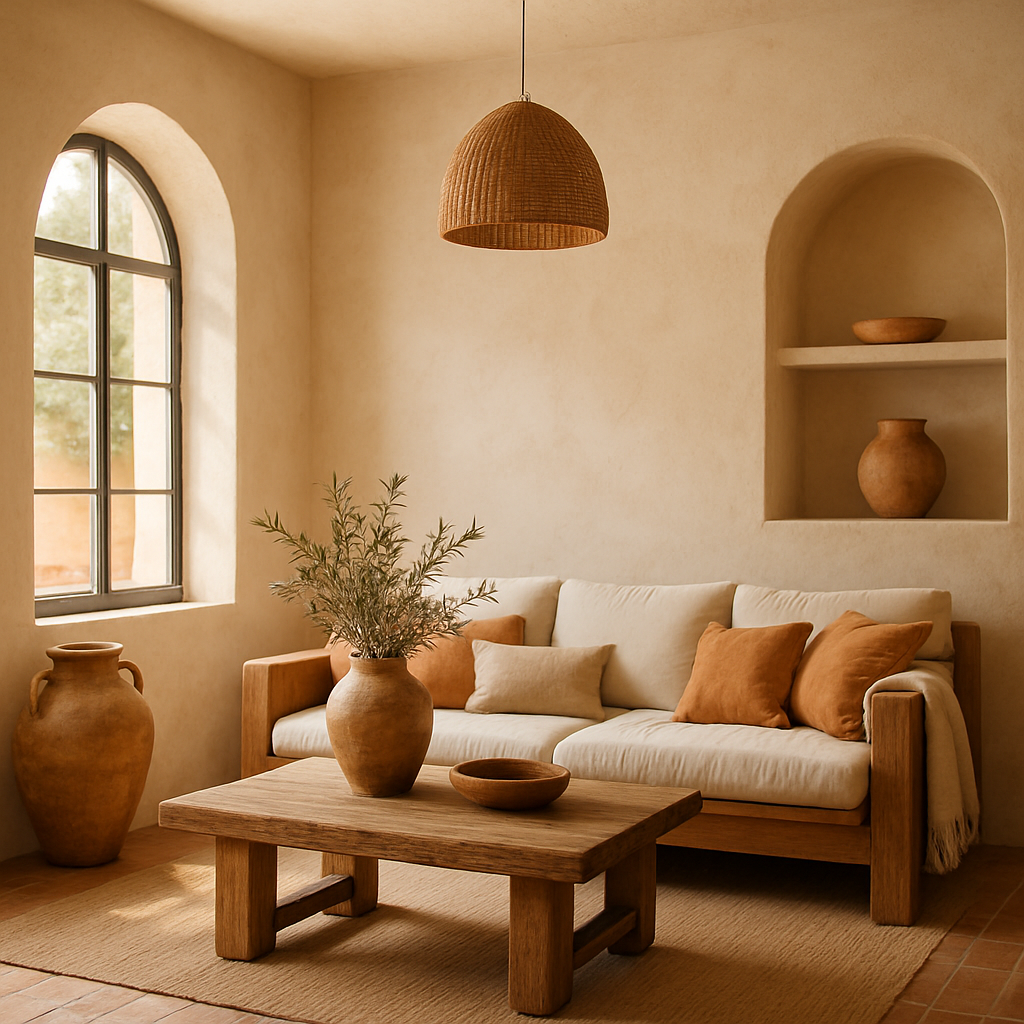
Imagine walking into a home bathed in the warmth of the Mediterranean sun, where every room whispers tales of coastal charm and rustic elegance. According to a Houzz survey, 65% of homeowners aspire to incorporate elements of vacation destinations into their living spaces. Mediterranean interior design is an avenue to achieve just that, blending nature, light, and texture into a captivating aesthetic. This article will guide you through ten essential elements of Mediterranean interior design, helping you transform your home into a cozy retreat. We'll explore foundational concepts, delve into data-backed insights, and offer expert strategies to elevate your interiors.
The Foundation of Mediterranean Design
The Mediterranean interior design style is deeply rooted in the cultures of countries bordering the Mediterranean Sea, such as Spain, Italy, and Greece. It is characterized by its emphasis on natural materials, earth tones, and a harmonious blend of indoor and outdoor living. This design approach prioritizes comfort and warmth, often featuring rustic wood, wrought iron, and terracotta tiles. The architecture itself often includes arched doorways and windows, which are not just aesthetic choices but nods to the historical structures found throughout the Mediterranean region.
Central to this design style is the use of color. Mediterranean interiors commonly utilize warm, earthy tones like ochre, terracotta, and olive green. These colors are reminiscent of the region's natural landscape, from sunbaked clay to lush olive groves. A splash of ocean-inspired blues can also be found, adding a refreshing contrast to the warmer palette. This color scheme creates a cozy yet vibrant atmosphere that can make any home feel inviting.
Another fundamental aspect is texture. The use of mixed textures-such as rough stone walls, smooth plaster finishes, and woven textiles-adds depth and interest to the space. Textures are not only visual but tactile, encouraging interaction with the space. Incorporating these textures can transform a plain room into a sensory experience, inviting you to run your fingers across a cool stone surface or sink your feet into a plush wool rug. This foundation sets the stage for the more detailed elements of Mediterranean design that follow.
Understanding the Impact of Light and Space
One cannot underestimate the role of natural light in Mediterranean interior design. Homes designed in this style often feature large windows, open layouts, and light, flowing fabrics to maximize sunlight. According to the American Institute of Architects (AIA), homes with ample natural light can increase occupant well-being and even enhance resale value by 10-15%. In Mediterranean design, light is not just an element but a cornerstone that influences all other aspects of the space.
Spatial layout is another critical factor. Open floor plans are prevalent, facilitating a seamless flow between indoor and outdoor spaces. This design choice reflects the Mediterranean lifestyle, where life is often lived in communal spaces and gatherings are a central part of daily life. By minimizing barriers between rooms and extending living areas to the outdoors, homeowners can create environments that feel expansive and cohesive.
For those looking to incorporate these principles, consider how you can enhance the flow of light and space in your home. Could you replace a solid wall with a series of arches or larger windows? What outdoor spaces could be integrated into your living areas? These changes not only enhance the aesthetic but also the functional quality of your home, making it a more pleasant place to live. Transitioning from light and space, we will next explore actionable strategies to implement Mediterranean design elements effectively.
Actionable Strategies for Mediterranean Design
When it comes to implementing Mediterranean interior design, start by assessing your current space. Experienced professionals often note that understanding your space's potential is key. Begin by identifying areas where natural materials can replace synthetic ones. Opt for wooden beams in place of plain ceilings or terracotta tiles instead of vinyl flooring. These changes, while minor, can significantly enhance the Mediterranean vibe.
Next, focus on furniture and decor. Furniture pieces in a Mediterranean style are typically robust and made from natural materials like wood and wrought iron. Look for furniture that combines functionality with design, such as a sturdy wooden dining table or a wrought iron bed frame. Accessories like ceramic vases, handwoven baskets, and colorful glassware can add character and authenticity to your decor. These items not only serve aesthetic purposes but also connect your home to the broader theme of Mediterranean living.
Finally, consider incorporating greenery into your space. Potted olive trees, lavender plants, or succulents can bring a touch of the Mediterranean landscape indoors. According to the ASID, interior spaces with plants can enhance mood and productivity, adding to the overall coziness of a home. By thoughtfully selecting plants that thrive in your climate and arranging them to complement your interiors, you can create a cohesive and inviting atmosphere. As we move into expert-level details, consider how these practical strategies can be refined and personalized for your home.
Expert Insights into Mediterranean Aesthetics
Delving deeper into the aesthetics, one must consider the intricate details that define Mediterranean design. The use of handcrafted elements, such as custom ironwork or artisan tile mosaics, can elevate your space from simple to extraordinary. Craftsmen from regions like Andalusia and Tuscany have long been revered for their skill in creating pieces that are not only functional but also works of art. Incorporating such elements into your home can provide a touch of authenticity and craftsmanship.
Color plays a nuanced role at this level of design. While the foundation relies on earthy tones, expert designers often introduce subtle variations and patterns that add depth. For instance, a mosaic backsplash in a kitchen or a patterned tile floor can introduce complexity without overwhelming the space. According to the International Interior Design Association (IIDA), these design choices can personalize a space and reflect the homeowner's style.
Lighting fixtures also deserve attention. Consider fixtures that blend traditional craftsmanship with modern functionality, such as wrought iron chandeliers or lantern-style sconces. These not only illuminate a space but also contribute to the overall design narrative. When chosen carefully, lighting can accentuate the textures and colors of your interiors, highlighting architectural features and setting the mood for different times of day. As we explore additional depth, consider how these expert insights can inform further refinement of your Mediterranean-inspired home.
Additional Depth: Beyond Basics
To truly embody Mediterranean interior design, consider the philosophy behind the aesthetics. This style emphasizes simplicity, sustainability, and a connection to nature. Sustainable materials like reclaimed wood and stone are not only environmentally friendly but also contribute to the authentic feel of Mediterranean interiors. The National Council for Interior Design Qualification (NCIDQ) highlights the increasing trend towards sustainability in design, noting that eco-friendly choices are both stylish and responsible.
Consider how you can integrate smart home technology into this traditional framework without disrupting the aesthetic. Automated window treatments and climate control systems can enhance comfort and energy efficiency. According to Architectural Digest's AD PRO network, integrating technology seamlessly into design is a growing trend, particularly in luxury markets. This approach allows homeowners to enjoy modern conveniences without sacrificing style.
Finally, remember that Mediterranean design is as much about lifestyle as it is about aesthetics. It's about creating spaces that encourage relaxation and conviviality, where family and friends can gather and enjoy shared moments. Consider how your space can accommodate social interaction, perhaps through an outdoor dining area or a cozy indoor nook. Transitioning to our final perspective, think about how these deeper considerations can enhance both the form and function of your home.
Final Perspectives on Mediterranean Design
Mediterranean interior design offers a timeless appeal that transcends trends, combining elegance with comfort. As you embark on this journey, remember that the goal is to create a space that feels both inviting and personal. Each element, from the choice of materials to the arrangement of furniture, contributes to a cohesive whole that reflects your lifestyle and tastes.
Consider how you might begin to incorporate these elements into your own home. Could starting with a single room transformation provide the insight and confidence needed for larger projects? The process of design is iterative, and starting small can often lead to more significant changes down the line. Remember that the journey towards creating a cozy Mediterranean home is as rewarding as the destination itself.
In our conclusion, we'll offer specific steps you can take to bring these ideas to life, ensuring that your home becomes a true reflection of Mediterranean warmth and charm.
Conclusion: Embrace the Mediterranean Lifestyle
Incorporating Mediterranean design into your home is an opportunity to blend aesthetic beauty with functional comfort. From the foundational elements of light and space to the nuanced details of handcrafted decor, this style offers a comprehensive framework for creating a cozy and inviting environment. As you embark on this transformation, ask yourself: How can these design principles enhance the way you live and interact with your home?
Start by selecting one or two elements from this guide to implement this week. Perhaps begin with a color palette update or introduce more natural materials into your decor. Dive into resources like Houzz for inspiration and connect with local craftsmen for authentic pieces. Even small changes can make a significant impact, transforming your home into a Mediterranean haven. Begin your journey today by exploring portfolios on Houzz or reaching out to certified designers through the ASID directory. Enhancing your home with Mediterranean elements can not only elevate its aesthetic but also enrich your everyday life.


Comments
Post a Comment