A Beginner's Guide to Art Deco Interior Design: Key Elements and Inspirations
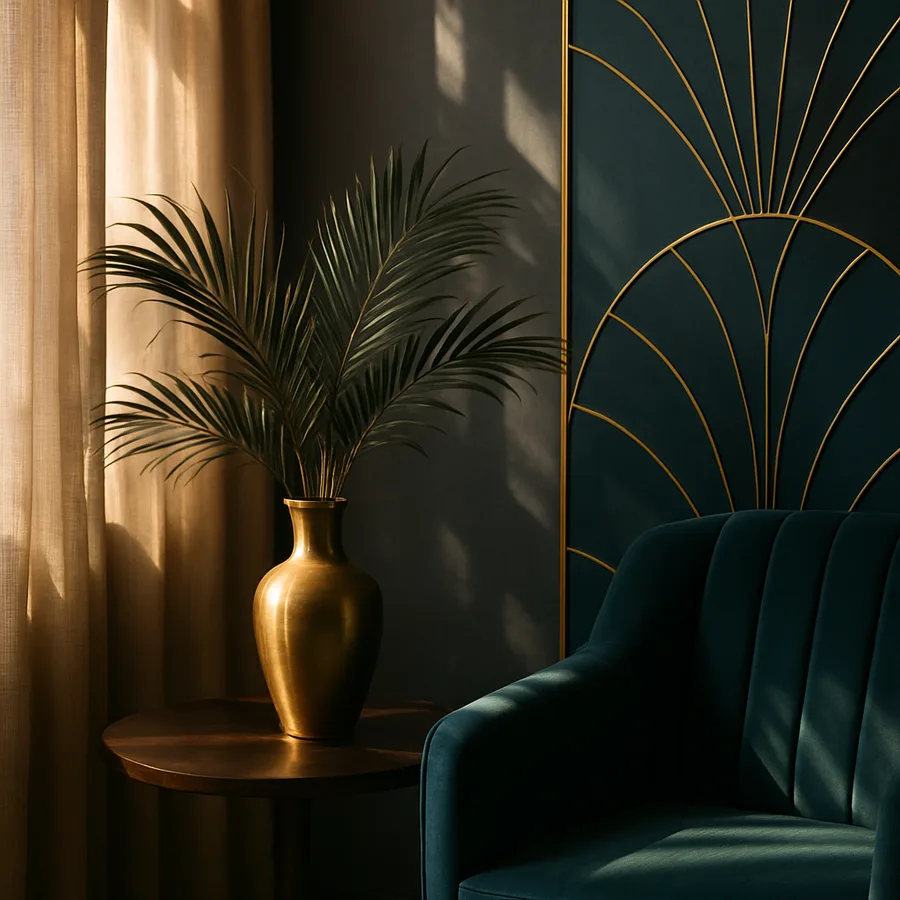
Art Deco interior design, with its bold geometric patterns and opulent materials, remains an iconic style that continues to captivate design enthusiasts around the world. Originating in the 1920s, Art Deco was a response to the austerity of World War I, embracing luxury, glamour, and modernity. According to the International Interior Design Association (IIDA), this style is characterized by rich colors, lavish ornamentation, and a sense of drama, making it a favorite among those looking to infuse their homes with a touch of sophistication. In this guide, we will explore the foundational elements of Art Deco, delve deeper into its design principles, and provide actionable strategies to incorporate this timeless style into your home. Whether you're a seasoned decorator or a novice enthusiast, understanding Art Deco can elevate your interior design game to new heights.
Understanding the Foundations of Art Deco
Art Deco design is grounded in its historical context, emerging as a symbol of hope and progress during the interwar period. This style marries various influences, including the bold geometric forms of Cubism, the vibrant colors of Fauvism, and the exotic motifs of ancient cultures. The American Society of Interior Designers (ASID) highlights Art Deco's ability to blend these diverse elements into a cohesive and visually stunning aesthetic.
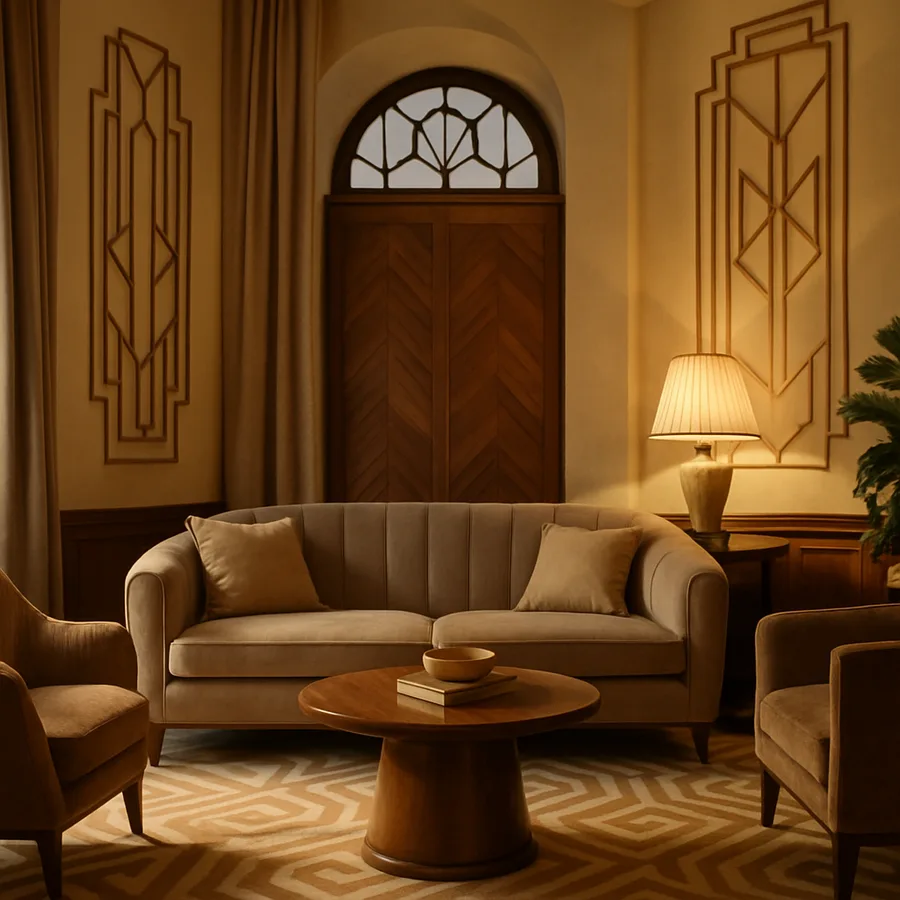
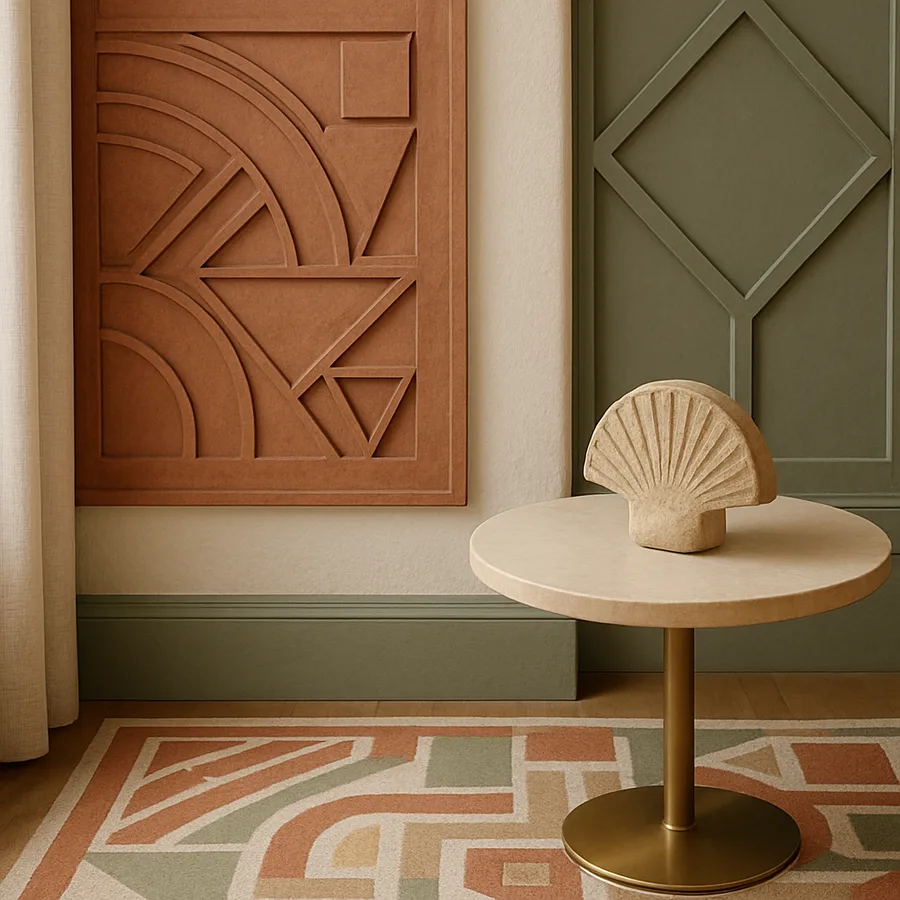
One of the key characteristics of Art Deco is its emphasis on geometric shapes and symmetrical patterns. These might be seen in zigzag patterns, chevrons, and stepped forms, often used in flooring, wall coverings, and furniture design. Such patterns not only add visual interest but also create a sense of movement and dynamism within a space.
Materials are another foundational element of Art Deco design. The use of luxurious materials like polished wood, glossy metal, and inlaid glass is prevalent. These materials were chosen not only for their aesthetic appeal but also for their ability to reflect the technological advances of the era. By incorporating these materials, designers could convey a sense of modernity and opulence, which was highly sought after during the Art Deco period.
Diving Deeper into Art Deco Design Principles
The principles of Art Deco extend beyond aesthetics, encompassing a philosophy that celebrates technological advancement and modernity. According to a survey by Houzz, a leading platform for home renovation and design, homeowners increasingly opt for Art Deco elements to inject a sense of history and luxury into their spaces.
Color plays a pivotal role in Art Deco design, with a palette that ranges from bold and vibrant to soft and muted. Jewel tones such as emerald green, ruby red, and sapphire blue are commonly used to evoke a sense of luxury. These are often paired with metallics like gold, silver, and chrome to create a striking contrast. The strategic use of color can transform a space, adding depth and dimension.
Furniture in Art Deco design is often characterized by its streamlined forms and use of exotic woods and materials. Pieces are typically large and impactful, designed to make a statement. Experienced professionals often note that incorporating a few key Art Deco pieces can dramatically alter the feel of a room. For example, an Art Deco armchair with its bold lines and rich upholstery can serve as a focal point in a living room, drawing the eye and anchoring the space.
Actionable Strategies for Incorporating Art Deco
Are you eager to bring Art Deco elements into your home but unsure where to start? Begin by assessing your current space and identifying areas that could benefit from a touch of glamour. One strategy is to start small, introducing Art Deco through accessories like mirrors, lamps, or decorative objects that feature geometric patterns or metallic finishes.
Consider your lighting options, as they play a crucial role in Art Deco design. Opt for fixtures that incorporate sleek lines and reflective surfaces. Chandeliers with cascading crystals or sconces with polished metal finishes can add an authentic Art Deco flair. Additionally, mixing different light sources can help create the layered, dramatic lighting that this style is known for.
Another practical approach is to focus on a single room and transform it into an Art Deco masterpiece. For instance, in a bedroom, you might choose a bed with a high-gloss lacquered headboard, paired with nightstands that feature mirrored surfaces. Accent the space with bold, patterned textiles and a plush rug underfoot. By concentrating your efforts on one area, you can achieve a cohesive look that embodies the essence of Art Deco.
Expert Insights on Art Deco Design
For those looking to delve deeper into Art Deco design, consulting with a certified interior designer can provide valuable insights and expertise. Certified designers, such as those holding NCIDQ (National Council for Interior Design Qualification) credentials, have a thorough understanding of the complexities of this style and can offer guidance tailored to your specific needs.
Experienced designers often emphasize the importance of balance in Art Deco interiors. While the style is known for its opulence, overuse can lead to a cluttered or overwhelming space. By carefully curating elements and maintaining a harmonious balance between bold and subtle, you can achieve a design that is both striking and balanced.
Incorporating Art Deco into a modern home also involves blending old with new. Consider integrating contemporary pieces with classic Art Deco elements to create a space that feels both timeless and current. This fusion can be achieved by juxtaposing modern furniture with Art Deco accessories or vice versa, allowing the historical elegance of Art Deco to shine within a modern context.
Deepening Your Understanding of Art Deco
To truly appreciate the nuances of Art Deco, it is beneficial to study its historical and cultural origins. This understanding can enrich your design choices, allowing you to create spaces that not only look beautiful but also tell a story. Resources such as the Architectural Digest archives and AIA chapters provide a wealth of information on the evolution of Art Deco and its ongoing influence.
Art Deco continues to inspire designers and homeowners alike, with its ability to evoke a sense of nostalgia while remaining relevant in contemporary design. The style's adaptability allows it to be incorporated into various design schemes, from traditional to ultra-modern. By embracing its key elements, you can create a space that reflects both your personal style and the timeless elegance of Art Deco.
As you explore Art Deco further, consider how its principles can be adapted to suit your lifestyle. Whether through bold statement pieces or subtle accents, the versatility of Art Deco allows for endless creativity and expression. This journey into the past can lead to a future filled with stylish and sophisticated interiors.
Final Perspectives on Art Deco
The allure of Art Deco lies in its ability to transform the ordinary into the extraordinary. By understanding its foundational elements and embracing its design principles, you can infuse your home with a sense of timeless elegance and modern sophistication. The journey into Art Deco is as much about appreciating its historical context as it is about making it your own.
As you consider incorporating Art Deco into your home, ask yourself: How can this style reflect my personality and enhance my living space? The possibilities are endless, and the results can be truly transformative. Embracing Art Deco allows you to craft an environment that is not only visually stunning but also deeply personal.
Conclusion
In conclusion, Art Deco interior design offers a unique blend of history, luxury, and modernity that can elevate any home. By understanding its key elements and how to incorporate them, you can create spaces that are both stylish and functional. Whether you choose to make bold changes or subtle enhancements, the impact of Art Deco is undeniable.
Your next step? Start by exploring portfolios on platforms like Houzz this week. Even dedicating just 20 minutes to research can sharpen your eye for Art Deco designs you love. Let the elegance and glamour of Art Deco inspire you to transform your home into a masterpiece of design.
More Articles You May Like


Comments
Post a Comment