The Art of Interior Design: Exploring Key Principles and Trends
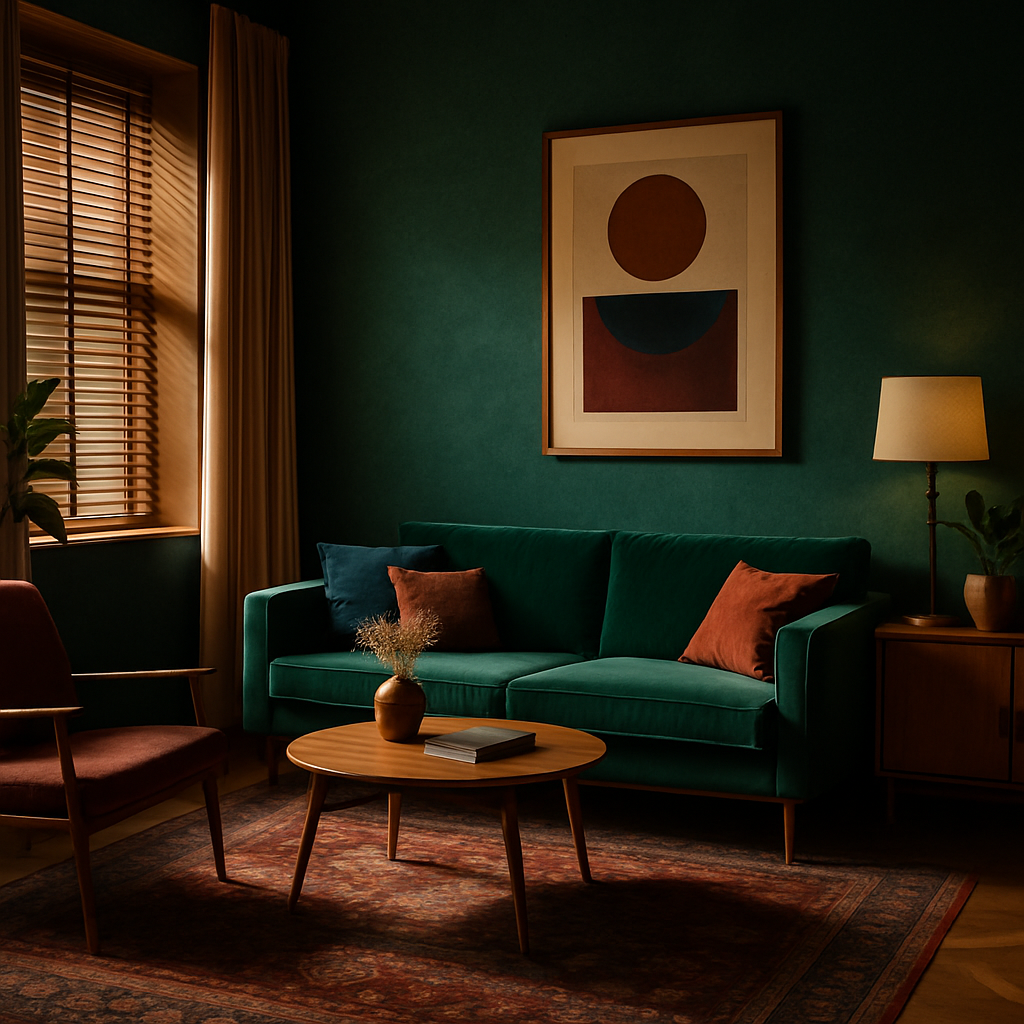
Did you know that a well-designed interior can increase a home's resale value by 5-15%? This statistic, frequently cited in industry circles, highlights the power of thoughtful design. Yet, for many, the world of interior design remains shrouded in mystery and complexity. How do you transform a space from ordinary to extraordinary? This article will delve into the art of interior design, exploring foundational principles, current trends, and strategies to elevate your living environment. Whether you're a homeowner planning a redesign or someone with a burgeoning interest in the field, you'll find comprehensive guidance here.
Understanding the Foundations of Interior Design
The art of interior design begins with understanding its foundational principles. At its core, interior design is about creating a harmonious balance between aesthetics and functionality. This balance is achieved through the skillful application of key design elements such as color, light, texture, and space. Experienced professionals often note that the interplay of these elements can transform an environment's feel and purpose. For example, using light colors in a small room can create an illusion of space, while strategic lighting can highlight architectural features.
Color theory plays a crucial role in interior design, influencing mood and perception. Designers use the color wheel to create complementary, analogous, or triadic color schemes that bring cohesiveness to a room. According to the American Society of Interior Designers (ASID), understanding color psychology is essential, as colors can evoke emotions and impact well-being. A room with warm hues like red or orange may feel cozy and energizing, while blues and greens can induce calmness.
Space planning is another foundational concept, emphasizing the efficient use of space. It involves mapping out how each area will be used, considering flow and functionality. Before placing furniture, consider how you move through the space daily. Where do you naturally gravitate in the mornings? How do you unwind in the evenings? These considerations are crucial for creating a space that supports your lifestyle. With a strong foundation in these principles, we can explore deeper insights into current interior design trends.
Diving Deeper: Trends Shaping the Design Landscape
Current trends in interior design reflect a growing emphasis on sustainability and technology integration. Biophilic design, which incorporates natural elements like plants and natural materials, has become increasingly popular. According to the International Interior Design Association (IIDA), this trend not only enhances aesthetic appeal but also promotes mental well-being by strengthening our connection to nature. Designers are incorporating living walls, indoor gardens, and natural textures to achieve this effect.
The concept of "quiet luxury" is another significant trend, characterized by understated elegance and high-quality materials. This style focuses on simplicity and sophistication, creating spaces that are both luxurious and inviting. Houzz, a leading platform for home remodeling and design, reports that homeowners are increasingly seeking out bespoke furniture pieces and artisanal craftsmanship to achieve this look. The focus is on quality over quantity, emphasizing timeless design elements that will endure.
Technology is also reshaping the interior design industry, with smart home integration becoming a staple feature. Automated lighting, climate control, and window treatments are just a few examples of how technology is being used to enhance the functionality and comfort of homes. Architectural Digest's AD PRO network highlights augmented reality (AR) and virtual reality (VR) tools that allow designers and clients to visualize room layouts in 3D before any physical changes are made. As these trends continue to evolve, they offer exciting opportunities to innovate and personalize living spaces.
Actionable Strategies for Your Design Project
Embarking on an interior design project can feel daunting, but breaking it down into manageable phases can simplify the process. The initial phase, concept development, involves gathering inspiration and defining the vision for your space. Platforms like Pinterest and Instagram are excellent resources for discovering design styles and trends that resonate with you. Create mood boards to visualize your ideas and preferences, helping to clarify your design direction.
Once you have a clear vision, the design presentation phase involves working with a certified interior designer, ideally one holding NCIDQ (National Council for Interior Design Qualification) credentials. These professionals can translate your ideas into detailed plans, ensuring that aesthetic and functional needs are met. According to industry surveys, this collaboration often results in higher project satisfaction, as designers bring a wealth of knowledge and experience to the table.
The procurement phase is where the design comes to life through the selection of furniture, materials, and decor. Be mindful of your budget, as costs can quickly escalate. A single room redesign typically ranges from $5,000 to $15,000, while a full-home project might start at $50,000. To manage expenses, prioritize key pieces that anchor the room and allocate funds for high-impact areas. As you transition into the installation and styling phase, remember that patience is key. Transforming a space is a journey, and the end result will be worth the wait.
Expert Insights: Elevating Your Design Approach
Experienced interior designers often emphasize the importance of layering textures to add depth and interest to a space. Incorporating a mix of materials, such as wood, metal, and textiles, can create a rich, dynamic environment. This approach is particularly effective in achieving the Japandi style, which blends Japanese minimalism with Scandinavian warmth. The result is a serene yet cozy atmosphere that invites relaxation and contemplation.
Another expert tip is to focus on creating focal points within each room. This could be an architectural feature, a piece of art, or a statement piece of furniture. Focal points draw the eye and can anchor the room's design, providing a sense of balance and harmony. According to ASID research, well-defined focal points can significantly enhance a room's visual impact, making it more memorable and engaging.
Lighting is a critical but often overlooked element in interior design. Layered lighting, which combines ambient, task, and accent lighting, can transform the mood and functionality of a space. Consider how natural light interacts with artificial lighting throughout the day. This dynamic interplay can highlight textures and colors, adding dimension to your design. As we explore additional facets of interior design, the goal is to equip you with the knowledge to create spaces that truly reflect your personality and lifestyle.
Exploring Additional Dimensions of Design
As we delve deeper into the nuances of interior design, it becomes clear that understanding cultural influences can enrich your approach. The blending of styles from different cultures can result in unique, eclectic spaces. This approach celebrates diversity and personal expression, allowing you to curate a home that tells a story. For instance, incorporating elements from global design traditions can introduce new textures, patterns, and colors that add a distinct character to your home.
Budgeting is another critical aspect that deserves attention. A well-planned budget ensures that your design project progresses smoothly without unexpected financial stress. Consider all potential costs, including design fees, materials, and labor. Working with an interior designer can help you navigate these complexities, as they can offer insight into cost-saving strategies and efficient resource allocation. Remember, investing in quality design can yield long-term value, enhancing both your living experience and your property's resale potential.
Finally, sustainability is becoming an integral part of interior design. Choosing sustainable materials and practices not only benefits the environment but also creates healthier living spaces. Opt for furniture made from reclaimed wood, textiles that are organic or recycled, and paints with low VOC emissions. These choices contribute to a more eco-friendly home and align with the growing consumer demand for sustainable living. As we wrap up this exploration, consider how these insights can be integrated into your own design projects.
Final Perspectives on Interior Design
Interior design is an ever-evolving field that offers endless possibilities for creativity and personalization. By understanding foundational principles and staying informed about current trends, you can create spaces that are both functional and beautiful. Remember to consider the unique characteristics of your home and how they can be enhanced through design. What story do you want your home to tell? How can each room reflect your personal style and values?
Whether you are working with a professional designer or embarking on a DIY project, the key is to remain open to new ideas and inspirations. Design is not just about aesthetics; it is about creating environments that enhance your quality of life. As you embark on your design journey, keep in mind the importance of balance, harmony, and sustainability. These elements will guide you in crafting a living space that is truly your own.
Conclusion
In conclusion, the art of interior design encompasses a range of principles and trends that can transform any space into a reflection of personal style and functionality. By embracing foundational concepts, keeping abreast of current trends, and seeking expert insights, you can embark on a design journey that yields rewarding results. Are you ready to transform your space? Start by browsing portfolios on Houzz or exploring design inspiration on Pinterest this week. Even 20 minutes of research will sharpen your eye for what you want. With knowledge and creativity, your dream home is within reach.



Comments
Post a Comment