Exploring Interior Design: Key Elements and Trends You Need to Know
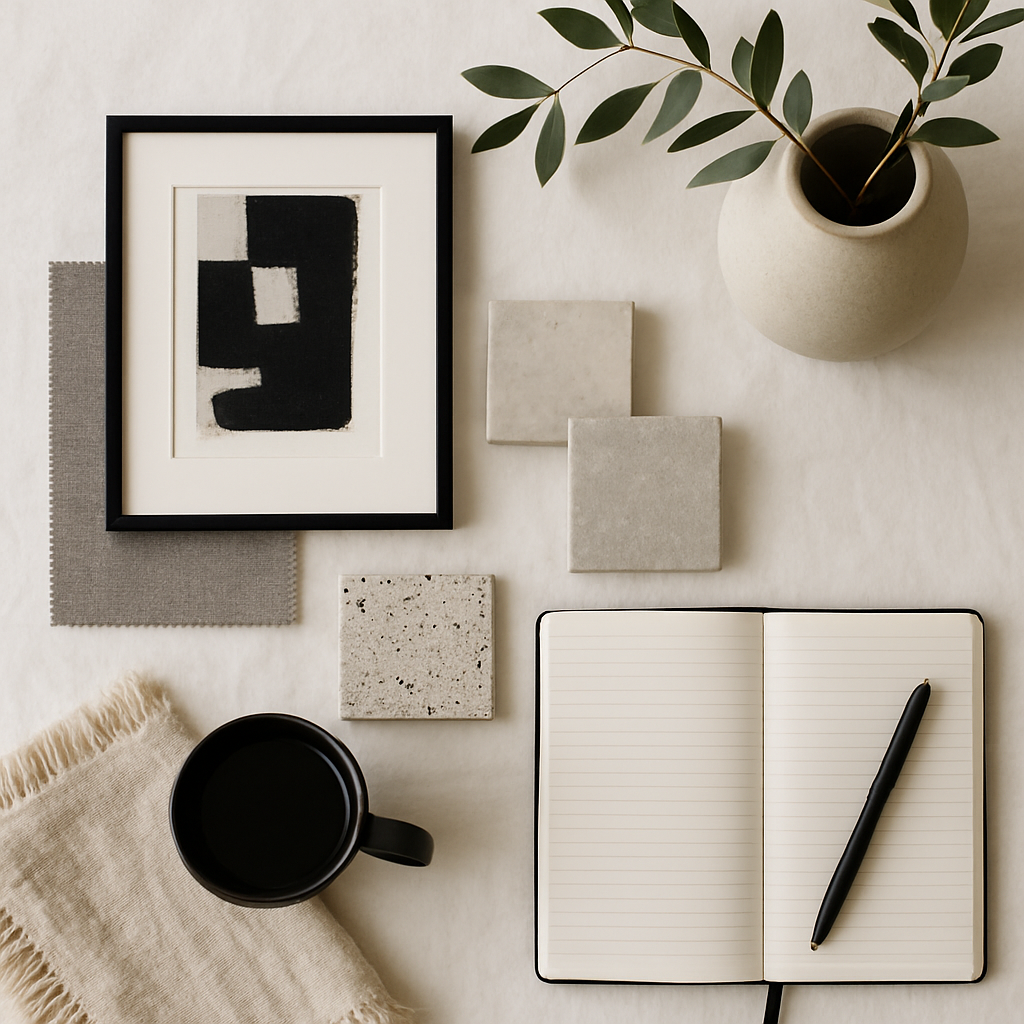
Have you ever walked into a room and felt an immediate sense of calm or excitement? What if you could harness that power in your own home? According to the American Society of Interior Designers (ASID), well-designed interiors can increase a property's resale value by 5-15%. This isn't just about aesthetics; it's a strategic investment. In this article, we'll delve into the key elements of interior design and explore the latest trends that are shaping the industry. From foundational concepts to expert insights, you'll gain a comprehensive understanding of how to transform your living space into a reflection of your personality and style. Along the way, you'll also discover actionable steps and industry secrets that only seasoned professionals know.
Understanding the Foundations of Interior Design
Interior design begins with a deep understanding of the space you're working with. It's not just about filling a room with beautiful furniture; it's about crafting a functional and aesthetic environment. The first step in any project is concept development, a phase where designers map out the potential of the space. They consider traffic flow, natural light, and how the room will be used. This stage is crucial because it lays the groundwork for all subsequent decisions.
Experienced professionals often note that one of the most overlooked aspects is the importance of scale and proportion. Imagine a small living room overwhelmed by oversized furniture-it simply doesn't work. Designers use tools like mood boards and floor plans to visualize the space and ensure every piece fits harmoniously. This planning phase is where the magic begins, allowing for creativity within the constraints of the room's dimensions.
Color theory also plays a pivotal role in setting the tone of a space. According to the National Council for Interior Design Qualification (NCIDQ), color can influence mood and perception. A well-chosen palette can make a room feel larger, cozier, or more vibrant. This foundational knowledge is essential for anyone looking to delve into the world of interior design, providing a base upon which to build more complex ideas.
Analyzing Current Trends with Data
The landscape of interior design is constantly evolving, with trends emerging and fading in response to cultural shifts and technological advancements. One of the most prominent trends right now is biophilic design, which incorporates natural materials and plants to create a calming, natural atmosphere indoors. Houzz's annual survey data shows a significant rise in homeowners incorporating elements like living walls and indoor gardens into their spaces.
Another trend gaining traction is the concept of "quiet luxury." This involves creating spaces that exude understated elegance through high-quality materials and subtle design elements. The International Interior Design Association (IIDA) has highlighted this trend as a response to the fast-paced, noisy world we live in, offering a sanctuary of calm and refinement in the home.
Smart home integration is also on the rise, with more homeowners incorporating technology into their design plans. This includes automated lighting, climate control, and even window treatments that adjust based on the time of day. According to industry surveys, homes with smart features are not only more convenient but also see a higher demand in the real estate market, making them a wise investment for the future.
Implementing Actionable Interior Design Strategies
So how can you apply these concepts and trends to your own home? Start by assessing your space. Where do you spend the most time, and how do you use each room? By understanding the functionality of your home, you can make more informed design choices. For example, if your living room is a hub for family gatherings, consider investing in durable, comfortable seating that invites conversation.
Budgeting is another critical aspect. According to Houzz, the average homeowner spends between $5,000 and $15,000 on a single room redesign. Understanding your financial parameters will help you prioritize needs versus wants. Consider hiring a certified interior designer with NCIDQ or ASID credentials to guide you through the process. They can help you maximize your budget by suggesting cost-effective alternatives or sourcing high-quality materials at a discount.
Finally, don't underestimate the power of small changes. Sometimes, a fresh coat of paint or new lighting can dramatically alter a room's ambiance. Pinterest is a great source of inspiration, offering countless ideas on how to refresh your home with minimal investment. As you explore, remember to keep your personal style at the forefront, ensuring that your home feels uniquely yours.
Expert Insights into the Design Process
For those looking to dive deeper, understanding the phases of a typical interior design project can be incredibly enlightening. The process often starts with a detailed design presentation, where the designer showcases their vision for the space. This is followed by the procurement phase, where materials and furnishings are sourced. It's a meticulous process that demands organization and attention to detail.
Installation and styling complete the transformation, bringing the designer's vision to life. Here, every element is carefully placed to ensure balance and harmony. The final touch is often the styling phase, where accessories and artwork are added to personalize the space. It's a process that requires both creativity and practicality, balancing aesthetics with functionality.
Professionals often use advanced tools like AR/VR room visualization to help clients see the potential of their space before any physical changes are made. This technology is becoming more accessible and allows homeowners to experiment with different layouts and styles without committing to costly changes upfront. These insights are invaluable for anyone serious about creating a home that is both beautiful and practical.
Additional Depth in Design Considerations
As you explore interior design, consider the impact of sustainability on your choices. The use of reclaimed materials and sustainable design practices is not just a trend; it's a movement. Many designers are now focusing on eco-friendly practices, integrating sustainable materials that are both beautiful and responsible. This not only reduces environmental impact but also adds a unique character to your home.
Japandi design, a blend of Japanese minimalism and Scandinavian warmth, is another style worth exploring. This approach emphasizes simplicity and functionality, focusing on natural textures and neutral colors. It's a style that encourages a clutter-free environment, promoting a sense of calm and mindfulness in your living space.
Do you ever wonder how these design philosophies can be tailored to your life? By understanding the underlying principles, you can adapt them to fit your personal style and needs. Whether it's incorporating more plants for a biophilic touch or choosing sustainable materials, these elements can create a home that is not only stylish but also aligned with your values.
Final Perspectives on Interior Design
Interior design is both an art and a science, requiring a balance of creativity and practicality. As you embark on your design journey, remember that the most successful projects are those that reflect the personality and lifestyle of the homeowner. It's about creating a space that feels authentic to you, while also considering the broader trends and principles that guide the industry.
Are you ready to transform your space and embrace the potential of interior design? Whether you're starting with a single room or planning a complete home makeover, the key is to be informed and intentional with your choices. By understanding the foundational elements and current trends, you can create a home that is both beautiful and functional, offering a sanctuary that enhances your everyday life.
Conclusion: Take the Next Step in Your Interior Design Journey
In summary, exploring interior design involves understanding foundational concepts, analyzing current trends, and implementing actionable strategies. From biophilic design to smart home integration, the possibilities are endless. As you consider your next steps, ask yourself: What changes will make the most impact in your home? Start by browsing portfolios on platforms like Houzz or Instagram this week-just 20 minutes of research can sharpen your eye for what you truly want.
Your home is a reflection of you, and with the right approach, it can become a space that inspires and rejuvenates. Take the leap and experiment with new ideas, knowing that the world of interior design offers endless opportunities for creativity and self-expression.
More Articles You May Like



Comments
Post a Comment