10 Stunning Interior Design Ideas to Transform Your Space Today
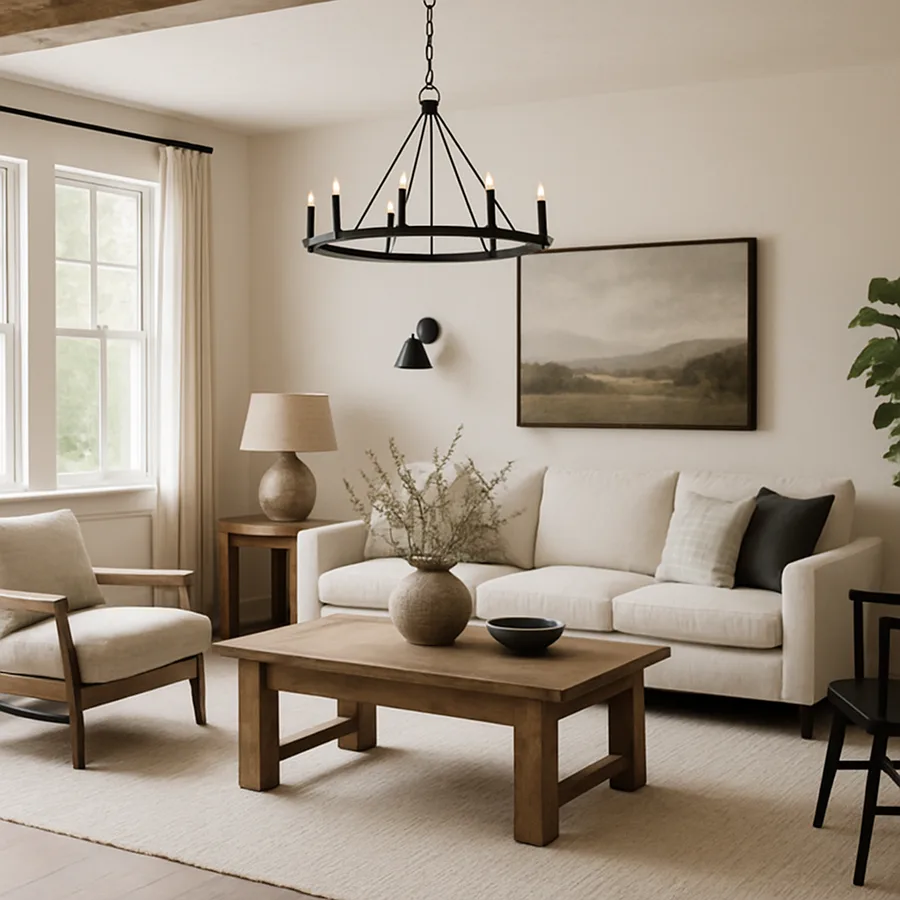
Are you tired of the same old look of your living space? Perhaps it's time for a transformation that not only refreshes your environment but also enhances your lifestyle. A well-designed interior can significantly impact your mood and even increase your home's resale value by 5-15%, according to various industry surveys. In this comprehensive guide, we'll explore 10 stunning interior design ideas that will breathe new life into your home. From understanding the essentials to learning from real-world examples, you'll gain the knowledge and confidence to embark on your own design journey.
What You Need to Know First
Before diving into the world of interior design, it's crucial to understand the difference between a certified interior designer and a decorator. Certified professionals often hold credentials such as NCIDQ (National Council for Interior Design Qualification) or are members of organizations like the ASID (American Society of Interior Designers). These certifications ensure they have the expertise needed for complex projects, especially if structural changes are involved.
Budgeting is another key consideration. Single room redesigns can range from $5,000 to $15,000, while full-home projects may exceed $50,000. It's essential to plan accordingly and consider potential costs, such as contractor fees or procurement markups on furniture and materials. These markups can range from 10-25% of the furniture cost, so understanding them upfront can prevent unpleasant surprises later.
Finally, consider how you use each space before making design decisions. Map out your daily routines: where you drop your keys, where the kids do their homework, and where you unwind. This analysis will guide your design choices, ensuring that your space is as functional as it is beautiful. With these foundational insights, you're ready to delve into the step-by-step process of transforming your space.
Step-by-Step Process
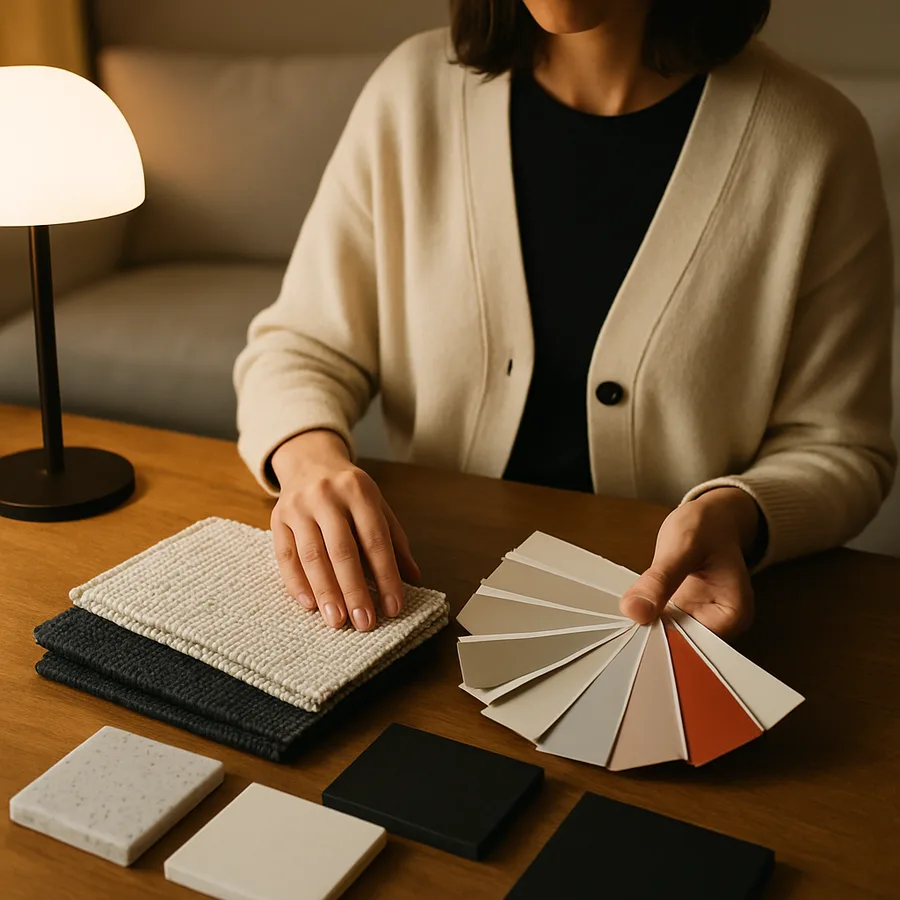
The first step in any design project is concept development. Begin by gathering inspiration from platforms like Houzz or Pinterest. These sites offer a plethora of ideas and allow you to save images that resonate with your vision. Once you have a clear idea, it's time to create a mood board. This visual tool can help you and your designer stay aligned on the desired aesthetic and color palette.
Next, move on to the design presentation phase. Here, you'll work with your designer to refine the mood board into a comprehensive design plan. This phase often includes 3D renderings or even AR/VR visualization tools, which are increasingly popular for helping clients see their future spaces. These tools allow you to make informed decisions about layout and furnishings, ensuring that the final result meets your expectations.
Procurement is the third phase, where all the planning is put into action. This involves ordering furniture, fixtures, and materials. It's crucial to factor in lead times, especially for custom or imported items, which can take several weeks to arrive. During this phase, communication with suppliers and contractors is key to maintaining the timeline and budget.
The final step is installation and styling, where the space comes to life. Here, attention to detail is paramount. From positioning furniture to hanging artwork, everything should reflect the carefully crafted vision. As you complete this phase, remember that even the smallest touches can make a significant impact, setting the stage for the next section on common mistakes to avoid.
Common Mistakes to Avoid
One of the most frequent mistakes in interior design is neglecting scale and proportion. Oversized furniture in a small room can make the space feel cramped, while too-small pieces may appear lost. Always consider the dimensions of your room and the furniture to create a balanced and harmonious environment.
Another common pitfall is ignoring lighting. Many homeowners underestimate the impact of proper lighting, which can dramatically alter the ambiance of a space. Layered lighting, which includes ambient, task, and accent lighting, is essential for both functionality and aesthetic appeal. Consider using smart home technology for adjustable lighting options that can be tailored to different moods and activities.
Avoid the trap of following trends too closely. While current styles like Japandi or biophilic design can be inspiring, it's vital to ensure that your design reflects your personal tastes and lifestyle. Trends will come and go, but a home that feels uniquely yours will always be in style. With these potential pitfalls in mind, let's explore some expert tips from industry professionals.
Pro Tips from Industry Experts
Experienced professionals often note the importance of investing in quality over quantity. A few well-chosen pieces can elevate an entire room, and they often hold their value better than trendy, lower-quality items. When selecting furnishings, prioritize craftsmanship and timelessness.
Another expert tip is to create a focal point in each room. This could be an eye-catching piece of art, a stunning light fixture, or a beautifully designed piece of furniture. Focal points draw the eye and can serve as the centerpiece for your design, around which other elements can be arranged.
Finally, don't underestimate the power of texture. Layering different materials and finishes can add depth and interest to a space. Consider mixing natural materials like wood and stone with plush textiles such as velvet or wool. This approach not only enriches the visual appeal but also enhances the tactile experience, making your home more inviting and comfortable. With these tips, you're ready to plan your project with an eye on budget and timeline considerations.
Budget and Timeline Considerations
When planning your interior design project, setting a realistic budget is crucial. Begin by prioritizing your spending based on what will have the most significant impact on your space. For instance, investing in quality flooring or a statement piece can transform a room more effectively than simply adding accessories.
Understanding the timeline is equally important. Design projects often take longer than anticipated, especially if custom furnishings or extensive renovations are involved. Discuss the timeline with your designer and contractors to set clear expectations and avoid unnecessary delays. This transparency will help you manage your project more efficiently.
Consider the cost of professional services as well. Designers may charge a flat fee, an hourly rate ranging from $150 to $500, or a percentage of the total project cost. Knowing these rates upfront will help you allocate your budget more effectively and avoid unexpected expenses. With a solid plan in place, let's turn to some real-world examples that illustrate these concepts in action.
Real-World Examples and Case Studies
One successful project involved a family home that embraced biophilic design principles. By incorporating natural materials such as reclaimed wood and stone, along with a living wall, the home achieved a seamless indoor-outdoor flow. This design not only enhanced the family's connection to nature but also increased the home's value significantly.
Another example is a city apartment redesigned with the Japandi style, which combines Japanese minimalism with Scandinavian warmth. The project focused on simplicity and functionality, using a muted color palette and clean lines. This approach created a serene and calming environment perfect for urban living.
A third case study highlights the integration of smart home technology in a suburban residence. Automated lighting systems, climate control, and motorized window treatments were installed to enhance convenience and energy efficiency. The project demonstrated how technology can be seamlessly integrated into a home without compromising aesthetic appeal. These examples show what's possible when design principles are applied thoughtfully.
Conclusion
Transforming your space with stunning interior design ideas is an exciting opportunity to express your personal style and enhance your living environment. By understanding the fundamentals, avoiding common mistakes, and applying expert tips, you can create a space that is both beautiful and functional. Ready to start your project? Start by browsing portfolios on Houzz this week- even 20 minutes of research will sharpen your eye for what you want. With careful planning and creativity, your dream home is within reach.
More Articles You May Like



Comments
Post a Comment