10 Stunning Interior Design Ideas to Transform Your Living Space Today
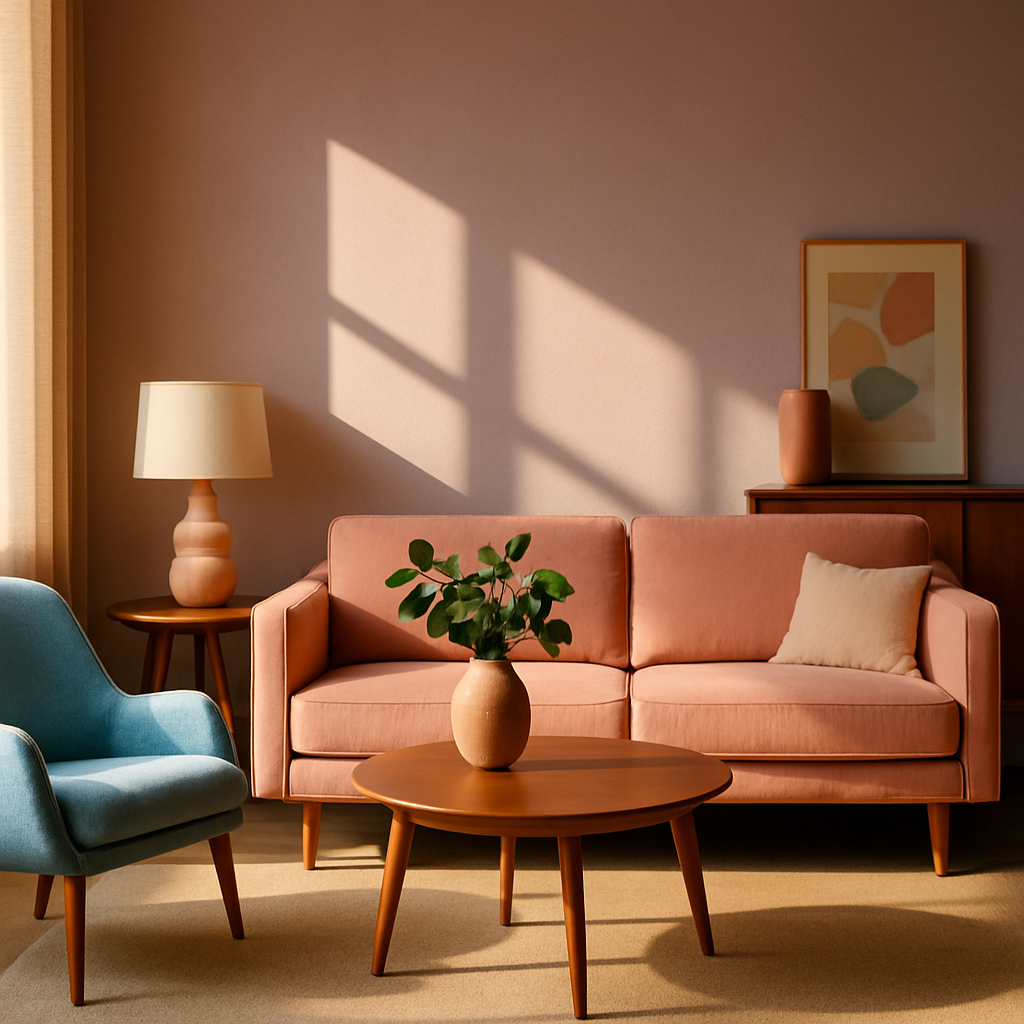
Imagine walking into your living room, and instead of feeling underwhelmed, you're greeted by a space that feels both inviting and uniquely yours. According to the Houzz 2023 survey, nearly 70% of homeowners who recently redesigned their living spaces reported increased satisfaction and comfort. With the right interior design choices, not only can your living space reflect your personality, but it can also enhance your everyday experience. In this article, we'll explore ten stunning interior design ideas that can transform your living space today, from foundational concepts to expert-level details, ensuring your home is both beautiful and functional.
Understanding the Foundations of Interior Design
The foundation of any stunning living space begins with understanding the basic principles of interior design. These include balance, contrast, and harmony, which work together to create a cohesive look. Balance involves distributing visual weight within a room, and it can be achieved through symmetrical, asymmetrical, or radial arrangements. Symmetry often brings a formal elegance, whereas asymmetry offers a more dynamic and casual feel. Radial symmetry, though less common, can make a room feel centered around a focal point, like a grand chandelier or a circular seating arrangement.
Contrast, on the other hand, is about juxtaposing different elements to create visual interest. This could mean pairing light and dark colors, or mixing modern and traditional furniture. For example, a sleek, minimalist coffee table can stand out beautifully against a backdrop of a richly textured, traditional rug. Harmony is achieved when all design elements complement each other, providing a sense of unity. A harmonious space often features a consistent color palette and style, ensuring that each piece feels like part of a larger whole.
Understanding these principles is crucial because they set the stage for more advanced design techniques. Once you grasp these foundational elements, you can begin to experiment with more daring ideas, knowing your choices will still result in a balanced and cohesive space. Thinking about how these principles apply to your own home, which areas could benefit from a bit more balance or contrast?
Exploring the Impact of Design Trends
Design trends can greatly influence how you perceive your living space. For instance, the concept of biophilic design has gained traction, focusing on incorporating natural elements into interiors to improve well-being. According to industry surveys, homes with biophilic elements, such as living walls or abundant natural light, can lead to a 20% increase in productivity and a significant boost in mood. A simple way to start is by incorporating more houseplants or using materials like wood and stone.
Another trend that's been making waves is the integration of smart home technology. With advancements in technology, smart lighting systems and automated window treatments have become more accessible, allowing homeowners to control their environment with ease. A study by the American Institute of Architects (AIA) found that smart home features can increase a home's value by up to 5%. Imagine adjusting your living room's ambiance with just your voice or a tap on your smartphone.
Moreover, the quiet luxury trend emphasizes understated elegance. This involves choosing high-quality materials and craftsmanship over flashy decor. Consider investing in a few key pieces, like a bespoke sofa or custom cabinetry, which can serve as timeless anchors for your living space. As you look at current trends, which one resonates most with your style and how might it enhance your living space?
Implementing Actionable Design Strategies
Now that you're familiar with design principles and trends, it's time to implement actionable strategies to transform your living space. Start by decluttering. A clutter-free environment not only looks better but also reduces stress and boosts creativity. Consider the KonMari method for decluttering, which involves keeping only those items that spark joy. This practice can significantly open up your space and make it feel more inviting.
Next, focus on lighting. Lighting plays a crucial role in how a room feels. Layered lighting, which includes ambient, task, and accent lighting, can dramatically enhance a room's atmosphere. Use dimmable LED lights to adjust the brightness according to the time of day and the mood you wish to create. For example, pendant lights over a dining table can provide both task lighting for meals and ambient lighting for gatherings.
Finally, consider the flow of your living space. Furniture arrangement should facilitate easy movement and conversation. Avoid pushing all furniture against the walls; instead, create zones within a room. This could mean grouping seating arrangements to form a cozy conversation area or positioning a reading nook by a window. As you contemplate these strategies, what small changes could you make today that would have the biggest impact on your living space?
Delving into Expert-Level Design Details
For those looking to delve deeper into interior design, understanding the nuances of color theory and material selection is key. Experienced professionals often note that the choice of color can completely alter the perception of a space. For instance, warm colors like reds and oranges can make a room feel cozier, while cool colors like blues and greens can open up small spaces.
The selection of materials also plays a significant role in defining a room's character. Sustainable materials, such as bamboo or reclaimed wood, not only offer environmental benefits but also add unique textures and stories to your home. The International Interior Design Association (IIDA) highlights the growing trend of eco-friendly design, with many designers opting for materials that have minimal environmental impact.
Moreover, the use of patterns and textures can add depth and interest to a room. Mixing patterns, such as stripes with florals, when done correctly, can create a vibrant and sophisticated look. The key is to maintain a consistent color palette to ensure the patterns complement rather than clash. As you explore these details, how might a new color scheme or material choice redefine your living space?
Enhancing Design with Professional Insight
Collaborating with a certified interior designer can elevate your living space to new heights. Certified designers, who hold credentials such as NCIDQ (National Council for Interior Design Qualification), bring a wealth of knowledge and expertise to the table. They can provide insights into space planning, material selection, and even help with procurement and installation phases.
Designers often have access to exclusive resources and can source unique furnishings that aren't available to the general public. This can include custom-designed furniture or rare art pieces that can become focal points in your home. According to ASID (American Society of Interior Designers), working with a certified professional can not only streamline the design process but also ensure that the end result is tailored to your personal taste and lifestyle.
Furthermore, designers can assist in adhering to budget constraints, offering guidance on where to splurge and where to save. They can also manage project timelines, ensuring that your redesign is completed efficiently. As you consider the possibility of hiring a professional, what aspects of your living space could benefit from expert guidance?
Final Perspectives on Transforming Your Living Space
As you embark on your journey to transform your living space, remember that the process is as important as the result. Whether you choose to implement small changes or undertake a full renovation, each step should reflect your personal style and enhance your quality of life. Reimagining your space is not just about aesthetics; it's about creating a home that supports your dreams and activities.
Consider using online resources such as Houzz and Pinterest to gather inspiration and refine your design vision. These platforms offer a wealth of ideas and allow you to see real-life examples of how others have successfully transformed their spaces. By compiling a collection of favorite designs, you can communicate your vision more effectively, whether working alone or with a designer.
Ultimately, your living space should be a reflection of you and a place where you feel truly at home. As you reflect on these ideas, which ones resonate most with your aspirations for your living space? The journey of transformation begins with a single step.
Conclusion: Your Next Steps
Transforming your living space is an exciting opportunity to express your personality and improve your daily environment. By understanding design principles, staying informed about trends, and considering professional insights, you can create a space that truly feels like home. Start by browsing portfolios on platforms like Houzz this week-even 20 minutes of research will sharpen your eye for what you want. What will your first step be in this transformative process? Remember, each choice you make should bring you closer to the living space of your dreams.



Comments
Post a Comment