10 Stunning Interior Design Ideas to Transform Your Living Space
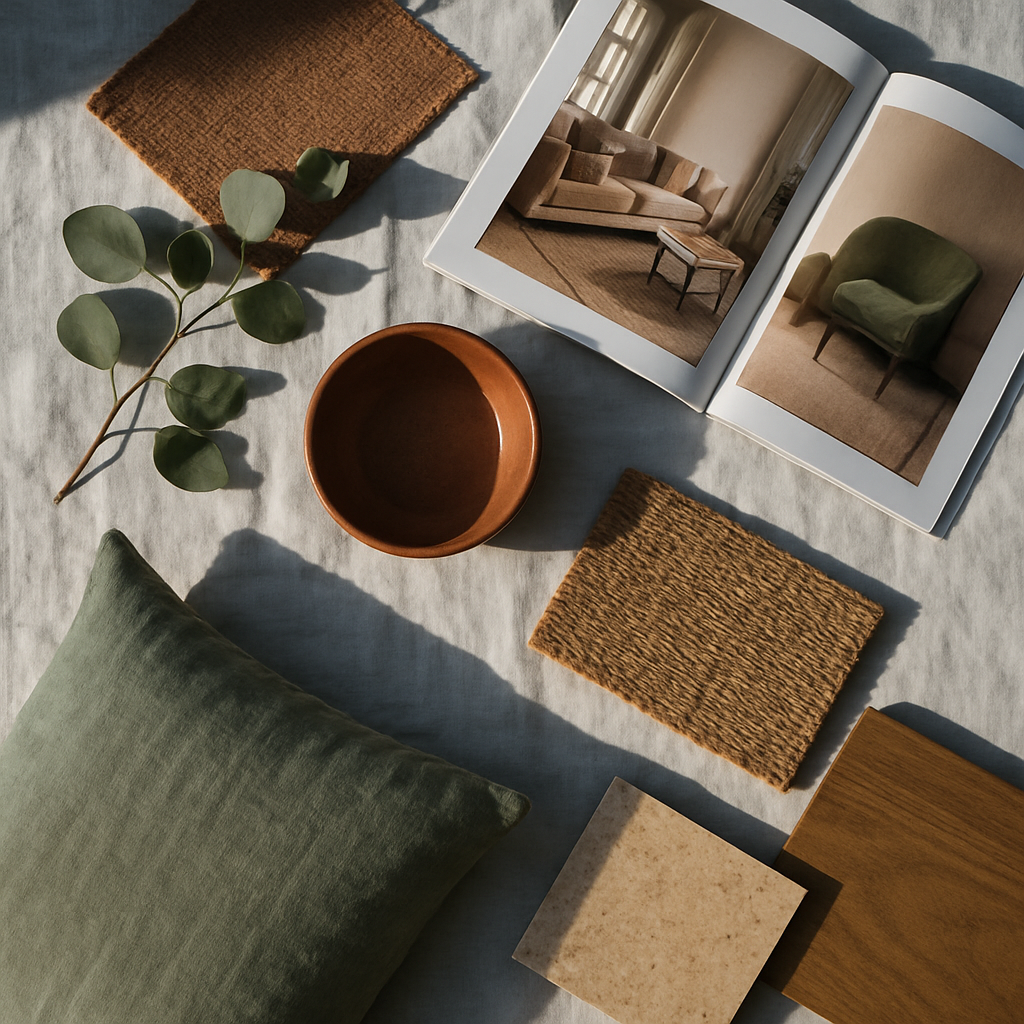
Did you know that a well-designed interior can increase your home's resale value by 5-15%? This statistic from the National Association of Realtors underscores the transformative power of interior design. Whether you're looking to refresh a single room or undertake a full-home makeover, the right design choices can dramatically enhance your living space. In this article, we'll explore ten stunning interior design ideas that can revolutionize your home's aesthetic and functionality. From foundational concepts to expert insights, each section will offer practical, actionable advice to guide your design journey.
Understanding Foundational Concepts in Interior Design
Before diving into specific design ideas, it's crucial to understand some foundational concepts that underpin successful interior design. The principles of balance, harmony, and contrast are integral to creating spaces that are both visually appealing and functional. Balance can be achieved through symmetrical or asymmetrical arrangements, ensuring that no single element overpowers the rest. Harmony involves the consistent use of colors, textures, and materials to create a unified look.
Contrast, on the other hand, is about introducing elements that stand out, such as a bold-colored accent wall or a statement piece of furniture. The interplay of these principles helps to capture the essence of a space and make it truly unique. A practical example is using a neutral color palette for the majority of the room, while incorporating vibrant cushions or artwork to add character and depth.
Another key concept is the flow of space. It's important to consider how people will move through a room and ensure that furniture placement facilitates easy navigation. Experienced professionals often note that an open floor plan can enhance the perceived size of a room and promote a sense of openness. As you plan your design, keep these foundational concepts in mind. They will set the stage for the more specific ideas discussed in the following sections.
Analyzing Current Trends with Data
Contemporary interior design is heavily influenced by current trends, many of which are driven by data and consumer preferences. According to the annual Houzz survey, there's been a significant shift towards sustainable and eco-friendly materials. Homeowners are increasingly opting for recycled materials and energy-efficient appliances, reflecting a broader societal emphasis on sustainability.
Another notable trend is the integration of smart home technology. From automated lighting systems to smart thermostats, technology is becoming a staple in modern homes. Data from Statista indicates that the smart home market is projected to grow significantly over the next few years, driven by consumers' desire for convenience and efficiency. This trend is reflected in the growing popularity of app-controlled devices that allow users to manage their home environments remotely.
Incorporating these trends into your design can not only enhance your home's functionality but also its appeal to potential buyers. Consider the impact of a smart lighting system that can adjust based on natural light levels throughout the day. By staying informed about current trends and understanding the data behind them, you can make design choices that are both stylish and forward-thinking. This insight will serve as a foundation for the actionable strategies we'll explore next.
Actionable Strategies for Stunning Interiors
Now that we have established some foundational concepts and examined current trends, let's delve into practical strategies you can implement. First, consider the use of biophilic design, which emphasizes the connection between indoor spaces and nature. This can be achieved through the use of natural materials like wood and stone, as well as the incorporation of plants and greenery. Biophilic design not only enhances aesthetic appeal but also promotes well-being by improving air quality and reducing stress.
Another effective strategy is to embrace the Japandi style, which blends Japanese minimalism with Scandinavian warmth. This approach focuses on simplicity and functionality, utilizing a neutral color palette, clean lines, and natural textures. The result is a calming and inviting atmosphere that feels both elegant and comfortable. Japandi design is particularly well-suited for small spaces, as it emphasizes decluttering and maximizing natural light.
Finally, consider the use of AR/VR room visualization tools, which allow you to experiment with different layouts and design elements before committing to a final look. These tools can be invaluable in the planning phase, helping you to visualize how different colors, textures, and furniture pieces will work together. By leveraging these strategies, you can create a living space that is both stunning and personalized. Next, we'll explore expert-level insights to further refine your design approach.
Expert-Level Insights for Design Enthusiasts
For those looking to take their interior design skills to the next level, it's helpful to draw on expert insights and industry standards. One key consideration is the selection of certified interior designers who hold credentials such as the NCIDQ (National Council for Interior Design Qualification) or membership with the ASID (American Society of Interior Designers). These professionals have undergone rigorous training and adhere to high standards of practice, ensuring that your design project is executed flawlessly.
Understanding fee structures is another critical aspect of working with designers. Common models include flat fees, hourly rates ranging from $150 to $500, and percentage-based fees typically between 10-25% of the total project cost. Being informed about these options can help you budget effectively and avoid unexpected expenses.
Experienced professionals often emphasize the importance of the concept development phase, where ideas are brainstormed and refined before any physical work begins. This stage is crucial for aligning the design vision with practical considerations such as budget and timeline. As you engage with designers or undertake a DIY project, keep these expert insights in mind. They will help you navigate the complexities of interior design with confidence. In the next section, we'll delve even deeper into the nuances of design.
Delving Deeper into Interior Design Nuances
When transforming your living space, it's important to go beyond surface-level changes and consider the deeper nuances of design. One such nuance is the impact of color psychology on mood and behavior. Colors can evoke emotions and influence perceptions, so it's essential to choose hues that align with the intended atmosphere of each room. For example, blue is often associated with calmness and serenity, making it an ideal choice for bedrooms or relaxation areas.
Texture is another element that can add depth and interest to a space. Mixing different textures, such as combining smooth leather with soft textiles, can create a dynamic and visually appealing environment. The use of texture is particularly effective in monochromatic schemes, where it can add variety without introducing new colors.
Lighting plays a pivotal role in interior design, affecting not only aesthetics but also functionality. Layered lighting, which combines ambient, task, and accent lighting, can enhance the usability of a space while highlighting its architectural features. By carefully considering these nuances, you can elevate your design from good to exceptional. The final section will offer concluding thoughts and a call to action.
Final Perspectives on Transforming Your Living Space
As you embark on your interior design journey, remember that transformation is as much about the process as it is about the end result. Each decision, from color selection to furniture placement, contributes to the overall narrative of your space. Consider how these choices reflect your personality and lifestyle, and don't be afraid to experiment with bold ideas that resonate with you.
It's also important to recognize that design is an evolving field, with new trends and technologies continually emerging. Staying informed and adaptable will enable you to make design decisions that are both current and timeless. Whether you're working with a professional designer or tackling a DIY project, the insights and strategies discussed in this article will serve as a valuable guide.
Conclusion
In conclusion, transforming your living space with stunning interior design ideas involves a blend of foundational principles, current trends, and actionable strategies. By understanding and applying these elements, you can create a home that is both beautiful and functional. Are you ready to start your design journey? Begin by browsing designer portfolios on platforms like Houzz and Pinterest this week. Even dedicating 20 minutes to research will sharpen your eye for what resonates with you. Take the first step toward realizing your design vision today.



Comments
Post a Comment