10 Essential Trends in Room Interior Design You Can't Afford to Miss
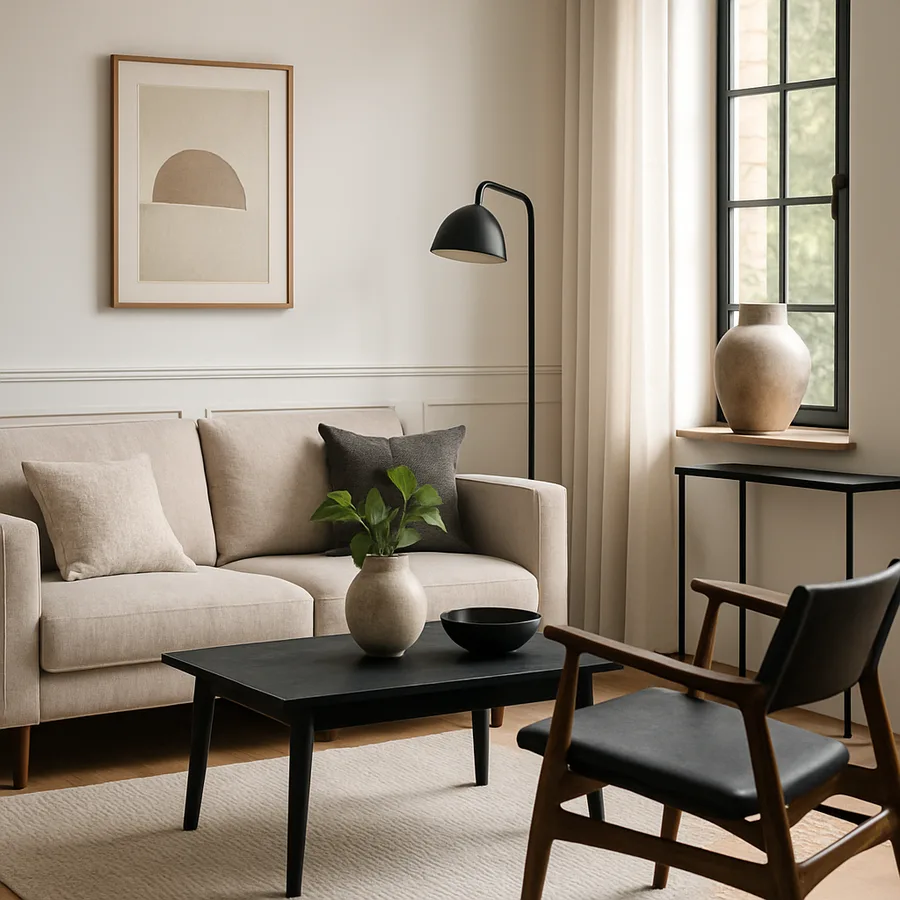
When was the last time you walked into a room and felt completely inspired by its design? According to a survey by the National Association of Home Builders, 90% of homeowners believe that interior design significantly impacts their emotional well-being. As the world of interior design continuously evolves, staying ahead of the trends can transform your space into a haven that not only looks beautiful but also enhances your lifestyle. In this article, we will explore ten essential trends in room interior design that you can't afford to miss. From biophilic design to the integration of smart home technologies, these trends are reshaping the way we live and interact with our environments.
Understanding the Foundations of Biophilic Design
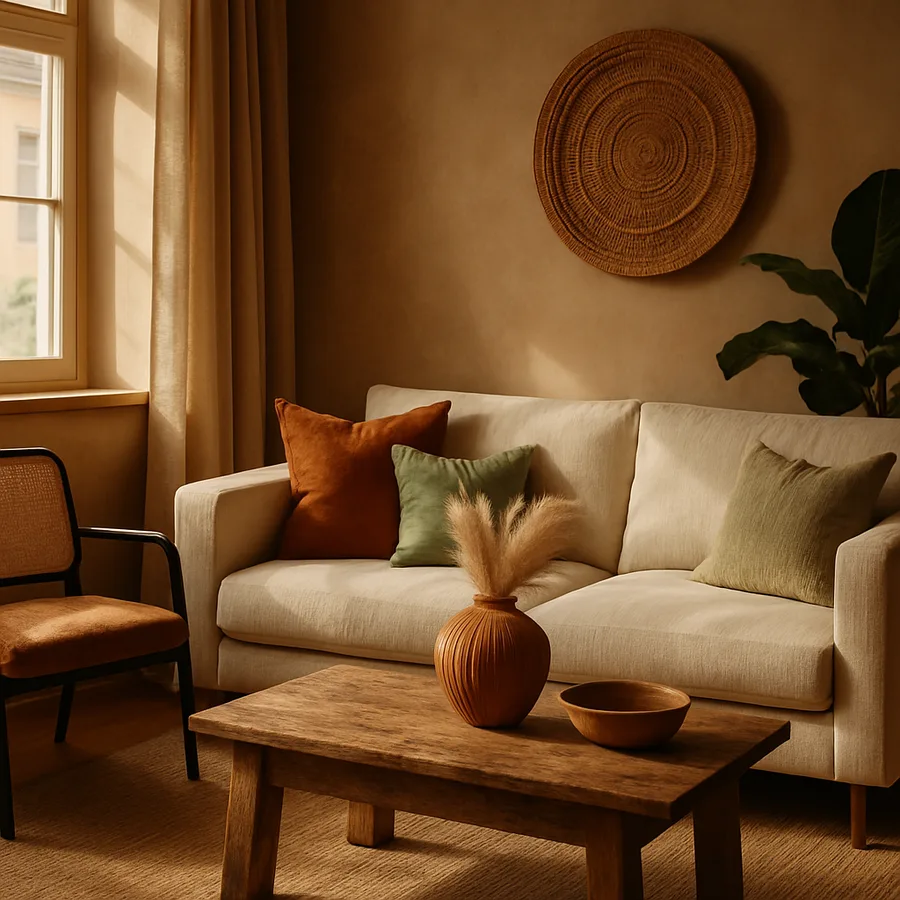
Biophilic design is making waves in the interior design world, focusing on the innate human connection to nature. This trend emphasizes the use of natural materials, greenery, and an indoor-outdoor flow to create calming and restorative environments. A research study by Terrapin Bright Green found that incorporating elements of nature in design can reduce stress, enhance creativity, and improve overall well-being. Imagine sitting in a living room adorned with lush greenery and natural light pouring in through large windows - it's a transformative experience that goes beyond aesthetics.
One of the key elements of biophilic design is the use of natural materials such as wood, stone, and wool. These materials not only bring warmth and texture but also create a sensory connection to the outdoors. Experienced professionals often note that using sustainable and reclaimed materials can enhance the eco-friendliness of a design project. This is particularly important as more homeowners seek to reduce their environmental footprint while creating spaces that feel authentic and grounded.
Incorporating water features, such as indoor fountains or aquariums, is another way to embrace biophilic design. These elements add a soothing auditory dimension and can serve as focal points in a room. As you consider integrating biophilic principles into your home, think about how natural elements can be woven into your existing space. How might a living wall or a strategically placed skylight change the ambiance of your favorite room?
The Rise of Smart Home Integration
The integration of smart home technology is revolutionizing interior design, offering unprecedented convenience and efficiency. According to a report by Statista, the number of smart homes worldwide is expected to reach over 400 million in the coming years. Smart technologies such as automated lighting, climate control, and window treatments are becoming standard features in modern interiors. These elements not only enhance the functionality of a space but also contribute to energy savings and sustainability.
Consider a smart lighting system that adjusts the brightness and color temperature based on the time of day. This not only optimizes energy use but also supports your natural circadian rhythm, promoting better sleep and overall health. Similarly, automated climate control systems can adjust the temperature of your home based on your preferences and daily schedule, providing comfort while reducing energy consumption. The convenience of controlling these systems through a smartphone app or voice command is an added bonus.
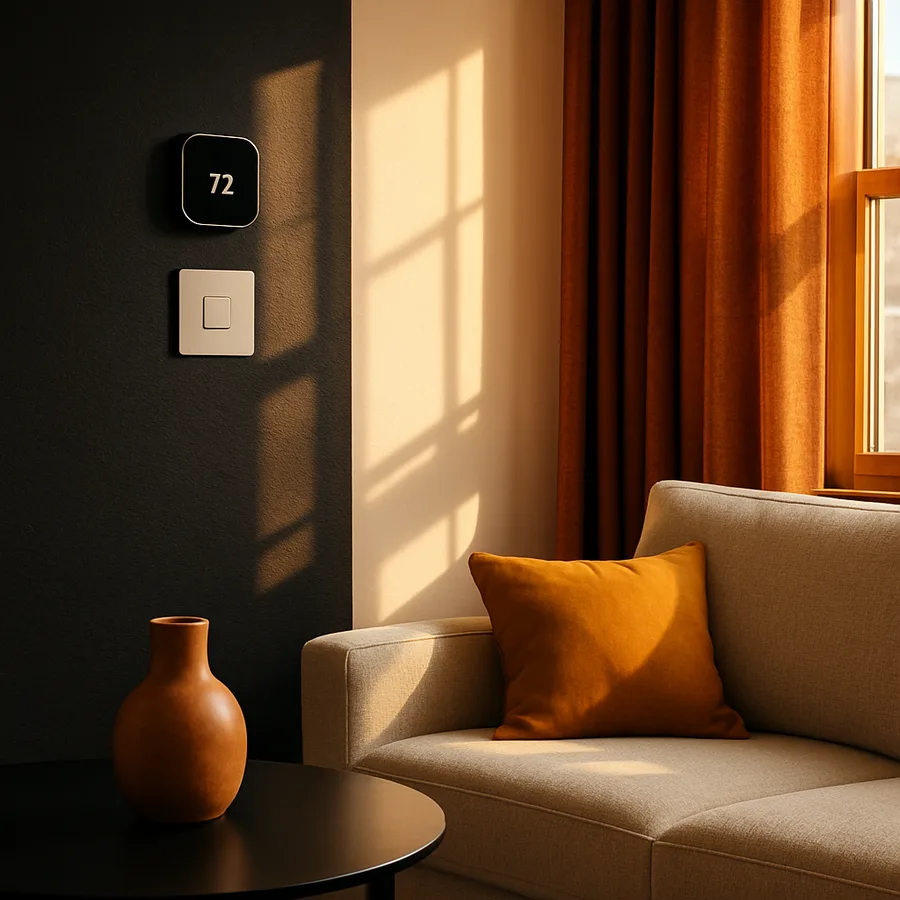
As you explore smart home integration, it's important to think about how these technologies can be seamlessly incorporated into your design aesthetic. For instance, smart thermostats with sleek, minimalist designs can complement a modern interior, while hidden speakers and discreet sensors can maintain the integrity of a traditional or rustic style. How can you leverage technology to enhance both the functionality and beauty of your home?
Actionable Strategies for Quiet Luxury
Quiet luxury is a trend that emphasizes understated elegance and refined sophistication. This concept focuses on high-quality materials, craftsmanship, and timeless design rather than flashy, opulent displays. According to industry experts, investing in fewer but better pieces can create a sense of luxury that feels intimate and personal. This trend is about embracing the beauty of simplicity and letting the quality of each piece speak for itself.
To achieve quiet luxury, start by selecting a neutral color palette with subtle variations in texture and tone. This creates a serene backdrop that highlights the quality of your furnishings and decor. Opt for materials like cashmere, linen, and high-grade leather, which not only feel luxurious but also stand the test of time. The focus should be on craftsmanship and attention to detail, whether it's a hand-knotted rug or a custom-made sofa.
Incorporate statement pieces that have personal significance, such as a vintage armchair or an art piece that resonates with you. These elements add character and individuality to your space, making it truly unique. As you curate your home with quiet luxury in mind, consider what elements bring you joy and comfort. What pieces do you want to invest in that will become cherished parts of your everyday life?
Expert Insights on Japandi Design
Japandi is a fusion of Japanese minimalism and Scandinavian warmth, creating a harmonious blend of functionality and comfort. This trend emphasizes clean lines, natural materials, and a muted color palette, focusing on creating serene and clutter-free spaces. The International Interior Design Association (IIDA) notes that Japandi design promotes mindfulness and intentional living, aligning with the growing desire for simplicity and tranquility in our homes.
One of the key principles of Japandi design is functionality. Furniture pieces are often multi-purpose, with storage solutions that help maintain a clutter-free environment. For example, a sleek coffee table with hidden compartments or a bench with built-in storage can serve both aesthetic and practical purposes. This approach not only maximizes space but also encourages a mindful approach to consumption and organization.
Incorporating natural elements such as wood, bamboo, and stone is essential to achieving the Japandi look. These materials create a sense of warmth and connection to nature, enhancing the overall ambiance of a room. As you explore Japandi design, think about how you can incorporate both minimalist and cozy elements into your space. How can you create a balance between form and function that reflects your personal style?
Diving Deeper into Sustainable Design
Sustainability is more than a trend; it's a movement that is reshaping the interior design industry. As awareness of environmental issues grows, more homeowners are seeking sustainable solutions that minimize their impact on the planet. According to the American Society of Interior Designers (ASID), sustainable design is not only about using eco-friendly materials but also about creating long-lasting, adaptable spaces that reduce waste.
One way to embrace sustainable design is by choosing furniture and decor made from reclaimed or recycled materials. For instance, a dining table made from reclaimed wood or a rug crafted from recycled fibers can add character to a room while supporting sustainability. Additionally, sourcing locally produced goods reduces the carbon footprint associated with transportation and supports local artisans and businesses.
Another important aspect of sustainable design is energy efficiency. Incorporating energy-efficient appliances, LED lighting, and proper insulation can significantly reduce a home's energy consumption. By investing in sustainable design practices, you not only contribute to the health of the planet but also create a home that is comfortable, efficient, and resilient. What steps can you take today to make your home more sustainable?
Final Perspectives on Creating a Timeless Space
As you consider these essential trends in room interior design, it's crucial to focus on creating spaces that are both beautiful and timeless. Trends come and go, but a well-designed room should stand the test of time and adapt to your changing needs. By prioritizing quality, functionality, and personal expression, you can create a home that remains relevant and inspiring for years to come.
Remember that interior design is an ongoing journey, one that evolves as you do. As you explore these trends, don't be afraid to experiment and make choices that reflect your unique taste and lifestyle. Whether you're incorporating biophilic elements or embracing quiet luxury, the key is to create a space that feels authentically yours.
What design elements resonate with you the most? How can you incorporate these trends in a way that aligns with your vision for your home? As you ponder these questions, remember that the ultimate goal is to create a space that brings joy, comfort, and inspiration to your daily life.
Conclusion
In summary, the world of interior design is rich with trends that offer endless possibilities for transforming your home. By exploring biophilic design, smart home integration, quiet luxury, Japandi, and sustainable practices, you can create spaces that are not only stylish but also meaningful and functional. As you embark on your design journey, consider starting by browsing portfolios on platforms like Houzz or consulting with certified professionals from the American Society of Interior Designers (ASID). Even 20 minutes of research can sharpen your eye for what you want.
Ultimately, the key to successful interior design lies in understanding your own needs and preferences. By staying informed about current trends and seeking expert guidance, you can create a home that is both a reflection of your personality and a sanctuary for relaxation and rejuvenation. Start your design journey today and transform your living space into a masterpiece of comfort and style.
More Articles You May Like


Comments
Post a Comment