Top 10 Room Interior Design Trends You Can't Afford to Miss in 2023
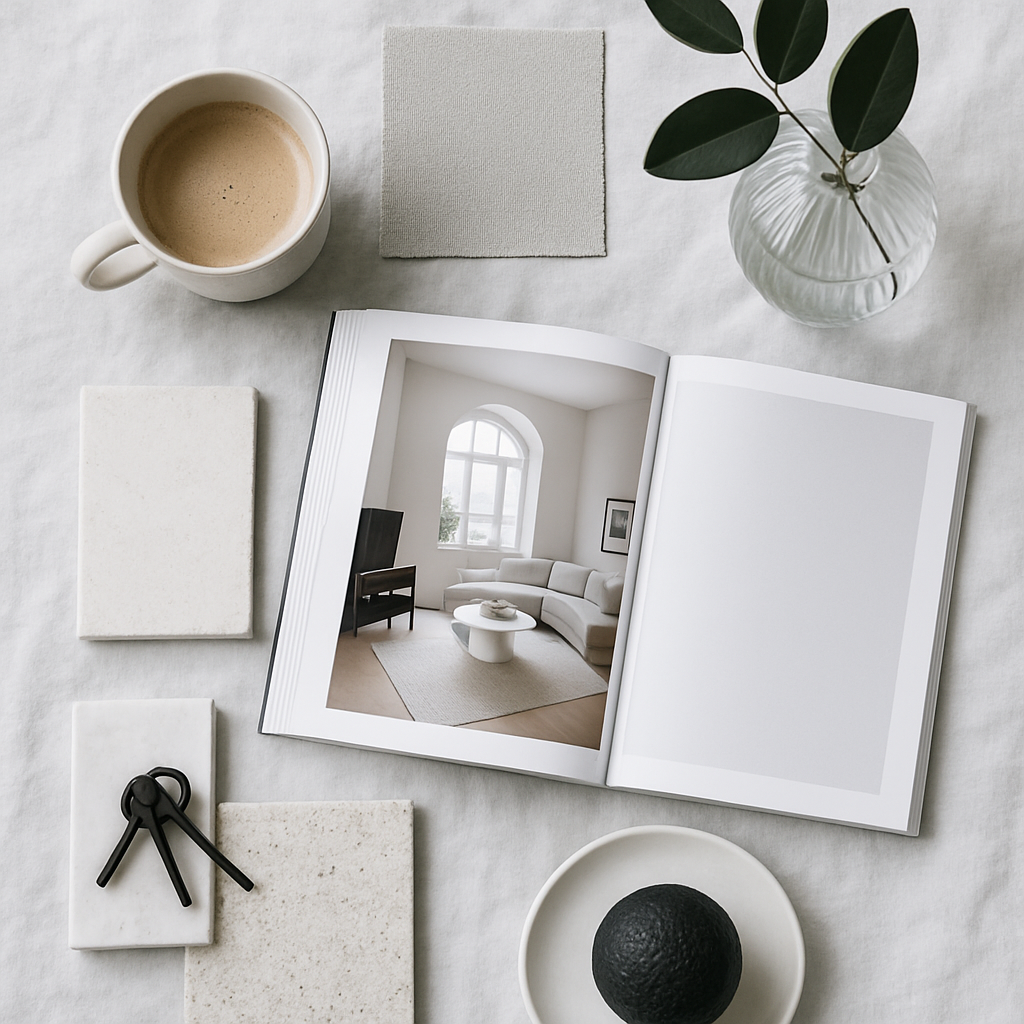
Imagine walking into a room that instantly makes you feel at ease, capturing the essence of tranquility and style. This is the power of modern interior design, where emerging trends can transform your living space into a personal haven. According to recent surveys by Houzz, over 70% of homeowners are planning to redecorate their homes to keep up with current trends. So, what are these trends that you simply can't afford to miss? This article will guide you through the top 10 room interior design trends of 2023, providing insights into foundational concepts, expert-level details, and actionable strategies to bring these trends to life in your own home.
Foundational Concepts in Room Design
The foundation of any transformative room design begins with an understanding of current design principles that emphasize both functionality and aesthetics. A key trend in 2023 is the integration of biophilic design, which focuses on incorporating natural elements into your home. This approach not only enhances the visual appeal of a space but also improves air quality and mental well-being. Consider adding living walls or large indoor plants to introduce a refreshing green element that connects your home with nature.
Another vital concept is the use of sustainable and reclaimed materials. As environmental concerns become more pressing, designers and homeowners alike are opting for materials that are environmentally friendly. This includes reclaimed wood, recycled metal, and low-VOC paints. These materials not only reduce your ecological footprint but also add a unique character to your home, often telling their own stories through their textures and imperfections.
Lastly, the idea of quiet luxury has gained traction, where understated elegance takes precedence over opulence. This trend emphasizes quality over quantity, focusing on subtle details like soft textures, monochromatic color palettes, and minimalist decor. By choosing fewer, but more meaningful, elements, you can create a serene and sophisticated environment that stands the test of time. Each of these foundational concepts sets the stage for the detailed trends we will explore next.
Deeper Analysis with Data
Delving deeper into the trends, it's clear that data and analytics play a crucial role in shaping interior design decisions. According to the American Society of Interior Designers (ASID), 85% of interior designers have reported an increase in demand for smart home integrations. These systems, which include automated lighting, climate control, and window treatments, not only enhance convenience but also contribute to energy efficiency and security.
Furthermore, Houzz's annual survey indicates that homeowners who invest in smart home technology experience a 20% increase in overall satisfaction with their living spaces. This satisfaction is often attributed to the seamless blending of technology with design, providing a modern and cohesive environment. By integrating these technologies, you can transform your home into an intelligent space that anticipates your needs and adapts to your lifestyle.
In addition, the use of AR/VR room visualization tools has become more prevalent. These tools allow homeowners to visualize potential changes before making any commitments, reducing the risk of costly mistakes. As a result, the adoption of AR/VR technology in interior design projects has increased by 30% over the past year, according to Architectural Digest's AD PRO network. This trend is particularly beneficial for those who struggle to envision the final outcome of their design projects. Next, we will explore actionable strategies to implement these insights in your home.
Actionable Strategies for Your Home
If you're looking to incorporate these trends into your home, start by mapping out how you use each room. Identify high-traffic areas and consider how natural elements can be introduced. For instance, adding a vertical garden in the living room not only enhances air quality but also serves as a stunning focal point. When selecting sustainable materials, visit local salvage yards or browse platforms like Pinterest for inspiration on how to creatively repurpose materials.
When integrating smart home technology, begin with one room. Consider installing smart lighting that adjusts based on the time of day or voice-activated climate control systems that maintain optimal comfort levels. These small changes can significantly impact your daily routine, making your home more efficient without overwhelming you with technology.
For those hesitant about committing to a new design, explore AR/VR tools available on platforms such as Houzz or consult with a certified interior designer holding NCIDQ (National Council for Interior Design Qualification) credentials. These professionals can provide tailored visualizations that align with your preferences and budget. By taking these actionable steps, you can start transforming your home into a space that reflects the latest trends while meeting your practical needs. Let's now delve into expert-level details to refine your understanding further.
Expert-Level Details for a Sophisticated Home
Experienced professionals often note that the key to a sophisticated home lies in the details. The Japandi trend, which combines Japanese minimalism with Scandinavian warmth, is a prime example of how subtlety can create a profound impact. This style emphasizes clean lines, neutral tones, and natural materials, fostering a sense of calm and balance. Consider incorporating low-profile furniture and soft textiles to achieve this look.
Lighting is another critical element in achieving a high-end aesthetic. Opt for layered lighting solutions that include ambient, task, and accent lighting to create a dynamic and inviting atmosphere. Pendant lights made from natural materials or sleek, modern fixtures can enhance the ambiance and highlight architectural features.
Finally, color palettes play a pivotal role in defining the mood of a room. Current trends favor earthy tones and muted shades that evoke a sense of tranquility. When selecting colors, consider how they interact with natural light throughout the day and how they complement existing furnishings. By focusing on these expert-level details, you can elevate your home's design to new heights. In the following section, we will explore additional insights to further enhance your space.
Additional Insights for Enhancing Your Space
The integration of multi-functional furniture is another trend that you can't afford to overlook. As living spaces become smaller, the demand for furniture that serves multiple purposes has grown. Consider investing in pieces like a sofa bed for overnight guests or a dining table that doubles as a workspace. This approach not only maximizes space but also adds versatility to your home.
Moreover, incorporating personal art and handcrafted items can add a personal touch to your space. Seek out local artisans or explore platforms like Etsy for unique pieces that resonate with your style. These items can serve as conversation starters and add a layer of authenticity to your home.
Finally, don't underestimate the power of textiles in transforming a room. Upgrading your curtains, rugs, and cushions can refresh a space without a complete overhaul. Opt for natural fibers like wool and cotton to complement the biophilic trend and add warmth and texture to your rooms. These insights, when combined with the previous strategies, can create a cohesive and stylish environment. As we wrap up, let's consider the final perspectives on these trends.
Final Perspectives on 2023 Design Trends
As you reflect on these trends, consider how they align with your personal style and the functionality of your home. The beauty of modern interior design lies in its ability to be both timeless and adaptable. By embracing these trends, you can create a space that not only reflects current aesthetics but also evolves with your changing needs.
It's also important to remember that design is a personal journey. While trends offer guidance and inspiration, your home should ultimately be a reflection of you. Take the time to explore different styles, experiment with new ideas, and seek professional advice when needed. This process can be both rewarding and revealing, allowing you to discover new aspects of your personal taste.
As we conclude, these perspectives highlight the importance of a thoughtful approach to design. By considering both the foundational concepts and expert-level details, you can create a home that is both beautiful and functional. Let's summarize the key takeaways and provide a clear call to action.
Conclusion: Transforming Your Space
In summary, the top 10 room interior design trends of 2023 offer a wealth of opportunities to enhance your home. From biophilic design and sustainable materials to smart home technology and Japandi style, each trend provides unique insights into creating a space that is both modern and timeless. As you embark on your design journey, remember to focus on the details that matter most to you, and don't hesitate to seek professional guidance.
Are you ready to transform your space? Start by browsing portfolios on platforms like Houzz this week - even 20 minutes of research will sharpen your eye for what you want. Consider reaching out to a certified interior designer to discuss your vision and explore how these trends can be tailored to your home. By taking these steps, you can create an environment that truly reflects your personality and enhances your quality of life.



Comments
Post a Comment