How to Choose the Perfect Color Palette for Interior Wall Design
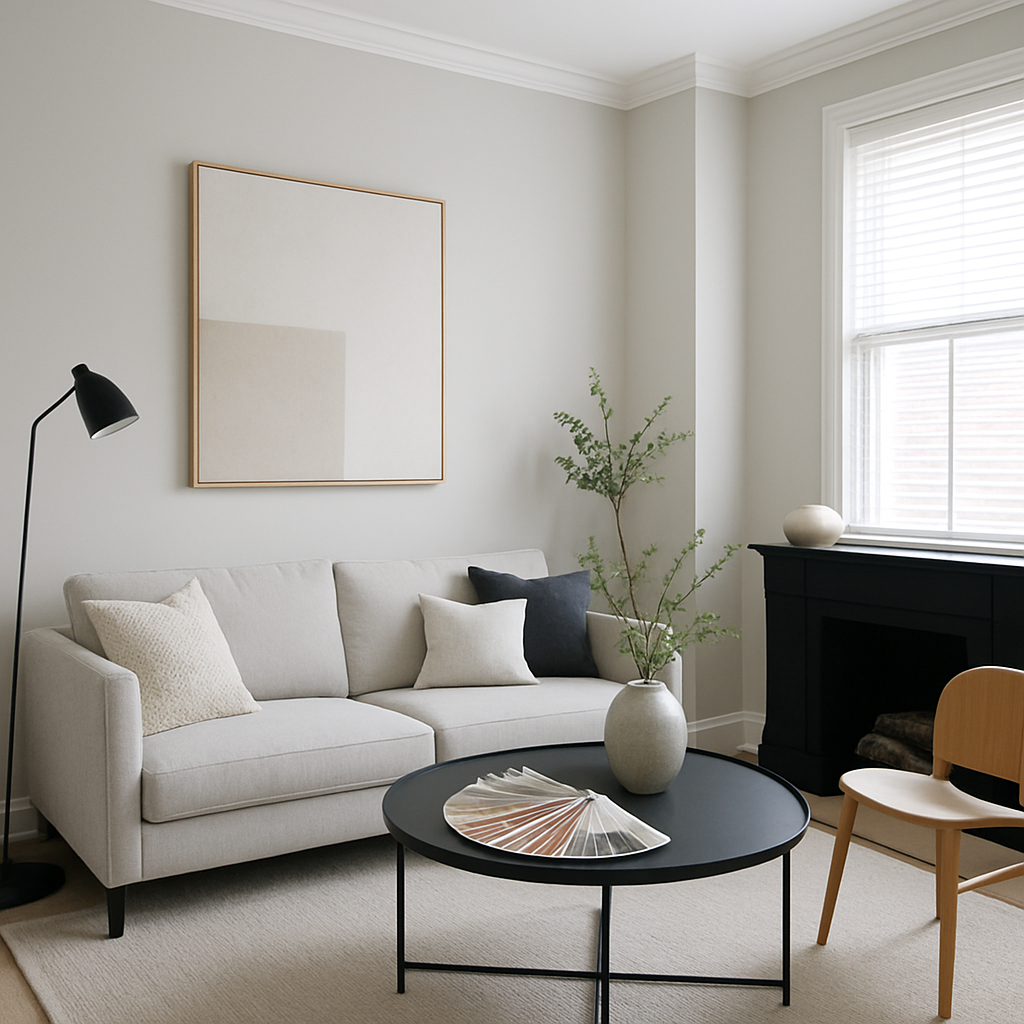
Have you ever walked into a room and felt immediately at ease, simply because of the colors on the walls? According to a survey by the American Society of Interior Designers (ASID), 68% of people believe that color influences their mood. Choosing the right color palette for your interior wall design is more than a matter of aesthetics-it's about creating an environment that reflects your personality and enhances your lifestyle. This article will guide you through foundational color concepts, delve into the psychology of color, provide actionable strategies for choosing colors, and offer industry insights from experts. Whether you're redesigning a single room or an entire home, understanding these elements can lead to a more cohesive and inviting space.
Understanding Basic Color Concepts
Before diving into color selection, it's essential to grasp some foundational color concepts. At the core of color theory is the color wheel, a tool that shows the relationship between primary, secondary, and tertiary colors. Primary colors-red, blue, and yellow-cannot be created by mixing other colors. Secondary colors-green, orange, and purple-are formed by mixing primary colors. Tertiary colors are combinations of primary and secondary colors, expanding your palette options. Understanding this wheel can help you choose complementary colors that enhance each other when used together.
Additionally, consider warm versus cool colors. Warm colors, such as reds, oranges, and yellows, tend to energize and invigorate a space. In contrast, cool colors like blues, greens, and purples evoke calm and relaxation. The choice between warm and cool can greatly affect the ambiance of a room. For instance, a living room might benefit from the vibrancy of warm colors, while a bedroom could offer tranquility with cool hues.
The value and saturation of a color also play significant roles. Value refers to the lightness or darkness of a color, while saturation describes the intensity. High saturation colors are bold and vivid, whereas muted colors have lower saturation, offering a softer appearance. These elements can be manipulated to create depth and interest in your design, allowing you to highlight certain areas or features within a space.
With these concepts in mind, you're ready to explore the psychological impact of colors and how they can transform your living spaces.
The Psychology of Color
Colors can profoundly impact emotions and behaviors, a fact supported by numerous studies in color psychology. For example, blue is often associated with calmness and productivity, making it a popular choice for home offices. On the other hand, red can increase energy levels and stimulate appetite, which explains its frequent use in dining areas. A study published by the International Journal of Design found that color can influence perception of space and temperature, with warm colors making a room feel cozier and cool colors expanding the sense of space.
Understanding these psychological effects can help you align your color choices with the intended function of each room. For instance, if you want your bedroom to be a sanctuary of rest, soft blues or greens might be ideal. Conversely, if your goal is to create a lively and engaging living room, incorporating pops of red or orange could be beneficial. This strategic approach to color selection ensures that each space not only looks good but also feels right for its purpose.
Consider also the role of personal preference and cultural influences. Colors carry different meanings across cultures and individuals. While white often signifies purity and simplicity in Western cultures, it might represent mourning in others. Therefore, it's crucial to consider your personal and cultural associations with color when designing your space. By doing so, you create an environment that resonates on a deeper, more personal level.
Armed with an understanding of color psychology, let's move on to some actionable strategies for applying these insights to your home.
Actionable Strategies for Choosing Colors
When it comes to selecting the perfect color palette for your interior walls, start by considering the existing elements within your space. Take inventory of furniture, flooring, and fixtures that will remain unchanged. This can provide a foundation for your color scheme and help ensure a harmonious look. For example, if you have a statement piece of furniture, such as a bold-colored sofa, you might want to select wall colors that complement rather than compete with it.
Next, create a mood board. This tool is invaluable for visualizing how different colors will interact in your space. Platforms like Pinterest and Houzz are excellent resources for gathering inspiration and organizing your ideas. By compiling images of rooms, fabrics, and finishes that appeal to you, you'll start to see patterns in the colors that resonate with you. This visual reference can guide your decision-making process and help you communicate your vision to professionals.
Finally, test your colors. Paint samples are a small investment that can save you from costly mistakes. Experienced professionals often note the importance of observing color swatches at different times of the day. Natural light can drastically change how a color appears, so view your samples in morning, afternoon, and evening light. This step ensures your chosen palette will look as expected in various lighting conditions.
With these strategies, you're well-prepared to select colors that not only look stunning but enhance your home's functionality.
Expert Advice: Working with Professionals
For those considering a more extensive redesign, working with a certified interior designer can be invaluable. Certified professionals, such as those with NCIDQ (National Council for Interior Design Qualification) credentials, bring a wealth of knowledge and experience to the table. They can offer insights into the latest design trends, like Japandi-a fusion of Japanese minimalism and Scandinavian functionality-or biophilic design, which emphasizes natural materials and connections with nature.
Interior designers often have access to advanced tools, such as AR/VR room visualization software, which allow clients to see potential designs in a virtual space before any work begins. This technology can be particularly helpful for visualizing how different color palettes will look in your home. Additionally, professionals can manage the project phases from concept development to installation, ensuring a seamless and cohesive process.
When hiring a designer, consider their fee structure. Many charge a flat fee, an hourly rate, or a percentage of the total project cost-typically ranging from 10-25%. Understanding these costs upfront can help you budget effectively and ensure that the designer's vision aligns with your own financial expectations.
Armed with expert insights, let's dive into additional considerations that can elevate your color choices even further.
Additional Considerations for Color Selection
When selecting a color palette, it's important to consider the long-term implications of your choices. Trends come and go, but classic colors like navy, beige, and white offer timeless appeal and versatility. According to Houzz's annual survey, homeowners who choose timeless colors report higher satisfaction and less frequent need for updates, leading to cost savings in the long run.
Another critical consideration is the resale value of your home. A well-chosen color palette can increase your home's appeal to potential buyers. The commonly cited statistic that well-designed interiors can yield a 5-15% higher resale value emphasizes the financial benefits of thoughtful color selection. Neutral colors often appeal to a broader audience, making them a safe bet for those considering selling in the future.
Finally, consider the environmental impact of your paint choices. Opt for eco-friendly paints with low VOCs (volatile organic compounds) to ensure better indoor air quality and reduce your carbon footprint. Many paint manufacturers now offer sustainable options that do not sacrifice quality or color richness.
With these additional considerations in mind, you'll be well-equipped to choose a color palette that stands the test of time.
Final Thoughts on Color Selection
Choosing the perfect color palette for your interior walls is a blend of art and science. While personal preference plays a significant role, understanding the principles of color theory, the psychology of color, and the practicalities of design can lead to more informed decisions. It's not just about what looks good-it's about creating a space that feels right and functions well in your daily life.
Remember, there's no one-size-fits-all solution. What works for one home might not suit another. So, take the time to explore, experiment, and eventually, you'll find the palette that feels uniquely yours.
Ready to transform your space with color? Let's summarize what we've learned and outline your next steps.
Conclusion: Your Next Steps in Color Selection
In summary, choosing the perfect color palette for your interior wall design involves understanding color theory, considering the psychological impact of colors, and applying actionable strategies to ensure a harmonious and functional home environment. By leveraging expert insights and additional considerations such as long-term value and sustainability, you can make informed decisions that enhance both your living space and your home's value.
Start by browsing portfolios on platforms like Houzz and Pinterest this week-even 20 minutes of research will sharpen your eye for what you want. Consider working with certified professionals to bring your vision to life, ensuring a seamless and satisfying redesign process. With thoughtful planning and expert guidance, your home can become a true reflection of your style and personality.



Comments
Post a Comment