10 Essential Skills Every Successful Interior Designer Should Master
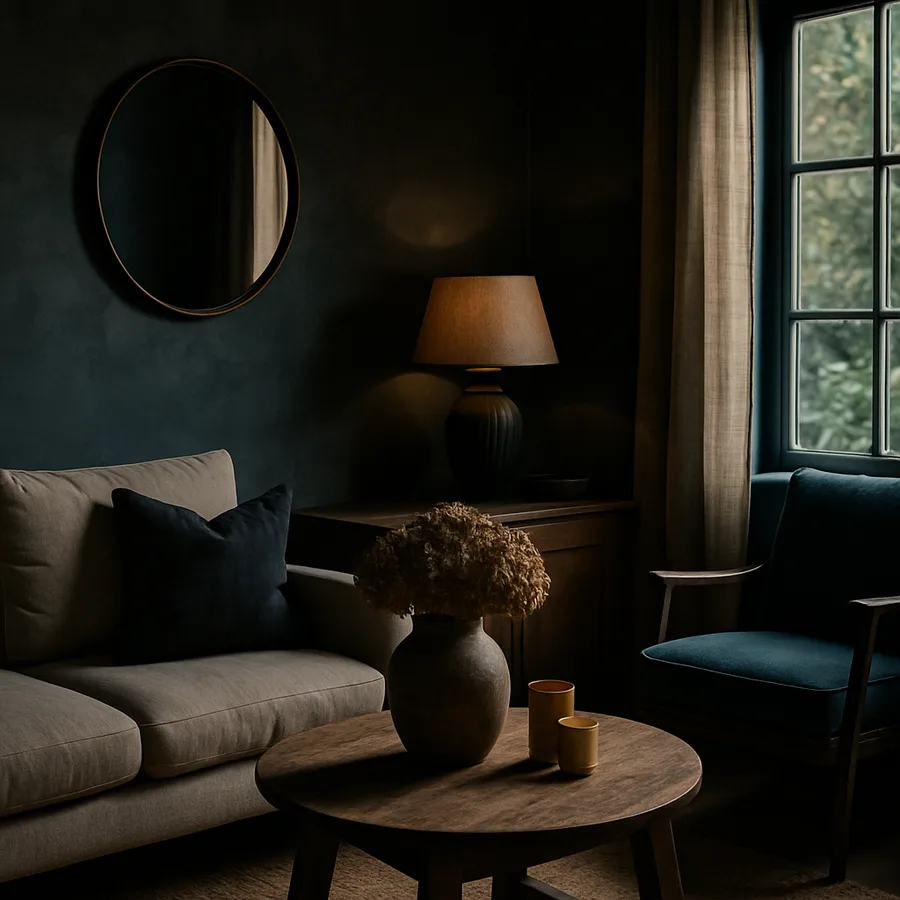
Imagine walking into a room that perfectly captures your personality and style-it's not just a dream, but a reality that skilled interior designers create every day. As the demand for innovative and functional home designs increases, so does the need for designers who possess a well-rounded skill set. In this article, we'll explore the ten essential skills every successful interior designer should master, providing insights into why these skills are important and how they can be applied in real-world scenarios. Whether you're an aspiring designer or a homeowner looking to hire one, understanding these skills can significantly impact the success of any interior design project.
What You Need to Know First
Before diving into the specifics of interior design, it's crucial to understand the foundational knowledge required for success in this field. One must first distinguish between certified interior designers and decorators. Certified designers, often holding credentials like the NCIDQ (National Council for Interior Design Qualification), undergo rigorous training and testing, ensuring a high level of competence in areas such as building codes and spatial planning. This certification is a gold standard in the industry and is supported by professional organizations such as the NCIDQ.
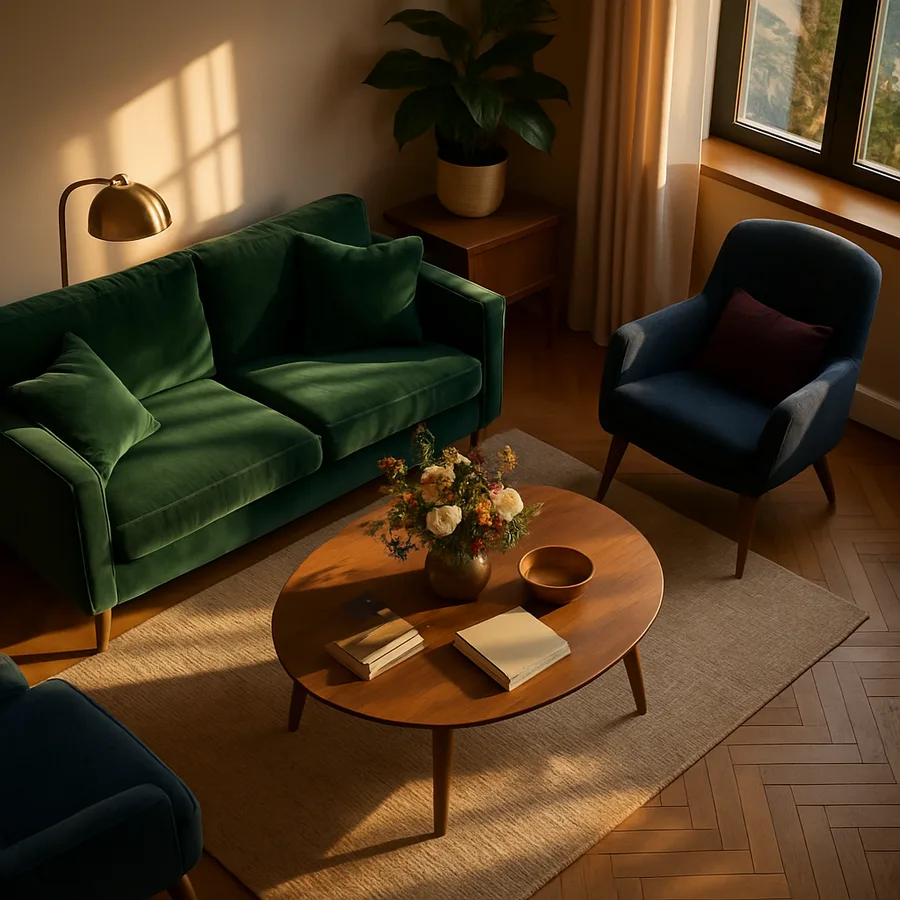
Another prerequisite is a solid understanding of design principles and elements, such as balance, contrast, and harmony. These principles form the backbone of any design project. For instance, creating a balanced layout involves skillfully arranging furniture and decor to achieve visual stability, which can profoundly affect a room's ambiance. Additionally, keeping abreast of current trends, like the rise of biophilic design and smart home integration, is essential for delivering designs that are not only stylish but also functional.
Lastly, familiarity with various design tools and software is indispensable. Programs like AutoCAD and SketchUp allow designers to create detailed plans and 3D models, providing clients with a clear vision of the final product. These tools are frequently used by professionals and are critical for effectively communicating ideas to clients and contractors alike. With these prerequisites in place, you're ready to delve deeper into the interior design process.
Step-by-Step Process
The interior design process is both creative and methodical, involving several stages that ensure a project's success. The first step is concept development, where designers gather information about the client's preferences, lifestyle, and budget. This stage is crucial as it sets the direction for the rest of the project. Experienced professionals often note that spending ample time on this phase can prevent miscommunication and align expectations early on.
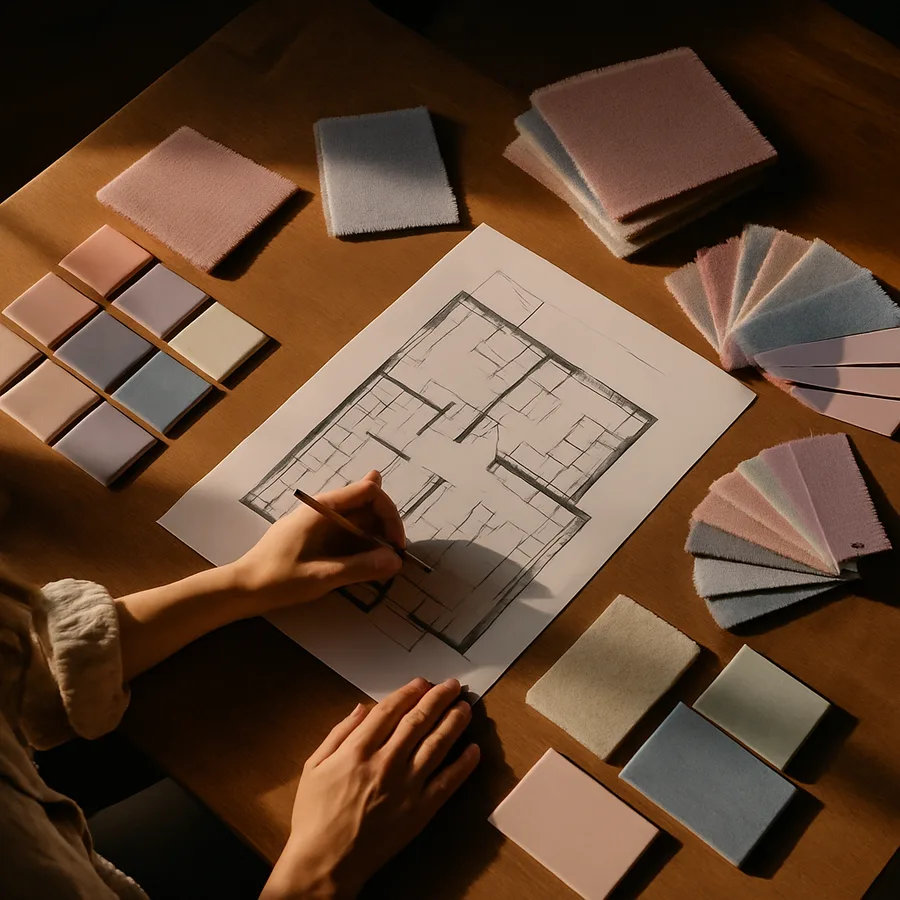
Next is the design presentation, where ideas are transformed into tangible plans. This phase includes creating mood boards, detailed floor plans, and selecting materials and finishes. Designers might use platforms like Houzz to source inspiration and visualize concepts. According to a Houzz survey, 72% of homeowners believe that having a clear design plan significantly enhances their satisfaction with the final outcome.
Once the design is approved, the procurement and installation phase begins. This involves ordering materials, coordinating with contractors, and overseeing the installation process. Effective project management skills are vital here, as designers must ensure that timelines are met and budgets are adhered to. Finally, the styling phase involves adding finishing touches, such as accessories and artwork, to bring the design to life. This step-by-step approach not only ensures a cohesive design but also helps manage client expectations throughout the project.
Common Mistakes to Avoid
Even the most seasoned interior designers can make mistakes. One common pitfall is neglecting the client's needs and preferences. Designers must resist the temptation to impose their style over the client's vision. Instead, they should strive to create spaces that reflect the client's personality while incorporating professional expertise. This client-centered approach often results in higher satisfaction and repeat business.
Another frequent mistake is poor budgeting and timeline management. A well-designed interior can quickly become a source of stress if costs spiral out of control or deadlines are missed. To avoid this, designers should establish a realistic budget early on and maintain open communication with clients about any changes that could impact costs or timelines. Utilizing project management software can help keep track of expenses and deadlines efficiently.
Lastly, overlooking the importance of lighting can detrimentally affect the ambiance of a space. Proper lighting design is essential for highlighting architectural features and creating the desired mood. Designers should consider a mix of ambient, task, and accent lighting to ensure a well-lit and inviting environment. Recognizing these common mistakes and taking proactive steps to avoid them can significantly enhance the quality of a designer's work.
Pro Tips from Industry Experts
Industry experts often emphasize the importance of continuous learning and adaptation. The field of interior design is ever-evolving, with new trends and technologies emerging regularly. Attending workshops and industry events hosted by organizations like the American Society of Interior Designers (ASID) can provide valuable insights and networking opportunities.
Another tip is to develop strong communication skills. Successful designers are adept at translating complex design concepts into language that clients and contractors can understand. This skill ensures that all stakeholders are on the same page, reducing the risk of misunderstandings. Additionally, effective communication helps build trust and rapport with clients, which is crucial for long-term success.
Experts also recommend honing your ability to visualize spaces. This skill enables designers to anticipate how different elements will interact within a room, resulting in more cohesive designs. Tools like virtual reality (VR) and augmented reality (AR) have become more prevalent, allowing designers to create immersive experiences for clients. Mastering these technologies can set a designer apart in a competitive market, enhancing client engagement and satisfaction.
Budget and Timeline Considerations
When embarking on an interior design project, understanding budget and timeline constraints is critical. According to industry surveys, well-executed designs can increase property value by 5-15%, but this potential is often contingent on maintaining financial discipline throughout the project. Designers typically charge in various ways, such as a flat fee, hourly rate (ranging from $150 to $500 per hour), or a percentage of the total project cost (usually 10-25%).
Establishing a clear budget at the outset helps prevent unexpected expenses. It's advisable to allocate approximately 10-20% of the budget for unforeseen costs, which are almost inevitable in any design project. Additionally, maintaining a flexible timeline can accommodate delays due to material shortages or contractor schedules. Open dialogue with clients about these possibilities can prepare them for potential changes.
Timeline management is equally important. A realistic schedule should account for the time needed for design development, procurement, and installation. Keeping clients informed of the project timeline, including any changes, fosters transparency and trust. With these considerations in mind, designers can better manage client expectations while delivering successful projects.
Real-World Examples and Case Studies
To illustrate these skills in action, let's consider a few real-world scenarios. One example is the seamless integration of smart home technology into a classic Victorian home. The designer artfully combined modern conveniences with traditional aesthetics, resulting in a space that was both functional and true to the home's original charm. This project underscores the importance of blending old with new, a skill highly prized in the industry.
Another case study involves a small urban apartment redesigned with biophilic elements. The designer utilized natural materials and living plants to create an oasis in the city, demonstrating the growing trend of incorporating nature into interior spaces. This approach not only enhanced the apartment's aesthetic appeal but also improved the occupant's well-being, highlighting the holistic impact of thoughtful design.
Finally, consider a large corporate office transformation that prioritized sustainability. By using recycled materials and energy-efficient lighting, the designer not only reduced the environmental footprint but also created a healthier workspace for employees. These real-world examples showcase the diverse applications of interior design skills and the profound impact they can have on both aesthetics and functionality.
Conclusion
Mastering the essential skills of interior design can transform spaces and elevate careers. From understanding client needs to managing budgets and timelines, each skill plays a critical role in delivering successful projects. As you consider your next steps, whether embarking on a design project or pursuing a career in interior design, remember to prioritize continuous learning and adaptation. Start by exploring platforms like Houzz and ASID for inspiration and resources. Even dedicating 20 minutes a week to browsing portfolios and reading industry articles can sharpen your design eye and enhance your understanding of the field. Now, armed with newfound knowledge, how will you apply these insights to your next design challenge?
More Articles You May Like



Comments
Post a Comment