Why Investing in Professional Interior Design Services is Key to a Beautiful Home
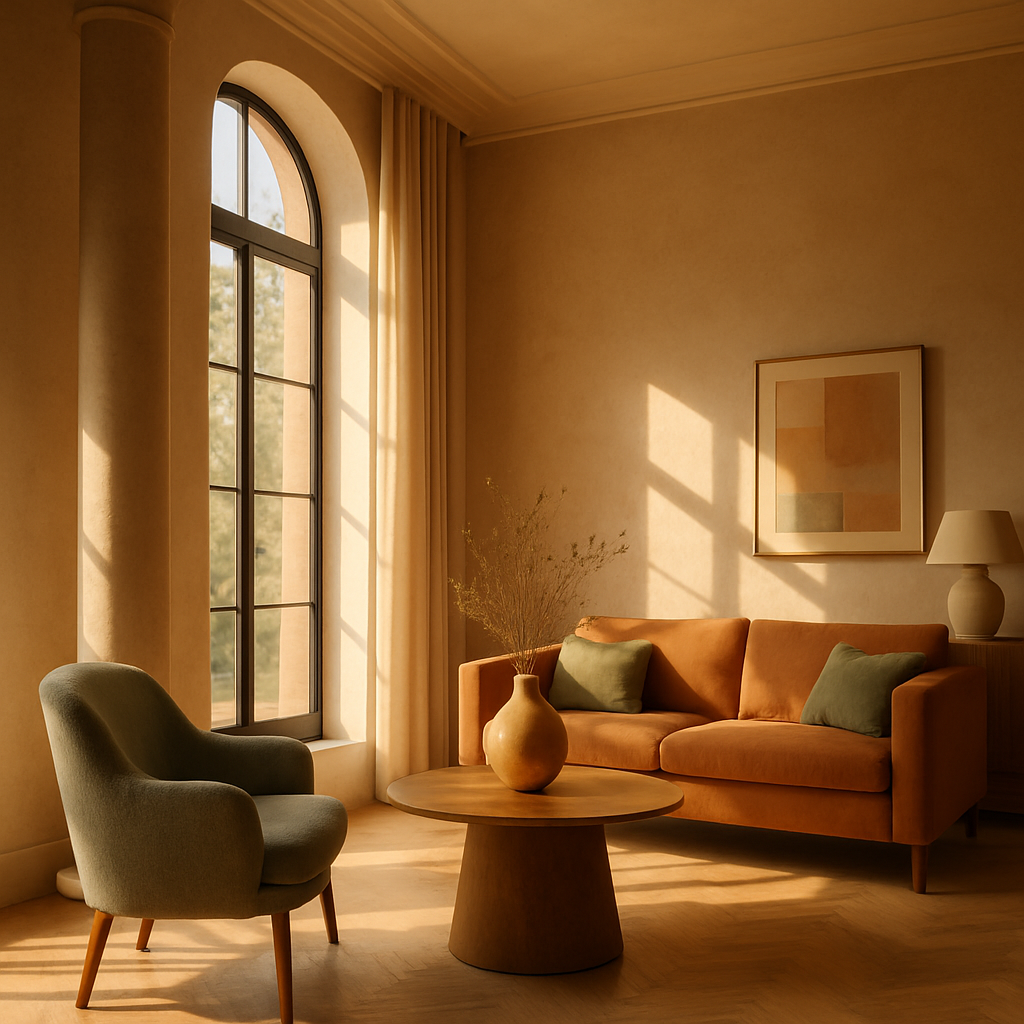
Imagine walking into a room that feels perfectly balanced - where every piece of furniture and every color on the wall seems to speak to one another in harmony. You might wonder how such a cohesive look is achieved. The answer often lies in the expertise of professional interior designers. According to the American Society of Interior Designers (ASID), homes designed by professionals can yield a resale value increase of 5-15%. This article will explore the foundational concepts behind professional interior design, analyze data on its benefits, offer actionable strategies for hiring the right designer, delve into expert-level details, and provide additional insights to help you make informed decisions.
The Foundation of Professional Interior Design
Professional interior design is much more than selecting beautiful furniture and arranging it artfully. It involves a deep understanding of space, light, and how these elements interact with human behavior. Experienced designers often hold credentials like the NCIDQ (National Council for Interior Design Qualification), which signifies a mastery of design principles and safety standards. These credentials differentiate certified designers from decorators who may not have formal training.
Designers begin with a comprehensive assessment of the space and the client's needs. This phase includes concept development, where the designer translates the client's vision into feasible design plans. Tools such as AR/VR room visualization are increasingly used to provide clients with a virtual tour of their potential new space, allowing for adjustments and approvals before any physical changes occur. This stage is crucial, as it ensures that the client's expectations align with the designer's vision.
Understanding and addressing client needs is essential in this process. Designers map out how clients use each room, considering factors like where keys are dropped, where children do homework, and where family members relax at the end of the day. This attention to detail ensures that the final design is both functional and aesthetically pleasing. As we delve deeper, understanding the financial aspect of hiring a designer can provide further clarity.
The Financial Impact and Data-Driven Benefits
Investing in professional interior design services might seem costly upfront, but it often proves worthwhile in the long run. The International Interior Design Association (IIDA) notes that professional designs can lead to significant financial returns, particularly in terms of property resale value. According to Houzz's annual survey data, homeowners who invested in professional design reported higher satisfaction and perceived value in their homes.
Designers typically charge in various ways, including flat fees, hourly rates (ranging from $150 to $500 per hour), or a percentage of the total project cost, usually between 10-25%. These fees reflect not just the designer's time but their expertise in sourcing materials, negotiating with contractors, and overseeing the project to ensure quality results. Would you rather pay a premium for a cohesive, well-thought-out space or risk costly mistakes by going it alone?
Moreover, the use of sustainable and reclaimed materials - a key trend in current design - can further enhance the value of a home. Professionals have access to a wide network of suppliers and can often procure these materials at a better rate, passing on the savings to the client. This strategic sourcing is one of the many ways professional designers offer value beyond mere aesthetics. Next, we explore how you can actively engage in the design process.
Actionable Strategies for Engaging with Designers
Finding the right interior designer for your project is crucial. Start by researching portfolios on platforms like Houzz and Instagram to get a sense of different styles and capabilities. Look for designers who have experience in the type of project you envision, whether it's a single-room makeover or a full-home redesign. Once you've shortlisted potential candidates, don't hesitate to ask about their credentials and past projects. Do they hold certifications like NCIDQ or are they members of professional bodies like ASID?
During initial consultations, be clear about your budget and timeline. This transparency allows designers to tailor their proposals to your specific needs and constraints. It's also essential to communicate your lifestyle requirements so that the design is not only beautiful but also functional. Consider how you use each space and share this with your designer. For example, if you often entertain guests, a designer might suggest open-plan layouts to facilitate social gatherings.
As the project progresses, maintain regular communication with your designer. This ensures any changes in scope or unexpected challenges are promptly addressed. Experienced professionals often note that a collaborative relationship between client and designer results in the most successful projects. With these strategies in mind, we'll now explore the nuanced skills that set professional designers apart.
Expert-Level Insights into Interior Design
What distinguishes a professional designer from a hobbyist is their ability to balance aesthetics with practicality. They possess a keen understanding of color theory, spatial dynamics, and material science. For instance, biophilic design, which incorporates natural elements to create a soothing environment, is a trend that requires a nuanced approach to selection and placement of plants and natural materials.
Professional designers also stay updated with technological advancements such as smart home integrations. They can seamlessly incorporate automated lighting, climate control, and window treatments into the design, enhancing both convenience and energy efficiency. These are not mere luxuries but integral parts of modern living that can increase a home's value and appeal.
Moreover, the procurement process in interior design is another area where expertise pays off. Designers have established relationships with vendors and manufacturers, often gaining access to exclusive products and discounts. This network not only broadens the options available to clients but also ensures quality control. As we transition to additional insights, consider how these expert skills can significantly impact your project's success.
Additional Insights and Considerations
While the aesthetic outcome of a professionally designed space is significant, the process and experience are equally important. Designers manage all phases of a project, from design presentation to procurement, installation, and final styling. This comprehensive management not only alleviates stress but also ensures that the project stays on schedule and within budget.
Experienced designers frequently incorporate sustainable practices, which is increasingly important to environmentally conscious homeowners. Using eco-friendly materials and energy-efficient systems can reduce a home's carbon footprint and appeal to a broader market if resale is a consideration. This approach aligns with the growing trend towards sustainable living, which is predicted to influence design choices for years to come.
Finally, professional designers bring a level of creativity and innovation that can transform a space beyond conventional expectations. They challenge clients to consider options they might not have previously imagined, resulting in a unique and personalized space. As we wrap up, these insights provide a comprehensive understanding of why professional interior design is a worthwhile investment.
Final Perspectives on Professional Interior Design
Investing in professional interior design services is not merely about creating a beautiful home; it is about enhancing your living experience and maximizing your home's potential. By leveraging the expertise of certified professionals, you ensure that every aspect of your space is thoughtfully considered and expertly executed. As the industry evolves, staying informed and engaged in the process will ensure that your home remains both stylish and functional.
Consider this: how does your current space reflect your personality and lifestyle? If there's room for improvement, professional interior design services could be the key to unlocking your home's full potential. With the right guidance, your living space can become a sanctuary that meets your aesthetic and functional needs.
In conclusion, the journey to a well-designed home is best navigated with professional guidance. Start by browsing portfolios on Houzz this week - even 20 minutes of research will sharpen your eye for what you want. With expert insights and strategic planning, your dream home is within reach.
More Articles You May Like



Comments
Post a Comment