How to Incorporate Sustainable Materials into Your Interior Design Ideas
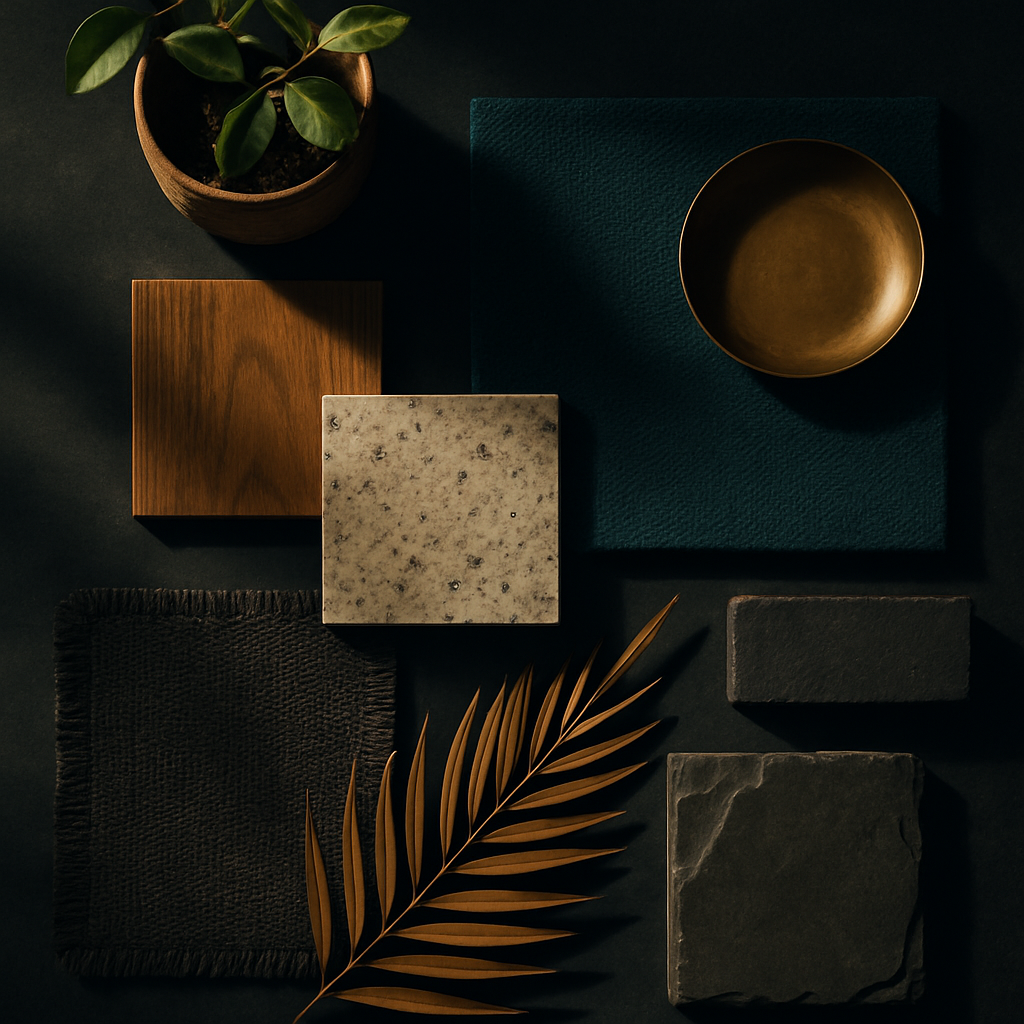
Have you ever wondered how your choice of materials impacts not just your home's aesthetics, but also the environment? According to industry reports, the global interior design industry is increasingly prioritizing sustainability, with a significant surge in consumer demand for eco-friendly materials. This shift is not just a trend; it's a crucial component of modern design thinking. In this article, we will explore how you can incorporate sustainable materials into your interior design ideas, ensuring that your home is as environmentally responsible as it is beautiful. We'll cover foundational concepts, delve into deeper analyses with supporting data, offer actionable strategies, and provide expert-level detail to guide your design journey.
Understanding Sustainable Materials in Interior Design
At its core, sustainable interior design focuses on using materials that minimize negative environmental impacts. These materials are often renewable, recycled, or salvaged, and they typically require less energy to produce. For example, bamboo, a rapidly renewable resource, is a popular choice for flooring and furniture due to its durability and aesthetic appeal. Similarly, reclaimed wood, salvaged from old structures or sourced as driftwood, offers a rustic charm while reducing the need for new timber.
Organizations like the American Society of Interior Designers (ASID) advocate for the use of sustainable materials in all design projects. They highlight that incorporating such materials not only benefits the environment but can also enhance the indoor air quality of a home. Homeowners are increasingly aware of the importance of reducing volatile organic compounds (VOCs) emitted by traditional building materials, leading them to choose low-VOC paints and finishes.
What's driving this shift towards sustainability in design? Experienced professionals often note that clients are more informed about environmental issues and are seeking ways to reduce their carbon footprint. This awareness, coupled with advancements in material technology, is making sustainable design more accessible than ever before. As we move forward, understanding the foundational principles of sustainable materials is essential for anyone looking to update their home responsibly.
The Environmental Impact of Traditional Materials
Let's delve into why traditional materials are falling out of favor. Many conventional materials, such as certain plastics and non-renewable woods, have a high environmental cost due to their production processes. For instance, the manufacturing of synthetic materials often involves significant energy consumption and emissions. According to a study by the International Interior Design Association (IIDA), the building and construction sector accounts for approximately 39% of global carbon emissions, a figure that underscores the need for more sustainable practices.
Consider the impact of petroleum-based products commonly used in furniture and decor. These materials not only contribute to the depletion of finite resources but also pose disposal challenges, as they do not biodegrade easily. In contrast, materials like cork, which is harvested from the bark of cork oak trees without harming them, offer a sustainable alternative. Cork is biodegradable, renewable, and provides excellent insulation properties.
What does this mean for your design choices? By selecting materials with lower environmental footprints, you contribute to a reduction in waste and emissions. This approach not only supports global sustainability goals but also aligns with the increasing consumer preference for products that are both stylish and environmentally responsible. As we explore actionable strategies in the next section, consider how your material choices can make a meaningful difference.
Actionable Strategies for Using Sustainable Materials
Ready to implement sustainable materials in your interior design? One practical strategy is to start with small, impactful changes. For instance, replacing conventional light fixtures with LED options can reduce energy consumption and electricity costs. Additionally, consider investing in furniture crafted from reclaimed or FSC-certified wood. The Forest Stewardship Council (FSC) certifies wood products that come from responsibly managed forests, ensuring that your choices support sustainable forestry practices.
Another effective approach is to incorporate recycled materials into your design. Recycled glass tiles, for example, are a stunning and sustainable option for kitchen backsplashes or bathroom walls. These tiles are made from post-consumer waste, offering a unique aesthetic while reducing landfill contributions. Furthermore, textiles made from organic cotton or recycled fibers are excellent for upholstery and window treatments, providing comfort without compromising on sustainability.
Have you considered how smart home technology can complement your sustainable materials? Integrating smart thermostats, lighting systems, and window treatments can optimize energy efficiency in your home. These systems allow you to monitor and control energy usage, reducing waste and enhancing the overall eco-friendliness of your space. As we move to expert insights, reflect on these strategies and how they can be tailored to your design preferences.
Expert Insights on Sustainable Design
Experienced interior designers often emphasize the importance of understanding the lifecycle of materials when making sustainable choices. The National Council for Interior Design Qualification (NCIDQ), a leading credential for certified designers, advocates for a thorough assessment of material sourcing, production, and disposal to ensure sustainability at every stage. By choosing materials that have a lower environmental impact throughout their lifecycle, you contribute to a more sustainable future.
One advanced technique gaining popularity is biophilic design, which incorporates natural elements into interior spaces to enhance well-being and reduce stress. This approach often involves the use of natural materials like stone, wood, and plants, creating a seamless connection between indoor and outdoor environments. Biophilic design not only promotes sustainability but also supports mental health, making it a valuable consideration for modern interiors.
Are you curious about the role of technology in sustainable design? Tools like AR/VR room visualization are becoming increasingly common, allowing designers and homeowners to experiment with different materials and layouts before finalizing decisions. This technology minimizes waste by preventing over-purchasing and ensuring that the chosen materials align with the desired aesthetic and functional outcomes. As you explore additional depth in the next section, consider how these insights can shape your design approach.
Additional Considerations for Sustainable Design
When planning a sustainable interior design project, it's crucial to establish a budget that considers the cost of eco-friendly materials, which can vary widely. For instance, while some sustainable options like bamboo flooring may be cost-effective, others such as reclaimed wood can command a premium due to their unique characteristics and limited availability. Understanding these cost dynamics is essential for making informed decisions that align with both your design goals and financial constraints.
Another consideration is the potential resale value of sustainably designed homes. According to Houzz annual survey data, homes with well-designed interiors can yield a 5-15% higher resale value, particularly when they feature eco-friendly elements. This statistic highlights the potential long-term financial benefits of investing in sustainable design, in addition to the immediate environmental advantages.
Finally, collaborating with certified professionals can enhance the success of your sustainable design project. Certified interior designers, holding credentials such as NCIDQ or membership in ASID, bring expertise in selecting and sourcing sustainable materials. Their knowledge ensures that your choices not only meet aesthetic preferences but also adhere to the highest standards of environmental responsibility. As we conclude, these additional considerations offer a comprehensive perspective on sustainable design.
Final Perspectives on Sustainable Interior Design
As you embark on your sustainable interior design journey, remember that every choice you make has the potential to impact both your immediate environment and the broader ecosystem. By prioritizing materials that are renewable, recycled, and responsibly sourced, you contribute to a more sustainable future without sacrificing style or comfort. The integration of smart technology and biophilic design principles further enhances the eco-friendliness of your home, ensuring that it meets the demands of modern living.
What steps will you take to incorporate sustainable materials into your next design project? Reflect on the insights shared in this article and consider how they can be applied to your unique space. Whether you're undertaking a full-home renovation or updating a single room, the principles of sustainable design offer valuable guidance for creating a home that reflects your values and aesthetic preferences.
Conclusion
Incorporating sustainable materials into your interior design ideas is not just a trend; it's a commitment to creating healthier, more environmentally responsible spaces. By understanding the impact of your material choices and embracing innovative solutions, you can design a home that is both beautiful and sustainable. As you move forward, consider starting by browsing designer portfolios on platforms like Houzz to gather inspiration and identify professionals who specialize in sustainable design. Even 20 minutes of research will sharpen your eye for what you want, setting the stage for a successful and eco-friendly interior transformation.



Comments
Post a Comment