How Interior Design Studios are Transforming Modern Living Spaces
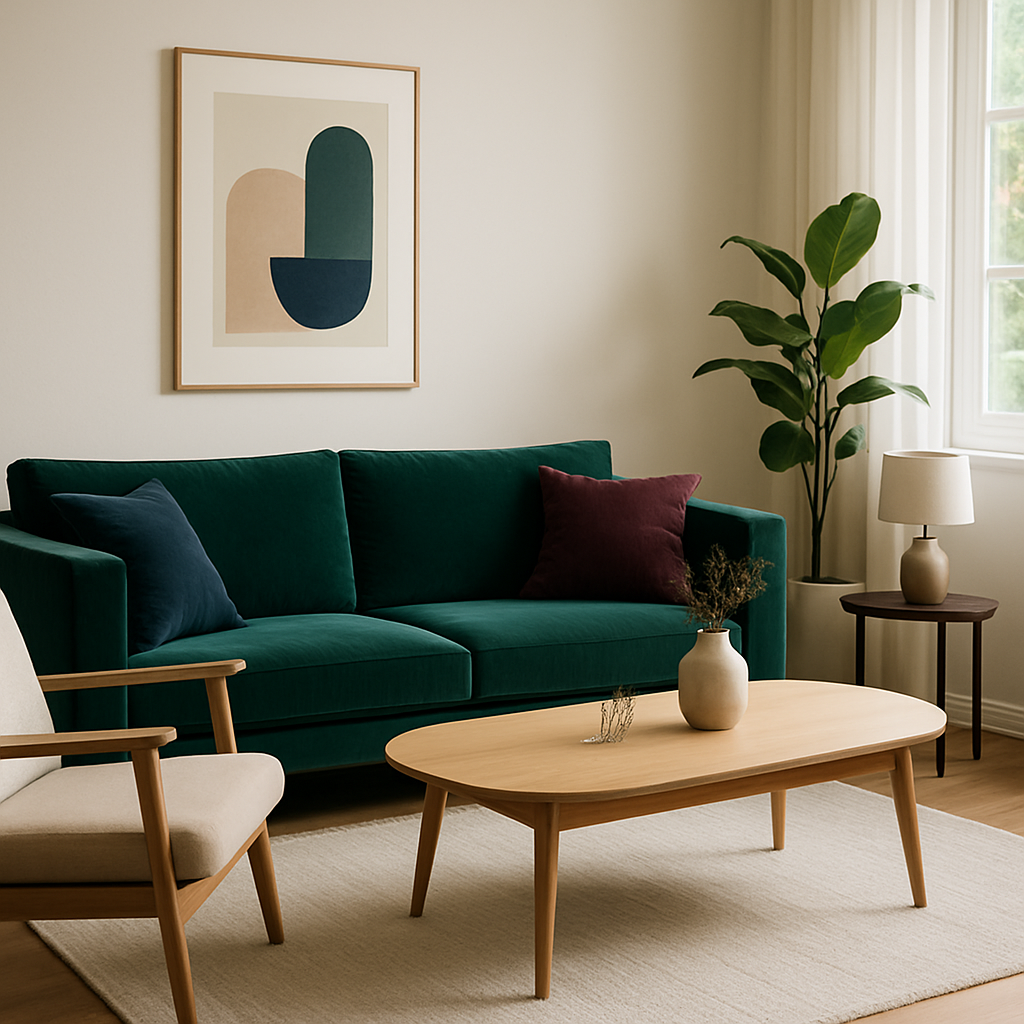
Imagine walking into a home where each room feels like a sanctuary, perfectly aligned with your lifestyle and aesthetic desires. That's the magic that interior design studios are bringing into modern living spaces. By blending creativity with functionality, these studios are setting new standards for residential design. In this article, we will explore foundational concepts driving these transformations, delve into industry data, and offer actionable strategies to help you collaborate with design professionals effectively. Whether you're renovating a single room or overhauling an entire home, understanding this dynamic field can unlock the full potential of your spaces.
Foundational Concepts of Modern Interior Design
Interior design studios today emphasize the importance of creating spaces that are not just visually appealing but also highly functional. This shift has been driven by the need for homes to adapt to various life stages and activities. One of the foundational concepts is the integration of multipurpose rooms, where spaces serve more than one function, such as a living room that doubles as a home office. This approach not only maximizes the utility of each square foot but also aligns with the growing trend of remote work.
Another key concept is the use of biophilic design principles, which seek to connect occupants more closely with nature. This includes the strategic use of natural materials, indoor plants, and maximizing natural light. According to a study by the American Society of Interior Designers (ASID), incorporating elements of nature can improve mental health and productivity, making it a crucial aspect of modern interior design.
Furthermore, the concept of sustainability is increasingly at the forefront. Interior design studios are now opting for eco-friendly materials and energy-efficient systems. This not only reduces the environmental footprint of a project but also appeals to homeowners looking to make more conscious lifestyle choices. As we transition into more sustainable living, how do you see your own spaces evolving?
Data-Driven Design: Insights from the Industry
Industry data underscores the impact that well-designed interiors can have on property values and homeowner satisfaction. For instance, Houzz's annual survey reveals that homeowners who invest in professional design services often achieve a 5-15% higher resale value. This statistic highlights the financial benefits of engaging with interior design studios, beyond the immediate aesthetic improvements.
Another significant insight comes from the IIDA (International Interior Design Association), which notes that 80% of clients report increased satisfaction with their living spaces post-renovation. This satisfaction stems not just from the visual upgrades, but from the improved functionality and comfort. The data suggests a strong correlation between professional design input and enhanced daily living experiences.
Moreover, a study by the NCIDQ (National Council for Interior Design Qualification) found that certified designers bring a level of expertise that often leads to more successful project outcomes. These professionals are trained to consider factors such as spatial planning, lighting design, and material selection, ensuring a comprehensive approach to home transformation. Have you considered how professional design input could enhance your living space?
Actionable Strategies for Collaborating with Design Studios
Collaborating with an interior design studio can be a rewarding experience if approached correctly. One effective strategy is to start with a clear vision of your needs and preferences. Before your initial consultation, gather inspiration from platforms like Houzz or Pinterest, and note specific styles or features that resonate with you. This preparation will help designers tailor their proposals to align with your vision.
Another crucial step is to set a realistic budget from the outset. Understanding the fee structures commonly used within the industry can prevent misunderstandings later. Interior designers might charge a flat fee, an hourly rate ranging from $150 to $500, or a percentage of the total project cost. Clearly communicating your financial parameters will ensure that the design solutions proposed are feasible.
Finally, maintain open communication throughout the project. Regular updates and feedback sessions can help keep the project on track and ensure that the final result meets your expectations. Experienced professionals often note that the most successful projects are those where clients are engaged and communicative throughout the process.
Expert Techniques and Tools in Modern Interior Design
Interior design studios today leverage cutting-edge technology and techniques to bring their visions to life. A prominent tool in modern design is the use of AR/VR for room visualization. These technologies allow clients to virtually walk through their redesigned spaces before any physical changes are made, offering a clear preview of the end result. This capability reduces the risk of dissatisfaction and allows for adjustments to be made early in the process.
Smart home integration is another area where design studios excel. By incorporating automated lighting, climate control, and window treatments, designers create spaces that are not only beautiful but also smart and energy-efficient. This integration aligns with the growing trend towards homes that offer both luxury and convenience.
Additionally, the trend of quiet luxury, characterized by understated elegance, is gaining traction. This involves the use of high-quality materials and sophisticated design elements that exude a sense of timelessness and refinement. By focusing on quality over quantity, interior design studios help clients achieve a serene yet stylish living environment.
Additional Depth: The Role of Certification and Credentials
The distinction between certified interior designers and decorators is crucial in the industry. Certified designers, who hold credentials such as the NCIDQ, ASID, or IIDA, are equipped with a comprehensive understanding of design principles, building codes, and project management. This expertise ensures that projects adhere to safety standards and are executed with precision.
These credentials also signify a commitment to ongoing education and professional development, which is vital in a field that is constantly evolving. Engaging a certified designer can provide peace of mind that your project is in capable hands, with an assurance of quality and compliance.
Moreover, the involvement of professional organizations like the AIA (American Institute of Architects) can enhance the collaboration between architects and interior designers. This synergy is particularly beneficial in large-scale projects where structural changes and design elements must be seamlessly integrated.
Final Perspectives on Transforming Living Spaces
As we've explored, the transformation of modern living spaces by interior design studios involves a blend of creativity, expertise, and cutting-edge technology. The emphasis on sustainability, functionality, and elegance reflects broader societal shifts towards more mindful living. By understanding these trends and strategies, you can make informed decisions about your own space.
Ultimately, the goal is to create environments that enhance well-being, support daily activities, and reflect personal style. Whether working with a design studio or embarking on a DIY project, the insights and strategies shared here can serve as a valuable guide.
Conclusion: Taking the Next Step in Your Design Journey
The transformation of modern living spaces is an ongoing journey that blends the art of design with the science of functionality. As you consider the potential of your own home, remember that engaging with a professional interior design studio can unlock new possibilities. Start by browsing portfolios on Houzz this week - even 20 minutes of research will sharpen your eye for what you want. Embrace the opportunity to create a home that truly reflects your values and lifestyle.



Comments
Post a Comment