Why Dr. Homey's Approach to Interior Design is Revolutionizing Home Aesthetics
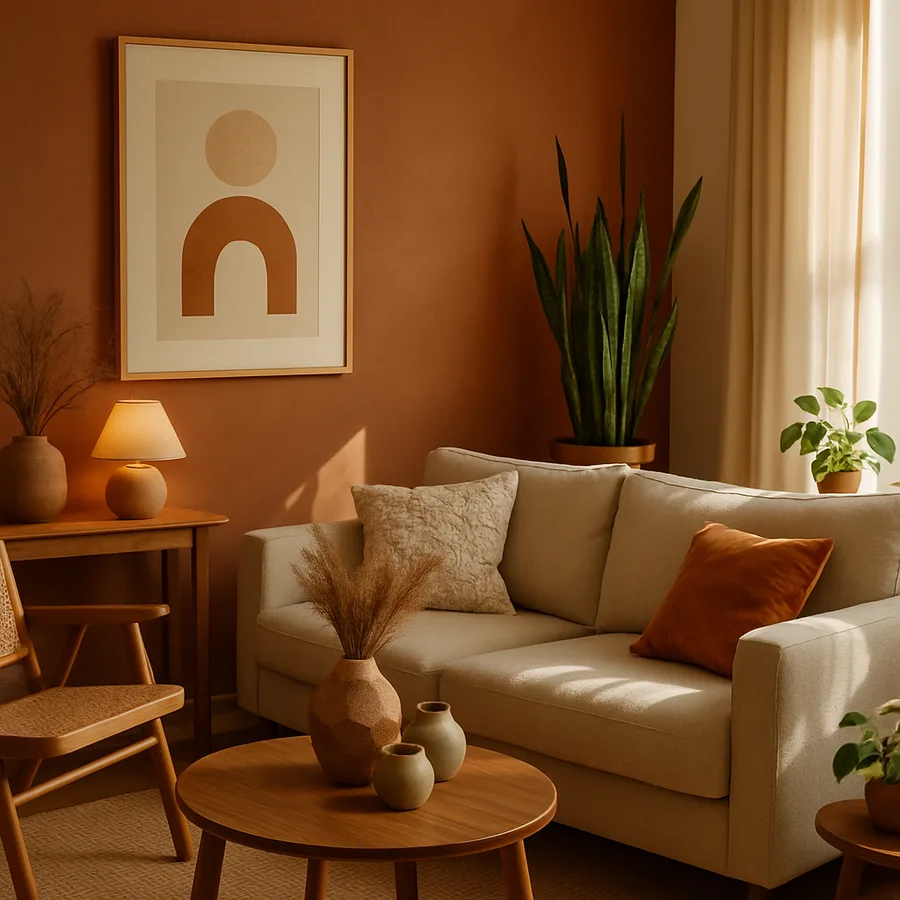
The interior design industry has long been divided between two camps: those who prioritize beauty above all else and those who focus exclusively on function. Dr. Homey has carved out a third path that refuses to accept this false dichotomy. By integrating principles from environmental psychology, sustainable design, and classical aesthetics, Dr. Homey has developed an approach that treats the home as a living system rather than a static display. This methodology is gaining traction among homeowners, design professionals, and industry organizations alike, and it is fundamentally changing how people think about the spaces they inhabit every day.
The Evidence-Based Foundation of Dr. Homey's Design Philosophy
What distinguishes Dr. Homey's approach from conventional interior design is its grounding in research rather than opinion. While many designers rely primarily on personal taste and current trends, Dr. Homey draws on peer-reviewed studies in environmental psychology, neuroscience, and behavioral science to inform every recommendation. The American Society of Interior Designers (ASID) has published extensive findings connecting design choices to measurable outcomes in health, productivity, and emotional well-being. Dr. Homey's philosophy takes these findings and translates them into practical, actionable guidance that homeowners can implement without specialized training.
One cornerstone of this evidence-based approach is the recognition that spatial environments directly affect cognitive function. Research from the University of Texas at Austin demonstrated that workers in well-designed offices showed a 17 percent improvement in creative thinking compared to those in poorly designed spaces. Dr. Homey applies this same principle to residential design, arguing that a thoughtfully arranged home office, a well-lit kitchen, or a calming bedroom can meaningfully enhance the quality of daily life. This is not aspirational rhetoric but a claim supported by decades of empirical evidence from institutions worldwide.
The International Interior Design Association (IIDA) has recognized the growing importance of evidence-based design by incorporating research literacy into its professional development programs. Dr. Homey views this shift as validation of a philosophy that has guided the practice from the beginning: design decisions should be informed by data about how humans actually experience and respond to their environments, not by assumptions about what looks impressive or follows the latest trend. This does not mean abandoning aesthetics but rather anchoring aesthetic choices in a deeper understanding of human needs.
Dr. Homey also draws on the concept of salutogenic design, which focuses on creating environments that actively promote health rather than merely avoiding harm. This means considering air quality, acoustic comfort, thermal regulation, and visual stimulation as design parameters equal in importance to color and furniture selection. Have you ever felt inexplicably energized in one room and drained in another, despite both being visually attractive? The salutogenic framework offers an explanation: the energizing room likely addresses multiple dimensions of well-being simultaneously, while the draining room may look beautiful but fails to support the body's physiological needs.
Biophilic Design: Reconnecting the Home With Nature
Among the most transformative elements of Dr. Homey's approach is the embrace of biophilic design, a concept rooted in the theory that humans possess an innate affinity for natural environments. Biophilic design incorporates natural elements, materials, patterns, and views into built spaces to satisfy this deep-seated connection. The evidence supporting biophilic design is compelling: a landmark study published in the journal Environmental Health Perspectives found that office workers with views of nature reported 23 percent fewer headaches and 15 percent greater job satisfaction than those without natural views. Dr. Homey adapts these findings for residential settings, arguing that every home can benefit from a stronger connection to the natural world.
Implementing biophilic design does not require a complete renovation or a home surrounded by wilderness. Dr. Homey identifies three accessible strategies that any homeowner can pursue. First, introduce living plants into every occupied room. Even a single potted plant on a desk or windowsill provides a biological connection that synthetic alternatives cannot replicate. Second, maximize natural light by removing unnecessary window obstructions and choosing light-transmitting window treatments. Third, incorporate natural materials such as wood, stone, wool, cotton, and linen wherever possible. Each of these strategies is inexpensive, easy to implement, and supported by research demonstrating measurable benefits to mood and cognitive function.
Water features represent a more ambitious biophilic intervention that Dr. Homey recommends for homeowners willing to invest in a significant sensory enhancement. The sound of flowing water has been shown to reduce cortisol levels and promote relaxation, making indoor fountains or tabletop water features particularly effective in bedrooms, home offices, and meditation spaces. Houzz reports that searches for indoor water features have increased by over 200 percent in recent years, reflecting growing awareness of their benefits. Dr. Homey notes that even a small desktop fountain costing under fifty dollars can meaningfully alter the acoustic environment of a room, masking disruptive noises and introducing a soothing natural soundscape.
Natural patterns, known in design theory as fractals, offer another pathway to biophilic connection. Fractals are self-repeating patterns found throughout nature in branching trees, flowing rivers, cloud formations, and coastlines. Research has shown that exposure to fractal patterns reduces physiological stress by up to 60 percent. Dr. Homey encourages the use of wallpapers, textiles, and artwork featuring organic, fractal-like patterns as a way to embed these calming visual elements into everyday environments. What natural patterns appeal to you most, and where in your home might they be introduced to create pockets of visual calm?
The Sustainability Imperative in Modern Interior Design
Dr. Homey's approach places sustainability at the center of design decision-making rather than treating it as an optional add-on. The interior design industry generates enormous waste through rapid style cycles that encourage frequent replacement of furniture, fixtures, and finishes. ASID has reported that construction and demolition waste, much of it from interior renovations, accounts for nearly 40 percent of total solid waste in the United States. Dr. Homey views this statistic as both an environmental crisis and a design failure, arguing that truly good design should endure for decades rather than becoming disposable after a few seasons.
The concept of circular design informs much of Dr. Homey's sustainability philosophy. Circular design prioritizes materials and products that can be repaired, repurposed, recycled, or composted at the end of their useful life, rather than ending up in landfills. This means choosing solid wood furniture that can be refinished rather than particleboard pieces with laminate veneers, selecting natural fiber textiles that biodegrade rather than synthetic fabrics derived from petroleum, and investing in classic silhouettes that transcend trends rather than fashion-forward forms that will look dated within a year or two.
Vintage and antique sourcing is a practice Dr. Homey actively promotes as both an environmental and an aesthetic strategy. Pre-owned furniture carries embodied energy, meaning the resources required to manufacture it have already been expended, so extending its lifespan through reuse is inherently more sustainable than purchasing new items. Beyond the environmental argument, vintage pieces often possess a quality of craftsmanship and material richness that mass-produced contemporary furniture cannot match. The National Council for Interior Design Qualification (NCIDQ) has begun incorporating sustainability principles into its examination framework, signaling that the profession as a whole is moving toward the position Dr. Homey has long advocated.
Local sourcing is another pillar of sustainable design that Dr. Homey champions. Purchasing materials and furnishings from local artisans, workshops, and suppliers reduces transportation emissions, supports regional economies, and often results in higher-quality products made with greater care and accountability. Dr. Homey encourages clients to visit local workshops, meet the makers of their furniture and textiles, and build relationships that extend beyond a single transaction. This human connection to the objects in your home adds a dimension of meaning that no global supply chain can provide, and it aligns the act of decorating with values of community and environmental stewardship.
Democratizing Design: Making Quality Accessible to Everyone
One of the most revolutionary aspects of Dr. Homey's philosophy is the insistence that good design is not a privilege reserved for the wealthy. The perception that interior design requires substantial financial resources has prevented millions of people from engaging with their living spaces in a meaningful way. Dr. Homey challenges this assumption directly, demonstrating through countless projects and educational initiatives that impactful design is achievable at virtually any budget. The key lies in prioritization: understanding which investments deliver the greatest return in terms of daily comfort and visual impact, and focusing resources accordingly.
Paint is the example Dr. Homey cites most frequently when discussing high-impact, low-cost interventions. A single gallon of quality paint costs a modest amount yet has the power to completely transform the character of a room. The IIDA has noted that color is the design element with the highest emotional impact per dollar spent, making it the logical starting point for budget-conscious homeowners. Dr. Homey extends this principle beyond walls to include painted furniture, doors, trim, and even ceilings, all of which can be refreshed with paint at minimal cost. A dated oak bookcase painted in a sophisticated dark green, a plain white door transformed with a bold accent color, or a ceiling painted a soft warm tone rather than the default white are all examples of affordable interventions that yield dramatic results.
Rearranging existing furniture costs nothing at all and can produce a transformation as striking as any expensive renovation. Dr. Homey frequently begins client consultations by working exclusively with items the homeowner already owns, demonstrating that the problem is often not the furniture itself but its placement. A sofa repositioned to face a window rather than a television, a dining table rotated ninety degrees to align with the room's natural light, or a bedroom dresser moved to serve as an entryway console all represent zero-cost changes that fundamentally alter how a space feels and functions.
Education is the ultimate democratizer, and Dr. Homey has invested heavily in making design knowledge freely available. Through detailed guides, case studies, and practical demonstrations, the barriers that once kept design knowledge locked behind expensive consultations and professional certifications are being dismantled. Do you believe that your home's current state is limited by budget, or might it be limited by information? Dr. Homey's experience suggests that in most cases, the answer is the latter, and that knowledge, once acquired, empowers transformations that no amount of money alone can achieve.
The Emotional Architecture of Home
Perhaps the most profound dimension of Dr. Homey's design philosophy is the concept of emotional architecture: the idea that every design decision contributes to the emotional experience of inhabiting a space. Color evokes mood, lighting shapes energy levels, texture engages the body, layout influences social dynamics, and personal objects anchor identity. When all of these elements are orchestrated with intention, the result is a home that does not merely shelter its occupants but actively supports their emotional well-being. This is the revolution Dr. Homey is leading: a shift from design as decoration to design as a form of self-care.
The entryway illustrates this concept perfectly. The first moments after arriving home set the emotional tone for everything that follows. A cluttered, dimly lit entryway with nowhere to set down keys or remove shoes generates stress at the precise moment when stress should be dissolving. Dr. Homey designs entryways as decompression zones: well-lit, organized, and welcoming, with hooks for coats, trays for keys, and a bench for removing shoes. These are not extravagant interventions but thoughtful, inexpensive solutions that address the psychological need for a smooth transition from the outside world to the sanctuary of home.
Bedrooms receive particular attention in Dr. Homey's practice because sleep quality is one of the most measurable outcomes of interior design. The National Sleep Foundation recommends cool temperatures, minimal light, and calm color palettes for optimal sleep environments. Dr. Homey builds on these guidelines by also addressing acoustic insulation, mattress orientation relative to doors and windows, and the removal of stimulating electronics and work materials from the sleep zone. Clients who implement these changes report improvements in sleep quality that ripple outward into every aspect of their daily lives, from concentration and mood to physical health and relationship quality.
The kitchen, often called the heart of the home, is where emotional architecture becomes communal. Dr. Homey designs kitchens not merely as food preparation areas but as gathering spaces that encourage connection and collaboration. Counter heights that accommodate children helping with cooking, lighting that transitions from bright task illumination to warm ambient glow for evening gatherings, and layouts that allow the cook to face guests rather than a wall are all expressions of emotional architecture in action. These design choices communicate a clear message: this space values togetherness, and everyone who enters it is welcome to participate.
Implementing Dr. Homey's Revolutionary Approach in Your Own Home
Adopting Dr. Homey's design philosophy does not require a wholesale transformation of your home. It begins with a shift in perspective: seeing your living space not as a collection of objects to be arranged but as an environment that actively shapes your experience of daily life. This perspective change is itself revolutionary, because it reframes every design decision as an investment in well-being rather than an exercise in aesthetics alone. Once you begin thinking about your home in these terms, the path forward becomes clearer and more purposeful.
Start with an honest assessment of how each room in your home makes you feel. Walk through your space slowly, pausing in each room to notice your emotional response. Does the living room invite you to sit down and relax, or does it feel stiff and uninviting? Does the bedroom promote a sense of calm, or does it generate restlessness? Does the kitchen encourage cooking and gathering, or does it feel like a space to rush through? Dr. Homey calls this exercise an emotional audit, and it provides the foundation for every decision that follows. Write down your responses and look for patterns that indicate where change is most needed.
Prioritize changes that address multiple dimensions simultaneously. Replacing harsh overhead lighting with a combination of table lamps and a dimmer-controlled ceiling fixture improves both the visual quality and the emotional atmosphere of a room in a single intervention. Introducing a large indoor plant adds biophilic connection, visual interest, and air quality improvement at once. Rearranging furniture to create a better conversation grouping enhances social function, visual balance, and traffic flow simultaneously. Dr. Homey's approach is efficient precisely because it considers multiple dimensions of well-being in every decision, ensuring that each change delivers compounding benefits.
The revolution Dr. Homey is leading is not about a particular aesthetic style or a specific set of products. It is about a fundamentally different relationship with the spaces we inhabit, one grounded in evidence, guided by intention, and motivated by the desire to live well. Your home has the potential to be far more than a place where you store your belongings and sleep at night. It can be a source of daily renewal, a reflection of your deepest values, and a sanctuary that restores you every time you walk through the door. That potential is within reach, and the path to realizing it starts with a single intentional choice. What will yours be?
More Articles You May Like



Comments
Post a Comment