Unlacquered Brass Faucets: Patina Timeline and Care Tips
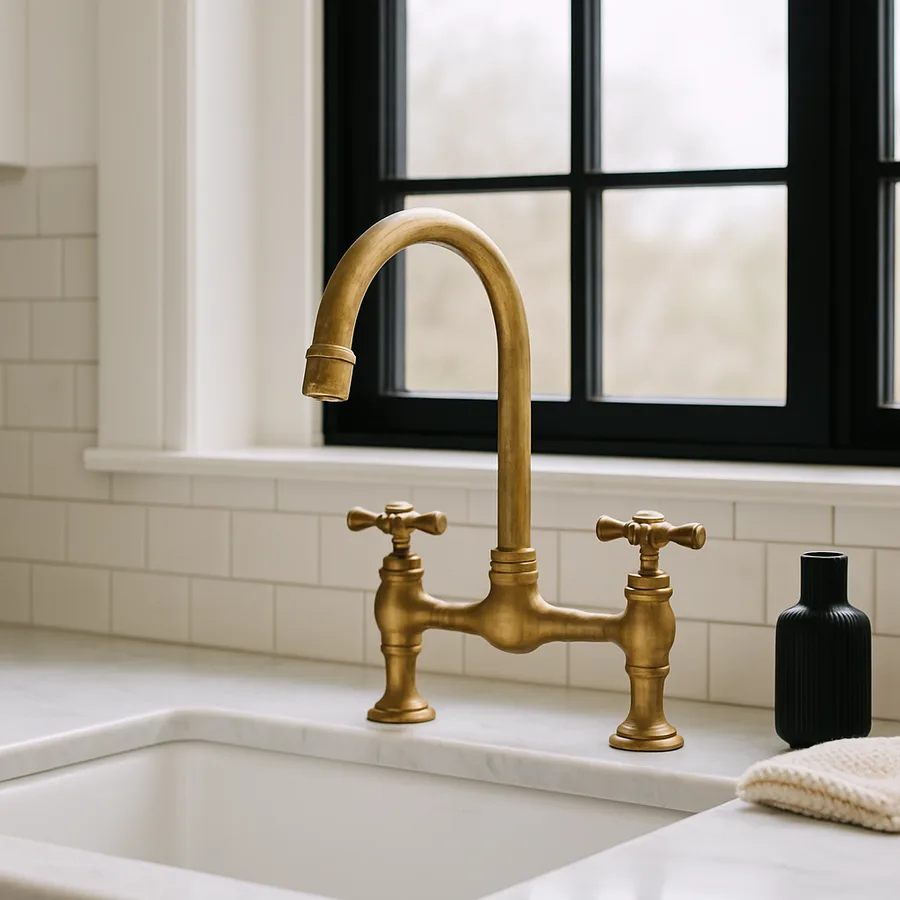
Unlacquered brass faucets represent a deliberate choice to embrace change. Unlike coated brass fixtures that maintain a uniform golden sheen year after year, unlacquered brass is a living finish that reacts to air, moisture, and touch, gradually developing a patina that darkens and deepens over time. This transformation is precisely what draws homeowners to unlacquered brass in the first place: the promise of a fixture that tells the story of a home's daily life through its evolving surface. Yet the journey from bright, freshly-milled gold to a rich, aged patina raises practical questions that many buyers struggle to answer before purchasing. How quickly does the patina develop? What does it look like at each stage? Can you slow it down if it moves faster than expected, or speed it up if you prefer the aged look immediately? According to the Decorative Plumbing and Hardware Association (DPHA), sales of unlacquered brass fixtures have grown by approximately 27 percent over the past three years, reflecting a broader consumer shift toward natural, imperfect materials that prioritise authenticity over uniformity.
This guide provides a detailed, month-by-month patina timeline based on real-world observations from homeowners, plumbers, and designers who have lived with unlacquered brass fixtures. It covers the factors that influence patina speed, the care practices that help you control the process, and the honest trade-offs you should weigh before investing in a finish that never stops changing.
What Unlacquered Brass Actually Is and Why It Behaves Differently
Standard brass faucets are coated with a clear lacquer or epoxy sealant after manufacturing. This transparent barrier prevents the brass from making direct contact with air, water, and skin oils, keeping the surface uniformly bright and golden for years. Unlacquered brass skips this step entirely. The raw brass alloy, typically a combination of copper and zinc in varying proportions, is left exposed to interact freely with its environment. The result is oxidation, the same chemical process that turns the Statue of Liberty green over decades, but on a smaller scale and with warmer tones suited to interior settings.
The specific alloy composition affects patina behaviour. Brass with a higher copper content tends to develop warmer, more reddish-brown patina, while zinc-dominant alloys lean toward cooler, greenish oxidation. Most faucet-grade brass uses a 60-to-70 percent copper blend, which produces the classic warm amber-to-chocolate progression that makes unlacquered brass so appealing in kitchens and bathrooms. The Copper Development Association maintains detailed data on how different copper-zinc ratios respond to environmental exposure, and this data confirms that the alloys typically used in plumbing fixtures are among the most aesthetically pleasing as they age.
It is important to understand that patina on unlacquered brass is not damage. It is not corrosion in the structural sense, and it does not weaken the faucet or compromise its function. The oxidation layer is superficial, typically just a few micrometers thick, and actually provides mild protection to the brass beneath by reducing further exposure. You can remove patina entirely and return the brass to its original bright state at any time with a simple polish, a reversibility that distinguishes patina from genuine deterioration. This safety net allows homeowners to experiment with the finish without worrying about permanent consequences.
The environmental factors that drive patina formation include humidity, temperature, frequency of water contact, water pH and mineral content, and the natural oils transferred from hands during use. A faucet in a steamy bathroom will patina faster than one in a dry, air-conditioned powder room. A kitchen faucet used twenty times a day will develop handle patina more quickly than a guest bathroom fixture used a few times a week. Understanding these variables allows you to predict, and to some extent control, how your specific faucet will evolve.
The Month-by-Month Patina Timeline
Weeks one through four bring the first subtle signs of change. The bright, almost yellow-gold colour of new brass begins to mellow, losing its factory sheen and taking on a slightly warmer, more muted tone. At this stage, the change is noticeable primarily when you compare the faucet to a bright brass object placed beside it. The handle and spout neck, where hands make contact most frequently, may develop faint darkening due to the transfer of skin oils. Water splash zones around the base may show the earliest mineral spotting, appearing as small, slightly darker rings where water droplets evaporated. Most homeowners describe this phase as the brass settling in rather than aging.
Months two through four mark the transition from subtle mellowing to visible patina. The overall colour shifts from bright gold toward a deeper, amber-honey tone. High-contact areas such as the handle lever and the spout tip darken more noticeably, creating contrast between frequently touched and untouched zones. This uneven development is characteristic of living finishes and is considered desirable by patina enthusiasts, though it can concern homeowners expecting uniform change. Water spots become more pronounced, particularly in hard water areas, and may require gentle cleaning if they detract from the appearance you want. The brass is still relatively responsive to polishing at this stage, returning quickly to a bright state with minimal effort if you decide the patina is progressing too fast.
Months four through eight bring the most dramatic visual transformation. The brass deepens into rich tones ranging from dark honey to light chocolate, depending on the environmental factors at play. The patina becomes more even across the faucet body as previously bright areas catch up to the high-contact zones. Surface texture may feel slightly different under fingertips, with a soft, almost velvety quality replacing the slick smoothness of new brass. This is the phase where most homeowners report falling in love with their unlacquered brass faucet, as the depth and warmth of the patina become genuinely beautiful and impossible to replicate with a factory finish.
Beyond eight months, the patina continues to deepen but at a decelerating rate. The brass approaches its long-term equilibrium colour, typically a warm dark brown with golden highlights in areas that receive regular polishing through hand contact. In very humid environments or with hard water, verdigris, the blue-green oxidation associated with copper, may begin to appear in crevices and around the base. Some homeowners welcome verdigris as adding character; others prefer to remove it with a mild acid solution. By the one-year mark, the faucet has developed a stable, mature patina that changes slowly from this point forward, requiring only occasional maintenance decisions rather than active management.
Factors That Speed Up or Slow Down Patina Development
Water chemistry is the single most influential factor. Hard water, which contains elevated levels of calcium, magnesium, and other dissolved minerals, accelerates patina formation by depositing mineral residue on the brass surface that interacts with the oxidation process. Chlorinated municipal water can also speed up darkening compared to well water or filtered water. According to data from the Water Quality Association, approximately 85 percent of American homes have hard water, making accelerated patina the default experience for most unlacquered brass owners. Installing an inline water filter on the supply lines feeding an unlacquered brass faucet can slow the patina noticeably by reducing mineral contact.
Humidity and ventilation play a significant secondary role. Bathrooms without exhaust fans, or kitchens where steam from cooking lingers, create persistently humid environments that keep the brass surface damp longer after each use. This extended moisture contact drives faster oxidation. Conversely, a well-ventilated bathroom or a kitchen with a powerful range hood pulls moisture away quickly, slowing the patina timeline. If you want to slow your brass patina, running the exhaust fan for ten minutes after showering or cooking is one of the simplest and most effective interventions available.
Frequency and nature of contact determines how the patina distributes across the faucet. A kitchen faucet used thirty or more times daily by multiple family members will develop handle and spout patina much faster than a guest bathroom faucet used a handful of times per week. Interestingly, frequent hand contact can also slow patina in localised areas, because the mechanical action of gripping and turning the handle polishes the surface slightly with each use, keeping high-contact zones brighter than surrounding areas. This creates the two-tone effect, bright handles with darker body, that many homeowners find particularly attractive.
Nearby materials can influence patina behaviour in unexpected ways. Soapstone and marble countertops, which have alkaline compositions, may alter the pH of water that splashes back onto the faucet, affecting oxidation patterns around the base. Wood surfaces can release tannins in humid conditions that interact with brass, potentially causing localised darkening or discolouration. Acidic foods such as lemon juice, vinegar, and tomato sauce will accelerate patina instantly on contact, which is worth remembering if your unlacquered brass faucet sits in a kitchen prep area where these ingredients are handled frequently.
Care Practices for Controlling the Patina Process
If your goal is to slow the patina and keep the brass brighter for longer, a simple wax coating provides effective, temporary protection. Renaissance Wax, a microcrystalline wax originally developed for museum conservation by the British Museum, is the product most frequently recommended by brass fixture manufacturers. Apply a thin layer with a soft cloth, allow it to dry for a few minutes, and buff to a soft sheen. The wax creates a breathable barrier that reduces air and moisture contact without sealing the brass permanently. Reapply every four to eight weeks for continued protection. This approach preserves some gradual patina development while preventing the rapid darkening that occurs on completely unprotected brass.
For homeowners who want to embrace the patina fully and let it develop without intervention, the primary care task is simply keeping the faucet clean of soap scum, toothpaste, and mineral buildup. Warm water and a soft cloth are sufficient for routine cleaning. Avoid any cleaner containing ammonia, bleach, or abrasive particles, as these can create uneven chemical reactions on the brass surface, producing splotchy discolouration rather than the smooth, gradual patina that makes unlacquered brass beautiful. A mild dish soap is safe for occasional deeper cleaning when water alone is not enough.
If the patina develops unevenly or reaches a stage you find unappealing, you can reset the brass to its original bright state at any time. A paste made from equal parts white vinegar, flour, and salt, applied for five to ten minutes and then rinsed thoroughly, will remove oxidation effectively. Commercial brass polishes such as Brasso or Bar Keepers Friend also work well. After polishing, wash the faucet with soap and water to remove any residue, dry completely, and apply Renaissance Wax if you want to slow the re-patina process. How comfortable are you with the idea of periodically resetting your faucet? Some homeowners polish every few months to maintain a semi-bright state, while others polish once and then never again, letting the patina run its full course.
One care practice to avoid is selective polishing of only the most darkened areas while leaving others untouched. This creates a patchwork effect where polished bright spots sit next to aged sections, looking neither new nor authentically aged. If you decide to polish, do the entire faucet uniformly so the patina rebuilds evenly from a consistent starting point. Partial polishing almost always looks worse than either full bright or full patina.
Leading Brands and What Each Offers in Unlacquered Brass
Newport Brass is arguably the most recognised name in unlacquered brass faucets in the American market. The company offers its Living Finish in unlacquered brass across virtually its entire product line, giving buyers an unusually wide range of styles to choose from. Newport Brass uses a high-copper alloy that develops a warm, reddish patina prized by designers, and the company provides detailed care instructions with every purchase. Prices typically range from 500 to 1,500 dollars for kitchen and bathroom faucets, positioning the brand in the premium segment where buyers expect both material quality and design distinction.
Waterworks caters to the luxury end of the market with unlacquered brass fixtures that are frequently specified for high-end residential and hospitality projects. Their brass alloy produces a patina that interior architects describe as among the most beautiful in the industry, with deep amber tones that photograph exceptionally well. Waterworks faucets command prices from 800 to well over 2,000 dollars, reflecting both the material quality and the brand's cachet in the design world. For homeowners designing a forever kitchen or a statement master bathroom, Waterworks unlacquered brass delivers a level of refinement that few competitors can match.
Rohl, now part of the Fortune Brands family, offers unlacquered brass in its Italian-made Acqui and Country lines. Rohl's brass has a slightly yellower initial tone compared to Newport Brass's warmer gold, and its patina tends to develop more slowly due to a proprietary alloy blend. This slower development appeals to homeowners who want the living finish experience but prefer a gradual, less dramatic transition. Rohl's mid-range pricing, typically 400 to 900 dollars, makes it accessible to a broader audience while maintaining the build quality expected of Italian manufacturing.
Kingston Brass occupies the entry-level tier for unlacquered brass, offering faucets in the 150 to 400 dollar range. While the brass alloy and construction quality do not match premium brands, Kingston provides an affordable entry point for homeowners curious about unlacquered brass who are not ready to invest at the premium level. The patina on Kingston fixtures tends to be less predictable, with greater variation between individual units, which some buyers accept as part of the charm and others find frustrating. For a secondary bathroom or a guest cottage, Kingston unlacquered brass delivers the living finish experience at a fraction of the cost.
Honest Trade-Offs to Consider Before Buying
The most important trade-off is predictability versus character. If you need your fixtures to look exactly the same in five years as they do on installation day, unlacquered brass is the wrong choice. The patina process is natural and somewhat unpredictable; your faucet will not look like the showroom photo or the Pinterest inspiration image forever, or perhaps ever, because every environment produces unique patina results. Homeowners who thrive with unlacquered brass are those who find beauty in impermanence and enjoy watching their home evolve. Those who prefer consistency and control will be happier with lacquered brass or PVD gold finishes that offer the warmth of brass without the variability.
Maintenance commitment is another honest consideration. While unlacquered brass does not require more maintenance than other finishes in an absolute sense, it requires a different kind of attention. Instead of routine cleaning aimed at keeping the faucet looking the same, you are managing a process: deciding how much patina you want, when to polish, whether to wax, and how to respond when the finish enters an awkward middle phase that you did not anticipate. This ongoing decision-making is enjoyable for some homeowners and exhausting for others. Be honest with yourself about which camp you fall into before spending several hundred or several thousand dollars on a living finish.
Resale implications deserve mention as well. Unlacquered brass is a strong design choice that appeals to a specific buyer profile. In markets where traditional and artisanal aesthetics are valued, such as brownstone neighbourhoods, coastal communities, and design-forward suburbs, unlacquered brass fixtures can enhance a home's appeal and perceived quality. In markets where conventional finishes dominate, a heavily patinated brass faucet might strike prospective buyers as dated or poorly maintained, even if it is functioning perfectly. If resale is a significant consideration, ensure the rest of the home's design supports the unlacquered brass aesthetic so it reads as intentional and premium rather than neglected.
Finally, consider the coordination challenge. Unlacquered brass changes over time, but your cabinet hardware, light fixtures, and bathroom accessories in matching brass tones will patina at different rates depending on their individual alloy compositions, exposure levels, and contact frequency. A towel bar on a wall patinas differently from a faucet handle that is touched dozens of times daily. Accepting that coordinated unlacquered brass fixtures will develop individualised patina patterns, rather than aging in uniform synchronisation, is essential to being happy with this finish choice long-term.
Conclusion
Unlacquered brass faucets offer something no factory finish can replicate: a surface that responds to its environment and carries the imprint of daily life in its evolving colour and texture. The patina timeline, from bright gold through amber to deep chocolate, unfolds over approximately eight to twelve months before reaching a stable, mature state. Environmental factors including water chemistry, humidity, and usage frequency shape the pace and character of this transformation, giving each fixture a unique identity.
Care for unlacquered brass is less about preventing change and more about guiding it. Whether you choose to slow the patina with periodic waxing, embrace it fully with minimal intervention, or reset it periodically with a simple polish, the process is entirely reversible and entirely within your control. The brands leading this category, from premium options like Newport Brass and Waterworks to accessible entries from Kingston Brass, offer products at every price point, ensuring that the living finish experience is available to a wide range of budgets and projects.
If the idea of a fixture that grows more beautiful with time resonates with you, and if you are comfortable with the honest trade-offs of unpredictability and ongoing aesthetic management, unlacquered brass will reward you with a warmth and character that polished and coated finishes simply cannot deliver. Visit a showroom that displays aged unlacquered brass samples alongside new ones, and see for yourself whether the patina speaks to you. That moment of recognition, when you see the aged brass and feel drawn to it rather than alarmed by it, is the surest sign that this finish belongs in your home.
More Articles You May Like



Comments
Post a Comment