Transform Your Space: Top Tips from Leading Interior Design Studios
1. Start With Function Before Aesthetics
The most common mistake homeowners make when redesigning a room is leading with aesthetics rather than function. Top interior design studios unanimously agree that understanding how a space will be used on a daily basis should precede any decisions about color, materials, or furnishings. Gensler, one of the largest design firms in the world, structures every project around what they call "experience design," which begins by mapping how occupants move through, interact with, and feel within a space. This function-first approach prevents the all-too-common outcome of a room that photographs beautifully but fails to support the activities of the people who live in it.
Begin your own transformation by spending a week observing how you actually use the space you want to redesign. Where do you naturally gravitate? Which areas feel cramped or underutilized? What activities happen in the room, and do they compete with each other for space? Take notes and sketch rough diagrams of traffic patterns, furniture placement, and storage needs. This observational data becomes the foundation for a design that enhances your daily life rather than merely impressing visitors. Professional studios invest significant time in this discovery phase for good reason: it produces results that endure long after trends fade.
Consider the concept of zones within a single room, a technique that studios use extensively in open-plan living spaces. A large living area might include a conversation zone centered around comfortable seating, a reading zone with an armchair and good task lighting, and a media zone oriented toward a screen. These zones can be defined through furniture arrangement, rug placement, lighting changes, or subtle shifts in ceiling height or flooring material. The result is a room that feels purposeful and organized rather than like a collection of furniture scattered in an open area.
Storage deserves particular attention during the functional planning phase. Clutter is the enemy of good design, and no amount of beautiful furnishings can compensate for inadequate storage. Leading studios plan storage solutions early in the design process, integrating them into the architecture of the room wherever possible. Built-in cabinetry, window seats with hidden compartments, and furniture pieces that double as storage, such as ottomans with interior space or beds with built-in drawers, all contribute to a clean and organized environment that supports both daily function and visual appeal.
2. Master the Art of Layered Lighting
Lighting is perhaps the most transformative and most frequently underutilized tool in interior design. According to the American Lighting Association, a well-lit room requires at least three types of lighting working together: ambient lighting that provides overall illumination, task lighting that supports specific activities like reading or cooking, and accent lighting that highlights architectural features, artwork, or decorative elements. Studios like Kelly Wearstler's firm are renowned for their sophisticated layered lighting schemes that create depth, drama, and warmth in every room they design.
The most impactful lighting improvement you can make in most rooms is adding dimmer switches. This single modification gives you control over the mood and intensity of your lighting throughout the day and across different activities. A dining room that needs bright, even light for a family homework session can transition to a soft, intimate atmosphere for dinner with the simple turn of a dial. Dimmers are inexpensive to install and dramatically increase the versatility of every light fixture in your home. Why settle for a room that has only one lighting mood when a small investment can give you infinite flexibility?
Pendant lights and chandeliers serve as both functional fixtures and design statements, but their effectiveness depends heavily on correct sizing and placement. A common error is choosing fixtures that are too small for the room or hanging them at the wrong height. As a general guideline, a dining table chandelier should hang approximately 30 to 36 inches above the table surface, and its diameter should be roughly one-half to two-thirds the width of the table. In living rooms and entryways, the bottom of a pendant or chandelier should clear at least seven feet from the floor to avoid obstructing sight lines and movement.
Natural light deserves as much attention as artificial lighting. The American Society of Interior Designers (ASID) has published research demonstrating that access to natural daylight significantly improves occupant satisfaction and well-being in both residential and commercial spaces. Maximize natural light by keeping window treatments minimal or choosing sheer fabrics that filter rather than block sunlight. Position mirrors strategically to bounce daylight deeper into rooms, and select lighter paint colors for walls adjacent to windows to amplify the effect. These techniques cost virtually nothing but can transform a dim, enclosed-feeling room into a space that feels open, fresh, and inviting.
3. Choose a Color Palette With Intention
Color selection is one of the most personal and consequential decisions in any interior design project. Leading studios approach color not as decoration but as a strategic tool that influences mood, perception of space, and visual coherence throughout a home. The principle of the 60-30-10 rule provides a reliable framework: approximately 60% of a room's color comes from a dominant hue, typically applied to walls and large furniture pieces; 30% comes from a secondary color used in upholstery, curtains, and smaller furnishings; and 10% comes from an accent color expressed through accessories, artwork, and decorative objects.
Understanding the psychological effects of color helps you make choices that support the function of each room. Blues and greens tend to promote calm and concentration, making them strong choices for bedrooms and home offices. Warm neutrals create a sense of comfort and welcome, which is why they appear so frequently in living rooms and entryways designed by firms like Studio McGee. Energetic colors like yellow and orange can enliven kitchens and dining areas but may feel overstimulating in spaces intended for rest. The key is matching the emotional quality of your color palette to the purpose of each room.
Do not underestimate the importance of undertones when selecting paint colors. A white that reads as warm and creamy in one lighting condition may appear pinkish or yellowish in another. Similarly, gray paint colors contain undertones of blue, green, or purple that become apparent only when the paint is on the wall and interacting with the room's light and furnishings. Always test paint samples directly on the walls of the room you are designing, observing them at different times of day and under both natural and artificial light. This simple precaution prevents costly mistakes and ensures that your chosen colors behave as you expect in the specific conditions of your space.
Studios increasingly recommend carrying a cohesive color thread through multiple rooms rather than treating each room as an isolated design exercise. This does not mean every room should look identical; rather, a shared color vocabulary creates a sense of flow and unity as you move through a home. Perhaps a deep navy that appears as an accent wall in the living room reappears in throw pillows in the bedroom and in the tile pattern of a bathroom. This kind of intentional color continuity is a hallmark of professionally designed homes and is surprisingly easy to achieve once you have established a core palette of four to six related colors.
4. Invest in Quality Where It Counts Most
Budget constraints are a reality for virtually every design project, and experienced studios are masterful at allocating resources where they will have the greatest impact. The general principle is to invest in items you use daily and that are difficult or expensive to replace: sofas, mattresses, dining tables, kitchen fixtures, and flooring. These foundational elements set the tone for a room and endure years of use, so quality materials and construction justify their higher upfront cost through longevity and sustained beauty. A well-made sofa can last fifteen to twenty years, while a cheap one may sag and deteriorate within three to five.
Conversely, studios advise saving money on items that can be easily swapped as tastes evolve or trends change. Throw pillows, decorative accessories, artwork prints, table lamps, and seasonal textiles like lightweight curtains or area rugs are all excellent candidates for budget-friendly choices. This approach gives you the freedom to refresh your space periodically without a major financial commitment. The Houzz annual survey of renovation trends consistently shows that homeowners who follow this "invest in the bones, save on the accessories" strategy report higher long-term satisfaction with their design investments.
When evaluating furniture quality, look beyond surface appearance to construction details. Solid hardwood frames are superior to particleboard or softwood alternatives. Eight-way hand-tied spring systems in seating provide better support and durability than sinuous wire springs. Kiln-dried lumber resists warping and cracking over time. High-density foam cushions maintain their shape far longer than low-density alternatives. These construction details are not always visible, but they determine whether a piece of furniture will still look and feel good in a decade or will need replacement in a few short years. Asking manufacturers or retailers about construction specifications is always worthwhile.
Flooring is another area where the invest-more-now-save-later principle applies powerfully. Solid hardwood or high-quality engineered hardwood flooring can last the lifetime of a home with proper maintenance, while lower-cost laminate alternatives typically need replacement within ten to fifteen years. The cost difference per square foot may seem significant at the time of purchase, but amortized over the life of the product, quality flooring is often the more economical choice. Studios like Amber Lewis's Amber Interiors frequently emphasize flooring as the foundation that everything else in a room builds upon, making it one of the most consequential investment decisions in any project.
5. Embrace Texture and Material Contrast
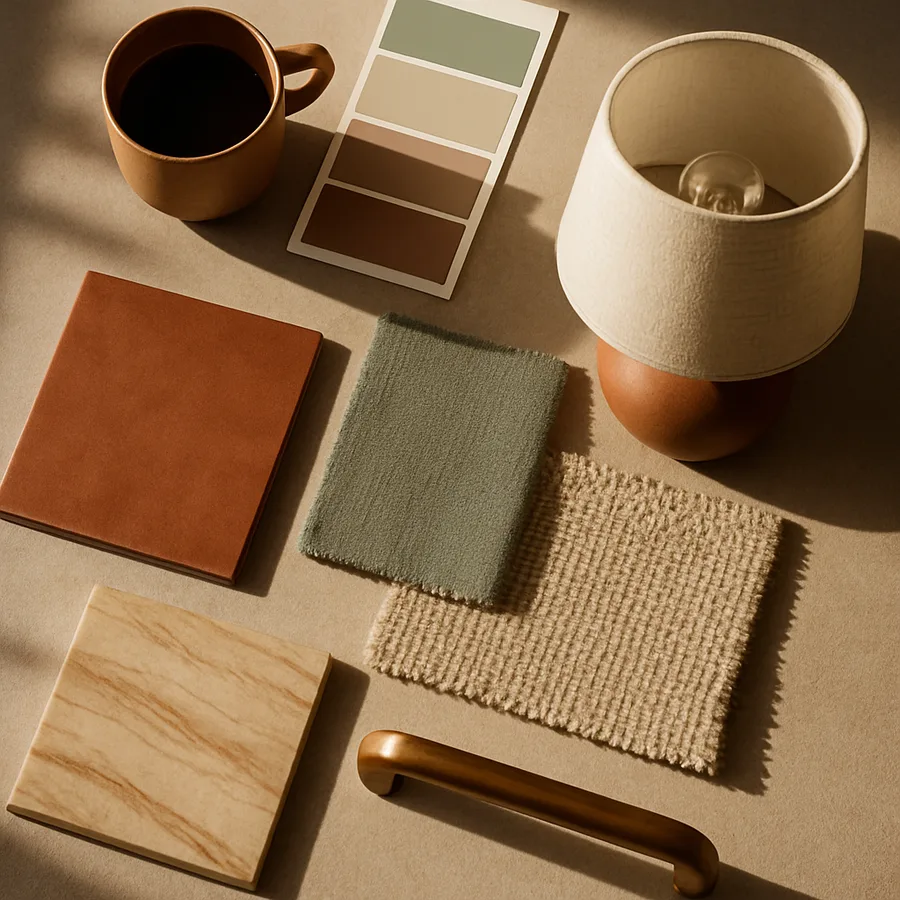
One of the distinguishing characteristics of professionally designed spaces is the sophisticated use of texture and material contrast. While amateur designers often focus primarily on color, experienced studios know that varying textures creates visual richness and tactile interest that color alone cannot achieve. A monochromatic room that might feel flat and monotonous becomes dynamic and inviting when it combines smooth marble surfaces, nubby wool upholstery, sleek metal hardware, and weathered wood accents. This interplay of textures adds depth without adding visual clutter.
The International Interior Design Association (IIDA) regularly features projects that demonstrate masterful textural composition in their publications and award programs. Study these projects and you will notice that the most compelling interiors always include a mix of hard and soft surfaces, rough and smooth finishes, matte and reflective materials. This balance is not accidental; it results from deliberate decisions about how each material interacts with light and with the other materials in the room. A glossy lacquered table reflects light differently than a matte linen tablecloth, and placing these two materials in proximity creates a visual conversation that engages the eye.
Natural materials deserve particular emphasis in your textural palette. Wood, stone, linen, wool, leather, and ceramic all carry inherent visual and tactile qualities that synthetic materials struggle to replicate convincingly. The grain patterns in a piece of walnut, the subtle color variations in natural stone, the soft irregularity of handwoven linen: these characteristics bring warmth, authenticity, and a sense of connection to the natural world that resonates deeply with most people. Research from the International WELL Building Institute supports the well-being benefits of incorporating natural materials into interior environments, aligning health science with the aesthetic preferences that many people feel instinctively.
Layering textiles is one of the simplest and most effective ways to add textural interest to any room. Begin with a foundational textile like a large area rug that anchors the space, then add layers through curtains, upholstered furniture, throw blankets, and pillows in varying fabrics. Mix materials confidently: a velvet pillow beside a chunky knit throw on a leather sofa creates a visually and tactilely rich composition. Seasonal textile changes, such as swapping lightweight cotton or linen for heavier wool and cashmere as weather cools, keep your space feeling fresh and responsive to the time of year without requiring any structural changes.
6. Curate Meaningful Accessories and Art
Accessories and artwork are the elements that transform a well-designed room into a space that feels personally meaningful and complete. However, the operative word is "curate" rather than "accumulate." Leading studios approach accessorizing with the same intentionality they bring to space planning and material selection, choosing each object for its contribution to the overall composition rather than its individual appeal. Every item in a well-styled room earns its place by adding to the visual narrative, whether through color, form, texture, or personal significance.
Artwork selection deserves more thought than many homeowners give it. Original art, whether paintings, photographs, prints, or mixed media, brings personality and cultural depth to a room in ways that mass-produced decorative items cannot. You do not need a large budget to acquire meaningful artwork; emerging artists, local galleries, and print-on-demand services from museums and independent artists all offer options at various price points. What matters more than the price tag is that the work resonates with you and relates to the color palette and spirit of the room. Have you visited a local gallery or art fair recently to discover artists whose work speaks to you?
The arrangement of objects matters as much as the objects themselves. Designers employ several composition principles when styling surfaces like shelves, mantels, and coffee tables. Grouping objects in odd numbers, typically threes or fives, creates more visually dynamic arrangements than even-numbered groupings. Varying the heights of objects within a group adds visual rhythm and prevents monotony. Allowing breathing room between groupings is equally important; overcrowded surfaces feel chaotic rather than curated. Step back frequently as you arrange objects and evaluate the overall composition from the perspective of someone entering the room.
Plants and fresh flowers represent some of the most versatile and impactful accessories available. Living greenery adds color, texture, organic form, and a sense of vitality to any room. According to research cited by multiple wellness organizations, indoor plants can also improve air quality and contribute to reduced stress levels among occupants. Even a single well-placed plant, perhaps a dramatic fiddle-leaf fig in a corner or a trailing pothos on a high shelf, can transform the feeling of a room. If you lack confidence in plant care, start with hardy varieties like pothos, snake plants, or ZZ plants that tolerate a range of light conditions and inconsistent watering.
Conclusion: Small Changes, Significant Impact
Transforming your space does not require a complete renovation or an unlimited budget. The tips shared by leading interior design studios consistently emphasize that the most impactful changes often involve rethinking how existing elements work together rather than replacing everything at once. Adjusting your lighting, refining your color palette, investing strategically in key furniture pieces, layering textures with intention, and curating accessories thoughtfully are all approaches that can dramatically improve a room without major construction or expenditure.
The professionals behind firms like Gensler, Studio McGee, and Amber Interiors have built their reputations on the same fundamental principles accessible to anyone willing to apply them: start with function, layer your decisions thoughtfully, invest where it matters most, and infuse every choice with intention. These are not secrets reserved for industry insiders; they are practical strategies that reward anyone who takes the time to apply them carefully and consistently.
Perhaps the most important lesson from leading studios is that good design is iterative. Your space does not need to be perfect on the first attempt. Begin with the foundational elements, live with them for a while, and then refine and add layers over time. This patient approach often produces more satisfying results than trying to complete an entire room at once, because it allows you to respond to how you actually experience the space rather than how you imagined you would.
Pick one room in your home this week and apply just one tip from this list. Whether it is adding a dimmer switch, rearranging furniture to create distinct zones, or replacing a single tired accessory with something that truly speaks to you, that first intentional change will set a transformation in motion.
More Articles You May Like



Comments
Post a Comment