Transform Your Space: Top Trends from Leading Interior Design Studios in 2023
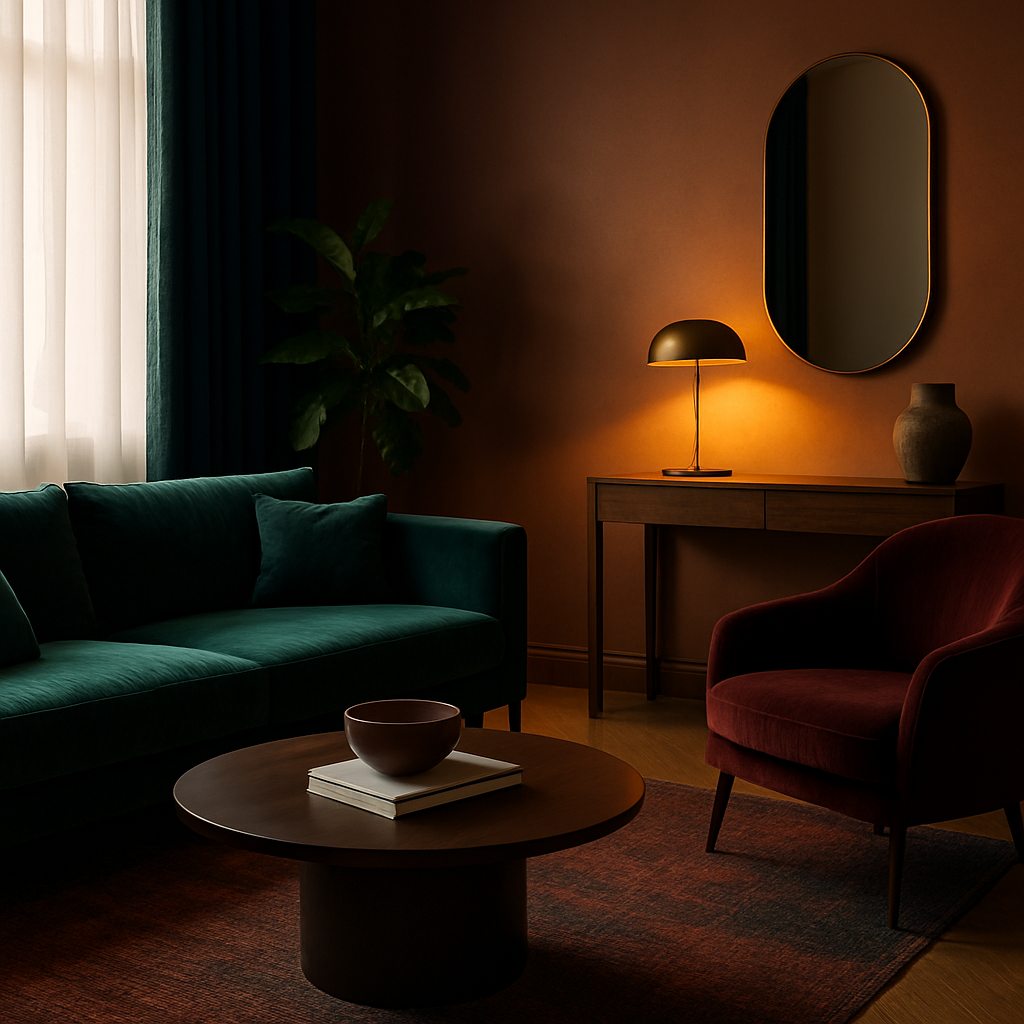
Imagine walking into a room where every element tells a story. It's not just a space; it's an experience. According to the American Society of Interior Designers (ASID), 2023 is the year when interior spaces are more than just functional-they are transformative. This year, leading design studios are pushing boundaries with trends that merge aesthetics with purpose. From the rise of biophilic design to the understated elegance of quiet luxury, these trends are reshaping the way we interact with our environments. In this article, we'll explore the foundational concepts driving these changes, delve into data-backed insights, and provide actionable strategies to help you incorporate these trends into your own home. We'll also examine expert details and additional depth to ensure you have a comprehensive understanding of how to transform your space.
Foundational Concepts in 2023 Interior Design
At the heart of 2023's interior design trends is a movement towards spaces that reflect both personal and environmental awareness. A significant concept emerging this year is the integration of biophilic design, which emphasizes the connection between interiors and the natural world. This approach uses natural materials, living walls, and an indoor-outdoor flow to create serene and harmonious environments. The aim is not just aesthetic pleasure but also improving mental well-being, as studies have shown that exposure to nature can reduce stress and enhance mood.
Another foundational concept is the trend of quiet luxury, characterized by understated elegance and subtle sophistication. Unlike previous years, where maximalism took center stage, 2023 favors a more refined and minimalist approach. This style is all about quality over quantity, where each piece is carefully selected for its craftsmanship and timeless appeal. It's not just about looking good; it's about feeling good in a space that resonates with your values and lifestyle.
Smart home integration continues to evolve, making it a staple in modern design. From automated lighting systems to climate control and smart window treatments, technology is seamlessly embedded into the fabric of our homes. This trend is not just about convenience but also about enhancing the functionality of living spaces. As you consider these trends, think about how technology can simplify your life and make your home more efficient.
Data-Driven Insights into Design Trends
According to a recent survey by Houzz, homeowners are increasingly investing in home improvement projects that reflect the latest design trends. The survey reveals that spending on home renovations has seen a significant increase, with many focusing on kitchen and bathroom remodels to incorporate sustainable materials and smart technology. This data underscores a growing awareness of how design choices can impact everyday life and the environment.
The National Council for Interior Design Qualification (NCIDQ) highlights that certified interior designers are now more frequently incorporating sustainable and reclaimed materials into their projects. This shift is driven by both consumer demand and a broader industry commitment to environmental responsibility. Designers are opting for materials like bamboo, recycled glass, and reclaimed wood, which not only reduce environmental impact but also add a unique character to interior spaces.
Furthermore, the integration of Japandi style, a blend of Japanese minimalism and Scandinavian warmth, has gained traction. This trend emphasizes simplicity, natural elements, and a neutral color palette, which create a calming and inviting atmosphere. Homeowners adopting this style report higher satisfaction levels, as it combines the best of both worlds-efficiency and comfort. With these data-driven insights, it's clear that 2023's design trends are not just about aesthetics but also about creating spaces that enhance quality of life.
Actionable Strategies for Your Home
Are you ready to transform your space but unsure where to start? Begin by evaluating your current environment and identifying areas that could benefit from a design refresh. Consider mapping out how you use each room daily-where you relax, work, and entertain. This will help you prioritize which trends to incorporate based on functionality and personal preference.
When integrating biophilic elements, start small. Introduce houseplants or opt for furniture and decor made from natural materials. You can also enhance your living space with a living wall or a small indoor garden. These additions not only beautify your home but also improve air quality and promote relaxation. Remember, the key is to create a seamless flow between the indoors and outdoors.
For those interested in smart home technology, consider automating one aspect of your space, such as lighting or climate control. Many systems are user-friendly and can significantly enhance your home's efficiency. Begin with a smart lighting system that allows you to adjust brightness and color temperature to suit different times of day and activities. As you become more comfortable with technology, expand to include other smart features.
Expert-Level Details and Considerations
Experienced professionals often note that the success of a design project hinges on thorough planning and consultation with certified interior designers. Engaging with a designer who holds NCIDQ, ASID, or IIDA credentials ensures that your project is guided by expertise and industry standards. These professionals bring a wealth of knowledge, from spatial planning to material selection, ensuring that your vision is executed flawlessly.
When budgeting for a redesign, it's important to understand the various fee structures. Designers may charge a flat fee, an hourly rate ranging from $150 to $500, or a percentage of the total project cost, typically between 10-25%. Additionally, procurement markups on furniture can influence overall costs. Being clear about your budget and expectations can help you avoid surprises and ensure a smooth design process.
Moreover, the use of advanced tools like AR/VR room visualization is becoming increasingly popular. These technologies allow clients to see potential designs in a virtual space before committing. This can be particularly helpful in making informed decisions about layout, color schemes, and furniture placement. By employing these tools, you can better communicate your preferences and collaborate effectively with your designer.
Diving Deeper into Design Trends
While the overarching trends of 2023 are clear, the nuances within each trend offer additional layers of opportunity. For instance, quiet luxury is not just about minimalist aesthetics; it's about creating spaces that reflect personal stories and heritage. Incorporating heirloom pieces or bespoke furniture can add depth and character to your home.
Sustainability continues to be a driving force, but it's evolving beyond material selection to include eco-friendly manufacturing processes and energy-efficient appliances. This holistic approach ensures that every aspect of your home contributes to a more sustainable future. Consider researching brands and manufacturers that prioritize sustainable practices when selecting new additions for your home.
Another emerging aspect is the focus on wellness-centric design. This goes beyond biophilic elements to include lighting that mimics natural circadian rhythms and spaces designed for mindfulness and relaxation. These elements are not only luxurious but also serve to enhance your overall well-being. As you explore these trends, think about how each can contribute to a healthier lifestyle.
Final Perspectives on Transforming Your Space
As you embark on your design journey, keep in mind that trends are a guide, not a rulebook. The true essence of transforming your space lies in creating an environment that resonates with you personally. It's about balance-combining elements that reflect current trends with those that have timeless appeal.
Remember, the goal is to create a space that enhances your lifestyle. Whether you're drawn to the natural allure of biophilic design or the sleek sophistication of quiet luxury, there's a trend that can elevate your home. Trust your instincts and let your personal style shine through each design decision.
Conclusion
In conclusion, 2023's interior design trends offer a blend of innovation and tradition, creating opportunities to transform your space into a reflection of who you are. As you consider these trends, take the time to research and plan your approach. Start by browsing portfolios on platforms like Houzz or consulting with a certified interior designer. Even a brief exploration can inspire and guide your design decisions. Ultimately, the key to a successful transformation is to create a home that feels uniquely yours, enhancing both your everyday life and your future resale value.



Comments
Post a Comment