Transform Your Space: Top Smart Home Interior Design Ideas
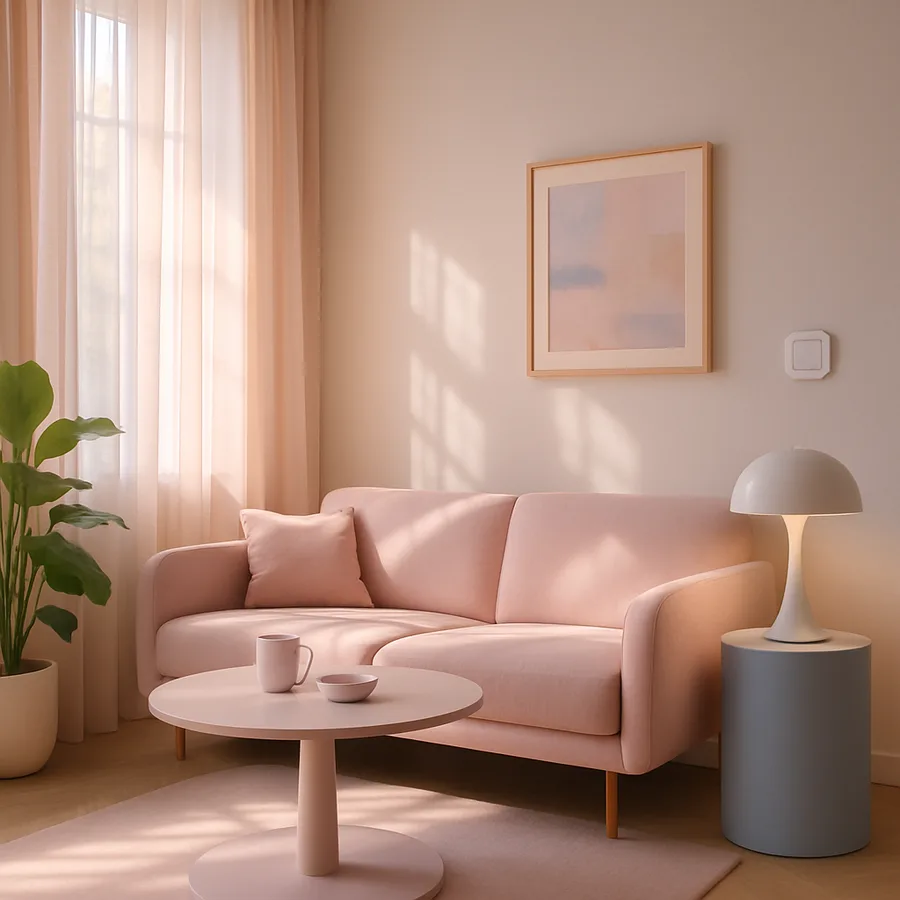
The intersection of technology and interior design has moved far beyond the clunky gadgets and tangled wires of the early smart home era. Today, the most innovative smart home installations are virtually invisible, woven into the fabric of beautifully designed spaces so seamlessly that guests might never notice the technology at all. This convergence of function and beauty represents one of the most exciting frontiers in contemporary interior design.
According to the American Society of Interior Designers (ASID), 78 percent of their members reported an increase in client requests for integrated smart home features over the past three years. This demand is not coming from tech enthusiasts alone. It is coming from design-conscious homeowners who want the convenience of automation without sacrificing the aesthetic integrity of their spaces. The challenge, and the opportunity, lies in making technology serve design rather than compete with it.
Whether you are building a new home, renovating an existing one, or simply looking to add smart features to your current space, the ideas in this guide will show you how to integrate technology in ways that enhance rather than diminish your interior design vision. The goal is not a home that looks like a showroom for gadgets. The goal is a home that feels effortlessly beautiful and happens to be extraordinarily intelligent.
Concealed Lighting Systems That Shape Atmosphere
Lighting is arguably the single most impactful area where smart technology and interior design converge. Modern smart lighting systems go far beyond the ability to turn lights on and off from your phone. They allow you to program scenes that transform the mood of a room at the touch of a button or the sound of your voice, shifting from bright task lighting during the day to warm ambient glow in the evening to soft nighttime illumination, all without touching a switch.
The International Interior Design Association (IIDA) has identified concealed lighting as a defining trend in high-end residential design. Cove lighting hidden behind crown molding, LED strips recessed into shelving, backlit panels behind headboards, and under-cabinet illumination in kitchens all provide light without visible fixtures. When these concealed sources are connected to a smart system like Lutron, Philips Hue, or Ketra, the result is a space that seems to breathe with light, adapting to activities, time of day, and even weather conditions outside.
The design impact of smart lighting cannot be overstated. A Houzz survey found that homeowners who installed programmable lighting systems rated their satisfaction with their home's ambiance 52 percent higher than those with conventional lighting setups. The difference is the ability to tune the color temperature and intensity of light throughout the day, mimicking the natural progression of sunlight and supporting healthy circadian rhythms. Have you ever noticed how a room can feel completely different at noon versus midnight? Smart lighting gives you control over that transformation.
When planning concealed smart lighting, work with your interior designer to identify architectural features that can serve double duty as light sources. Floating shelves with integrated LED channels, recessed ceiling troughs, and millwork with hidden lighting tracks all provide illumination while maintaining clean visual lines. The technology disappears into the architecture, and only the beautiful light remains.
Motorized Window Treatments for Clean Lines and Control
Window treatments are a critical element of interior design, and motorized versions offer significant advantages over manual alternatives. Motorized blinds, shades, and drapery systems eliminate the need for visible cords, chains, and wands, resulting in cleaner lines and a more polished appearance. When integrated with a smart home system, they can be programmed to respond to sunlight levels, time of day, room temperature, and even occupancy.
The NCIDQ examination includes window treatment design as a core competency area, and the integration of motorized systems is increasingly relevant to professional practice. Brands like Lutron Serena, Hunter Douglas PowerView, and Somfy offer systems that combine refined fabric choices with sophisticated automation. The design options are extensive: roller shades in hundreds of fabrics, Roman shades with motorized lift, sheer layered shades, and full drapery on motorized tracks.
From a design perspective, motorized treatments offer a practical advantage that manual versions cannot match: uniform alignment. In rooms with multiple windows, all shades can be programmed to stop at exactly the same height, creating a precise visual line that is nearly impossible to achieve by hand. This level of precision matters in spaces where symmetry and proportion are central to the design intent. The ASID notes that uniform window treatment alignment is one of the subtle details that distinguishes professionally designed spaces from self-decorated ones.
Invisible Audio Systems That Fill Rooms with Sound
The traditional approach to home audio, freestanding speakers on shelves or floor stands, poses a persistent challenge for interior designers. Speakers are functional objects that rarely complement a room's aesthetic. Smart home technology has solved this problem through invisible and architectural audio systems that deliver high-quality sound without visible hardware.
In-ceiling and in-wall speakers from manufacturers like Sonance, Bowers and Wilkins, and KEF can be plastered over and painted to match surrounding surfaces, becoming truly invisible once installed. Sonance even offers speakers designed to be installed behind artwork, delivering sound through the canvas itself. For homeowners who want exceptional audio without any visual compromise, these systems represent the ideal marriage of technology and design.
The practical benefits extend beyond aesthetics. Invisible audio systems connected to platforms like Sonos, Apple AirPlay, or Control4 can deliver different audio to different rooms simultaneously, allowing each space to maintain its own acoustic character. The kitchen might play upbeat music during meal preparation while the bedroom streams ambient sounds for relaxation. This zoned approach to audio mirrors the zoned approach to lighting and temperature that smart homes enable.
When designing around invisible audio, consider the acoustic properties of your room. Hard surfaces like stone, glass, and wood reflect sound, while soft surfaces like upholstery, curtains, and rugs absorb it. The IIDA recommends that designers balance hard and soft surfaces in any room intended for quality audio reproduction. This principle happens to align perfectly with good interior design practice generally, reinforcing the idea that well-designed rooms and well-functioning smart rooms are often the same thing. What does the soundtrack of your ideal home sound like? Smart audio lets you answer that question differently for every room.
Climate Control That Responds to Living Patterns
Smart thermostats and climate systems represent one of the most mature categories of smart home technology, yet their interior design implications are often overlooked. A well-designed climate system does more than save energy. It creates comfort conditions that enhance the experience of being in a space. Radiant floor heating, for instance, eliminates the need for visible radiators or floor vents, freeing wall and floor space for furniture and decor.
According to the U.S. Department of Energy, smart thermostats like Nest, Ecobee, and Honeywell Home can reduce heating and cooling costs by 10 to 15 percent through learning algorithms that adapt to household patterns. But the design benefit is equally significant. Smart climate systems allow for zone-based temperature control, maintaining different temperatures in different rooms based on use patterns. A kitchen can be kept cooler during cooking. A bedroom can be pre-warmed before bedtime. A home office can maintain the slightly cool temperature that research suggests optimizes cognitive performance.
From an interior design standpoint, the aesthetic of the thermostat interface itself matters. Manufacturers have recognized this: the Nest Learning Thermostat was designed by former Apple engineers and has been exhibited at the Museum of Modern Art. Its minimal, circular form and intuitive interface set a new standard for what a wall-mounted control device could look like. The ASID has featured smart thermostats in their design exhibitions as examples of technology that respects rather than disrupts interior aesthetics.
Smart Storage Solutions That Maximize Space and Minimize Clutter
Clutter is the enemy of good design, and smart technology offers powerful tools for keeping it at bay. Motorized storage systems, including TV lifts that conceal screens in cabinets or at the foot of beds, automated closet carousels that bring clothing to you, and pop-up kitchen outlets that retract flush into countertops, all serve the same design principle: hiding functional elements when they are not in use.
Houzz reports that concealed television solutions are among the fastest-growing categories in their marketplace, with a 67 percent increase in product searches over two years. This growth reflects a widespread desire to enjoy screen-based entertainment without allowing the television to dominate the visual landscape of a room. Frame TVs from Samsung that display art when not in use, motorized panels that slide over screens, and projector systems that retract into the ceiling all offer design-forward solutions to the persistent problem of the black rectangle on the wall.
Smart storage extends to the organizational level as well. Connected inventory systems for pantries, wine cellars, and wardrobes can track what you have and what you need, reducing overbuying and the clutter it creates. While these systems are still emerging, early adopters report that the organizational clarity they provide translates directly into visual clarity in their living spaces. When you know exactly what you have and where it is, you need less storage because you buy less redundantly. This efficiency aligns with the minimalist-leaning design sensibility that many smart home enthusiasts share.
Voice and Gesture Control That Eliminates Visual Clutter
The proliferation of smart home control interfaces, wall panels, touch screens, tablets, and remote controls, can create its own form of clutter. Voice control through systems like Amazon Alexa, Google Assistant, and Apple HomeKit offers an alternative that requires no visible hardware at all. When your home responds to spoken commands, you eliminate the need for control panels, remotes, and mounted tablets that interrupt wall surfaces and furniture arrangements.
The IIDA has published design guidance for smart home control interfaces that recommends minimizing visible controls wherever possible. Their research indicates that homes with fewer visible control interfaces are consistently rated as more aesthetically pleasing, even when they contain more technology than visibly controlled homes. This finding underscores a fundamental principle of smart home design: the best technology is the technology you never see.
Gesture control is an emerging frontier that takes this principle even further. Systems from companies like Fibaro and Casambi allow users to control lighting, audio, and window treatments through hand gestures detected by sensors. While still in early adoption, gesture control represents the logical endpoint of the invisible technology trend: a home that responds to your intentions without requiring you to interact with any device at all. Imagine walking into a room and having the lights adjust, the music begin, and the blinds lower to your preferred position, all triggered by your presence and learned preferences.
Designing Your Smart Home with Intention
The most important principle in smart home interior design is intentionality. Technology should solve a genuine problem or enhance a genuine pleasure, not simply exist for its own sake. Before investing in any smart system, ask yourself two questions: will this technology improve my daily experience of living in this space, and can it be integrated in a way that respects or enhances my design vision? If the answer to both questions is yes, proceed. If either answer is no, reconsider.
Work with professionals who understand both technology and design. The NCIDQ certification now includes technology integration in its scope, reflecting the reality that modern interior designers must be conversant in smart home systems. Similarly, reputable smart home installers increasingly employ designers or partner with design firms to ensure that installations are aesthetically sensitive. The best outcomes happen when technical and design expertise collaborate from the beginning of a project rather than meeting at the end.
Start your smart home journey by identifying the three areas of your daily routine that would benefit most from automation. Perhaps it is your morning routine, your cooking experience, or your evening wind-down. Focus your initial investment on these high-impact areas and expand from there as your comfort with the technology grows. Browse integrated smart home designs on Houzz and consult ASID member designers who specialize in technology-forward interiors. Your home can be both beautiful and brilliant. The technology exists. The design principles exist. All that remains is your vision.
More Articles You May Like


Comments
Post a Comment