Transform Your Space: Innovative Home Interior Design Ideas You Need
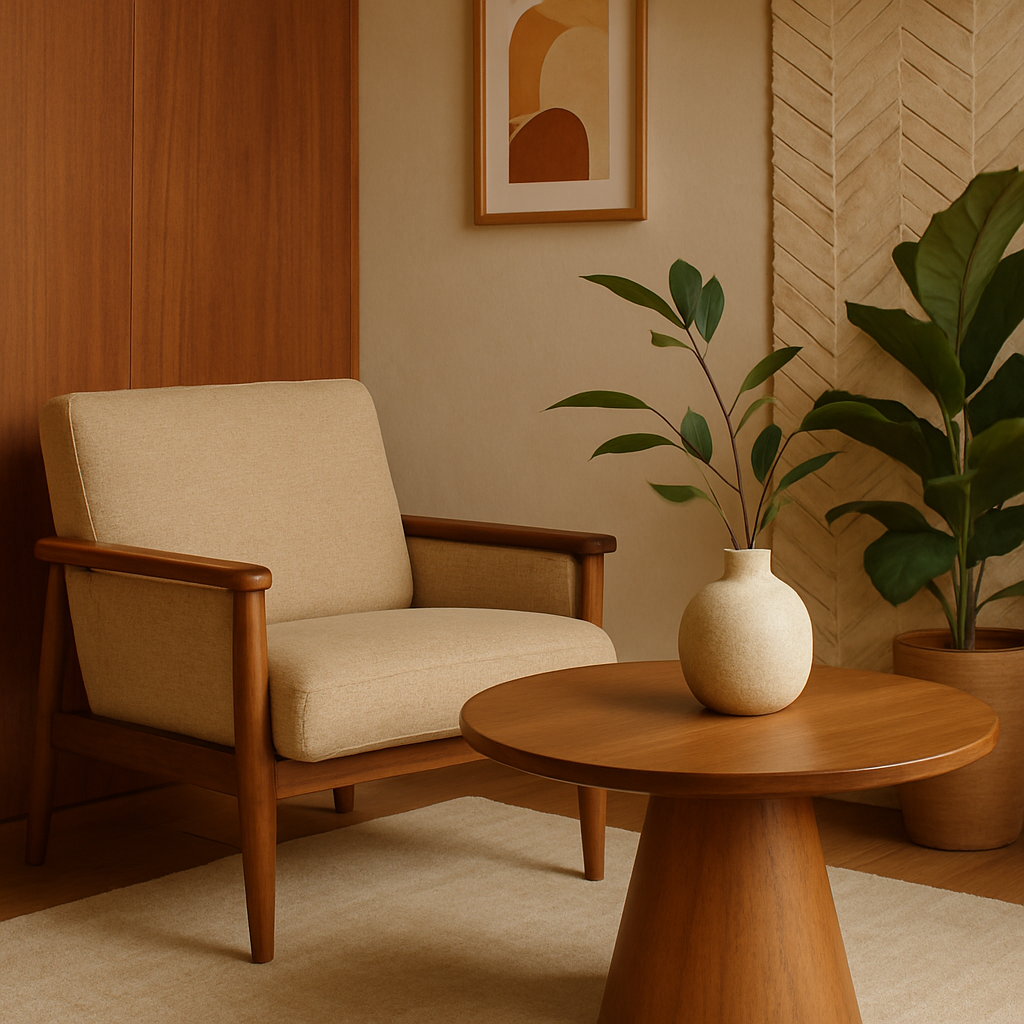
Every home reaches a moment when its rooms no longer reflect the people living in them. What once felt fresh and inspiring begins to feel stale, predictable, and disconnected from the way life has evolved within those walls. The good news is that transformation does not always require demolition crews and six-figure budgets. Innovative interior design is about rethinking relationships between space, light, material, and purpose with creative solutions that challenge convention while remaining deeply practical. The International Interior Design Association (IIDA) emphasizes that innovation in residential design often comes not from dramatic gestures but from intelligent, unexpected decisions that reimagine how a room functions and feels. According to Houzz research, homeowners who work with professional designers report 40 percent higher satisfaction with their completed projects compared to those who design independently. This guide presents transformative ideas that push boundaries without abandoning comfort, giving you the inspiration to turn any room into something extraordinary.
Reimagine Walls as Dynamic Design Canvases
Walls occupy the largest visual surface area in any room, yet they are often treated as passive backdrops rather than active design participants. Moving beyond a single paint color opens up a world of creative possibilities. Textured plaster finishes, such as lime wash or Venetian stucco, add depth and movement that flat paint cannot achieve. These artisanal techniques create surfaces that shift in appearance as light changes throughout the day, making the walls themselves a living element of the design. A single accent wall in a rich, hand-applied plaster can anchor an entire room without requiring any additional decoration.
Architectural paneling is another powerful wall treatment that bridges the gap between historical elegance and modern simplicity. Fluted wood panels add vertical rhythm and tactile warmth to a bedroom or dining room. Board-and-batten wainscoting in a contemporary color like deep forest green or charcoal gray updates a traditional technique for modern sensibilities. Even acoustic panels, designed primarily for sound absorption, now come in geometric shapes and rich fabrics that transform them into wall art while solving noise problems in open-plan living spaces.
Have you considered what your walls could communicate if given the opportunity? A gallery wall composed of personal photographs, original artwork, and three-dimensional objects creates a visual autobiography that evolves over time. ASID designers recommend mixing frame styles and sizes within a cohesive color palette to create intentional variety rather than rigid uniformity. Alternatively, a single oversized piece of art centered on a wall makes a bold statement that eliminates the need for any other decoration. The wall becomes the message, and the room becomes unmistakably yours.
Create Unexpected Room Layouts That Challenge Convention
Most people arrange furniture according to unspoken rules inherited from childhood homes and furniture showrooms: the sofa faces the television, the dining table sits in the center of the dining room, the bed pushes against the wall. These default layouts work, but they rarely inspire. Breaking free from conventional arrangements can dramatically change how a room feels and functions. Floating a sofa in the center of a living room, for instance, creates two distinct zones on either side and makes the space feel larger and more dynamic than pushing everything against the perimeter.
Diagonal furniture placement is a technique that professional designers use to add visual energy to rectangular rooms. Positioning an armchair at a forty-five-degree angle to the wall creates movement and draws the eye along a diagonal path that makes the room feel more spacious. A round dining table placed off-center in a room, closer to a window for natural light during meals, prioritizes experience over symmetry. These unconventional choices demonstrate confidence in the design and signal that the room was shaped by thought rather than habit.
Consider the concept of reverse zoning: placing the most unexpected activity in the most prominent location. A grand piano in the kitchen, a bathtub in the bedroom, or a library wall in the hallway all challenge expectations and create memorable moments of discovery. NCIDQ-certified designers often push clients beyond their comfort zones with proposals like these, and the results frequently become the homeowners' favorite features. Innovation in layout costs nothing beyond the willingness to question assumptions and the courage to arrange a room around how you actually want to live rather than how convention dictates you should.
Introduce Bold Material Contrasts for Visual Drama
One of the most effective ways to transform a room is through unexpected material pairings that create tension and interest. Combining rough with smooth, warm with cool, natural with manufactured, and matte with glossy produces a dynamic interplay that keeps the eye engaged. A polished concrete floor paired with a plush velvet sofa, a raw steel bookshelf set against a lime-washed plaster wall, or a marble dining table surrounded by woven rattan chairs all demonstrate how contrast elevates design beyond the ordinary.
The Japandi aesthetic excels at material contrast, pairing light Scandinavian woods with dark Japanese lacquerwork, or rough linen with smooth ceramic. This approach creates rooms that feel layered and complex without being busy or chaotic. Each material serves as a foil for the others, highlighting qualities that would go unnoticed in isolation. AD PRO regularly features interiors that derive their entire character from two or three carefully chosen material contrasts, proving that innovation does not require an exhaustive palette but rather a strategic one.
When experimenting with material contrasts, maintain a consistent color temperature to ensure cohesion. Warm-toned materials, such as brass, walnut, terracotta, and amber glass, pair beautifully with each other even when their textures differ dramatically. Similarly, cool-toned materials like concrete, marble, steel, and gray linen create a cohesive palette through temperature consistency. Mixing warm and cool tones is possible but requires a more experienced eye to balance successfully. Start with one temperature family, master the art of textural contrast within it, and then gradually introduce elements from the opposite camp as your confidence grows.
Harness Natural Light as a Primary Design Material
Natural light is arguably the most powerful and most underutilized design material available to homeowners. The direction, intensity, and color of sunlight change throughout the day, and a well-designed room leverages these shifts to create an interior that feels dynamic and alive. North-facing rooms receive consistent, cool light ideal for art studios and home offices. South-facing rooms bask in warm, abundant light that energizes living spaces and dining areas. Understanding the light character of each room allows you to select colors, materials, and furniture placements that complement rather than fight the natural illumination.
Window treatments play a critical role in light management. Sheer linen panels diffuse harsh direct sunlight into a soft, even glow that fills the room without creating glare or hot spots. Cellular shades provide insulation while allowing adjustable light filtration. Positioning mirrors opposite windows amplifies natural light by bouncing it deeper into the room, a classic technique that interior designers have employed for centuries and that remains as effective today as ever. The ASID reports that rooms with optimized natural light require up to thirty percent less artificial lighting during daylight hours, reducing energy costs while improving occupant mood and well-being.
What if you could redesign your window strategy without changing the windows themselves? Interior transom shelves mounted above existing windows reflect sunlight onto the ceiling, bouncing it further into the room. Light-colored flooring and wall finishes increase the reflective surface area, multiplying the impact of every photon that enters. Even rearranging furniture to clear obstructions from window sightlines can make a perceptible difference. Before investing in artificial lighting solutions, exhaust the free resource that arrives through your windows every morning. Natural light is not merely functional illumination; it is a design material that connects your interior to the sky, the seasons, and the rhythm of the day.
Design Immersive Sensory Experiences Beyond the Visual
Truly innovative interior design engages all five senses, creating an immersive experience that goes far beyond what the eye can see. Acoustic design determines whether a room feels intimate or cavernous, calming or chaotic. Soft furnishings, area rugs, heavy curtains, and upholstered wall panels absorb sound reflections, reducing echo and creating a warmer, more enveloping acoustic environment. Conversely, hard surfaces like polished concrete and glass amplify sound, which can be desirable in music rooms or entertainment spaces where acoustic energy adds excitement.
Tactile variety is another dimension that separates exceptional interiors from merely attractive ones. Running your hand along a room's surfaces should reveal a journey of textures: the cool smoothness of a stone countertop, the nubby warmth of a wool rug, the gentle grain of an oiled wood table, the supple give of leather upholstery. Designers certified by NCIDQ often create material sample boards during the planning phase, arranging physical swatches side by side to evaluate how they feel together, not just how they look. This haptic curation ensures that the room satisfies at close range, not just from a distance.
Scent and temperature round out the sensory palette. A room maintained at a comfortable temperature with good air circulation feels fundamentally more welcoming than one that is stuffy or drafty, regardless of how beautifully it is decorated. Natural fragrance from fresh flowers, herbs growing on a kitchen windowsill, or a high-quality essential oil diffuser adds an invisible layer of atmosphere that profoundly affects how the space is perceived and remembered. When a room engages sight, sound, touch, smell, and even taste through a well-stocked kitchen or a thoughtful tea station, it transcends design and becomes a fully realized environment for living.
Embrace Color Blocking and Tonal Drenching for Bold Statements
Color drenching, the practice of painting walls, trim, ceiling, and even doors in a single enveloping hue, is an innovative technique that transforms rooms into immersive color experiences. Rather than using color as an accent, this approach makes color the entire environment. A bedroom drenched in deep navy blue, from baseboard to crown molding, creates a cocoon-like intimacy that a single accent wall cannot achieve. A study painted entirely in forest green evokes a sense of intellectual depth and concentration. The technique works best with rich, saturated tones that reward sustained exposure.
Color blocking takes a different approach, using two or more distinct colors in geometric arrangements that create visual architecture within the room. A wall painted in two horizontal bands, a darker shade below chair-rail height and a lighter one above, mimics the effect of wainscoting without the cost of installation. Painting the inside of a bookshelf or the back panel of an alcove in a contrasting color creates depth and draws attention to displayed objects. These techniques require precision in execution but reward it with interiors that feel gallery-like in their intentionality.
Are you hesitant to commit to a bold color choice? Start with a small, enclosed space like a powder room, a closet interior, or a mudroom where the color creates impact without overwhelming the entire home. These spaces are ideal laboratories for experimentation because their small scale limits risk while maximizing the immersive effect. Houzz design consultations frequently recommend this strategy for color-cautious homeowners, and the results often inspire bolder choices in larger rooms. Color is free to change, paint is among the most affordable materials in interior design, and the transformative power of a fearless color decision should never be underestimated.
Conclusion
Transforming your space through innovative interior design is fundamentally an act of creative courage. It requires the willingness to look at familiar rooms with fresh eyes, to question inherited arrangements, and to experiment with materials, colors, and spatial relationships that push beyond the comfortable and conventional. The ideas presented in this guide, from dynamic wall treatments and unconventional layouts to bold material contrasts and multisensory design, are not reserved for magazine spreads or luxury showrooms. They are accessible strategies that any homeowner can adapt to any space and any budget, limited only by imagination and the willingness to try.
Choose the idea that excites you most and implement it this week. Paint a single wall in an unexpected color, rearrange your furniture to challenge the default layout, or introduce a material contrast that sparks visual conversation. Document the before and after, and notice how even a single innovative change shifts the energy of the entire room. If you find yourself hungry for more, consider partnering with a certified interior designer who can help you develop a comprehensive transformation plan tailored to your home, your lifestyle, and your aspirations. The space you live in shapes the life you lead, and the power to reshape that space is already in your hands. Start now.
More Articles You May Like



Comments
Post a Comment