Transform Your Space: Innovative Home Interior Design Ideas for Small Rooms
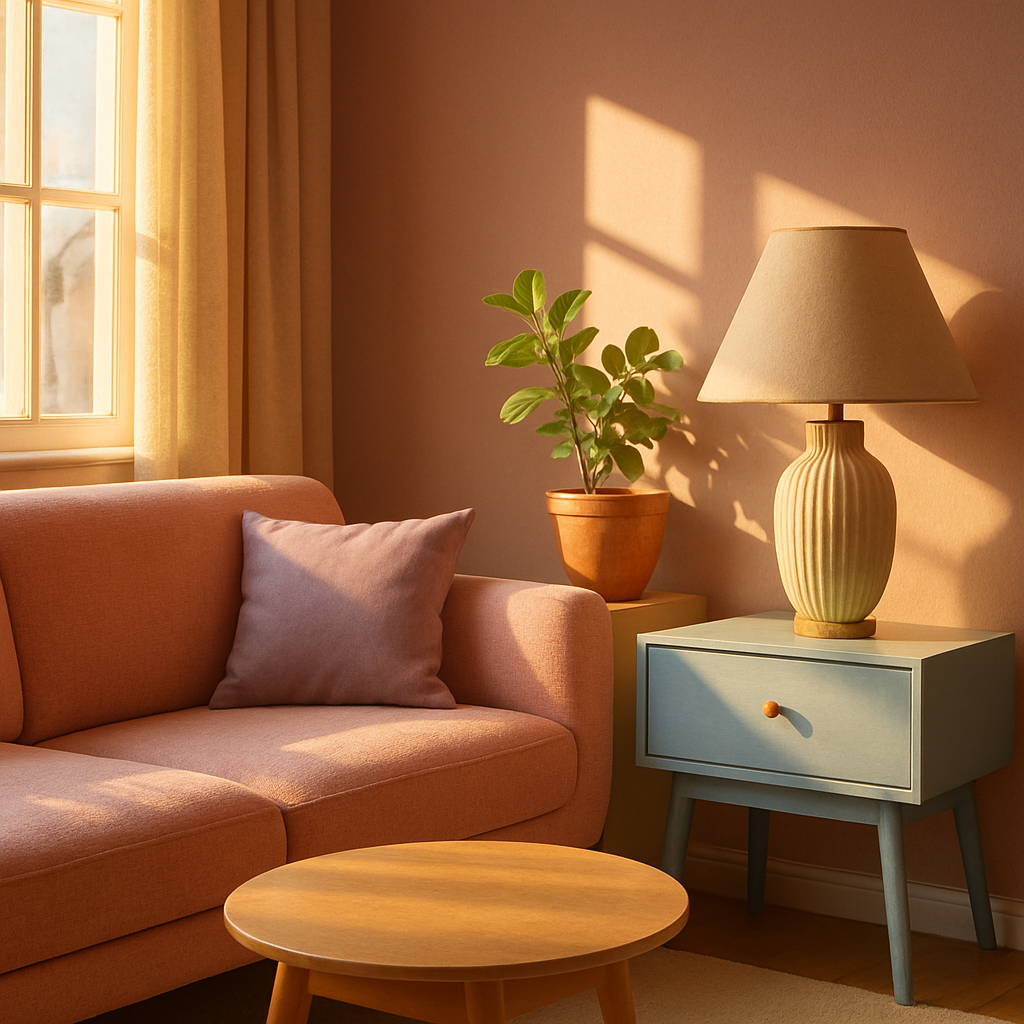
Is your home feeling cramped and cluttered? You're not alone. Many homeowners struggle with making small rooms feel spacious and inviting. According to the Houzz annual survey, 36% of homeowners are dissatisfied with their current space due to size constraints. However, with innovative design strategies, even the tiniest of rooms can be transformed into functional, stylish sanctuaries. This article will guide you through foundational concepts, analyze key data, and provide actionable strategies and expert insights to help you maximize every square foot of your home.
Understanding Foundational Design Concepts for Small Rooms
Before diving into specific design ideas, it's essential to understand the foundational concepts of small room design. One of the most critical elements is creating a sense of flow within the space. By arranging furniture in a way that guides movement and keeps pathways clear, you can make a room feel more open and accessible. For instance, placing a sofa parallel to the longest wall in a living room can naturally direct foot traffic and enhance the room's spaciousness.
Color choice also plays a significant role in small room design. Light, neutral colors such as whites, beiges, and pastels reflect more light, making a room appear larger than it is. This is supported by the American Society of Interior Designers (ASID), which recommends using a monochromatic color scheme to create visual continuity. Additionally, incorporating mirrors can amplify this effect by reflecting both natural and artificial light, further enhancing the illusion of space.
Furniture selection is another foundational aspect to consider. Opt for multi-functional pieces such as a storage ottoman or a fold-out desk. These items not only save space but also provide essential functionality. Experienced professionals often note that less is more when it comes to furniture in small rooms-prioritizing quality over quantity can prevent overcrowding and maintain a sleek, organized aesthetic.
Understanding these foundational concepts sets the stage for deeper analysis and the application of innovative design strategies. Let's explore how data and trends can inform and inspire your small room transformations.
Data-Driven Design: Analyzing Trends and Insights
The world of interior design is ever-evolving, with trends and data providing valuable insights into what works best for small spaces. According to a recent survey by Houzz, 58% of homeowners who renovated a small space reported increased satisfaction with their home. This statistic underscores the importance of thoughtful design in improving both aesthetics and functionality.
In terms of specific design trends, biophilic design-which emphasizes natural materials and a connection to nature-is gaining popularity. This approach not only creates a calming environment but also makes use of vertical space through living walls or hanging plants. The International Interior Design Association (IIDA) highlights that incorporating elements of nature can reduce stress and improve air quality, making it ideal for small rooms.
Furthermore, the integration of smart home technology is revolutionizing small room design. Smart lighting and climate control systems can be customized to enhance comfort and efficiency, while automated window treatments maximize natural light. As more homeowners adopt these technologies, the trend towards creating smarter, more adaptable spaces continues to grow. How might these data-driven insights inspire your own small room design plans?
Armed with these insights, we can now delve into actionable strategies that utilize these trends to transform your space.
Actionable Strategies for Maximizing Small Spaces
To truly transform a small room, it's crucial to implement strategies that maximize space without sacrificing style. Begin by decluttering and organizing, focusing on what you truly need and use. Marie Kondo, a renowned organization consultant, advocates for keeping only items that "spark joy." This minimalist approach is particularly effective in small spaces, where every item should serve a purpose.
Next, consider vertical solutions to free up floor space. Installing shelves or cabinets that reach the ceiling can provide additional storage without encroaching on valuable square footage. Likewise, wall-mounted desks and folding furniture can open up a room and offer flexibility in how the space is used. The National Council for Interior Design Qualification (NCIDQ) suggests that vertical storage is one of the most efficient ways to optimize small spaces.
Finally, embrace the power of optical illusions. Use striped rugs to elongate a room or hang curtains close to the ceiling to draw the eye upward. These simple tricks can significantly impact the perceived size of a room. How could incorporating these strategies change the way you experience your home?
With these actionable strategies in mind, it's time to explore expert-level details that can further enhance your small room design projects.
Expert-Level Details for Small Room Design
For those seeking to elevate their small room design, expert insights offer nuanced approaches to common challenges. One advanced technique involves layering textures and materials to add depth and interest without overwhelming the space. For example, mixing wood, metal, and soft textiles can create a sophisticated, dynamic look that draws the eye.
Incorporating sustainable and reclaimed materials is another expert-level strategy gaining traction. Not only does this approach support environmental initiatives, but it also adds unique character to a room. Architectural Digest's AD PRO network notes that using materials with a history can imbue a space with a sense of story and authenticity, making it stand out.
Additionally, consider the strategic use of lighting to enhance ambiance and functionality. Layered lighting-combining ambient, task, and accent lights-can create a versatile environment that adapts to different needs. Dimmer switches and smart bulbs allow for fine-tuned control, ensuring the perfect lighting for any occasion. Could these expert techniques be the key to unlocking your small room's potential?
With a strong foundation in place, let's delve deeper into additional design considerations that can take your small spaces from functional to fabulous.
Additional Depth: Beyond Basic Design
Going beyond basic design requires a creative mindset and a willingness to experiment. One innovative approach is the use of AR/VR room visualization tools. These technologies allow you to virtually design and walk through your space before committing to any changes. Platforms like Houzz and Pinterest offer such tools, enabling homeowners to explore different layouts and design elements in a risk-free environment.
Furthermore, the Japandi style-a blend of Japanese minimalism and Scandinavian warmth-has emerged as a popular trend for small room design. This style emphasizes simplicity, functionality, and beauty, making it ideal for compact spaces. By incorporating Japandi elements, such as light wood furnishings and neutral color palettes, you can create a serene, cohesive aesthetic.
Finally, consider the psychological impact of your design choices. Colors, patterns, and layouts can influence mood and productivity. For instance, blues and greens are known to promote calmness and focus, making them excellent choices for home offices or meditation areas. How might understanding these psychological effects guide your design decisions?
With these additional insights, you're now well-equipped to tackle your small room design challenges with confidence and creativity.
Final Perspectives on Small Room Design
As we've explored, transforming small spaces requires a blend of creativity, strategy, and a keen understanding of design principles. By leveraging foundational concepts, data-driven insights, and expert-level techniques, you can maximize every inch of your home. Remember, successful small room design is not just about aesthetics-it's about creating spaces that enhance your lifestyle and well-being.
It's important to stay adaptable and open to new ideas as you embark on your design journey. Small rooms, when designed thoughtfully, can offer the same comfort and functionality as larger spaces. As you reflect on your own home, consider which strategies resonate most with your needs and preferences. What changes will you implement first?
Conclusion: Take the First Step to Transform Your Space
In conclusion, transforming small rooms into stylish and functional spaces is achievable with the right approach. From understanding foundational design principles to applying cutting-edge trends and expert insights, you now have a comprehensive toolkit to reimagine your home. Begin your transformation by assessing your current space and identifying areas for improvement. Start by browsing portfolios on Houzz this week-even 20 minutes of research will sharpen your eye for what you want.
Don't let size constraints limit your creativity. Embrace the challenge and take the first step towards a more beautiful, functional home. What's stopping you from starting your small room makeover today?



Comments
Post a Comment