Top Trends in Interior Design Companies: What to Expect
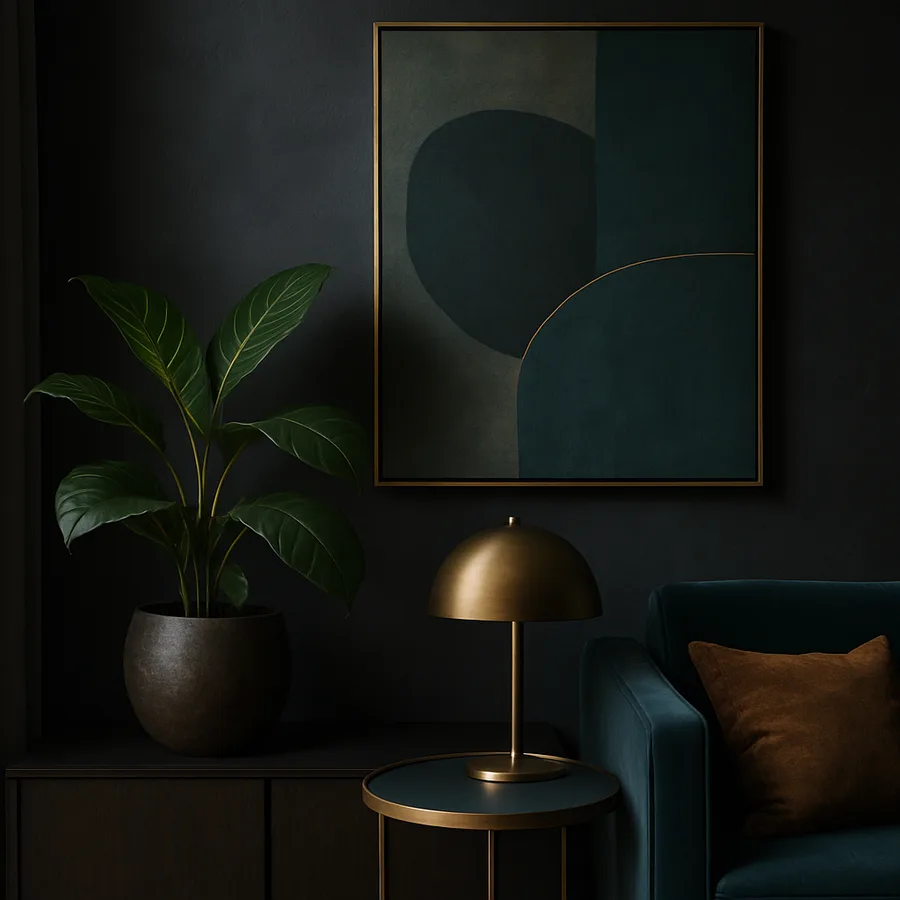
Interior design companies operate at the intersection of culture, technology, and commerce. The firms that thrive are those that anticipate shifts in how people want to live, work, and gather, and then translate those shifts into actionable design strategies. The pace of change has accelerated considerably, driven by evolving workplace models, heightened environmental awareness, and digital tools that expand what designers can envision and deliver. According to the International Interior Design Association (IIDA), 73 percent of design firms have adopted at least one significant new service offering or methodology within the past three years, reflecting an industry in active transformation.
Understanding the trends shaping interior design companies matters whether you are a practicing designer, a business owner planning a renovation, or an investor evaluating the sector. The trends discussed here are not fleeting aesthetic fads; they represent structural shifts in how design firms operate, what clients demand, and what the built environment is expected to achieve. From biophilic principles that bring nature indoors to artificial intelligence tools that accelerate the design process, each trend carries implications that will resonate for years.
What should you watch for when evaluating an interior design company s relevance and capability? The answer lies in their willingness to evolve. Let us examine the forces reshaping the profession and what they mean for the spaces you inhabit.
Biophilic Design as a Core Philosophy
Biophilic design, the practice of incorporating natural elements and nature-inspired patterns into interior spaces, has moved from a specialized niche to a mainstream expectation. Interior design companies that once offered biophilic features as an optional enhancement now embed them into their standard methodology. The shift is supported by a growing body of research demonstrating measurable health benefits. A landmark study published in the journal Environmental Health Perspectives found that workers in offices with natural elements reported 15 percent higher well-being scores and 6 percent greater productivity compared to those in conventional environments.
For interior design companies, biophilic design means more than adding a few potted plants to a lobby. It involves strategic decisions about natural light access, views to exterior landscapes, the use of organic materials such as wood, stone, and water features, and the incorporation of biomorphic shapes in furniture and architectural details. The American Society of Interior Designers (ASID) has published guidelines for implementing biophilic principles across project types, from healthcare facilities where nature connections can accelerate patient recovery to residential spaces where daylight patterns regulate circadian rhythms.
Design companies that have fully embraced biophilic thinking often restructure their sourcing relationships to prioritize materials with visible natural character. Instead of specifying engineered surfaces that mimic wood grain, they select actual timber with its inherent variations in color and pattern. Instead of synthetic greenery, they partner with horticultural consultants to design living walls and interior planting schemes that are both beautiful and maintainable. This commitment to authenticity distinguishes companies that genuinely understand biophilic principles from those that adopt the vocabulary without the substance.
Have you noticed how the most inviting commercial spaces you have visited recently seem to feature an abundance of greenery, natural light, and organic textures? That experience is biophilic design in action, and it represents a trend that shows no sign of receding. Interior design companies that master this approach position themselves to serve a market that increasingly equates quality environments with connections to the natural world.
Wellness-Centered Interior Environments
Closely related to biophilic design but broader in scope, the wellness trend asks interior design companies to consider the full spectrum of occupant health when shaping a space. Wellness-centered design addresses air quality, acoustic comfort, thermal regulation, ergonomic support, and even the psychological impact of color and spatial proportion. The WELL Building Standard, developed by the International WELL Building Institute, provides a framework that design companies increasingly reference when developing project specifications.
Interior design companies specializing in commercial environments have been particularly active in the wellness space, driven by corporate clients who recognize the connection between employee health and organizational performance. Houzz Pro survey data indicates that wellness features rank among the top three client priorities for new commercial design projects, ahead of technology integration and ahead of aesthetic novelty. This prioritization reflects a broader cultural awareness that the buildings where people spend the majority of their waking hours have a direct impact on their physical and mental health.
On the residential side, wellness-centered design manifests in features such as circadian lighting systems that adjust color temperature throughout the day, water filtration integrated into kitchen design, and bedroom environments optimized for sleep quality through blackout treatments, sound isolation, and non-toxic material selections. Design companies that can guide homeowners through the technical aspects of these features while maintaining a cohesive aesthetic vision offer a service that few competitors can match.
The NCIDQ certification now encompasses health, safety, and welfare as foundational competency areas, reinforcing the profession s commitment to occupant well-being. Interior design companies that invest in wellness expertise, whether through staff training, specialized consultants, or certification programs, signal to clients that their practice extends beyond surface beauty to genuine care for the people who will live and work within the completed spaces.
Technology Integration and Smart Interiors
Technology has always influenced interior design, but the current generation of smart home and smart office systems demands a deeper integration between design vision and technological infrastructure. Interior design companies are increasingly expected to coordinate with technology consultants during the earliest project phases, ensuring that wiring, device placement, and interface design align with the spatial plan rather than being retrofitted awkwardly after the fact.
Smart lighting, automated climate control, integrated audio systems, and motorized window treatments are now standard considerations in both residential and commercial projects. According to ASID technology trend reports, 68 percent of design firms now include technology planning as a standard phase of their project workflow, up from roughly 40 percent just five years ago. Companies that still treat technology as an afterthought risk delivering interiors that feel incomplete to clients who have come to expect seamless digital integration.
The design challenge with technology integration lies in concealment and elegance. Clients want their spaces to be smart without looking like electronics showrooms. Interior design companies that excel in this area develop custom cabinetry to house equipment, select fixtures with built-in technology that does not compromise their aesthetic character, and design control interfaces that integrate with the room s material palette rather than interrupting it. A thermostat panel recessed into a wall of natural stone, finished in a matching tone, exemplifies the kind of thoughtful integration that distinguishes sophisticated technology design from mere gadget installation.
Looking ahead, artificial intelligence tools are beginning to influence the design process itself. AI-powered space planning software can generate layout options based on room dimensions and client preferences, and machine-learning algorithms can suggest material palettes based on analysis of successful past projects. While these tools do not replace the creative judgment of a trained designer, they accelerate the exploratory phase and allow designers to evaluate more options in less time. Companies that adopt AI tools thoughtfully will gain a competitive edge in both speed and creative range.
Sustainability as a Business Imperative
Sustainability has matured from a marketing differentiator to a business imperative for interior design companies. Clients, particularly in the corporate and institutional sectors, now require documentation of environmental performance as part of the design deliverable. LEED certification, the Living Building Challenge, and regional green building standards all impose specific requirements on material sourcing, energy performance, and waste management that interior design companies must navigate with technical proficiency.
The IIDA has documented a steady increase in the number of design firms that publish annual sustainability reports, a practice borrowed from the corporate sector that signals transparency and accountability. These reports typically detail the firm s material sourcing policies, waste diversion rates for completed projects, and progress toward internal sustainability targets such as carbon-neutral studio operations. For clients evaluating potential design partners, a published sustainability report provides concrete evidence of commitment beyond verbal assurances.
Interior design companies pursuing sustainability must also confront the tension between material longevity and design currency. A truly sustainable interior is one that remains functional and aesthetically relevant for decades, reducing the need for premature renovation and the waste it generates. This perspective challenges the trend cycle that has historically driven portions of the industry, where interiors are refreshed every five to seven years regardless of their physical condition. Companies that design for durability and timelessness, using quality materials and classic proportions, align their creative practice with their environmental values.
Do you assess a design company s sustainability credentials before engaging their services? As environmental awareness deepens across the consumer market, this question is becoming standard rather than exceptional. Interior design companies that can demonstrate genuine, documented sustainability practices will increasingly win projects over competitors who cannot.
Flexible and Adaptive Space Planning
The demand for flexible interior spaces has intensified as work-from-home arrangements, hybrid offices, and multi-generational living have become prevalent. Interior design companies are responding with spatial strategies that allow rooms to serve multiple functions without requiring physical renovation. Movable partitions, modular furniture systems, and convertible built-in elements enable spaces to transform from home office to guest bedroom, from conference room to event venue, or from formal dining room to children s study area within minutes.
This trend reflects a fundamental shift in how people think about their spaces. Rather than assigning a single permanent function to each room, occupants want environments that adapt to their changing needs throughout the day, the week, and the year. Houzz survey data reveals that multi-functional spaces rank as the most requested feature in residential design consultations, surpassing traditional priorities like kitchen upgrades and bathroom renovations.
For interior design companies, delivering effective flexible spaces requires a deeper understanding of the client s daily routines and long-term plans. A space that technically converts from one function to another but does so clumsily, requiring heavy lifting, awkward folding mechanisms, or aesthetic compromise, fails the flexibility test. The best flexible designs feel fully resolved in every configuration, as if each arrangement were the room s intended purpose. Achieving this quality demands creative furniture design, thoughtful storage solutions, and spatial proportions that accommodate multiple layouts without dead zones or awkward circulation paths.
Commercial interior design companies have been exploring flexibility even more aggressively, driven by corporate clients who recognize that their space needs will evolve unpredictably. Activity-based working environments, where employees choose from a variety of settings throughout the day rather than occupying assigned desks, require design solutions that support focus, collaboration, socialization, and respite within a single floor plate. Companies that can deliver this range of spatial experiences while maintaining a cohesive design identity are winning the most ambitious commercial commissions.
Where the Industry Heads Next
The trends reshaping interior design companies converge around a single theme: the increasing expectation that designed spaces should actively improve the lives of their occupants. Whether through biophilic connections that restore a sense of nature, wellness features that support physical health, smart technology that simplifies daily routines, sustainable practices that protect environmental resources, or flexible layouts that accommodate evolving lifestyles, the contemporary design company is asked to deliver far more than visual appeal.
This expanded mandate raises the bar for professional competence. Interior design companies that invest in cross-disciplinary knowledge, maintaining expertise in environmental science, building technology, behavioral psychology, and material innovation alongside traditional design skills, will lead the industry forward. The ASID and IIDA both support this trajectory through continuing education programs, research initiatives, and professional development frameworks that encourage designers to broaden their knowledge base continuously.
For clients, the trends described here offer grounds for optimism. The interior design profession is becoming more rigorous, more accountable, and more responsive to the genuine needs of the people it serves. When you engage a design company that has internalized these trends, you are not just hiring someone to make your space look better. You are partnering with professionals who understand that good design is a form of care, an investment in the quality of everyday life that pays dividends in comfort, health, and satisfaction for years to come.
If you are considering engaging an interior design company for an upcoming project, use the trends discussed here as evaluation criteria. Ask prospective firms about their approach to biophilic design, wellness, technology integration, sustainability, and spatial flexibility. Their answers will reveal whether they are positioned at the leading edge of the profession or still operating from an outdated playbook. Your space deserves a design partner who understands where the industry is heading and has the expertise to take you there.
More Articles You May Like



Comments
Post a Comment