10 Home Interior Design Trends to Transform Your Space
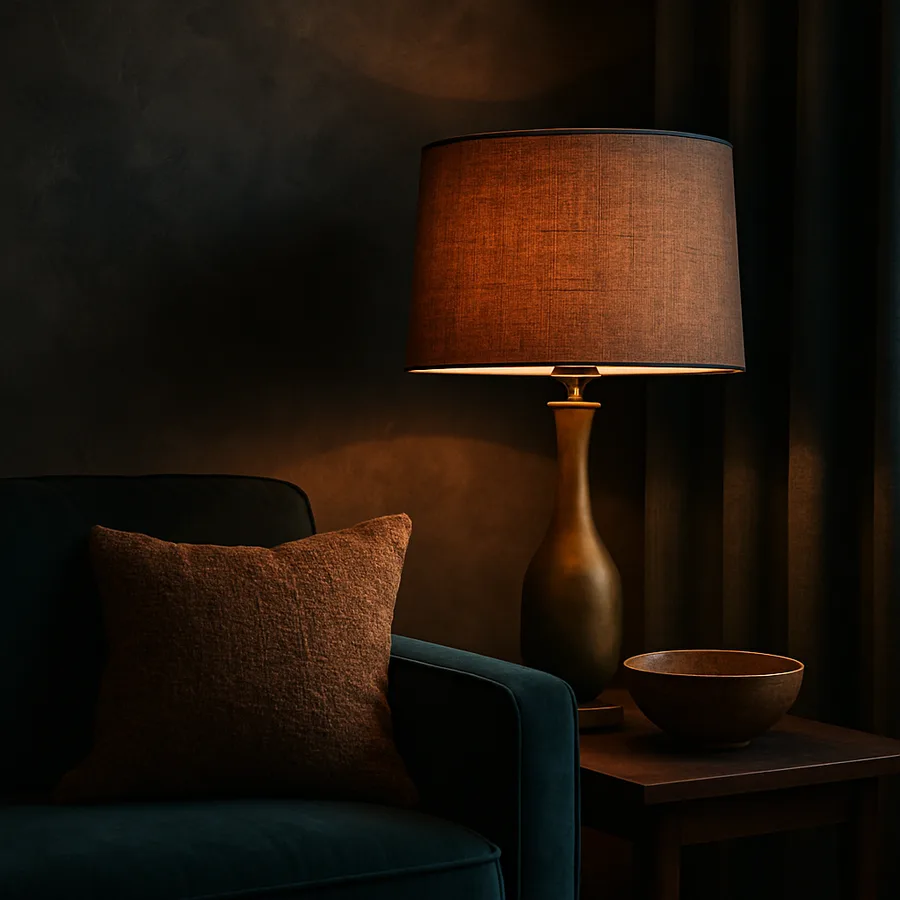
Curved and Sculptural Furniture Takes Center Stage
The dominance of sharp angles and rigid geometries in residential furniture is giving way to a softer, more sculptural vocabulary that prioritizes comfort and visual fluidity. Curved sofas, rounded dining tables, and organically shaped accent chairs are appearing in design portfolios across every price point, signaling a broad shift in how we think about the relationship between furniture and the spaces it inhabits. The American Society of Interior Designers (ASID) has documented a 45 percent increase in client requests for curved furniture pieces over the past two years.
This movement toward curvature is not merely aesthetic. Curved forms encourage circulation and conversation in ways that rectilinear arrangements often cannot. A rounded sofa creates a natural gathering point, drawing occupants together rather than arranging them in parallel lines. A circular dining table eliminates the hierarchy of head seats, fostering more egalitarian and intimate dining experiences. These functional benefits reinforce the visual appeal, making curved furniture a substantive rather than superficial trend.
Designers featured on Houzz have noted that curved pieces also serve as effective tools for softening the hard edges of modern architecture. In rooms with angular walls, exposed structural elements, and expansive glass surfaces, a single sculptural sofa or a kidney-shaped coffee table can introduce enough organic warmth to transform the emotional character of the entire space. The key is proportion: the curves should complement the architecture rather than compete with it.
Warm Maximalism and Layered Interiors
After years of minimalist restraint, a new form of maximalism is emerging that prioritizes warmth, texture, and personal narrative over the cool detachment that characterized much of the previous decade. This is not the chaotic maximalism of overwhelming pattern and color but a disciplined approach to layering that creates rich, deeply personal interiors while maintaining a sense of cohesion and calm.
The International Interior Design Association (IIDA) has characterized this shift as curated abundance, distinguishing it from both the austerity of minimalism and the excess of traditional maximalism. Rooms designed in this manner might combine a vintage rug with contemporary art, handcrafted ceramics with sleek modern lighting, and collected objects from different cultures and periods into a composition that feels both intentional and lived-in.
What does your home say about who you are and what you value? This question is at the heart of the warm maximalist approach, which rejects the notion that personal expression must be sacrificed at the altar of design purity. The most compelling interiors in this mode tell stories through their objects and arrangements, creating spaces that reward extended contemplation and reveal new details with each viewing.
The material palette of warm maximalism tends toward natural tones elevated by moments of unexpected richness: a deep burgundy velvet pillow against a camel leather sofa, a brass light fixture casting warm light over a stone-topped console, or a hand-painted mural adding narrative depth to an otherwise restrained dining room. Every element is chosen not for trend compliance but for genuine resonance with the inhabitants.
Statement Stone and Bold Material Choices
Natural stone has transcended its traditional roles in kitchens and bathrooms to become a primary design material throughout the home. Statement stone applications, from full-height book-matched marble feature walls to fluted travertine room dividers and sculpted onyx light fixtures, are transforming how designers and homeowners think about the expressive potential of geological materials. According to the National Council for Interior Design Qualification (NCIDQ), material innovation is now a core competency area, reflecting the industry's recognition that contemporary design demands fluency with an expanding range of surfaces and substrates.
The stones commanding the most attention are those with pronounced movement and character. Heavily veined marbles, fossil-rich limestones, and translucent onyx slabs backlit to reveal their internal structure are being used as focal points that anchor entire rooms. These materials carry an inherent drama that requires confident handling: the designer must know when to let the stone speak and when to provide it with a quiet frame of complementary materials that allow its character to dominate.
Beyond traditional stone, designers are exploring innovative applications of terrazzo, zellige tile, and hand-finished concrete that bring artisanal character to surfaces typically associated with industrial or institutional contexts. A poured terrazzo floor in custom colors, a kitchen backsplash of individually hand-cut zellige tiles with their characteristic slight irregularities, or a concrete countertop with an exposed aggregate edge all represent ways of introducing bold materiality without relying on conventional luxury signifiers.
Reimagined Color Through Earthy Richness
The color story of contemporary interior design has shifted decisively from cool grays and stark whites toward a warmer, earthier spectrum that draws inspiration from landscapes, minerals, and organic pigments. Terracotta, ochre, sage, clay, and warm brown tones are appearing on walls, upholstery, and cabinetry across residential projects at every scale. Houzz color trend reports indicate that warm earth tones now represent the fastest-growing segment of residential paint selections, outpacing both cool neutrals and bold accent colors.
This chromatic shift reflects a deeper cultural desire for spaces that feel grounded and connected to the natural world. Where the cool palette of the previous era created interiors that photographed beautifully but sometimes felt clinical in person, the new earth-toned palette produces spaces that are immediately welcoming and emotionally nourishing. The warmth of a terracotta-washed wall or a rich chocolate brown ceiling creates an embrace that cool tones simply cannot replicate.
Color blocking with earthy tones has also emerged as a technique for creating architectural interest without structural modification. A single wall painted in a deep olive or burnt sienna can redefine the proportions of a room, creating perceived depth or drawing the eye toward a specific focal point. When combined with the textural layering of warm maximalism, these color choices produce interiors of remarkable richness and sophistication.
Artisanal Lighting as Functional Sculpture
Lighting design has evolved from a purely functional consideration into one of the most expressive elements of contemporary interiors. Artisanal and sculptural light fixtures are being treated as the jewelry of a room, providing both illumination and visual drama that elevates the entire space. According to ASID market research, homeowners now allocate an average of 18 percent more of their design budget to lighting than they did five years ago, reflecting a growing appreciation for the transformative power of well-designed luminaires.
The fixtures driving this trend are characterized by their material honesty and craft-forward construction. Hand-blown glass pendants with visible variations in thickness and color, chandeliers constructed from woven natural fibers, wall sconces cast in bronze with the texture of the mold still visible on their surfaces, and floor lamps sculpted from solid wood or carved stone all represent a departure from the uniform, factory-perfect fixtures that dominated previous design cycles.
Layered lighting strategies have also become more sophisticated, moving beyond the basic formula of ambient, task, and accent into more nuanced approaches that account for the emotional and biological effects of light quality. Warm color temperatures for evening relaxation, brighter and cooler tones for daytime productivity, and dimmable systems that allow occupants to tune the atmosphere of a room to their current mood and activity represent the current standard of thoughtful residential lighting design.
Does your lighting merely illuminate your rooms, or does it actively contribute to their atmosphere and your sense of wellbeing? This distinction is what separates functional lighting from genuine lighting design, and it represents one of the highest-impact improvements available to homeowners seeking to transform their spaces.
Indoor-Outdoor Living and Threshold Design
The boundary between interior and exterior space continues to dissolve as designers and homeowners embrace indoor-outdoor living as a fundamental organizing principle rather than a luxury add-on. Large-format sliding and folding glass systems, covered outdoor rooms with fully finished interiors, and material palettes that flow seamlessly from inside to outside are creating homes that expand their functional footprint well beyond their enclosed square footage.
IIDA research on residential satisfaction consistently identifies strong indoor-outdoor connections as among the most valued features in contemporary homes. A study of post-occupancy satisfaction found that homes with well-designed threshold spaces, areas that mediate between fully interior and fully exterior conditions, scored 34 percent higher in owner satisfaction than homes with conventional wall-and-door separations between inside and outside.
The design of these threshold spaces has become increasingly sophisticated. Covered porches with weather-resistant furnishings that match interior quality standards, screened rooms with ceiling fans and integrated lighting, and courtyard designs that bring exterior space into the center of the floor plan all represent strategies for maximizing the experiential connection between a home and its landscape. The materials and finishes used in these spaces must navigate the demands of weather exposure while maintaining the aesthetic standards of the interior, requiring careful specification and detailing.
Ready to transform your living space with these design trends? Reach out to an NCIDQ-certified interior designer who can evaluate your home and develop a personalized plan that incorporates the trends most relevant to your lifestyle and aesthetic preferences.
More Articles You May Like



Comments
Post a Comment