10 Must-Try House Interior Design Trends
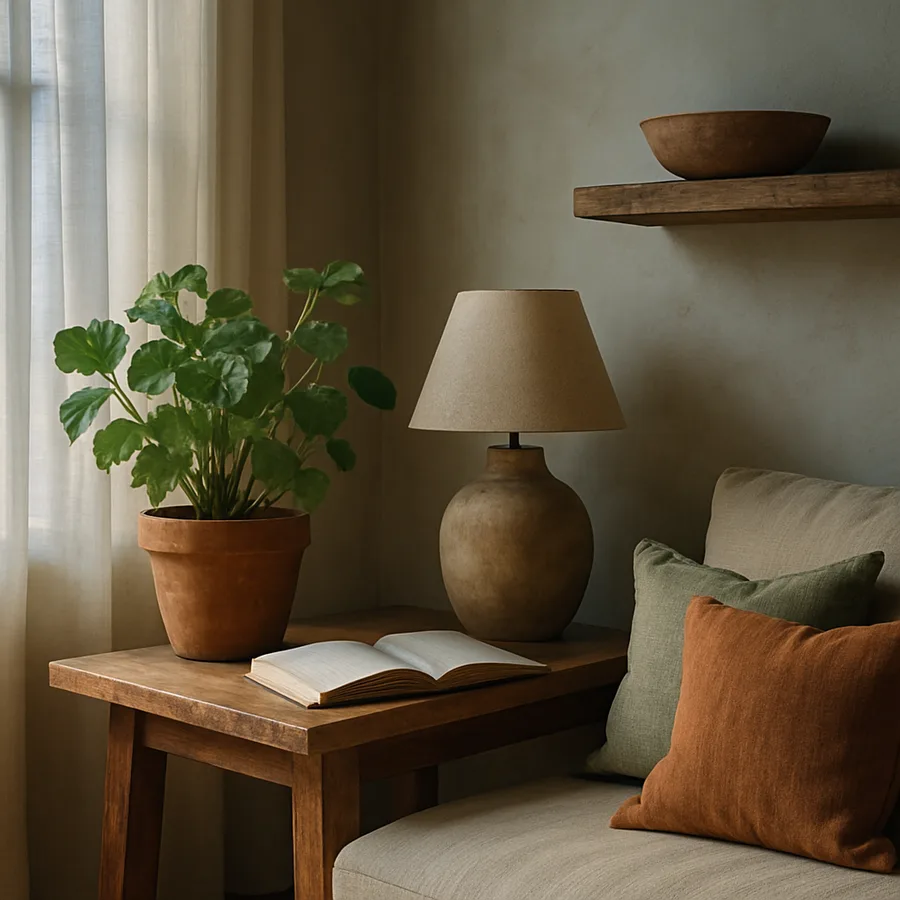
Biophilic Design and the Return to Nature
The connection between interior spaces and the natural world has moved from a niche interest to a dominant force in residential design. Biophilic design, the practice of incorporating natural elements, materials, and patterns into built environments, is now considered essential rather than optional by leading design organizations. The International Interior Design Association (IIDA) has reported that biophilic elements appear in over 65 percent of award-winning residential projects submitted to their annual recognition programs, underscoring how deeply this approach has penetrated professional practice.
The implementation of biophilic design extends well beyond placing a few potted plants on windowsills. It encompasses living walls that transform vertical surfaces into thriving ecosystems, water features that introduce the calming sound of flowing water into domestic environments, and material selections that prioritize natural stone, untreated wood, and organic textiles. The sensory richness of these elements creates spaces that feel alive in a way that synthetic materials and artificial finishes cannot replicate. Research published by the Human Spaces Global Report found that the presence of natural elements in interior environments increases reported wellbeing by 15 percent and creativity by 15 percent among occupants.
Have you noticed how spending time in a room with abundant natural light and living plants affects your mood differently than being in a windowless space with artificial everything? That instinctive response is precisely what biophilic design seeks to harness and amplify. The trend manifests in everything from the resurgence of natural wood flooring over engineered alternatives to the popularity of stone countertops that celebrate rather than disguise their geological origins. Even the color palettes associated with biophilic design draw from nature, favoring deep greens, warm terracottas, sky blues, and sunset golds over the purely synthetic hues that dominated previous design eras.
For homeowners looking to incorporate biophilic principles without a full renovation, the entry points are accessible and affordable. Large-scale indoor plants, natural fiber rugs, wooden picture frames, and linen curtains all contribute to a biophilic atmosphere. The key principle is authenticity. Real materials create a genuine connection to nature that convincing reproductions, no matter how well-made, cannot fully achieve. Houzz user surveys indicate that indoor plant purchases among homeowners have increased by over 40 percent in recent years, suggesting that the biophilic impulse is being acted upon at significant scale.
Curved Furniture and Organic Silhouettes
The rigid geometric lines that defined much of modern furniture design are giving way to softer, more organic shapes. Curved sofas, rounded dining tables, arched doorways, and sculptural lighting fixtures are introducing a sense of movement and fluidity into residential interiors. The American Society of Interior Designers (ASID) has identified organic forms as one of the fastest-growing preferences among consumers seeking new furniture, with search interest in curved and rounded furniture terms increasing substantially across major design platforms.
The appeal of curved furniture is both psychological and practical. Rounded edges create a sense of safety and comfort that sharp corners cannot match, making rooms feel more welcoming and relaxed. From a functional perspective, curved furniture often improves traffic flow by eliminating the sharp projections that straight-edged pieces create. In open-plan living spaces, a gently curved sofa can define a conversation area more gracefully than a rigid L-shaped sectional, creating zones within larger rooms without the visual hardness of angular barriers.
The manufacturing advances that have made curved furniture more accessible deserve recognition. Historically, producing curved wooden and upholstered forms required expensive custom fabrication that limited their availability to high-end markets. Modern CNC milling, steam-bending techniques, and advanced foam-molding processes have reduced production costs significantly, bringing organic silhouettes within reach of mainstream consumers. This democratization of form means that the visual warmth of curved design is no longer reserved for luxury interiors but is available across a broad range of price points.
Incorporating curved elements does not require replacing all furniture simultaneously. A single rounded coffee table, an arched floor mirror, or a set of curved-back dining chairs can introduce organic softness into an otherwise rectilinear space. The contrast between straight architectural lines and curved furnishing elements often creates a dynamic visual tension that makes the room more interesting than either approach would achieve alone. Designers frequently recommend starting with one or two curved pieces and assessing their impact before committing to a broader transition.
Bold Texture Layering and Tactile Richness
The visual minimalism that dominated residential interiors for much of the past decade is being enriched by an embrace of texture as a primary design element. Where previous trends favored smooth surfaces and uniform finishes, current design direction celebrates the interplay of different textures within a single space. Bouclé upholstery against raw plaster walls, hand-thrown ceramic vessels on polished marble surfaces, chunky knit throws draped over sleek leather seating, these textural contrasts create depth and interest without requiring bold color or pattern.
NCIDQ-certified designers have long understood that texture engages a different dimension of perception than color or form. While color appeals primarily to vision, texture invites both visual and tactile engagement, creating a multi-sensory experience that makes spaces feel richer and more inhabitable. The National Council for Interior Design Qualification includes texture assessment in its professional examinations precisely because skilled texture layering is one of the hallmarks of professional-level design that distinguishes it from amateur decoration.
The current iteration of textural design draws particularly from artisanal and handmade traditions. Hand-woven textiles, hammered metalwork, hand-glazed ceramics, and rough-hewn wood all bear the marks of human making that machine-produced alternatives lack. This emphasis on craft introduces an element of imperfection that paradoxically makes spaces feel more refined, because it communicates intentionality and discernment. Each textural element tells a story of material and process that enriches the narrative of the room.
Do you find yourself reaching out to touch interesting surfaces in beautifully designed spaces? That impulse is a natural response to skilled texture layering, and it suggests that the most engaging interiors are those that appeal to multiple senses rather than vision alone. For homeowners looking to introduce more textural richness, the most impactful starting points are the largest surfaces. Textured wall treatments, deeply piled rugs, and heavily textured upholstery fabrics create immediate impact. Smaller textural elements like decorative objects and accessories can then be layered in to add complexity without overwhelming the composition.
Warm Maximalism and Curated Abundance
In direct counterpoint to the minimalist austerity that preceded it, warm maximalism is emerging as a confident design direction that celebrates abundance, personality, and visual richness. Unlike the chaotic maximalism of earlier eras, this contemporary interpretation is carefully curated, maintaining a sense of coherence even as it layers colors, patterns, and objects with generous enthusiasm. ASID trend reports describe this movement as disciplined abundance, distinguishing it from mere accumulation by emphasizing the intentionality behind every element.
The color palettes associated with warm maximalism favor saturated but sophisticated tones. Deep burgundies, forest greens, rich golds, and warm terracottas create enveloping atmospheres that are luxurious without being garish. Pattern mixing, which requires considerable skill to execute well, is central to this trend. Florals alongside geometrics, stripes paired with organic motifs, and mixed scales within a single color family create visual complexity that rewards extended observation. The room reveals new details and relationships with each viewing, creating an experience that evolves over time rather than being fully absorbed in a single glance.
Collections and personal artifacts play a starring role in warm maximalist interiors. Rather than hiding meaningful objects in storage, this approach puts them on display as integral elements of the design. Travel souvenirs, inherited pieces, artwork accumulated over decades, and personally meaningful objects all contribute to an interior that tells a specific story about the people who live there. IIDA residential design award judges have increasingly recognized projects that successfully integrate personal collections into cohesive design narratives, reflecting a growing appreciation for interiors that prioritize personality over perfection.
The practical challenge of warm maximalism lies in maintaining the line between curated abundance and undisciplined clutter. The difference is intentionality. Every element in a well-executed maximalist interior has been deliberately chosen and placed. Groupings follow compositional principles. Color relationships are managed across the entire room. Scale variations are controlled to prevent visual chaos. Achieving this level of discipline within abundance requires either a skilled designer's eye or a willingness to iterate through many arrangements before finding the right one. The result, when achieved, is an interior that feels both lavish and logical, rich in personality yet comfortable to inhabit.
Smart Space Planning for Multi-Functional Rooms
The way we use our homes has changed dramatically, and interior design is adapting to accommodate the reality that rooms must now serve multiple purposes. Home offices that double as guest bedrooms, living rooms that function as workout spaces, and kitchens that serve as classrooms are no longer temporary accommodations but permanent features of contemporary domestic life. According to the American Institute of Architects, 69 percent of residential renovation projects now include dedicated multi-functional space planning, reflecting the permanence of this shift in how homes are used.
Effective multi-functional design requires zoning strategies that create distinct areas within a single room without resorting to permanent walls that reduce flexibility. Furniture arrangement, area rugs, lighting variation, and subtle elevation changes can all define zones psychologically without physical barriers. A desk positioned against a wall with its own task light and defined rug boundary creates a workspace that feels separate from the adjacent living area even when no partition exists between them. The skill lies in making each zone feel complete and purposeful while maintaining visual harmony across the whole room.
Convertible and modular furniture systems are central to successful multi-functional design. Wall beds that fold away to reveal home office configurations, modular seating that reconfigures for different social scenarios, and nesting tables that expand for dining but compress for daily living all enable rooms to transition between functions without compromise. Houzz product searches for multi-functional furniture have grown by over 55 percent compared to previous periods, indicating strong consumer demand for furnishings that support flexible living patterns.
The acoustic dimension of multi-functional spaces deserves more attention than it typically receives. When a room serves as both a video conference workspace and a family living room, sound management becomes essential. Soft furnishings, acoustic panels disguised as artwork, heavy curtains, and strategically placed bookshelves all contribute to sound absorption that makes shared spaces more functional. Designers who address acoustics alongside visual design create multi-functional rooms that genuinely work for all their intended purposes rather than compromising on each.
Putting These Trends to Work in Your Home
The beauty of current interior design trends lies in their compatibility. Biophilic elements pair naturally with curved furniture and textural richness. Warm maximalism can incorporate natural materials and organic forms without contradiction. Multi-functional planning accommodates any aesthetic direction. This convergence means that homeowners can draw from multiple trends simultaneously, creating interiors that feel current without being slavishly trendy.
The most effective approach to incorporating new design directions is to start with the trend that most closely aligns with your existing sensibility and build outward from there. If you already gravitate toward natural materials, biophilic design offers a framework for deepening that inclination. If your instinct is toward visual richness and personal expression, warm maximalism provides a vocabulary for channeling that energy into a coherent design. The key is authenticity rather than imitation. Trends are most successful when they amplify genuine preferences rather than impose foreign aesthetics.
Budget-conscious implementation is entirely possible with each of these trends. Biophilic design can begin with a collection of indoor plants and natural fiber accessories. Curved elements can be introduced through a single statement piece. Textural richness can be achieved through new throw pillows, blankets, and a well-chosen area rug. Multi-functional planning often requires only furniture rearrangement and the addition of targeted lighting. NCIDQ professional practice guidelines consistently recommend phased implementation as both financially prudent and aesthetically refined, allowing each addition to be evaluated in context before the next is introduced.
The interior design landscape continues to evolve, but the current trends share a common thread of human-centered warmth that suggests a lasting shift rather than a fleeting moment. Spaces that feel natural, tactile, personal, and adaptable are not responding to temporary fashion but to fundamental changes in how we relate to our domestic environments. Explore these directions with curiosity and confidence, and let your home become a reflection of both the broader design conversation and your own unique way of living within it.
More Articles You May Like



Comments
Post a Comment