Top 5 Ways Cryptocurrency is Influencing Sustainable Interior Design Trends
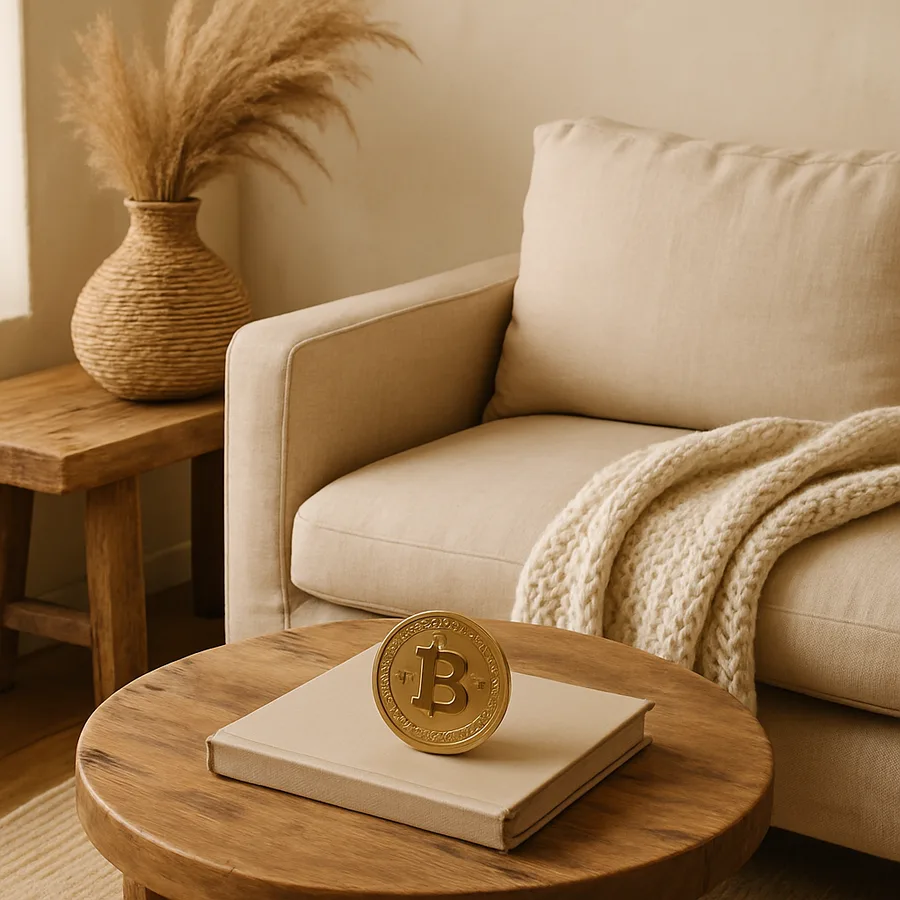
The intersection of cryptocurrency technology and sustainable interior design represents a fascinating convergence of two seemingly unrelated industries. As blockchain platforms continue to mature and gain mainstream adoption, their influence has begun to ripple outward into creative fields, including how designers source materials, verify sustainability claims, and fund eco-conscious projects. The American Society of Interior Designers (ASID) has noted a marked increase in designers exploring technology-driven approaches to sustainability, and the implications for homeowners and professionals alike are significant. According to a report by the World Green Building Council, buildings account for approximately 39% of global carbon emissions, making sustainable interior choices more critical than ever. For design enthusiasts looking to understand how digital currencies and blockchain infrastructure are quietly transforming the spaces we inhabit, this exploration offers a grounded perspective on real changes already underway. Have you considered how the technology behind your digital wallet might influence the materials in your living room?
Blockchain-Verified Sustainable Material Sourcing
One of the most tangible ways cryptocurrency technology is influencing sustainable interior design is through blockchain-verified supply chains for materials. Blockchain ledgers provide an immutable record of where materials originate, how they were processed, and whether they meet recognized sustainability standards. This transparency is particularly valuable for interior designers who need to verify that reclaimed wood, organic textiles, or low-VOC finishes are genuinely what suppliers claim them to be. The International Interior Design Association (IIDA) has highlighted supply chain transparency as a growing priority among certified professionals.
For homeowners investing $5,000 to $15,000 in a single-room renovation, knowing that materials are authentically sustainable justifies premium pricing and builds confidence in the investment. Blockchain verification eliminates the ambiguity that has historically plagued eco-friendly product claims, where terms like "natural" or "green" carried no enforceable meaning. Designers holding NCIDQ certification are increasingly requesting blockchain-backed documentation from suppliers, particularly for high-value projects where material provenance matters to discerning clients. This shift is not theoretical -- several major timber and textile suppliers have already implemented distributed ledger tracking for their product lines.
The practical impact extends beyond mere certification. When a designer specifies bamboo flooring or recycled glass countertops, blockchain records can trace the material from harvest or collection through manufacturing and delivery. This end-to-end visibility helps designers meet the standards set by organizations like the U.S. Green Building Council and supports LEED certification efforts. Clients who are spending $50,000 to $150,000 or more on full-home renovations increasingly expect this level of documentation, and blockchain technology delivers it in a format that cannot be falsified or retroactively altered.
Decentralized Marketplaces for Artisan and Eco-Friendly Furnishings
Cryptocurrency has enabled the creation of decentralized marketplaces where artisans and small-scale manufacturers can sell sustainable furnishings directly to designers and consumers without traditional intermediaries. These platforms, often built on Ethereum or similar blockchain networks, reduce overhead costs and allow craftspeople in developing regions to receive fair compensation for their work. The result is a broader selection of unique, handcrafted pieces that carry genuine sustainability credentials, from hand-woven textiles to furniture built from salvaged industrial materials. Architectural Digest's AD PRO division has featured several of these emerging platforms in their coverage of design industry innovation.
For interior designers, these marketplaces open access to materials and furnishings that would otherwise require extensive travel or unreliable middlemen to procure. A designer in Chicago can commission a custom dining table from a woodworker in Bali, pay via cryptocurrency to avoid costly international wire transfers, and receive blockchain-verified proof that the timber was sustainably harvested. This direct connection between maker and specifier aligns with the values that many ASID members have advocated for: supporting local economies, reducing waste from mass production, and celebrating craftsmanship. The fee structures for designers using these platforms typically range from 10% to 15% of the transaction value, compared to traditional wholesale markups of 40% or more.
The decentralized nature of these marketplaces also creates resilience against supply chain disruptions that have affected the design industry in recent periods. When traditional supply channels face delays, designers with established relationships on blockchain platforms can pivot to alternative sources quickly. This flexibility is particularly valuable for projects with tight timelines where delays in material delivery can cascade into significant cost overruns. Have you explored whether decentralized sourcing could reduce both the cost and the environmental footprint of your next design project?
Smart Contracts Enabling Green Design Incentives
Smart contracts -- self-executing agreements coded on blockchain platforms -- are creating new incentive structures for sustainable design choices. These programmable contracts can automatically release payments or bonuses when specific sustainability benchmarks are met during a renovation or construction project. For example, a smart contract might release a bonus payment to a contractor who achieves a verified reduction in construction waste below a specified threshold. The American Institute of Architects (AIA) has recognized smart contract technology as a potential tool for improving accountability in sustainable building practices.
Interior designers charging $150 to $500 per hour can use smart contracts to align their compensation with measurable sustainability outcomes, creating a transparent framework where clients pay for verified results rather than promises. This approach addresses a longstanding challenge in the design industry: ensuring that sustainability goals established during the planning phase are actually achieved during implementation. Smart contracts remove the need for trust-based agreements by automating verification and payment, which benefits both the designer and the client. According to research published by the Harvard Business Review, smart contracts can reduce transaction costs by up to 30% compared to traditional contract enforcement methods.
The application of smart contracts extends to post-completion monitoring as well. A contract could be structured to release final payments only after indoor air quality testing confirms that VOC levels remain below specified thresholds for a set period after renovation completion. This kind of accountability mechanism encourages contractors and suppliers to genuinely commit to sustainable practices rather than merely checking boxes during the installation phase. For projects in the $50,000 to $150,000 range, the added assurance of smart contract enforcement represents a meaningful value proposition that justifies the initial setup costs.
Cryptocurrency-Funded Sustainable Design Projects
The wealth generated through cryptocurrency investments has created a new demographic of homeowners who prioritize both technological innovation and environmental responsibility. These clients often seek designers who understand the ethos of the crypto community -- decentralization, transparency, and forward-thinking solutions -- and want those values reflected in their living spaces. Houzz surveys have indicated that environmentally conscious renovations have increased substantially among high-net-worth individuals, many of whom have significant cryptocurrency holdings. This client base is willing to invest premium budgets in biophilic design, sustainable materials, and smart home integration that aligns with their values.
For designers, this emerging client demographic presents both opportunities and considerations. Cryptocurrency-funded projects often involve higher budgets but also higher expectations for innovation and sustainability documentation. Clients who have built wealth in the blockchain space tend to be comfortable with technology and expect digital-first communication, detailed project tracking platforms, and quantifiable sustainability metrics. NCIDQ-certified designers who can bridge the gap between traditional design expertise and technological fluency are finding themselves well-positioned to serve this market. The typical budget for these projects ranges from $75,000 to well over $200,000 for comprehensive residential renovations.
The payment mechanics of cryptocurrency also influence project dynamics. Designers who accept cryptocurrency payments can reduce transaction fees, particularly for international clients, and benefit from the speed of blockchain-based transfers compared to traditional banking channels. However, this requires an understanding of cryptocurrency volatility and appropriate financial planning. Several prominent design firms have begun accepting Bitcoin and Ethereum for project deposits and milestone payments, positioning themselves as industry leaders at the intersection of design and technology. This trend reflects a broader shift in professional services toward accommodating clients' preferred payment methods.
NFTs and Digital Provenance for Collectible Design Pieces
Non-fungible tokens (NFTs) built on blockchain technology are transforming how collectible and limited-edition design pieces are authenticated, traded, and valued within interior spaces. When a homeowner acquires a limited-edition sculptural light fixture or a one-of-a-kind art piece for their interior, an accompanying NFT can serve as a permanent, unforgeable certificate of authenticity and ownership history. The IIDA has observed growing interest among designers in digital provenance tools that help clients understand and verify the value of investment-grade design pieces. This digital layer of authentication adds both security and transparency to the high-end design market.
For sustainable design specifically, NFTs can encode the environmental story of a piece -- documenting the reclaimed materials used, the carbon offset associated with its production, and the artisan's sustainability certifications. This rich metadata transforms a physical object into a verified narrative of environmental stewardship. Imagine a coffee table crafted from salvaged shipyard timber: the accompanying NFT could contain documentation of the timber's origin, the salvage operation's environmental compliance, the workshop's energy sources, and the carbon footprint of shipping. This level of detail appeals to clients who view their interior investments as extensions of their values.
The practical implications for the design industry are significant. Designers who curate collections of NFT-verified sustainable pieces can offer clients a level of assurance that traditional certificates of authenticity cannot match. The blockchain record is permanent, publicly verifiable, and independent of any single institution or gallery. For pieces valued at thousands or tens of thousands of dollars, this verification layer protects the client's investment and supports the resale value of sustainable design pieces. Architectural Digest has featured several designers who are pioneering the integration of NFT provenance into their project specifications, signaling that this practice is moving from experimental to mainstream.
Energy-Efficient Crypto Mining Inspiring Sustainable Home Systems
The cryptocurrency industry's well-publicized energy consumption challenges have, paradoxically, driven significant innovation in energy efficiency that is now influencing residential design. The push toward proof-of-stake consensus mechanisms and renewable energy-powered mining operations has accelerated the development of energy monitoring and optimization technologies that translate directly to smart home applications. According to the Cambridge Centre for Alternative Finance, the cryptocurrency industry's shift toward renewable energy sources has increased from approximately 39% to over 58% of total mining energy in recent reporting periods. Interior designers incorporating smart home integration into their projects are benefiting from these technological advances.
Smart home energy management systems, many developed by companies with roots in the cryptocurrency mining sector, now offer homeowners unprecedented control over their energy consumption. These systems can monitor individual circuit usage, optimize HVAC scheduling based on occupancy patterns, and integrate with solar panel installations to maximize self-consumption of generated power. For designers working on projects that include smart home integration -- a feature that Houzz research indicates is requested in over 60% of major renovations -- these tools provide concrete sustainability benefits that clients can measure through their utility bills. The ASID has published guidelines for incorporating smart energy systems into interior design projects that maintain aesthetic integrity.
The design challenge lies in integrating these technologies without compromising the visual and spatial qualities of an interior. Designers must consider where sensors, control panels, and wiring infrastructure will be placed, ensuring that the technology serves the space rather than dominating it. This is where the principles of quiet luxury and Japandi aesthetics intersect with smart home technology -- creating spaces that are technologically sophisticated but visually serene. The best implementations are invisible to the casual observer, with energy monitoring happening through concealed sensors and user interaction occurring through elegant, minimal interfaces that complement the room's design language. What steps are you taking to ensure your home's technology enhances rather than detracts from its design integrity?
Conclusion
The influence of cryptocurrency and blockchain technology on sustainable interior design is neither speculative nor distant -- it is unfolding now across supply chains, marketplaces, and the living spaces of forward-thinking homeowners. From blockchain-verified material sourcing that eliminates greenwashing to smart contracts that enforce sustainability commitments, these technologies are providing tools that the design industry has long needed. The convergence of crypto wealth, decentralized marketplaces, NFT provenance, and energy-efficient smart home systems is creating an ecosystem where sustainability can be verified, incentivized, and celebrated rather than merely claimed.
For homeowners and designers considering how to integrate these developments into their practice or projects, the starting point is education and openness to new sourcing and verification methods. Organizations like ASID, IIDA, and AIA are actively developing resources to help professionals navigate this evolving landscape. Whether your next project involves a $5,000 room refresh or a $150,000 whole-home transformation, understanding the tools that blockchain technology offers for sustainability can inform better decisions and more authentic outcomes. Consider consulting with an NCIDQ-certified designer who understands both traditional design principles and emerging technology to create spaces that are beautiful, sustainable, and transparently so.
More Articles You May Like



Comments
Post a Comment