Top 5 Online Interior Design Trends You Need to Know
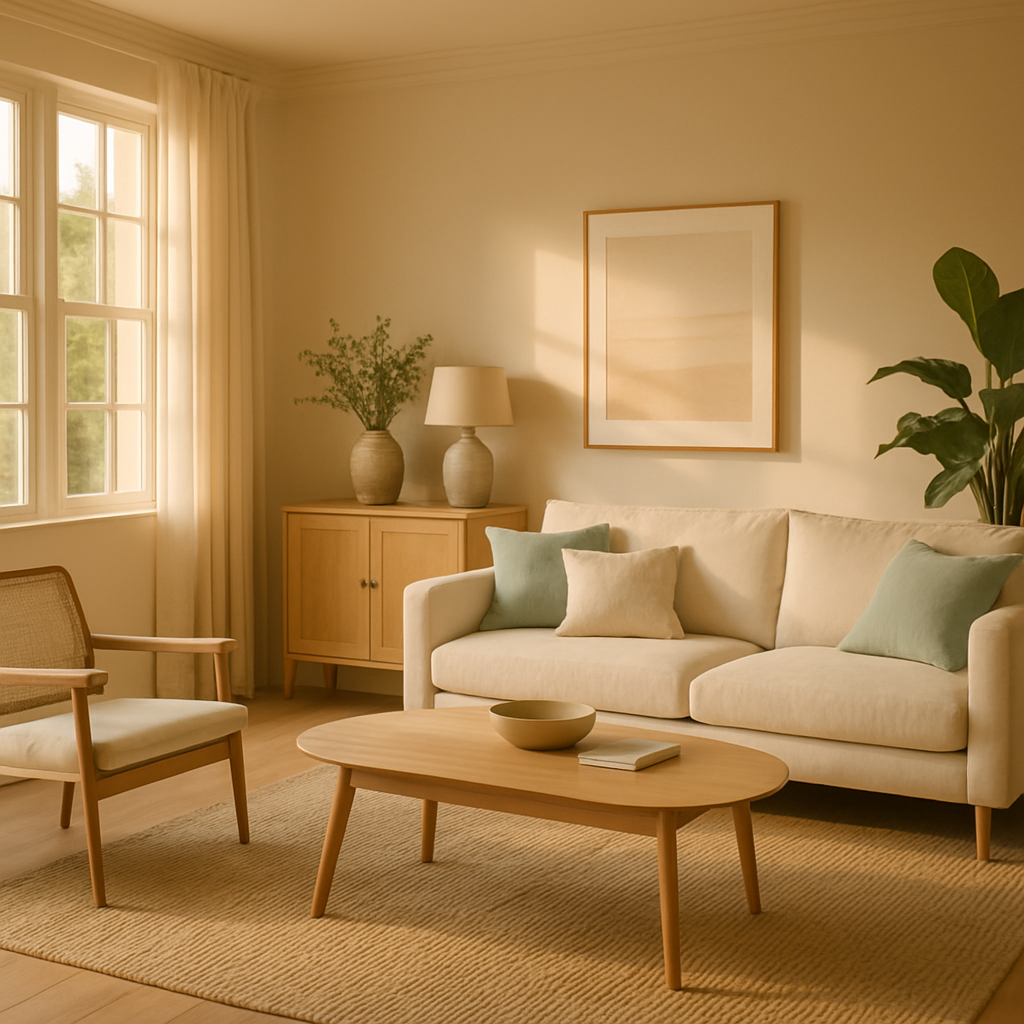
Interior design trends have always reflected the way people live, but the rise of online design services has accelerated how quickly new ideas reach homeowners across the country. What once took years to filter from high-end showrooms to residential projects now spreads in months through digital platforms, virtual consultations, and curated online marketplaces. The American Society of Interior Designers (ASID) tracks these shifts closely, and their latest research highlights five dominant trends that online designers are implementing in projects of every size and budget. Understanding these trends is not about chasing novelty. It is about recognizing which design directions align with your lifestyle, values, and the way you actually use your home. From the calming influence of nature-inspired interiors to the seamless integration of technology into daily routines, these five movements are reshaping residential design at a fundamental level. Whether you are planning a full renovation or simply updating a single room, knowing where design is headed will help you make choices that feel current today and enduring for years to come.
Biophilic Design Goes Beyond Houseplants
Biophilic design has evolved from a buzzword into a comprehensive design philosophy that online interior designers are applying with increasing sophistication. The core principle is straightforward: humans have an innate need to connect with nature, and interiors that honor this connection promote better health, productivity, and emotional well-being. Research published in environmental psychology journals consistently supports these claims, and organizations like ASID have incorporated biophilic principles into their continuing education programs. What distinguishes current biophilic practice from earlier interpretations is its holistic scope, extending well beyond potted plants on windowsills.
Online designers are now specifying living moss walls, circadian lighting systems that mimic natural daylight patterns, and material palettes dominated by stone, timber, and clay. Water features, once confined to luxury spa bathrooms, are appearing in entryways and home offices as both acoustic elements and visual focal points. The tactile dimension is equally important. Designers working through platforms like Houzz are selecting upholstery fabrics with organic textures such as undyed linen, hand-loomed wool, and raw silk that invite physical engagement with the space. These choices create rooms that feel grounded and restorative rather than sterile or contrived.
The cost of implementing biophilic design varies widely depending on the depth of commitment. A designer charging between and per hour might spend a few sessions selecting natural materials and optimizing window placement, or they might develop an extensive specification including custom millwork from reclaimed timber and integrated planting systems. Online platforms make biophilic design more accessible by connecting homeowners with specialists who focus exclusively on nature-integrated interiors, regardless of geographic location. Have you noticed how certain rooms in your home make you feel calmer than others? That sensation often traces back to the presence or absence of natural elements, light quality, and visual connections to the outdoors. Biophilic design codifies that instinct into a repeatable framework. While biophilic design addresses our relationship with nature, the next trend focuses on a different kind of restraint in material and aesthetic choices.
Quiet Luxury Replaces Conspicuous Display
Quiet luxury represents a deliberate rejection of the logo-heavy, trend-chasing maximalism that dominated residential interiors for much of the past decade. This movement prioritizes investment in quality materials and expert craftsmanship over visual spectacle or brand recognition. Online designers report that clients are increasingly requesting interiors that feel expensive to inhabit but do not announce their cost to visitors. The emphasis falls on sensory richness, including the weight of a hand-thrown ceramic bowl, the depth of color in a hand-knotted rug, and the warmth of oiled walnut millwork that improves with age.
AD PRO has documented this shift extensively, noting that trade-only vendors specializing in artisan-produced furnishings and bespoke textiles have seen significant growth in orders originating from online design platforms. The quiet luxury palette tends toward warm neutrals, soft whites, and muted earth tones, with color introduced sparingly through art, textiles, or a single statement piece of furniture. Online designers excel at sourcing these understated pieces because they maintain relationships with workshops and studios that do not operate retail storefronts, giving their clients access to products unavailable through conventional shopping channels.
Implementing quiet luxury does not necessarily require an extravagant budget, though it rewards careful allocation of resources. A designer working within a ,000 to ,000 per-room budget might concentrate spending on one anchor piece, perhaps a custom sofa in a premium fabric, while keeping secondary elements simple and unadorned. The strategy is investment over accumulation: fewer objects, each chosen with intention. Online consultations make this approach particularly effective because the designer can curate a focused selection rather than overwhelming you with options. The discipline of quiet luxury, choosing less but choosing better, creates interiors that resist the fatigue of trend cycles and feel genuinely personal. This emphasis on intentionality extends naturally into the next trend, which merges two distinct cultural design traditions into a single cohesive aesthetic.
Japandi Merges Minimalism with Warmth
Japandi has proven to be more than a passing aesthetic experiment. This hybrid of Japanese wabi-sabi philosophy and Scandinavian hygge sensibility continues to gain traction on online design platforms because it offers something genuinely useful: a framework for creating spaces that are minimal without feeling cold and warm without feeling cluttered. The International Interior Design Association (IIDA) has recognized Japandi as a significant design direction that resonates across demographics and housing types, from urban apartments to suburban family homes.
The Japandi palette centers on natural tones, including warm grays, soft creams, charcoal, and the golden hues of light woods like ash and birch. Furniture forms are low-profile and clean-lined, drawing from Japanese traditions of floor-level living adapted for Western comfort expectations. Online designers frequently pair Scandinavian-made furnishings with Japanese ceramic accessories, handmade paper lighting, and textile pieces that reflect both traditions. The result is a layered simplicity that feels considered rather than sparse. Houzz trend reports indicate that Japandi-tagged projects consistently rank among the most saved and shared designs on the platform.
What makes Japandi particularly well-suited to online design is its reliance on a limited material vocabulary. A designer can specify a cohesive Japandi scheme through a curated selection of perhaps fifteen to twenty key items, making the remote curation process more focused and manageable than styles that require extensive layering or custom fabrication. Pricing for a Japandi-focused room design through an online platform typically falls in the mid-range, with designers often working on flat-fee packages between and ,000 per room. The style's inherent restraint also tends to keep furniture and materials budgets in check. Do you find yourself drawn to spaces that feel serene and uncluttered yet still inviting? Japandi offers a structured path to achieving exactly that balance. From the aesthetic realm of Japandi, the next trend moves into the technical territory of home automation and connected living.
Smart Home Integration Becomes Standard Practice
Smart home technology has transitioned from an optional luxury add-on to a standard component of professional interior design specifications. Online designers now routinely include automated lighting scenes, motorized window treatments, integrated audio systems, and climate control interfaces in their proposals. This shift reflects both the declining cost of smart home hardware and the growing expectation among homeowners that their interiors should respond intelligently to their daily routines. NCIDQ-certified designers are increasingly required to understand home automation fundamentals as part of their professional competency.
The integration challenge is primarily aesthetic rather than technical. Homeowners do not want visible technology dominating their interiors, which is why online designers focus on concealment strategies: flush-mounted control panels that blend with wall finishes, wireless speakers disguised as decorative objects, and motorized shades hidden within architectural soffits. The goal is technology that serves without announcing itself, a principle that aligns naturally with the quiet luxury and Japandi trends discussed earlier. Online design platforms are particularly effective for smart home planning because they can connect you with both an interior designer and a home automation consultant who collaborate on a unified specification.
Budget allocation for smart home integration varies significantly based on the systems selected. A basic package covering automated lighting and a voice-controlled assistant might add ,000 to ,000 to a room's budget, while a comprehensive system including motorized shades, integrated audio, security cameras, and climate zoning can range from ,000 to ,000 for a whole-home installation. Many designers charge their standard hourly rate of to for the additional consultation time required to specify and coordinate technology elements. The percentage-based fee model, typically 10 to 25 percent of project costs, naturally scales to accommodate this added complexity. What matters most is that the technology specification happens during the design phase rather than as an afterthought, which is where professional guidance pays for itself. Smart integration addresses how your home functions, but the final trend concerns what your home is made of and the values those choices represent.
Sustainable Materials Move from Niche to Norm
Sustainability in interior design has graduated from a specialty interest to a baseline expectation among the homeowners who use online design services. Requests for FSC-certified wood, recycled metal hardware, low-VOC paints and adhesives, and textiles made from organic or reclaimed fibers now appear in the majority of project briefs that online designers receive. ASID's research confirms this shift, showing that environmental responsibility ranks among the top five decision factors for clients selecting design professionals. This is not a marketing trend. It reflects a genuine recalibration of consumer priorities toward materials and processes that minimize environmental harm.
Online designers are well-positioned to support sustainable material selection because they can source from a global network of eco-certified manufacturers and artisan producers. Platforms like Houzz now include sustainability filters in their product databases, making it straightforward to identify items that meet specific environmental standards. Designers with expertise in sustainable specification can guide clients toward materials like bamboo flooring, recycled glass countertops, cork wall coverings, and upholstery fabrics woven from recycled ocean plastics. These materials have reached a quality threshold where they compete directly with conventional options on durability, aesthetics, and even cost.
The financial reality of sustainable design has also shifted favorably. While premium eco-certified materials once carried a significant price premium, increased production scale and market competition have narrowed the gap considerably. A designer working within a standard per-room budget of ,000 to ,000 can now specify predominantly sustainable materials without exceeding what conventional alternatives would cost. The long-term economics often favor sustainable choices as well, since high-quality natural materials like solid hardwood and stone tend to outlast engineered alternatives by decades, reducing replacement costs over the life of the home. Online design services make sustainable specification more transparent by providing detailed material information, certifications, and sourcing origins as part of their deliverables. This transparency empowers homeowners to make informed choices that align with their environmental values without sacrificing design quality. With these five trends in mind, the path forward becomes a matter of applying them to your own space and circumstances.
These five trends, biophilic design, quiet luxury, Japandi, smart home integration, and sustainable materials, are not isolated phenomena. They overlap and reinforce each other in ways that make contemporary interior design more cohesive and intentional than it has been in decades. A single room can incorporate living plant elements, sustainably sourced furniture in a Japandi style, concealed smart home technology, and quiet luxury textiles without any contradiction. Online interior design services give you access to professionals who understand how to weave these threads together into a unified vision for your home. The IIDA and ASID both maintain directories of qualified designers who specialize in these approaches. Start by identifying which trends resonate most strongly with how you want your home to feel, then reach out to two or three online design services for introductory consultations. Compare their proposals, evaluate their understanding of your priorities, and choose the partnership that feels most aligned with your vision. The design landscape is rich with possibility, and the right professional guidance will help you navigate it with confidence and clarity.
More Articles You May Like



Comments
Post a Comment