Sustainable Style: Eco-Friendly Room Interior Design Trends to Follow This Year
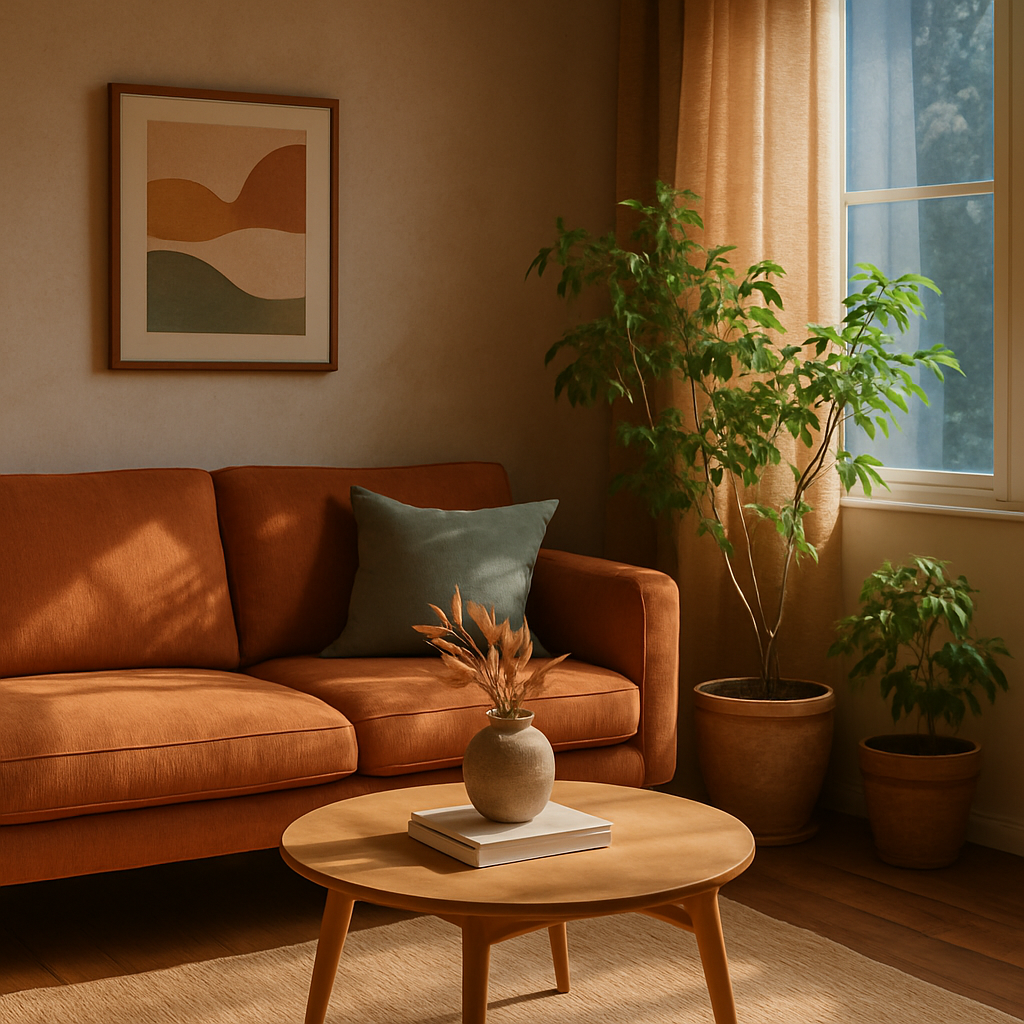
Imagine transforming your home into a sanctuary that not only reflects your personal style but also helps the planet. According to industry surveys, nearly 70% of homeowners are now prioritizing sustainability in their renovation projects. With eco-friendly design trends surging, you might wonder: How can you incorporate sustainable style into your home without compromising aesthetics? This article will explore current eco-friendly room interior design trends, delve into actionable strategies, and provide expert insights to guide you on this journey.
The Foundation of Sustainable Interior Design
At the core of sustainable interior design is the principle of reducing environmental impact while maintaining a high standard of aesthetics. This involves selecting materials and products that are not only beautiful but also eco-conscious. Experienced professionals often note that the key is to choose materials that have a low carbon footprint, such as bamboo, recycled metal, and reclaimed wood. These materials not only enhance the visual appeal of a space but also contribute to a healthier planet.
Another essential aspect of sustainable design is energy efficiency. This can be achieved through the strategic use of natural light and ventilation, reducing the need for artificial lighting and climate control. According to the American Institute of Architects (AIA), designing spaces that maximize daylight can reduce lighting energy usage by up to 75%. By incorporating large windows, skylights, and open floor plans, you can create spaces that are both inviting and energy-efficient.
Moreover, sustainable interior design encompasses the concept of biophilic design, which integrates natural elements into the built environment. This trend, which includes living walls and indoor plants, not only enhances the aesthetic appeal but also improves indoor air quality and psychological well-being. As you consider your next design project, ask yourself: How can I bring more of the outdoors inside? This foundational approach sets the stage for deeper exploration into sustainable design.
Analyzing the Data: The Impact of Sustainable Choices
The shift towards eco-friendly design is not just a passing fad; it is a response to growing environmental concerns and consumer demand for sustainability. According to a report by Houzz, 47% of homeowners increased their eco-friendly practices in recent home projects. But what does this mean in terms of tangible benefits? For starters, sustainable homes often see a 5-15% increase in resale value, making them a wise investment.
Data also highlights the financial advantages of sustainable design. Energy-efficient homes can lower utility bills significantly. The U.S. Department of Energy notes that incorporating energy-saving appliances and smart home systems can reduce household energy use by up to 30%. This translates to substantial savings over time, which can offset the initial costs of sustainable upgrades.
Furthermore, many homeowners report increased satisfaction with their sustainably designed spaces. A survey by the American Society of Interior Designers (ASID) found that 81% of participants felt more at ease in homes that utilized sustainable materials and designs. This increased comfort and satisfaction underscore the importance of making informed, eco-friendly choices in your design projects. As we move forward, consider how these data points can influence your decisions.
Actionable Strategies for Eco-Friendly Interior Design
Implementing sustainable design in your home begins with careful planning and informed choices. Start by conducting a thorough assessment of your current space. Identify areas where sustainability can be improved, such as using LED lighting, installing energy-efficient appliances, or choosing low-VOC (volatile organic compound) paints. These small changes can have a significant impact on your home's environmental footprint.
Next, when selecting furniture and decor, prioritize items made from sustainable or recycled materials. Platforms like Houzz and Architectural Digest's AD PRO network offer extensive resources for finding eco-friendly products. Consider pieces that are not only stylish but also durable and timeless, reducing the need for frequent replacements. Investing in quality over quantity can make your home both sustainable and luxurious.
Finally, engage with certified interior designers who hold credentials such as NCIDQ (National Council for Interior Design Qualification) or are members of ASID. These professionals have the expertise to guide you through the complexities of sustainable design, ensuring that your project aligns with both your aesthetic vision and environmental values. As you implement these strategies, reflect on how each choice contributes to a more sustainable and stylish home.
Expert Insights on Sustainable Style
To delve deeper into the nuances of sustainable interior design, it's essential to understand the role of technology and innovation. Smart home integration has become a cornerstone of eco-friendly design, allowing homeowners to monitor and optimize their energy use. Automated window treatments, smart thermostats, and energy-efficient lighting systems can all be controlled remotely, minimizing waste and maximizing efficiency.
Experts also emphasize the importance of sustainable sourcing. This means choosing suppliers and manufacturers who adhere to ethical production practices. For instance, selecting furniture from companies that use sustainably harvested wood or fabrics made from organic fibers can further reduce your environmental impact. The International Interior Design Association (IIDA) often highlights such companies as leaders in sustainable practice.
Moreover, incorporating local artisans and craftsmen into your design project can enhance sustainability. By sourcing locally, you reduce the carbon footprint associated with transportation and support the local economy. This approach not only benefits the environment but also adds unique, personal touches to your home. As you consider these expert insights, think about how technology and ethical sourcing can elevate your design project.
Additional Depth: Exploring Current Trends
Current trends in sustainable interior design reflect a broader cultural shift towards mindfulness and simplicity. The Japandi style, a blend of Japanese minimalism and Scandinavian warmth, is gaining popularity for its emphasis on natural materials and serene spaces. This trend encourages decluttering and creating calm, functional environments that promote well-being.
Biophilic design continues to be a leading trend, with more homeowners incorporating elements like living walls and indoor gardens. These features not only enhance aesthetics but also improve air quality and provide a connection to nature. The integration of biophilic elements can transform a space into a tranquil retreat, which is increasingly appealing in today's fast-paced world.
Sustainable materials are also at the forefront of design innovation. Reclaimed wood, recycled glass, and natural stone are being used in new and creative ways, offering a unique texture and character to interiors. These materials not only reduce waste but also add depth and interest to design projects. As you explore these trends, consider how they align with your personal style and sustainability goals.
Final Perspectives on Eco-Friendly Design
As you navigate the world of sustainable interior design, it's important to remain informed and adaptable. The landscape of eco-friendly design is constantly evolving, with new materials and technologies emerging regularly. Staying updated on these advancements can help you make more informed decisions that benefit both your home and the environment.
Moreover, involving yourself in communities that prioritize sustainability, such as local AIA chapters or online forums, can provide support and inspiration. These networks offer valuable resources and connections to like-minded individuals and professionals who can assist you in achieving your design goals.
Ultimately, embracing sustainable design is not just about following trends; it's about creating spaces that reflect your values and contribute to a healthier planet. As you finalize your design plans, ask yourself: How does each decision align with my commitment to sustainability? This reflection will ensure that your home remains a testament to eco-friendly style and conscious living.
Conclusion
Sustainable style in interior design is more than a trend; it's a movement towards a more thoughtful and responsible way of living. By understanding foundational concepts, analyzing data, and implementing actionable strategies, you can transform your home into a space that is both beautiful and environmentally conscious. As you embark on your design journey, consider the expert insights and current trends that align with your vision.
Begin your journey by browsing certified designers' portfolios on platforms like Houzz and AD PRO this week. Even 20 minutes of research can sharpen your eye for what resonates with your style and values. Remember, sustainable design is not just about aesthetics; it's about making choices that reflect your commitment to a better world.
More Articles You May Like



Comments
Post a Comment